
Pindar and Ictinus — History & Facts
When Jean Auguste Dominique Ingres exhibited Pindar and Ictinus in 1848, he was already renowned for his devotion to classical antiquity, but this painting stands out for pairing two figures—one a poet, the other an architect—who never met in life. Ingres chose to imagine a symbolic encounter between Pindar, the ancient Greek lyric poet, and Ictinus, the architect of the Parthenon, as a tribute to the creative spirit that bridges poetry and architecture. This intellectual fantasy resonated with the tastes of mid-19th-century Paris, where the classical revival was in full swing and artists sought to revive the moral grandeur of Greece. The scene unfolds in a luminous, marble-clad setting, likely meant to evoke the newly built Parthenon.
Pindar, draped in a white himation, gestures with his right hand as if reciting a verse, while Ictinus listens intently, a rolled architectural plan in his grasp. The painter’s clear, linear style and polished surfaces direct the eye to the figures' expressive hands and faces, suggesting a dialogue between inspiration and execution. The lyre at Pindar’s feet hints at music’s role in poetry, while the background columns stand as silent witnesses to Ictinus’s genius.
Unlike Raphael’s bustling School of Athens, where philosophers debate in a crowded agora, Ingres isolates his protagonists, focusing on the intimate exchange of ideas. The exact circumstances of the painting’s commission are not fully documented, but it is characteristic of Ingres’s late period, when he was director of the École des Beaux-Arts and a leading figure in the French academic tradition. Pindar and Ictinus was likely painted for a private collector or as a studio exercise in the grand manner. Its medium, possibly oil on canvas or panel, is not definitively recorded.
The painting’s subsequent history is obscure; it does not appear in major public collections and is rarely mentioned in early inventories of Ingres’s works. Today, it is valued as a testament to Ingres’s lifelong fascination with the ideals of antiquity and the dialogue between the arts.
More Artworks by Jean Auguste Dominique Ingres
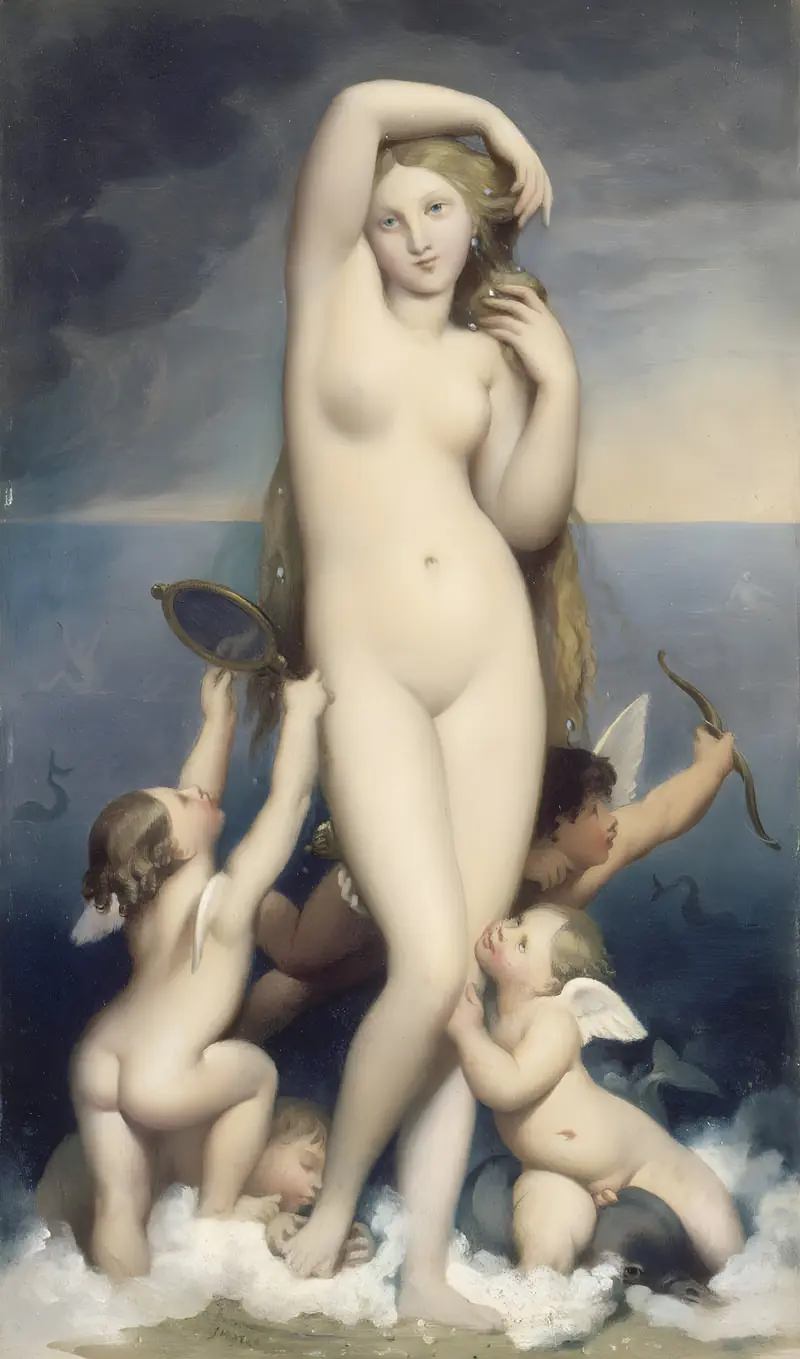
Vénus anadyomène
Jean Auguste Dominique Ingres
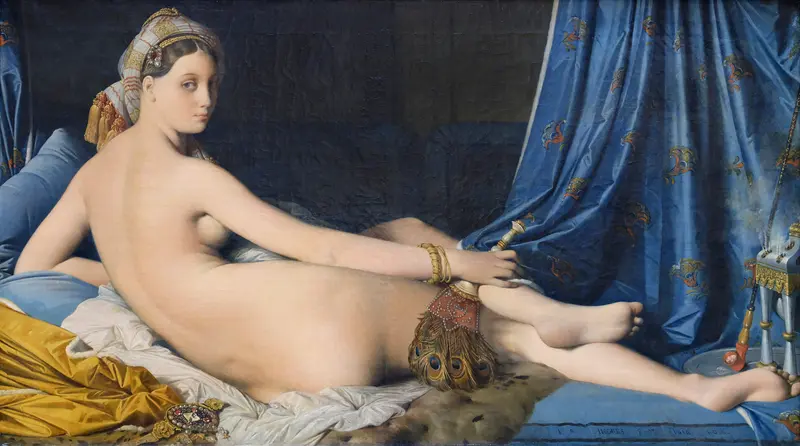
Grande Odalisque
Jean Auguste Dominique Ingres
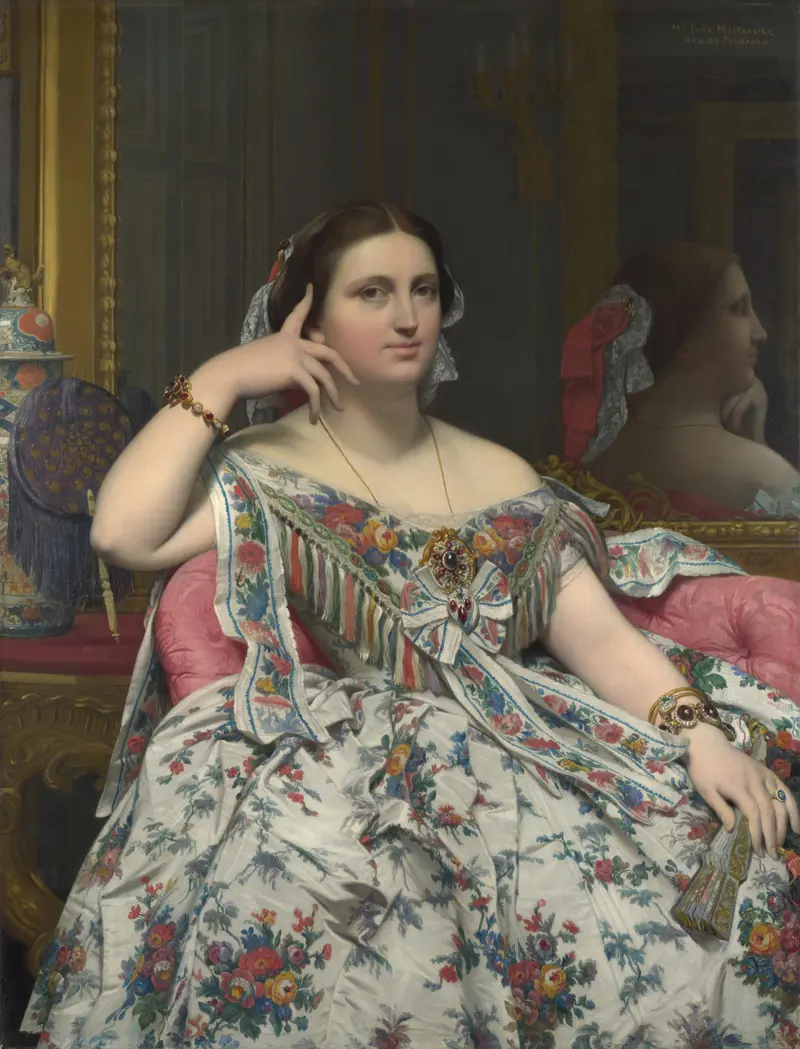
Madame Moitessier (seated)
Jean Auguste Dominique Ingres
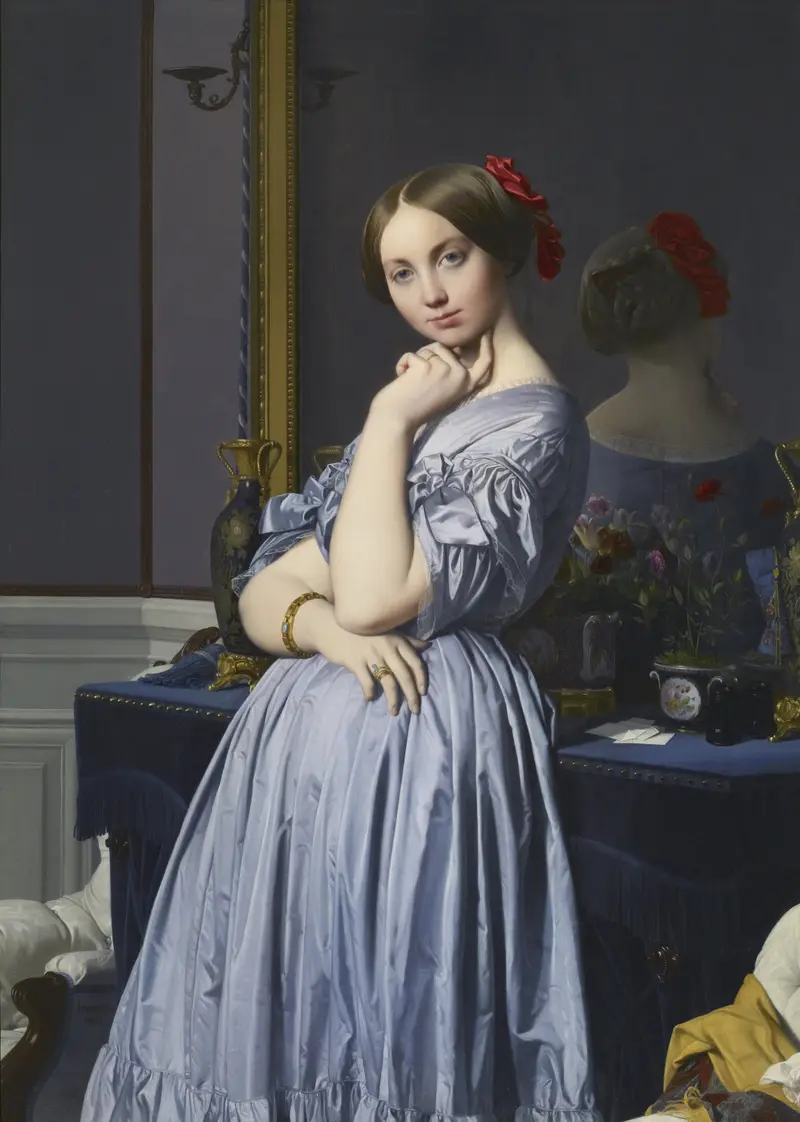
Portrait of Comtesse d’Haussonville
Jean Auguste Dominique Ingres
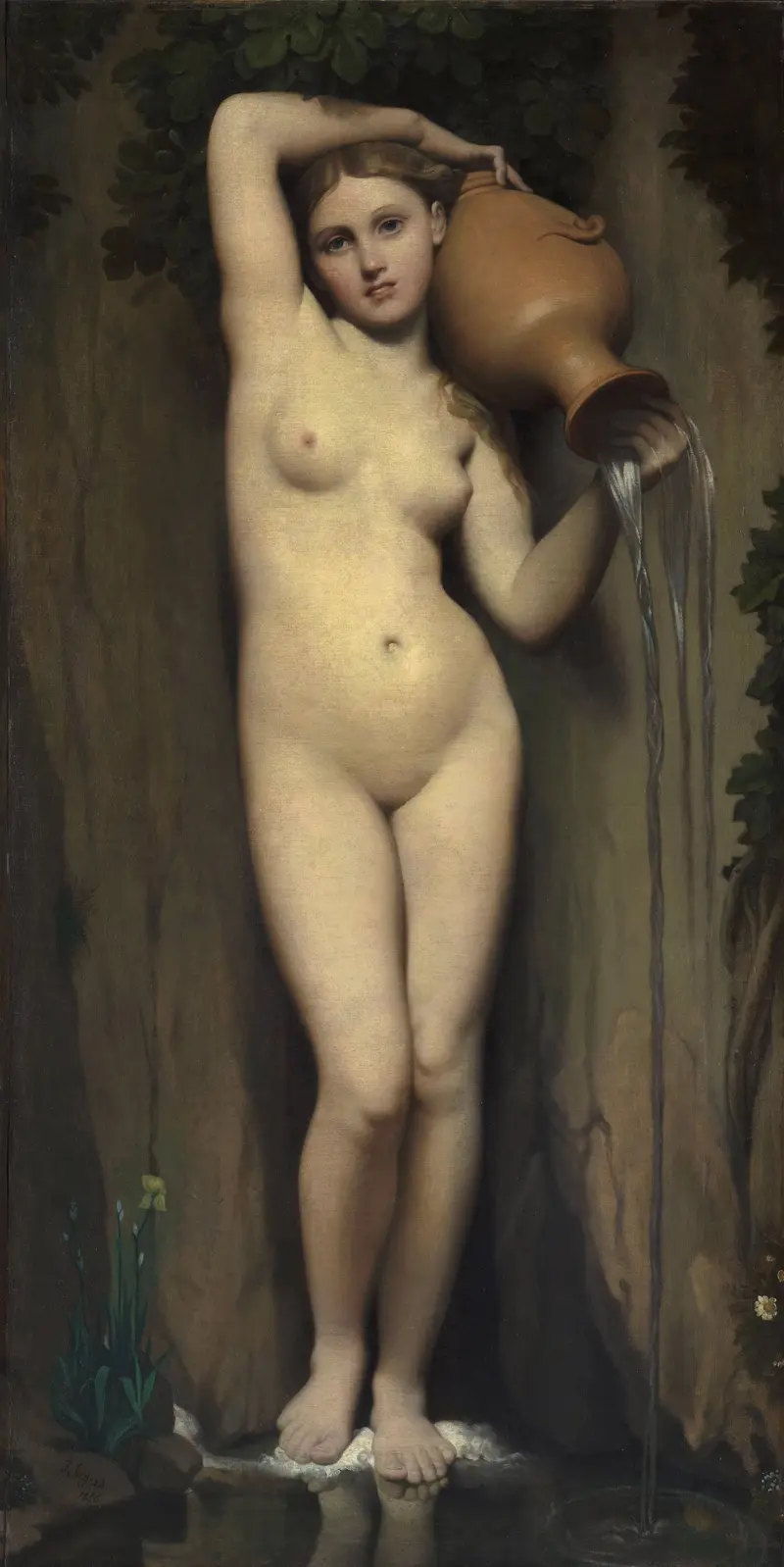
The Source
Jean Auguste Dominique Ingres
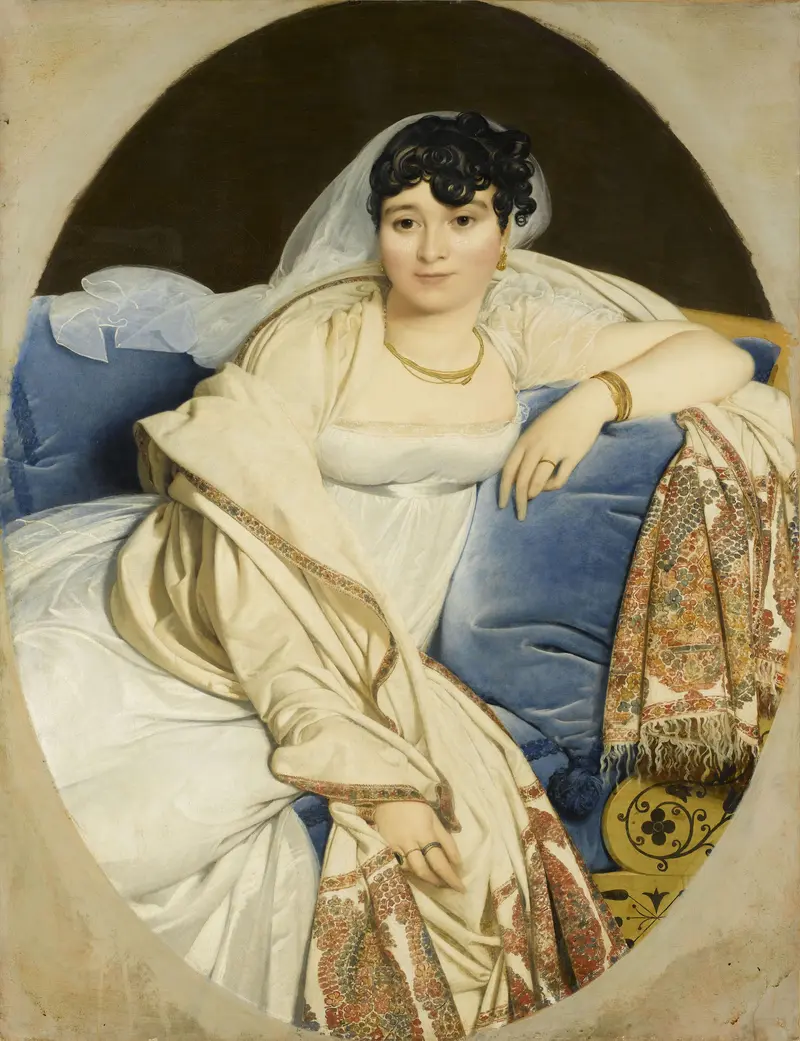
Madame Rivière
Jean Auguste Dominique Ingres

Madame Jean-Auguste-Dominique Ingres, née Madeleine Chapelle
Jean Auguste Dominique Ingres

Portrait of a Lady
Jean Auguste Dominique Ingres
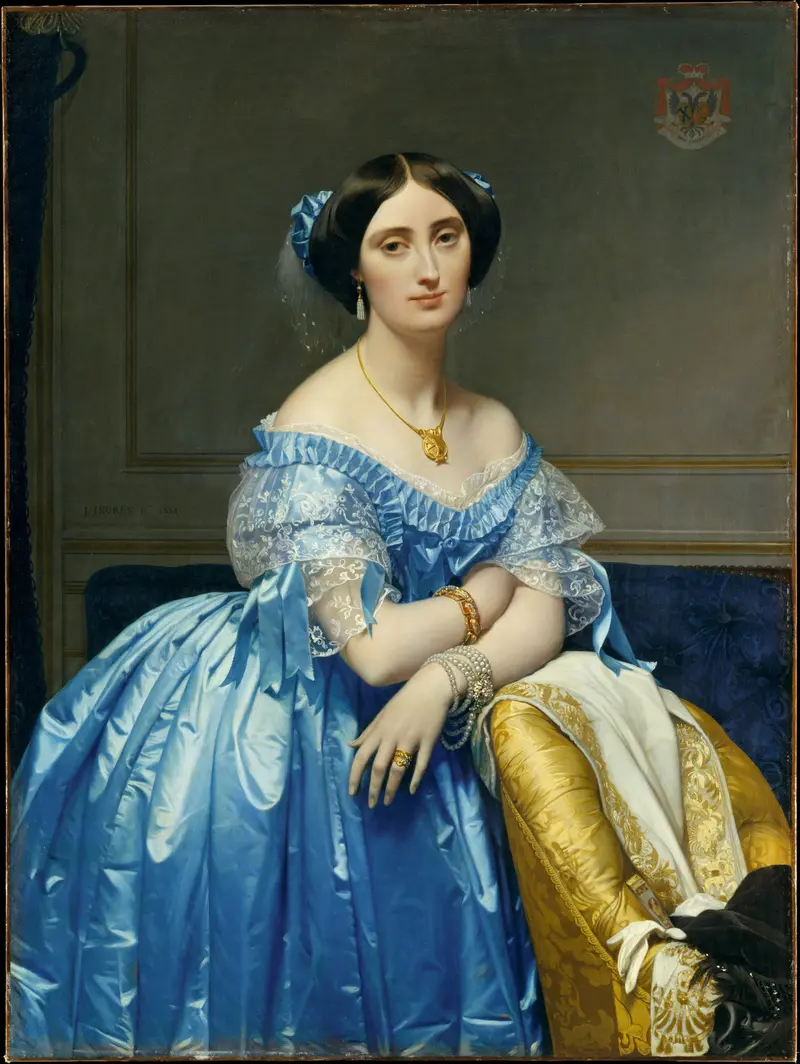
Joséphine-Éléonore-Marie-Pauline de Galard de Brassac de Béarn (1825–1860), Princesse de Broglie
Jean Auguste Dominique Ingres
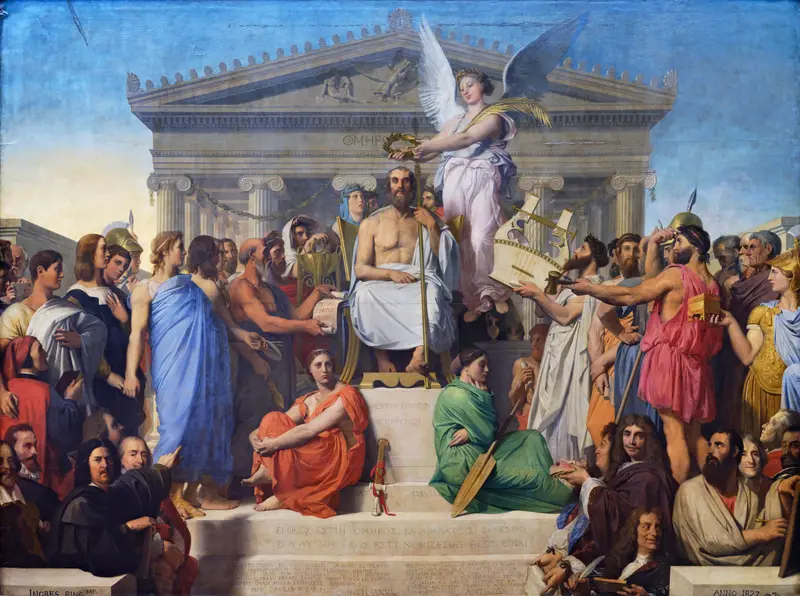
The Apotheosis of Homer
Jean Auguste Dominique Ingres





