Põllulilled — History & Facts
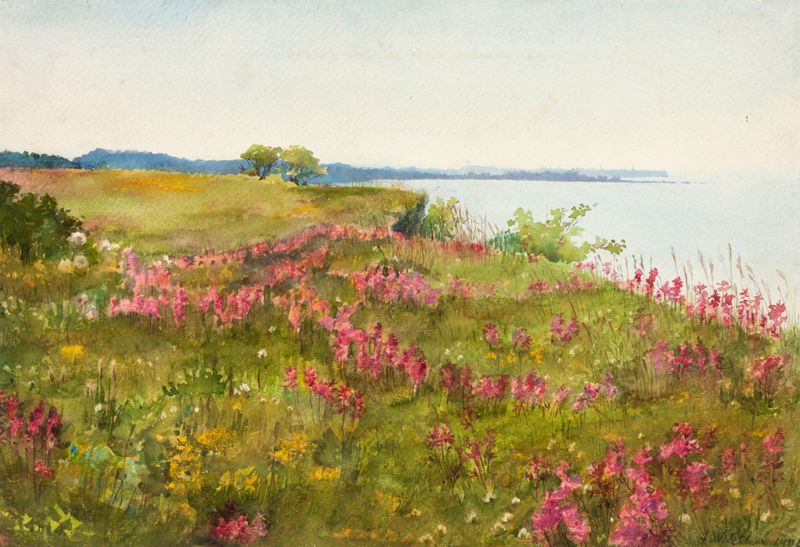
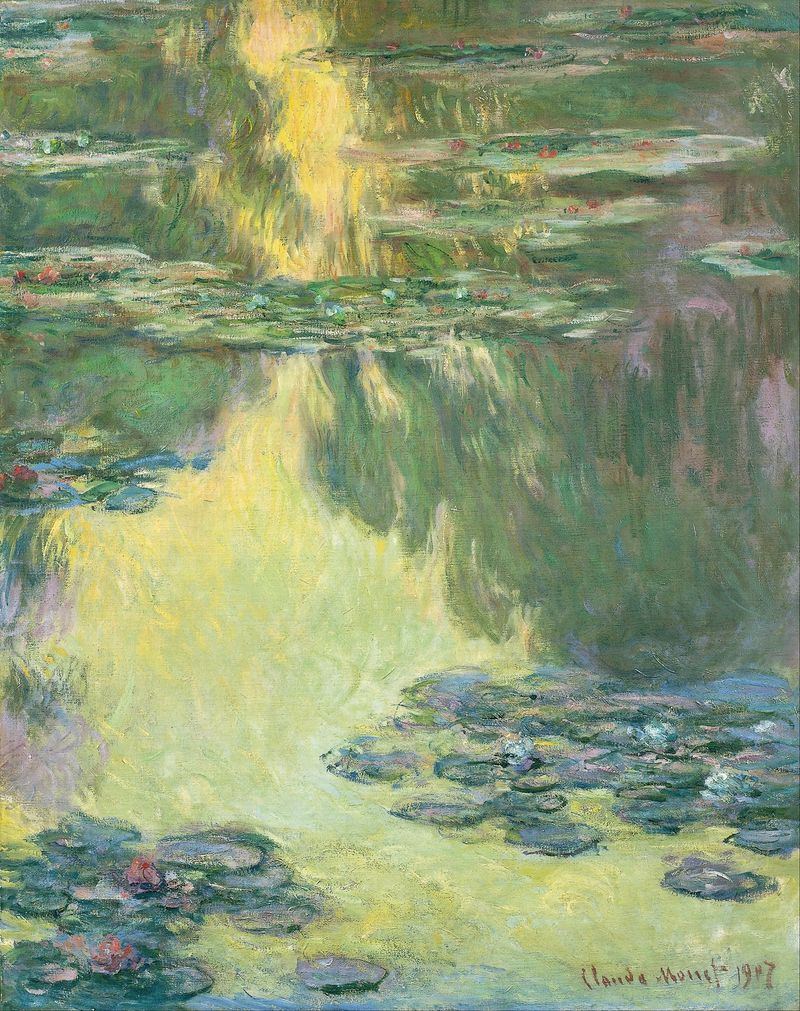
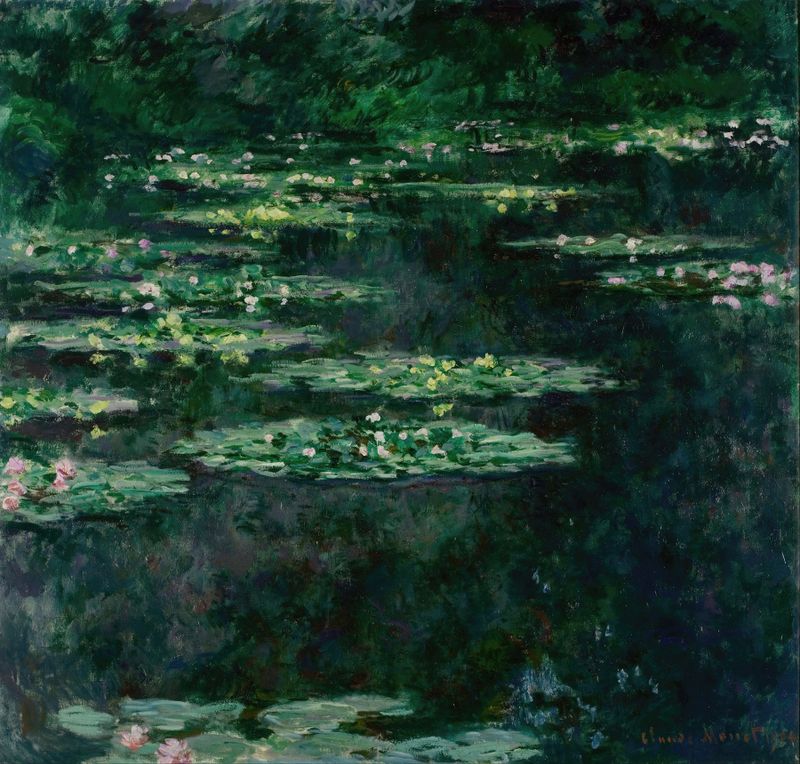
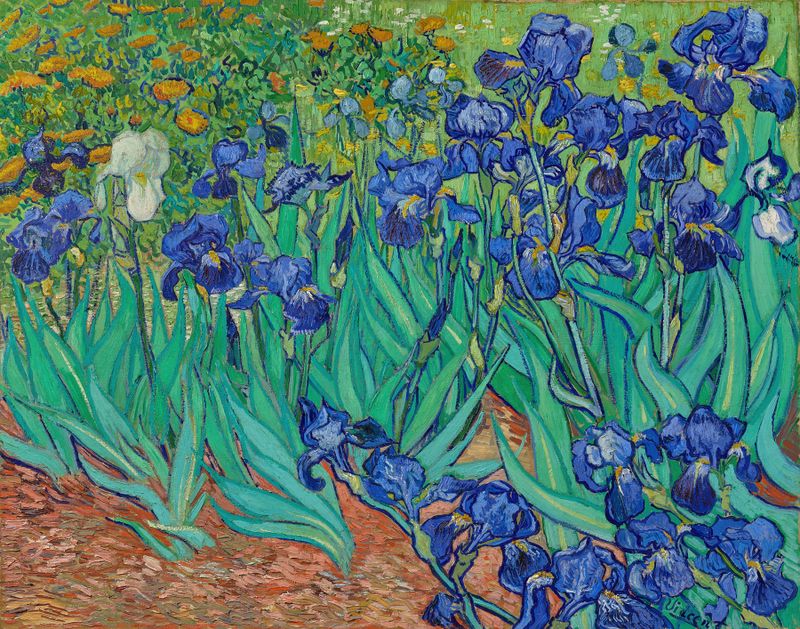
When did color learn to lie? In Põllulilled, the vibrant hues dance energetically, yet beneath their surface, an unsettling tension simmers, revealing a deeper narrative shrouded in fear. Look to the foreground, where a riot of wildflowers spills across the canvas. Each brushstroke captures the delicate intricacies of petals in full bloom, yet they appear almost too vivid—unnaturally bright against the muted greens and browns of the surrounding landscape. Notice how the sunlight glints off the flowers, creating an almost hypnotic allure that draws the eye while simultaneously raising questions about its authenticity. Beneath this radiant facade lies a sense of foreboding.
The flowers' exuberance contrasts strongly with the creeping shadows encroaching from the edges, hinting at the fragility of beauty amidst an impending darkness. This duality invites contemplation: are we witnessing a celebration of nature, or a deceptive display that masks a lurking peril? The viewer feels the tension between the allure of the vibrant blooms and the discomfort of their surroundings, suggesting that beauty can often be a harbinger of fear. Lilly Walther painted Põllulilled in 1906, during a period of personal and artistic transition. Living in Estonia, she found herself deeply influenced by the burgeoning symbolist movement, which sought to convey emotional experiences through stylized imagery.
At the time, as her country wrestled with its identity under foreign dominance, her work began to reflect the complexities of beauty intertwined with a growing societal unease, marking a significant evolution in her artistic voice.