
Portrait of a Gentleman — History & Facts
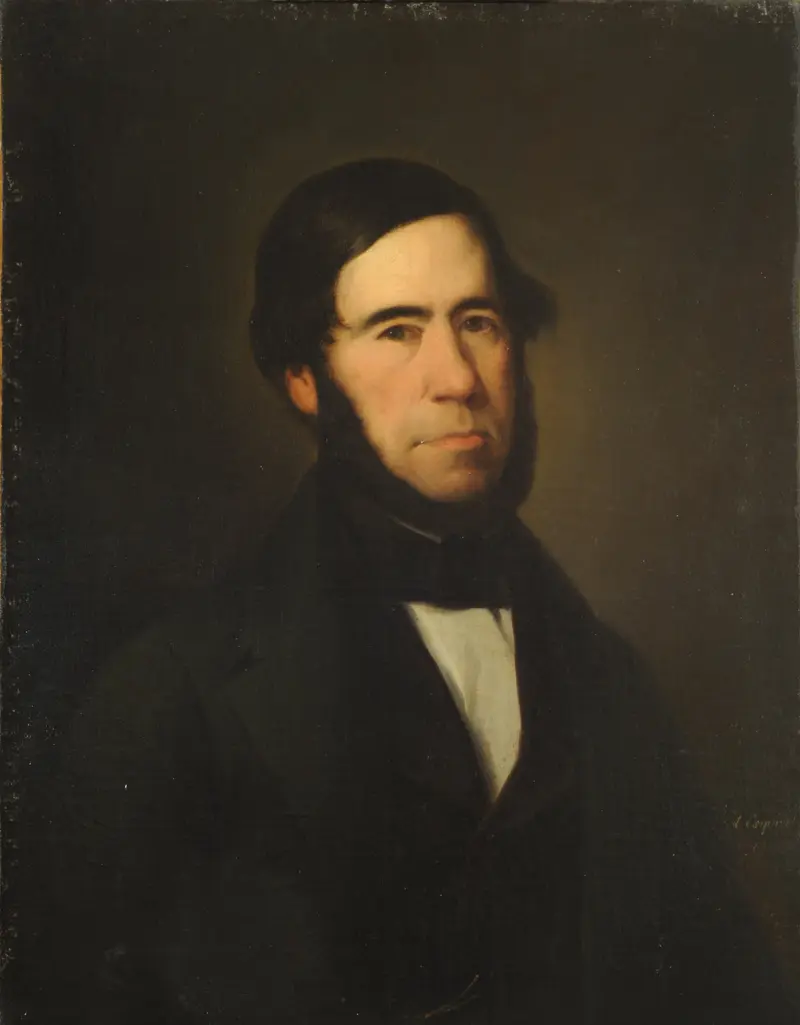
What first catches the eye in Portrait of a Gentleman by Antonio Maria Esquivel is the sitter’s direct, almost conversational gaze—a look that seems to bridge nearly two centuries, inviting the viewer into a private moment. The gentleman’s carefully tailored waistcoat, adorned with a jeweled pin, signals both prosperity and personal pride, while the subtle patterning of his vest rewards a closer look. The soft, even light falls across his face, revealing a complexion touched by life’s experience, and the faintest suggestion of a smile at the corners of his mouth.
The background is plain but for a muted red drapery, which quietly lends the composition a note of formality and warmth, guiding the viewer’s attention back to the sitter’s steady presence. Painted in 1835, this portrait belongs to a world in flux: Spain’s middle class was asserting itself, and men like this—merchants, professionals, or minor officials—commissioned likenesses to mark their status and aspirations. Portraits of this kind were not just records, but declarations, intended for parlors and family galleries, quietly proclaiming the virtues of respectability and self-made success. Antonio Maria Esquivel was active in this era of transition, when the conventions of aristocratic portraiture were being adapted for a broader clientele.
History has kept few traces of this particular sitter’s life, but the painting’s careful attention and quiet dignity invite us to imagine the hopes and ambitions of a society on the threshold of modernity. Look again at the eyes—they still seem to ask us what we see.
More Artworks by Antonio Maria Esquivel

Baldomero Espartero
Antonio Maria Esquivel
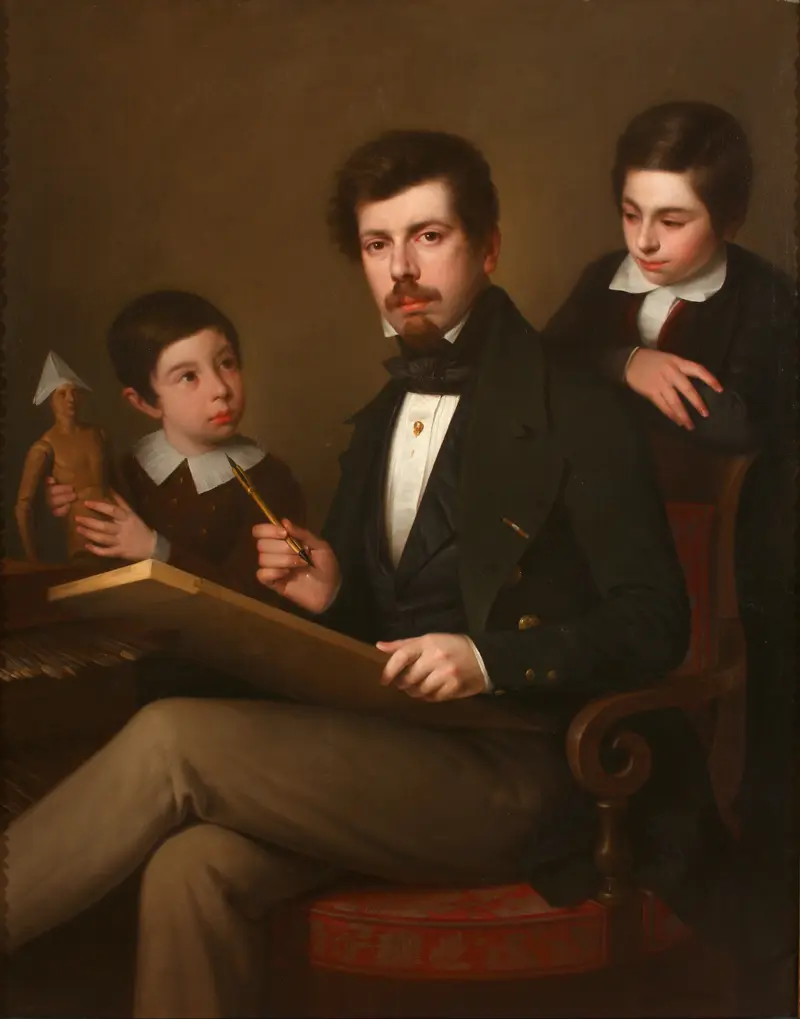
Self-portrait with his sons Carlos and Vicente
Antonio Maria Esquivel
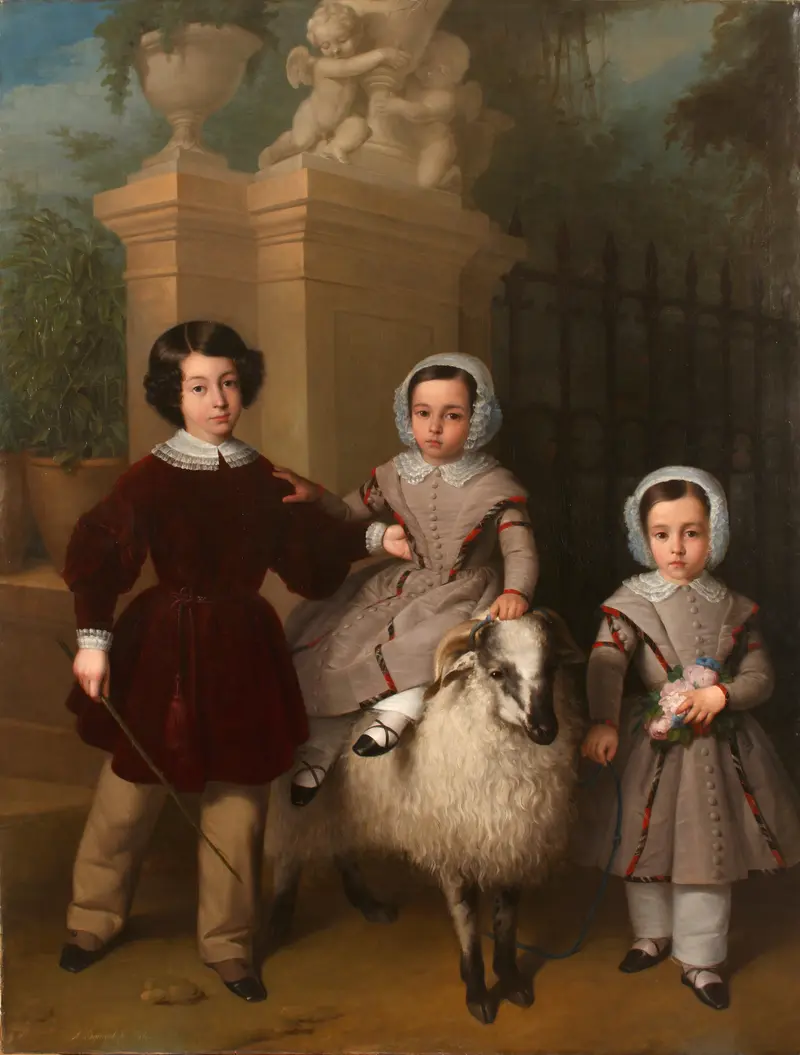
Children playing with a ram
Antonio Maria Esquivel
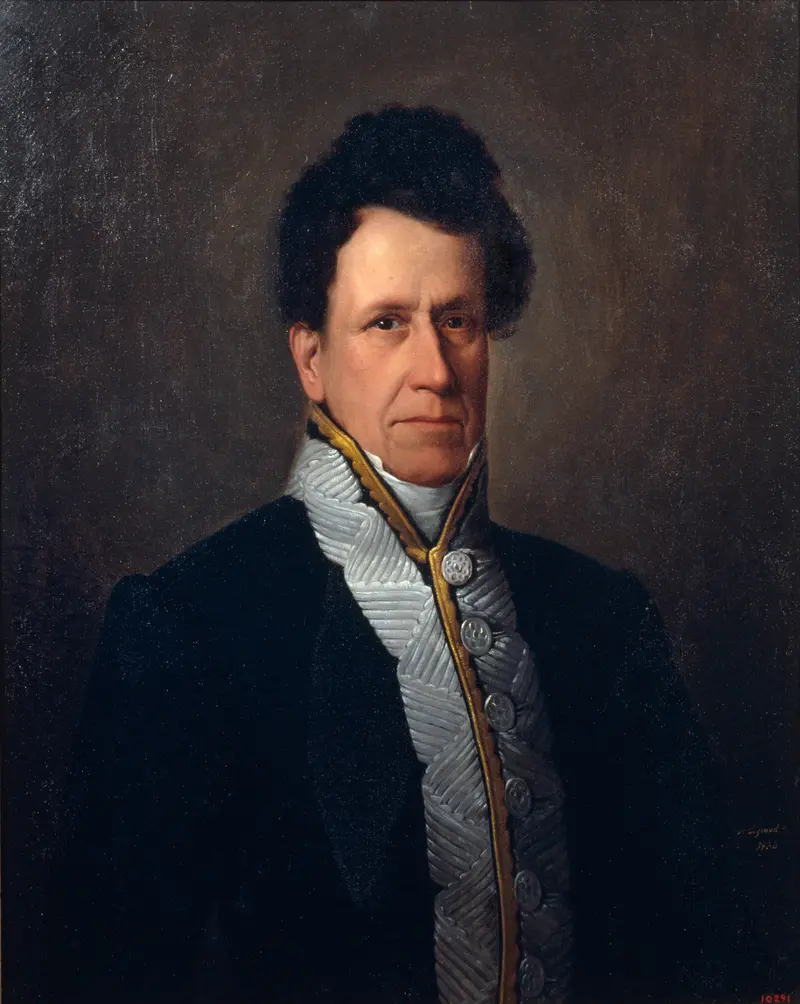
Portrait of Manuel Mª Gutiérrez
Antonio Maria Esquivel
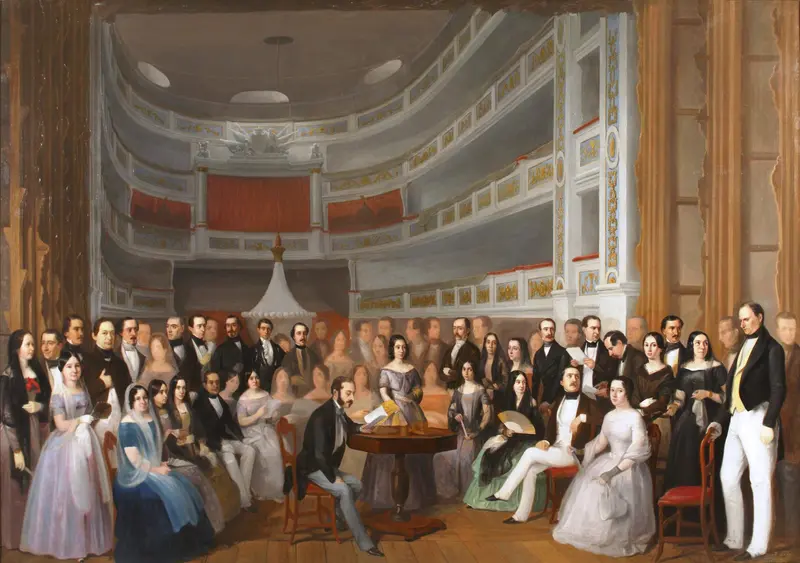
Ventura de la Vega reading a play at the Teatro del Príncipe
Antonio Maria Esquivel
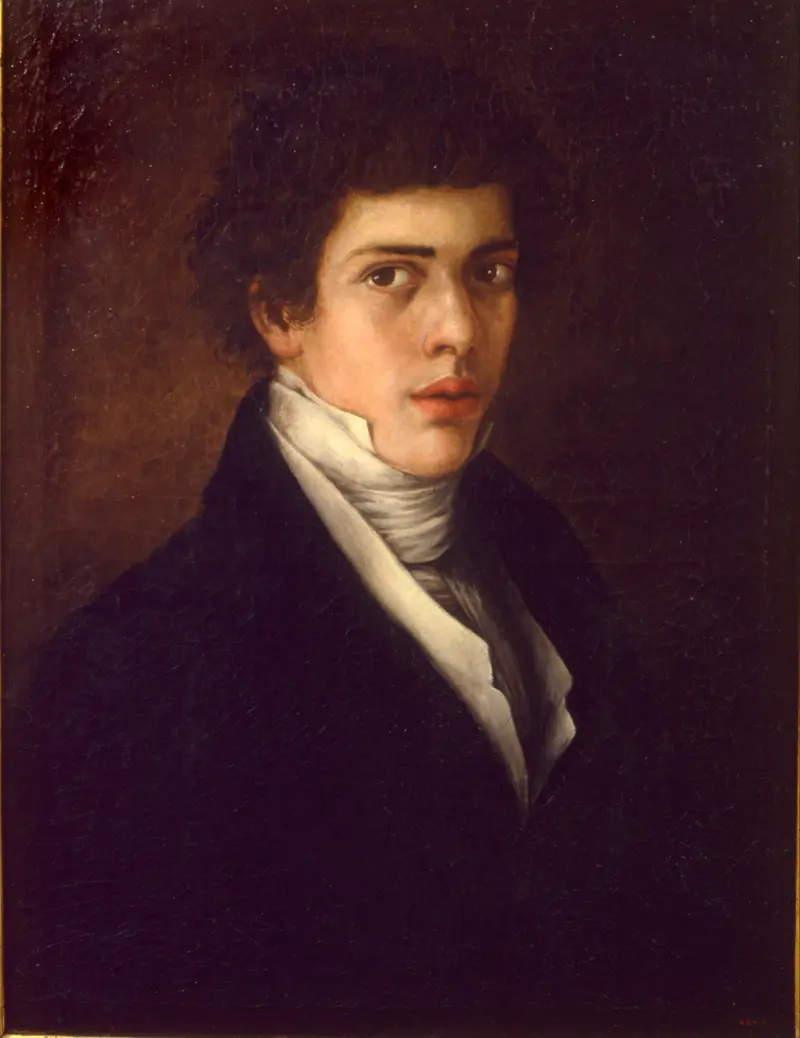
Self-portrait
Antonio Maria Esquivel
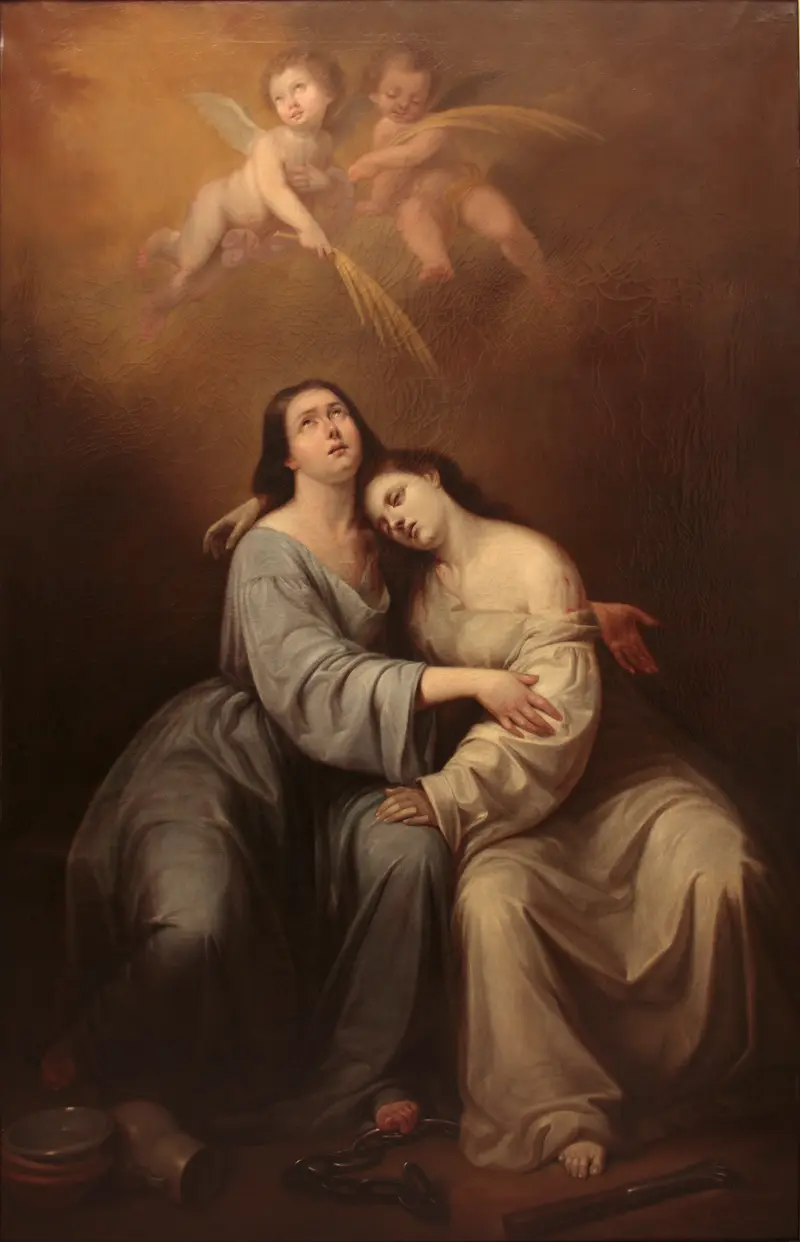
Saint Justa and Saint Rufina
Antonio Maria Esquivel
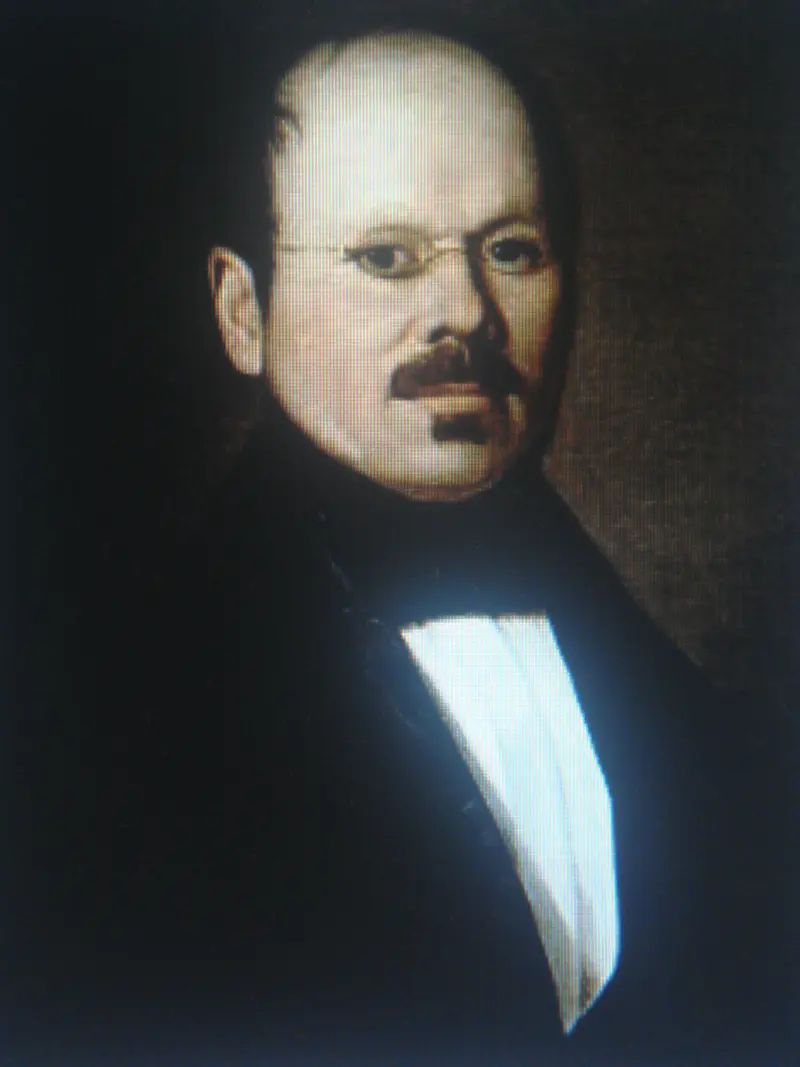
Antonio Benavides Fernández de Navarrete (Real Academia de la Historia)
Antonio Maria Esquivel
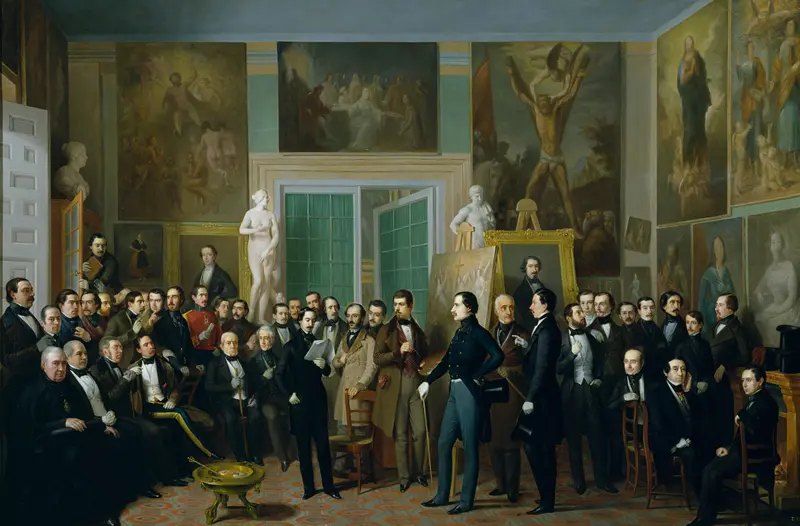
The Contemporary Poets. A Reading of Zorrilla in the Artist's Studio
Antonio Maria Esquivel
Portrait of Don Manuel José de Guerrico
Antonio Maria Esquivel





