
Portrait of a Man with Carnation — History & Facts
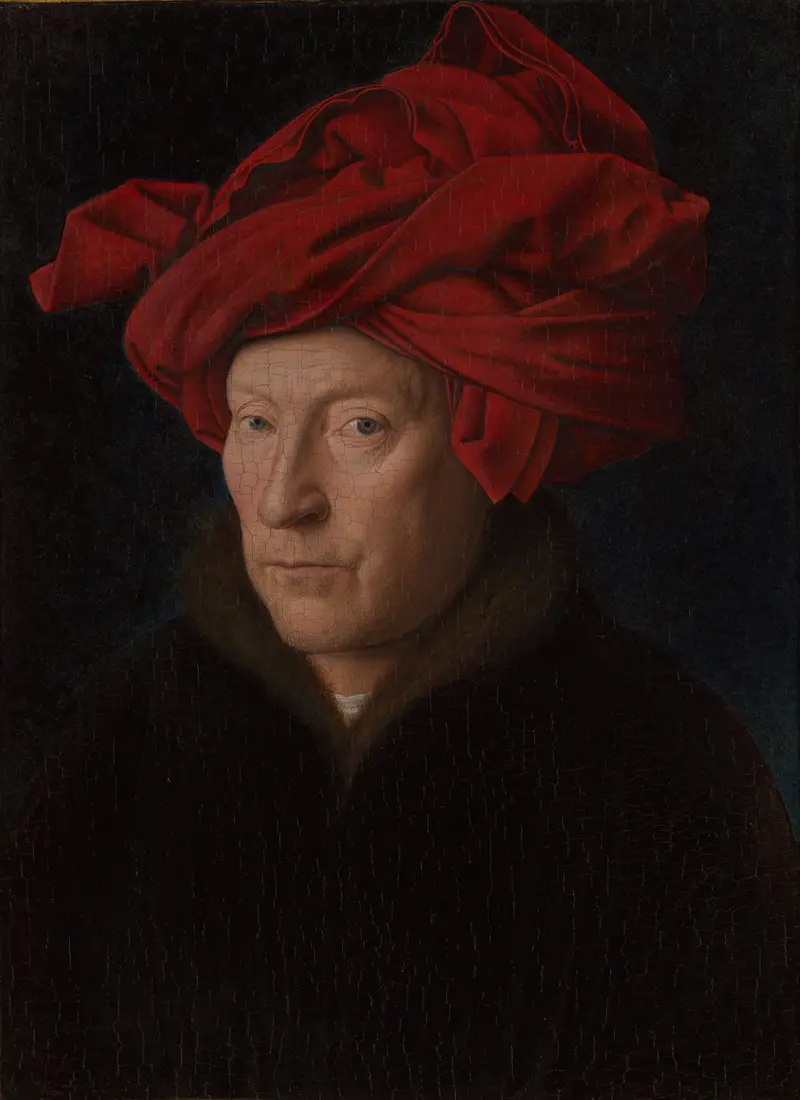
No one knows for certain who sits for Portrait of a Man with Carnation, but the painting has sparked centuries of speculation: some propose it may be a self-portrait by Jan van Eyck himself, while others suggest it could be a betrothal portrait, given the carnation’s traditional association with marriage. The work is also notable for its technical mystery—unlike many of van Eyck’s other paintings, the precise medium remains unconfirmed, though it is likely oil on panel. This ambiguity, paired with the sitter’s enigmatic gaze, has kept scholars debating its origins and intent since at least the nineteenth century. The man, dressed in sober, dark clothing, turns toward the viewer, his right hand delicately holding a red carnation.
In fifteenth-century Flanders, the carnation symbolized both love and fidelity, hinting at the possibility that this portrait commemorates an engagement or a cherished relationship. The sitter’s direct gaze and the subtle play of light across his face and hands draw the viewer into an intimate encounter, while the meticulously rendered textures—flesh, cloth, and flower—demonstrate van Eyck’s legendary attention to detail. Compared to the more elaborate settings of van Eyck’s Arnolfini Portrait, this work’s simplicity focuses all attention on the psychological presence of the sitter and the symbolic bloom. Little is known about the early history of Portrait of a Man with Carnation.
Like many works attributed to Jan van Eyck, it has traveled through various collections, sometimes under different titles or uncertain attributions. Its restrained elegance and technical finesse have helped confirm its place among van Eyck’s late works, likely painted in the 1430s, when he was at the height of his powers in Bruges. Today, the painting stands as a testament to the subtlety and innovation of Early Netherlandish portraiture, inviting viewers to ponder both the identity of the sitter and the intentions of the artist.
More Artworks by Jan van Eyck

Adam
Jan van Eyck
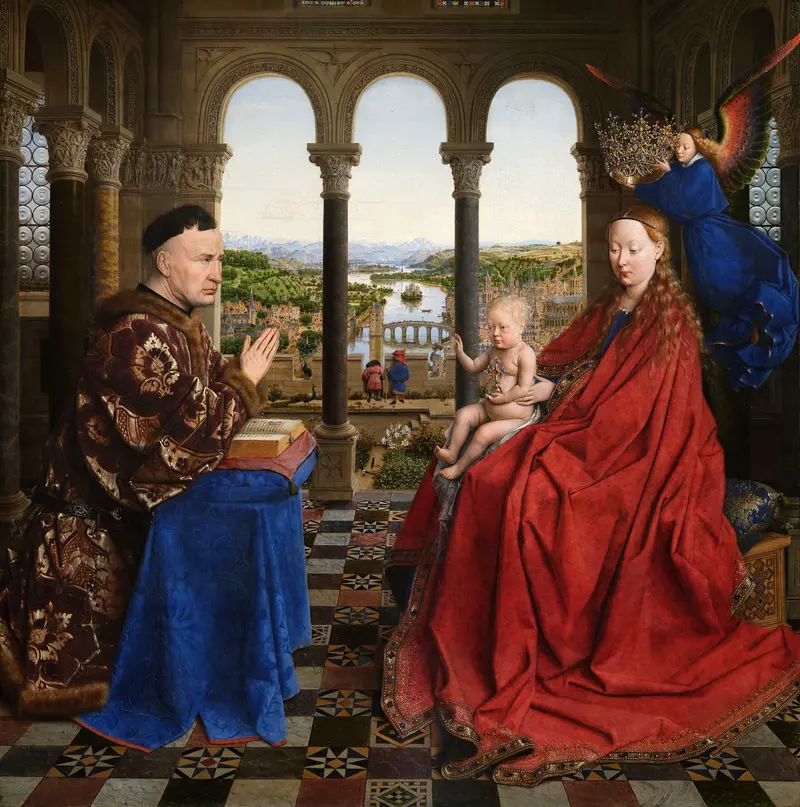
Madonna of Chancellor Rolin
Jan van Eyck
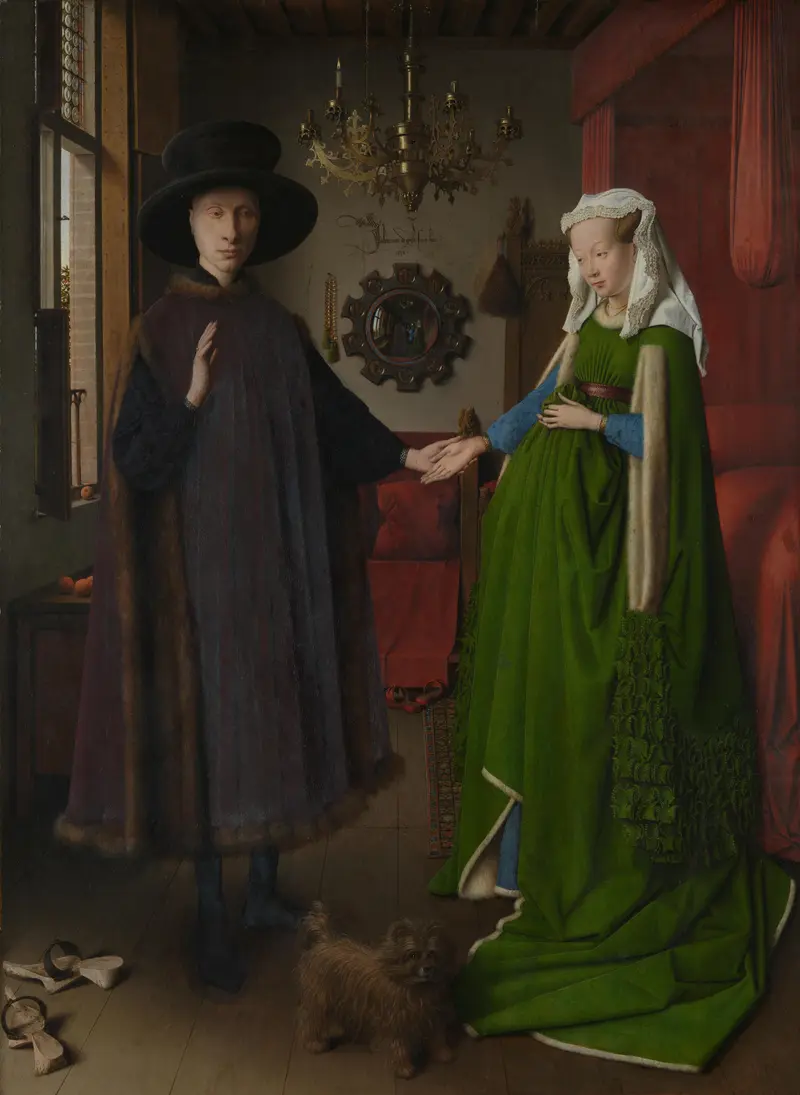
The Arnolfini Portrait
Jan van Eyck
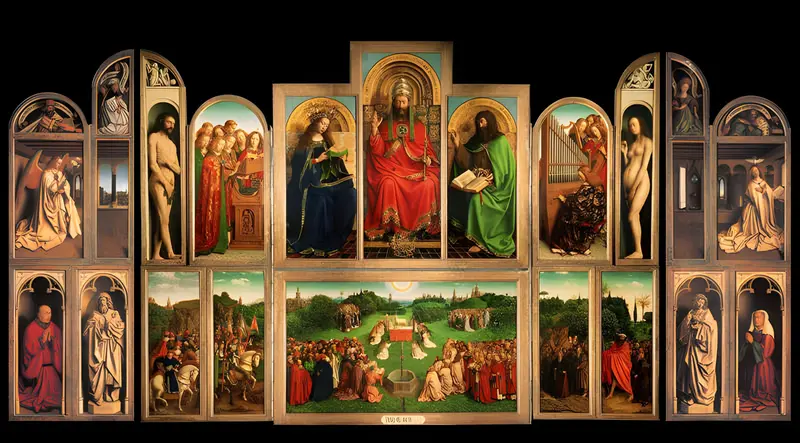
Ghent Altarpiece
Jan van Eyck

Dresden Triptych
Jan van Eyck
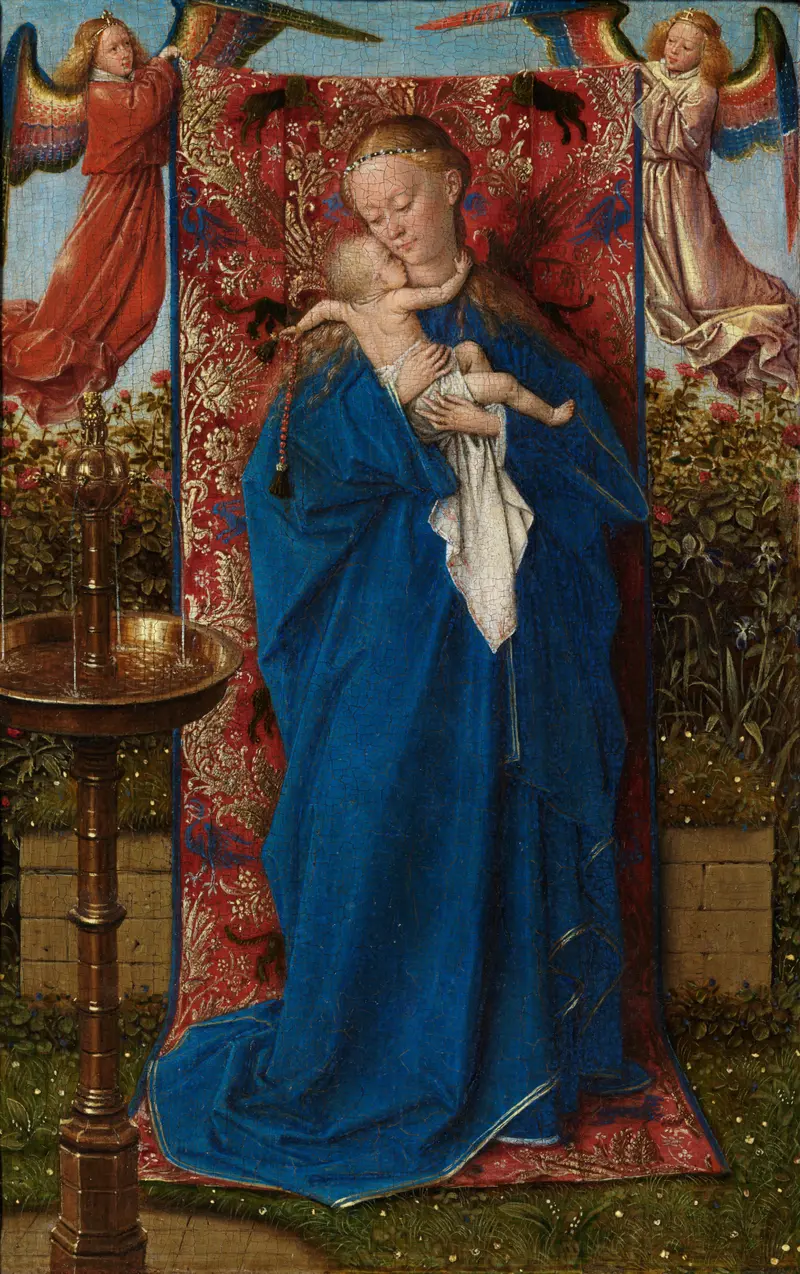
Madonna at the Fountain
Jan van Eyck

Madonna with Canon Joris van der Paele
Jan van Eyck

Prophet Zacharias; Angel of The Annunciation
Jan van Eyck
Portrait of a Man (Self Portrait?)
Jan van Eyck
Adoration of the Lamb from the Ghent Altarpiece
Jan van Eyck





