
Portrait of a Musician — History & Facts
No one knows for certain who the musician in Portrait of a Musician by Filippino Lippi truly was, and this mystery has fascinated scholars for centuries. Unlike many Renaissance portraits, which clearly identify their sitters or were made for powerful patrons, this painting keeps its subject’s identity shrouded in silence. Some speculate the sitter could be a celebrated performer from the Medici court, while others suggest a self-portrait or even an idealized figure representing the art of music itself.
The lack of documentation has led to lively debate, and the painting’s enigmatic air has only added to its allure among art historians. The young man in the painting gazes out with a quiet intensity, his fingers gently resting on the strings of a lute or lyre—an instrument often associated with harmony and poetic inspiration during the Renaissance. His clothing, elegant but not ostentatious, hints at a sitter of refined taste but not necessarily noble birth. The light falls softly across his face, illuminating his thoughtful expression and drawing attention to the delicate rendering of his hands—tools of his craft.
Unlike Leonardo da Vinci’s more famous Portrait of a Musician, where the sitter clutches a sheet of music, Lippi chooses to focus on the moment before performance, capturing anticipation and introspection rather than action. The muted background ensures that nothing distracts from the psychological presence of the sitter. The physical history of Portrait of a Musician is as elusive as its subject. No records survive of its original commission, and the painting’s early provenance remains unclear, though stylistic analysis places it firmly within the late 15th-century Florentine tradition.
Over time, the work has been variously attributed to Filippino Lippi and, at times, even to his father, Fra Filippo Lippi, reflecting the close stylistic ties within the Lippi workshop. Today, the painting is recognized as a significant example of Renaissance portraiture, notable for its psychological depth and technical finesse, and it continues to be studied as a window into both the world of music and the subtleties of Florentine art.
More Artworks by Filippino Lippi

Portrait of a Youth
Filippino Lippi
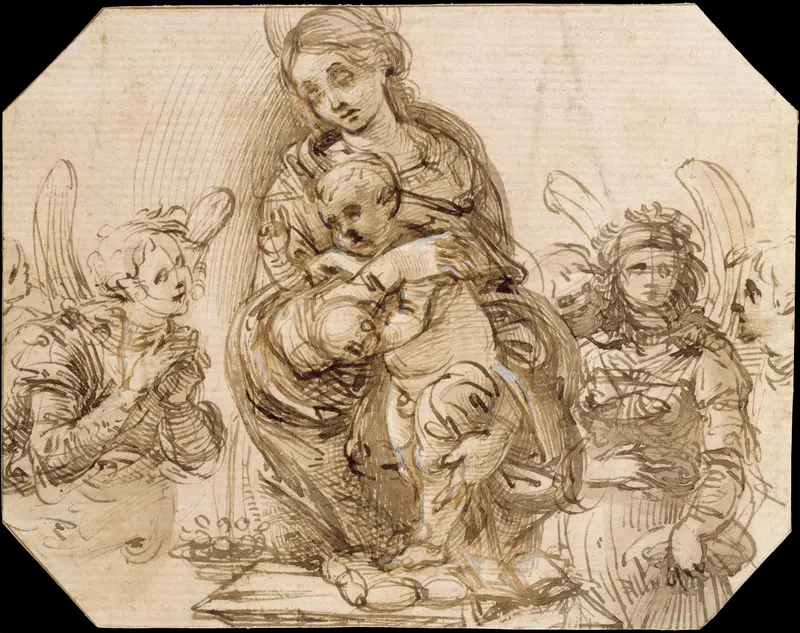
Virgin and Child Attended by Angels
Filippino Lippi

Christ on the Cross
Filippino Lippi
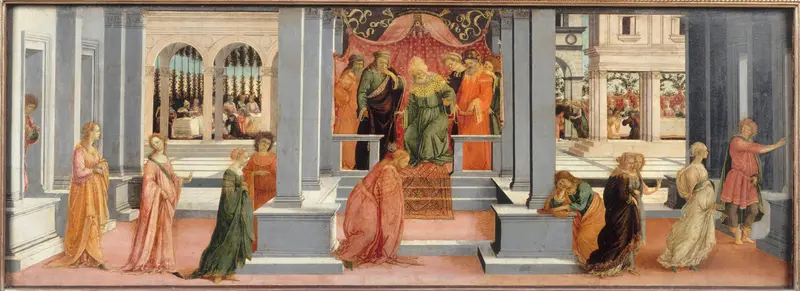
Esther choisie par Assuérus
Filippino Lippi
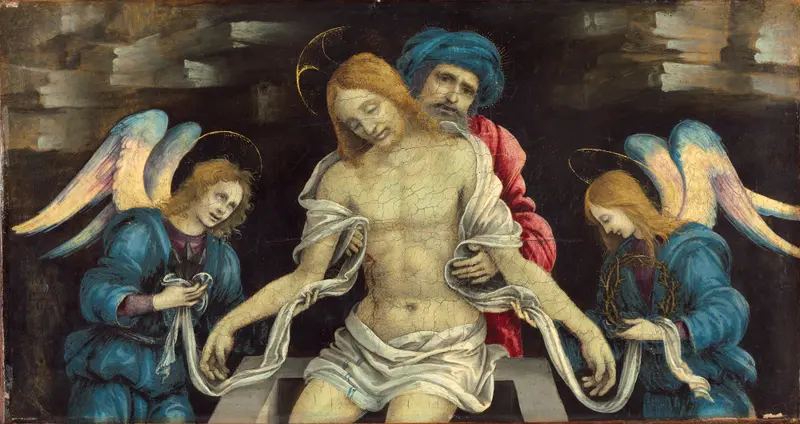
Pietà (The Dead Christ Mourned by Nicodemus and Two Angels)
Filippino Lippi
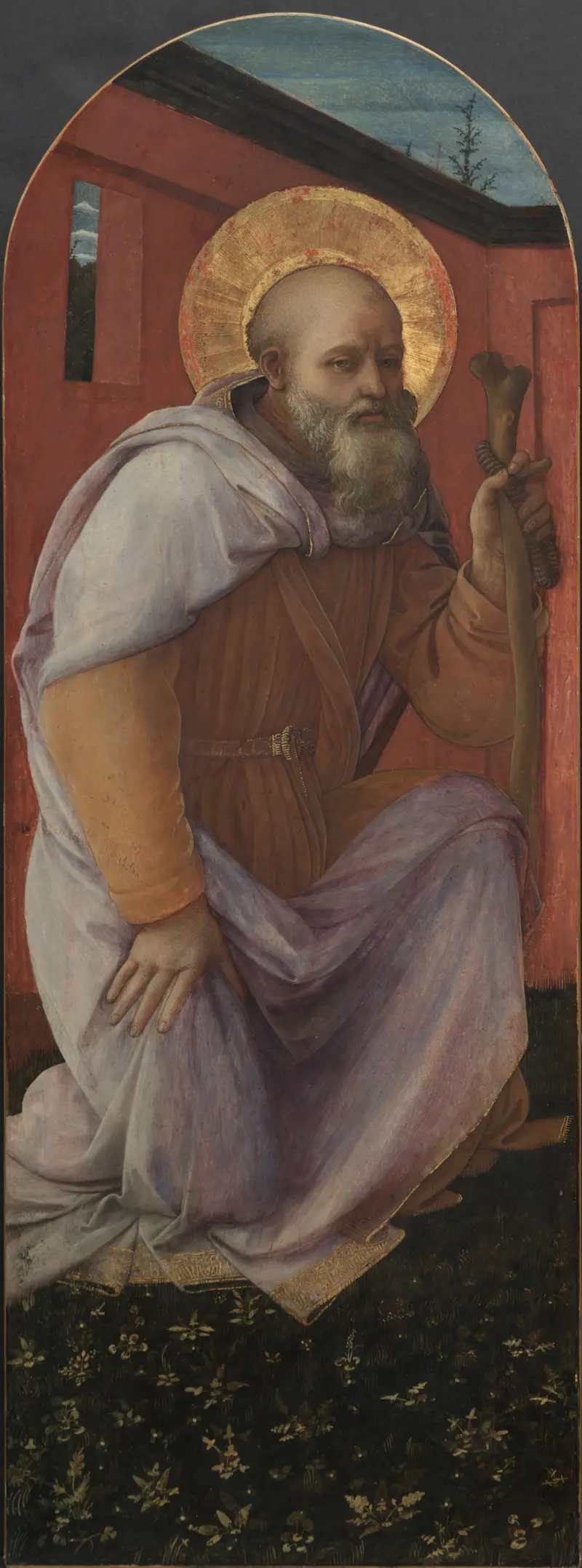
St. Anthony Abbot
Filippino Lippi
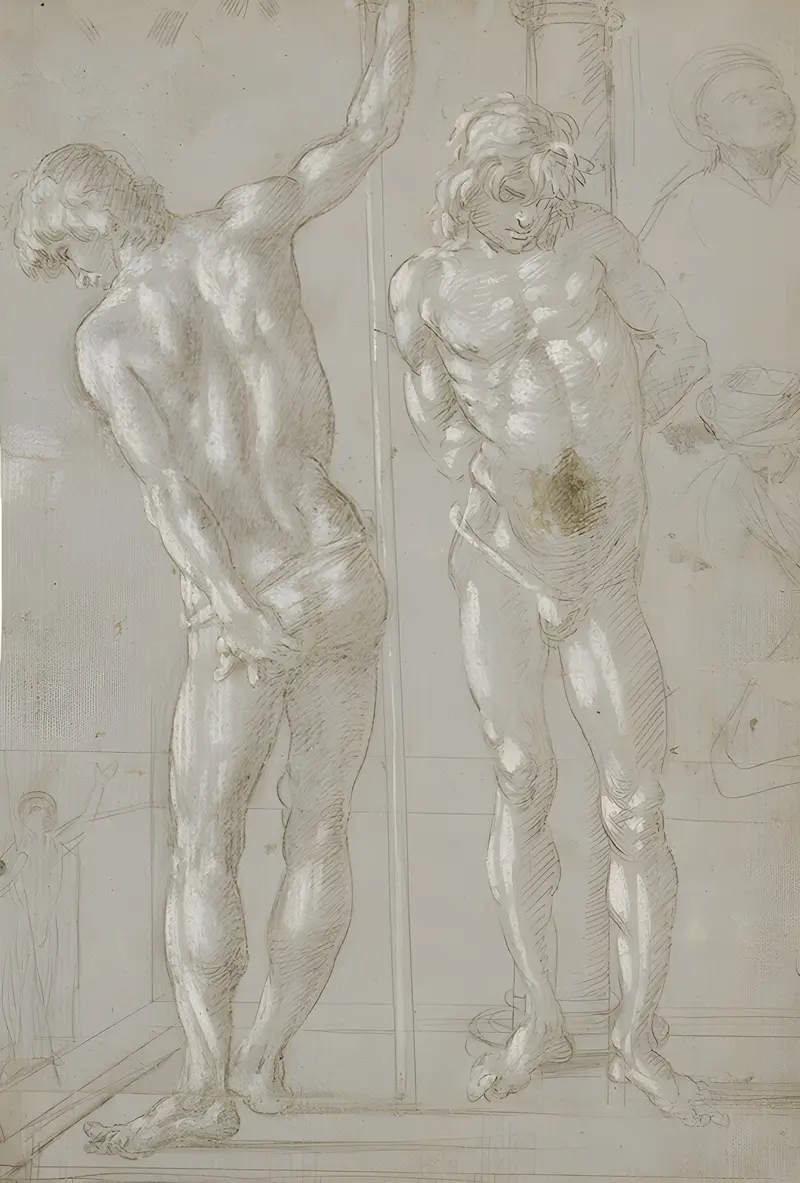
Studies of Christ at the Column, a Nude from Behind, and Various Figures
Filippino Lippi
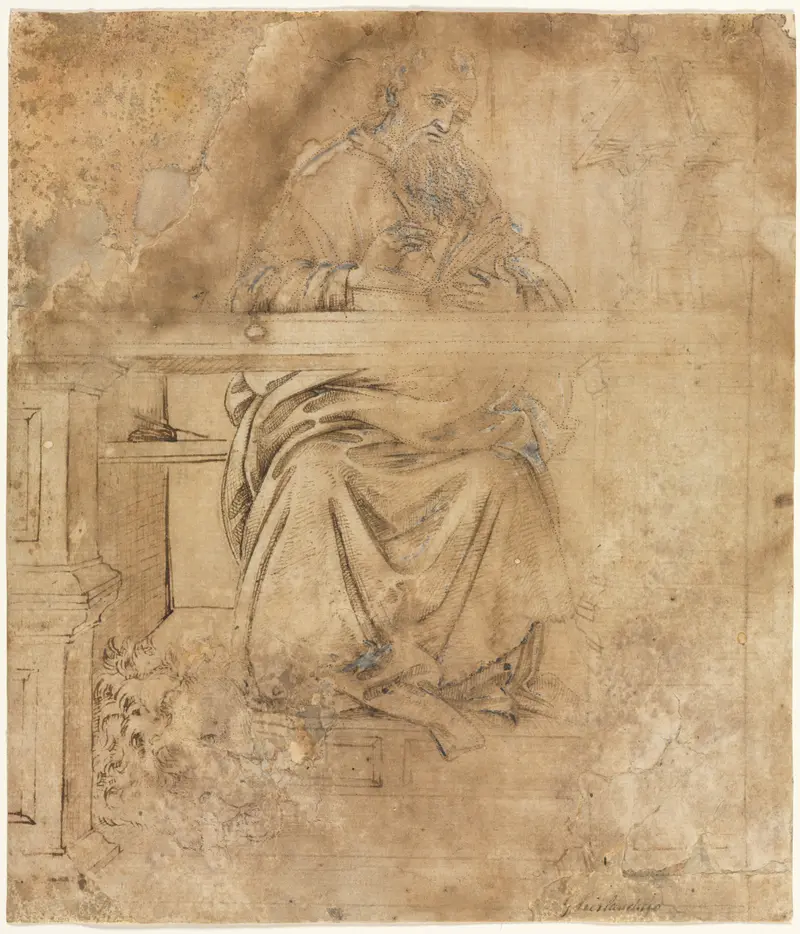
St. Jerome in His Study
Filippino Lippi
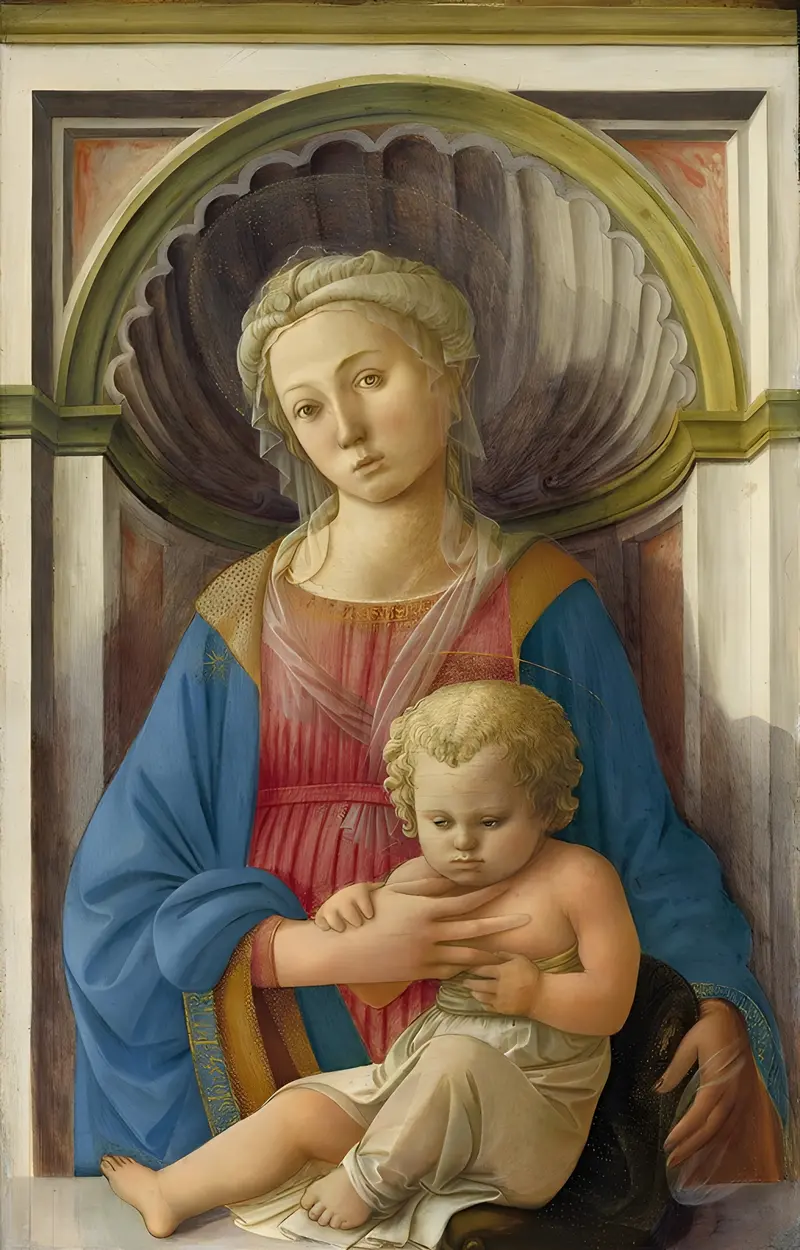
Madonna and Child
Filippino Lippi
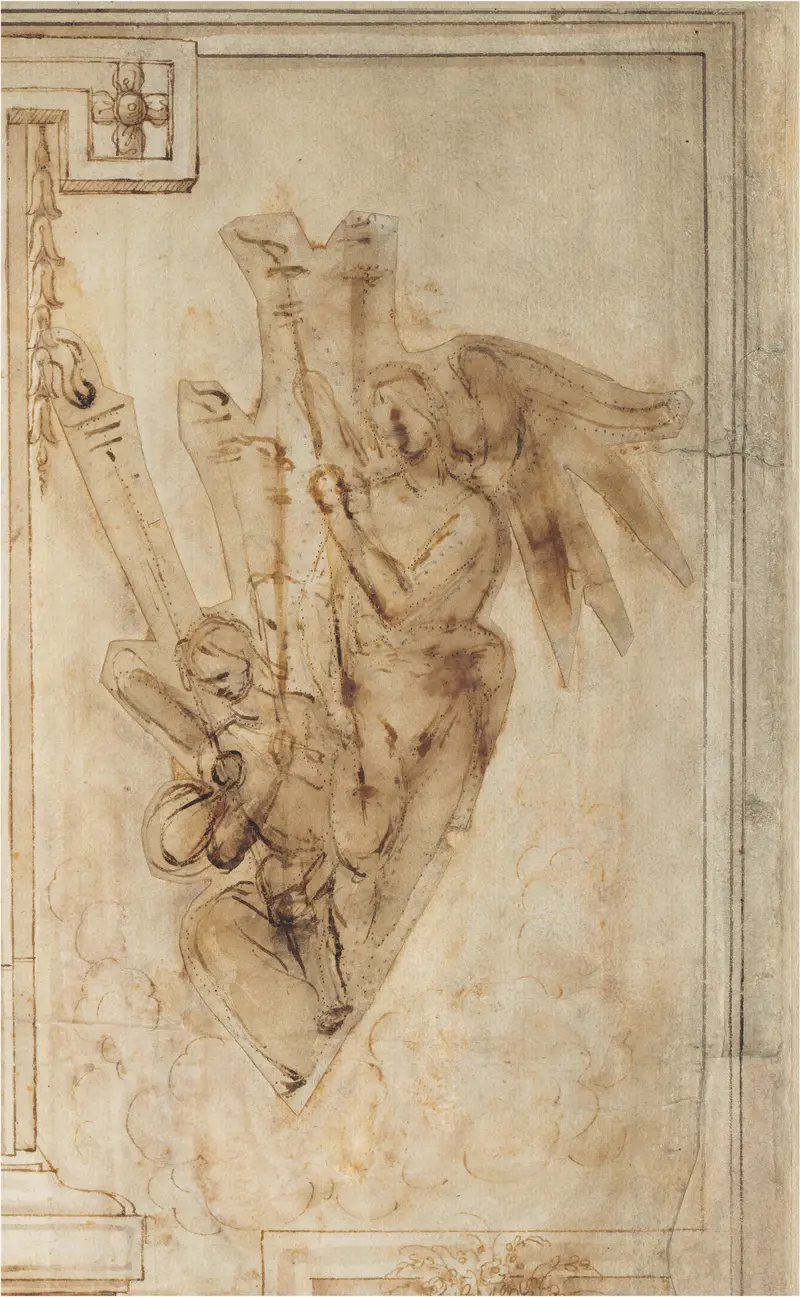
Two Angels Carrying Torches
Filippino Lippi





