
Portrait of a nun — History & Facts
No other work by Artemisia Gentileschi has sparked as much debate over its subject as Portrait of a nun. For centuries, scholars have puzzled over the sitter’s identity: is she a real religious figure, a member of Artemisia’s own family, or simply an imagined devotee? The painting’s lack of inscription or heraldic device has left the question open, and some have even wondered if the work was ever intended as a portrait at all, or rather as a meditation on female piety. This uncertainty has only fueled interest, making it a touchstone for discussions of women’s roles in early seventeenth-century art and society. The nun sits in three-quarter view, her gaze steady and direct, hands folded over a small book—perhaps a breviary or prayer manual.
The light falls across her wimple and habit, picking out the crisp folds of linen and the soft curve of her cheek, while the background recedes into warm shadow. There is no overt narrative, yet her expression—calm, alert, and slightly weary—suggests a life of both discipline and inner resolve. Unlike the more theatrical religious portraits of Caravaggio, Artemisia here chooses restraint: no dramatic gestures, no intrusive symbols, only the quiet authority of the sitter’s presence.
The effect is intimate and respectful, inviting the viewer to imagine the woman’s story. Little is known about the commission or early history of Portrait of a nun. It likely dates from Artemisia Gentileschi’s years in Naples, a period when she was sought after for both religious and secular works. The absence of a patron’s name or documented provenance has made the painting’s journey difficult to trace, and its medium remains uncertain due to later overpainting and restoration.
Today, it stands as a rare example of a female artist’s engagement with the theme of female sanctity in the Baroque era, and continues to draw attention for its psychological depth and the mysteries it keeps.
More Artworks by Artemisia Gentileschi

Judith Beheading Holofernes
Artemisia Gentileschi
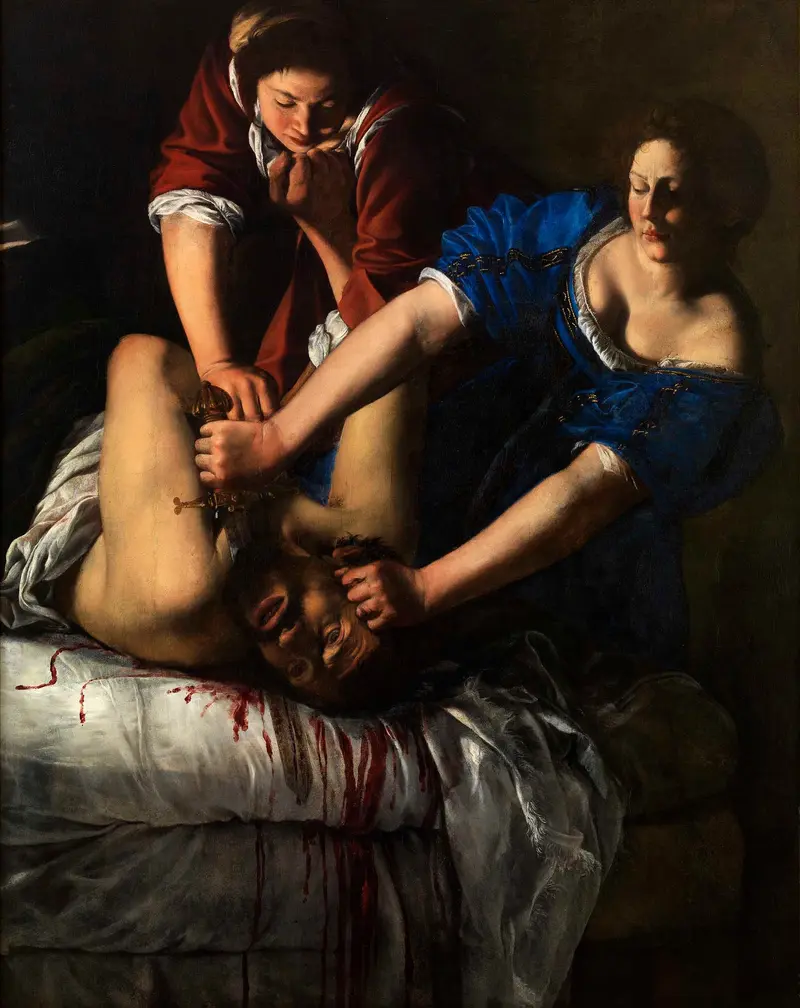
Judith Slaying Holofernes
Artemisia Gentileschi
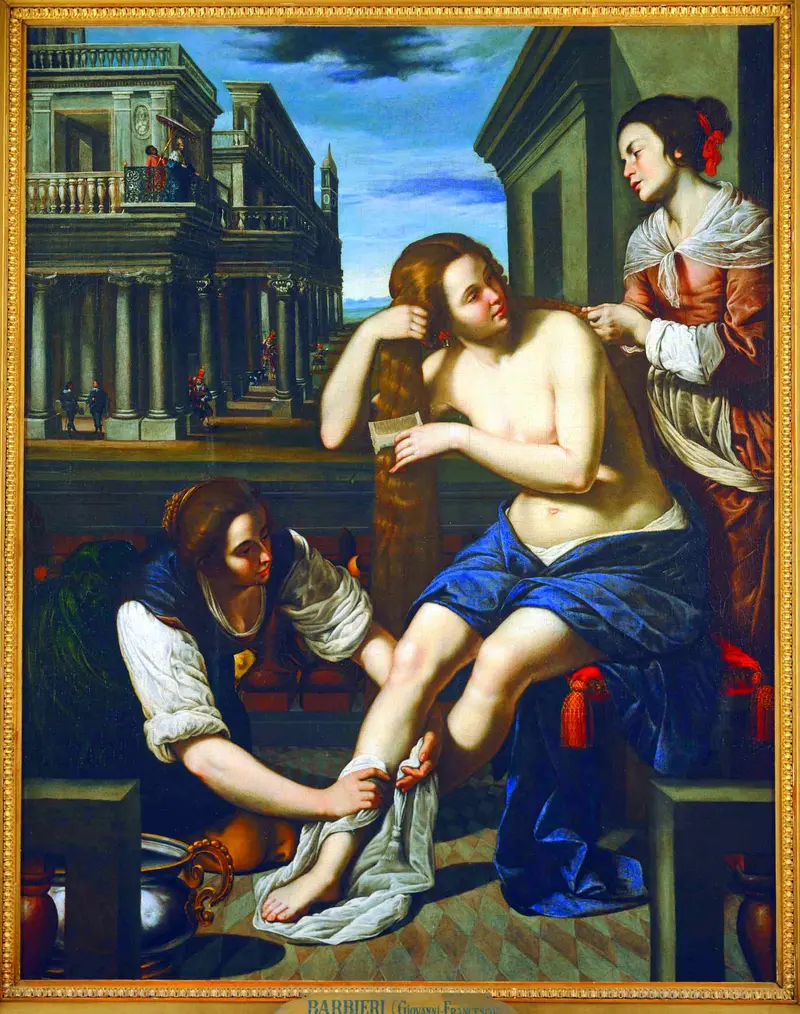
Bathsheba at Her Bath
Artemisia Gentileschi
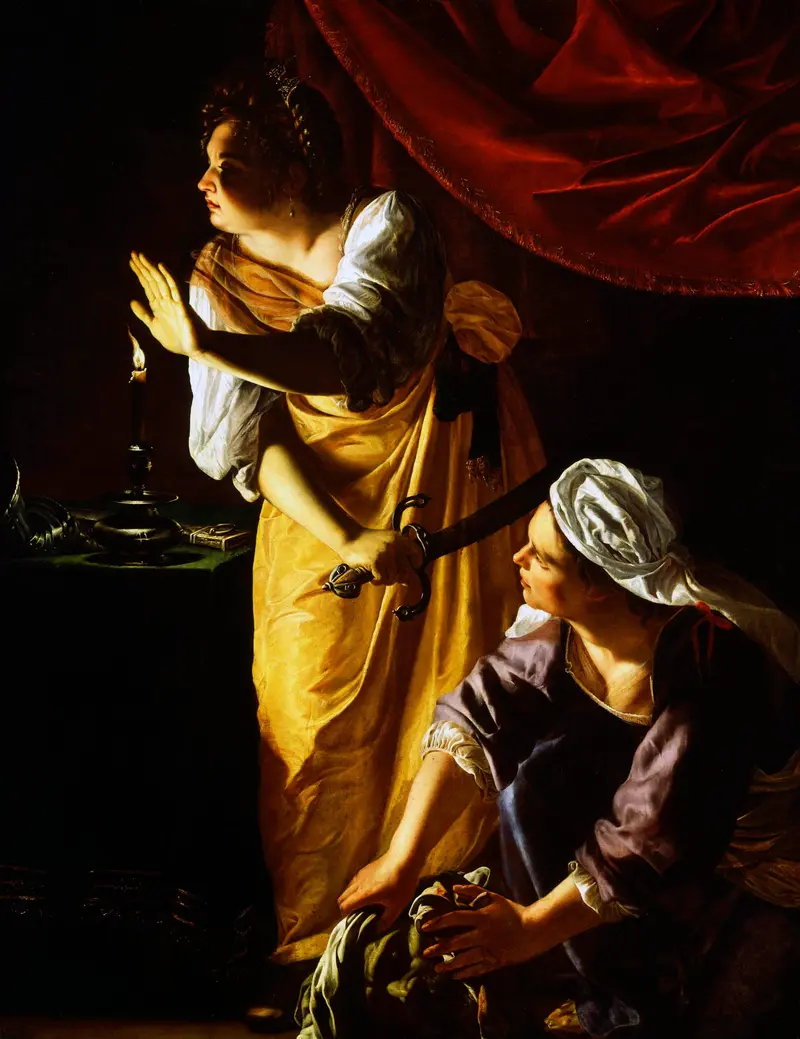
Judith and Maidservant with Head of Holofernes
Artemisia Gentileschi
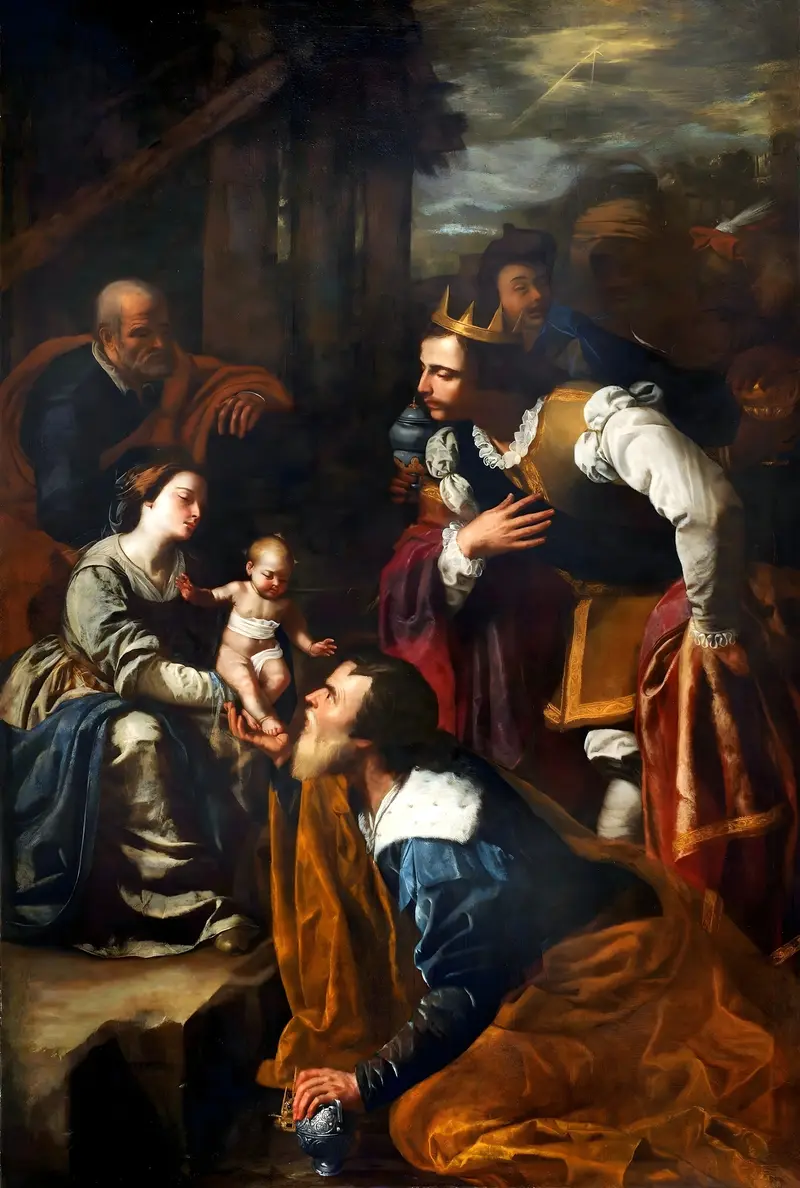
Adoration of the Magi
Artemisia Gentileschi
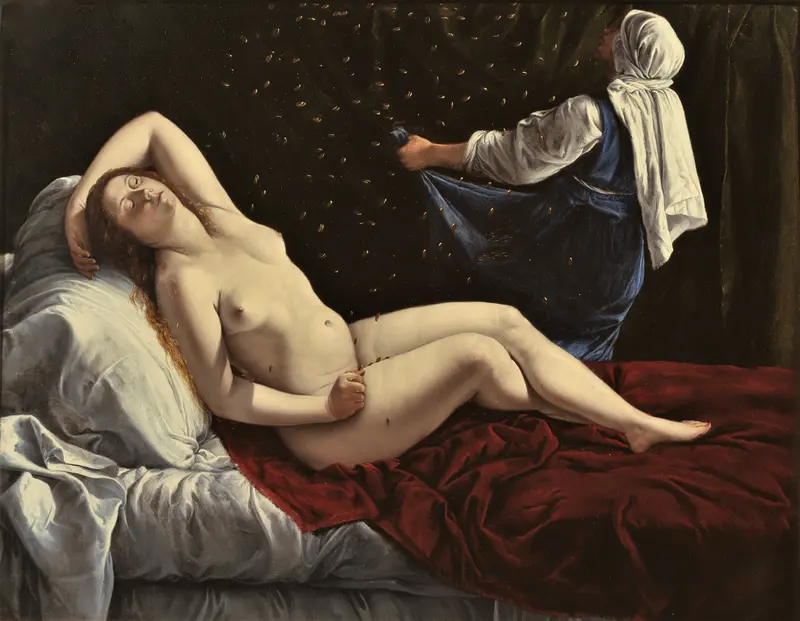
Danaë
Artemisia Gentileschi
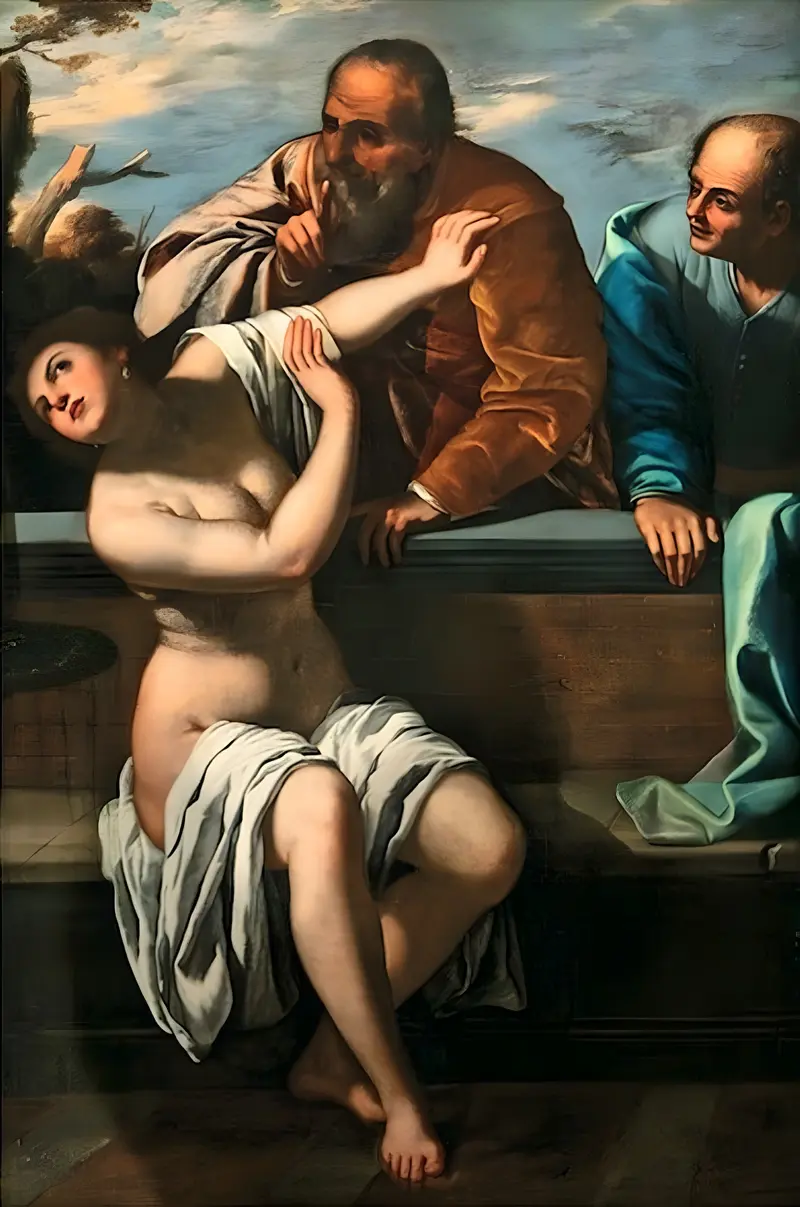
Susannah and the Elders
Artemisia Gentileschi

Judith and her Servant with the Head of Holofernes
Artemisia Gentileschi
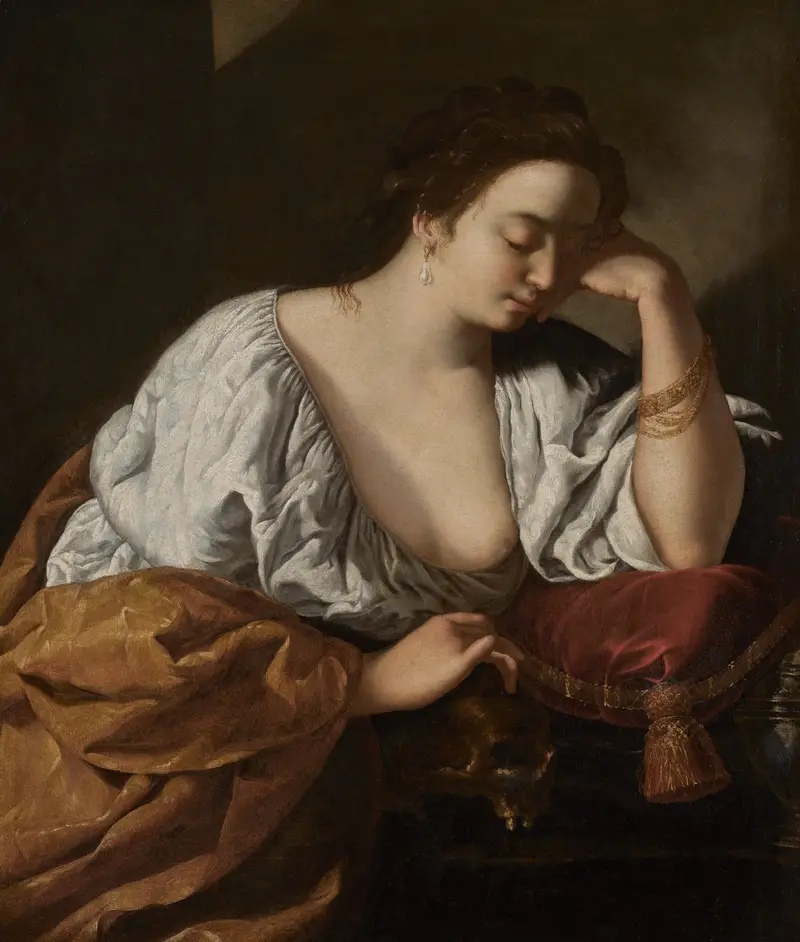
Madeleine pénitente, par
Artemisia Gentileschi
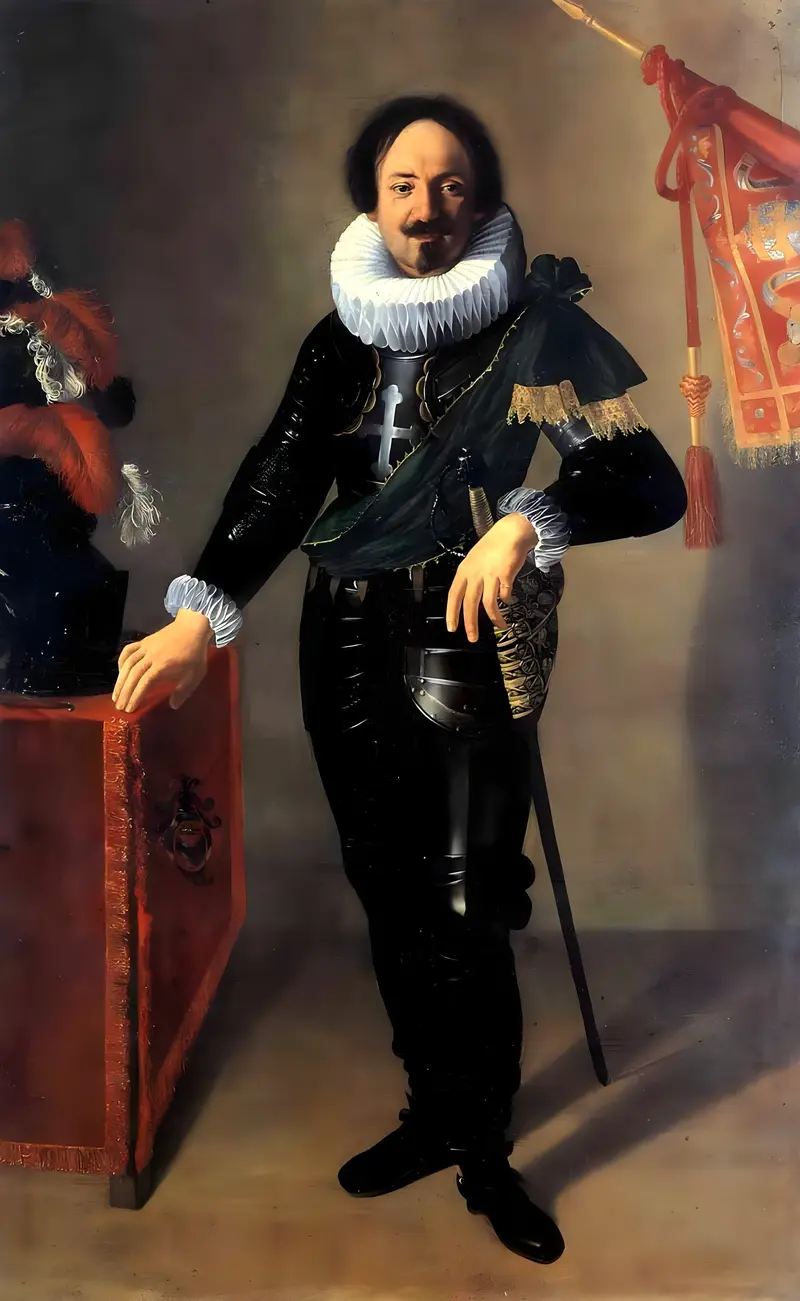
Portrait of a Gonfaloniere
Artemisia Gentileschi





