
portrait of a woman with enlarged ruff and cut down from original size — History & Facts
No one knows the name of the woman who sat for portrait of a woman with enlarged ruff and cut down from original size, but the painting itself has been physically altered: at some point after Frans Hals completed it in 1640, the canvas was trimmed, reducing its original dimensions. Such cropping was not uncommon in the centuries after a portrait was painted, often to fit changing tastes or new frames, but it leaves us with a mystery—what did the lost edges reveal about her world, her status, or her surroundings? The painting’s title, a modern description rather than a name, hints at this uncertainty, foregrounding the ruff, a fashion statement as much as a social marker. The woman sits, turned slightly, her gaze meeting the viewer with quiet confidence. The ruff encircling her neck is immense, its crisp whiteness standing out against the dark fabric of her gown, a hallmark of Dutch fashion among the wealthy in the mid-17th century.
Hals captures the texture of lace and linen with his famously lively brushwork, while the sitter’s hands—one perhaps resting on a chair, the other holding a delicate object now partly lost to the cropping—suggest composure and refinement. Compared to the more restrained, polished portraits of Rembrandt from the same period, Hals’s approach is looser, more immediate, giving the impression of a fleeting moment rather than a static pose. Every detail, from the glint of a ring to the soft modeling of her face, speaks to her status and the painter’s skill at rendering character. The painting’s journey from the studio of Frans Hals to its current collection is not fully documented, and the identity of the original patron remains unknown.
Like many works by Hals, it likely hung in a private home before entering the art market, where changing fashions may have prompted its reduction in size. The uncertainty surrounding its medium—whether oil on canvas or panel—reflects gaps in its recorded history, as does the absence of a clear provenance until modern times. Today, it stands as a testament to Hals’s ability to capture both the individuality of his sitters and the fleeting fashions of his era, even as the painting itself bears the marks of centuries of change.
More Artworks by Frans Hals

Banquet of the Officers of the St George Civic Guard
Frans Hals

Portrait of Jacob Pietersz Olycan (1596-1638)
Frans Hals
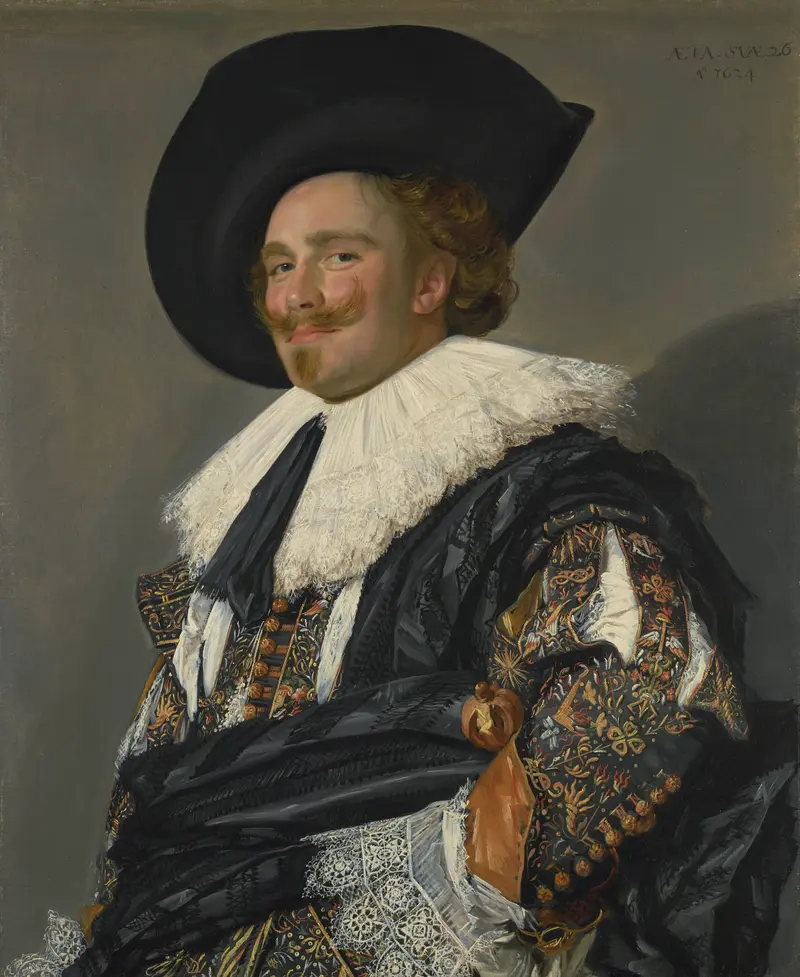
Laughing Cavalier
Frans Hals

Militia Company of District XI under the Command of Captain Reynier Reael, Known as ‘The Meagre Company’
Frans Hals
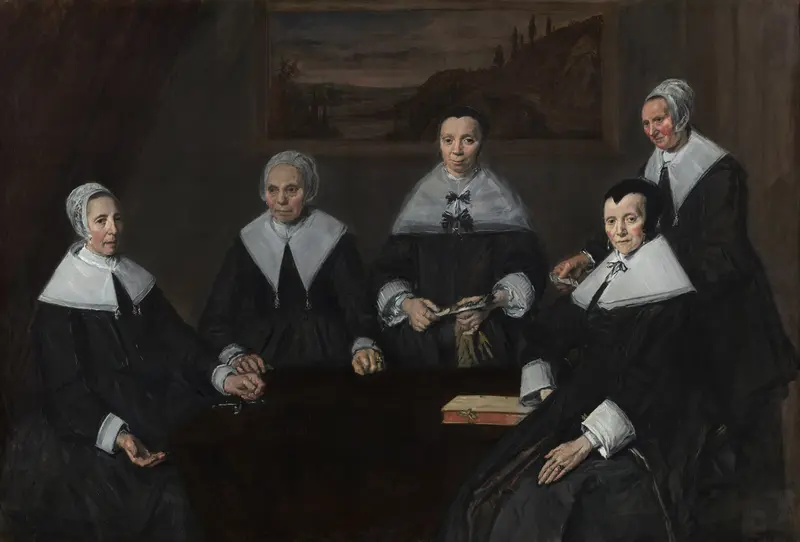
Regentesses of the Old Men's Alms House
Frans Hals
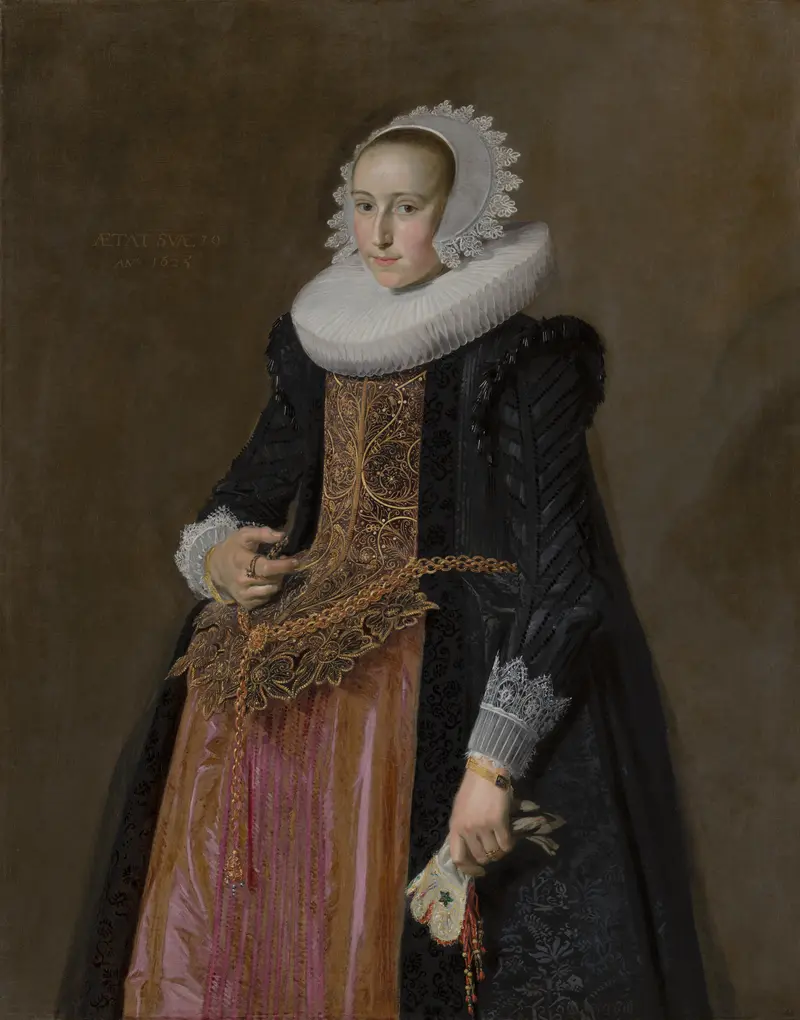
Portrait of Aletta Hanemans (1606–1653)
Frans Hals
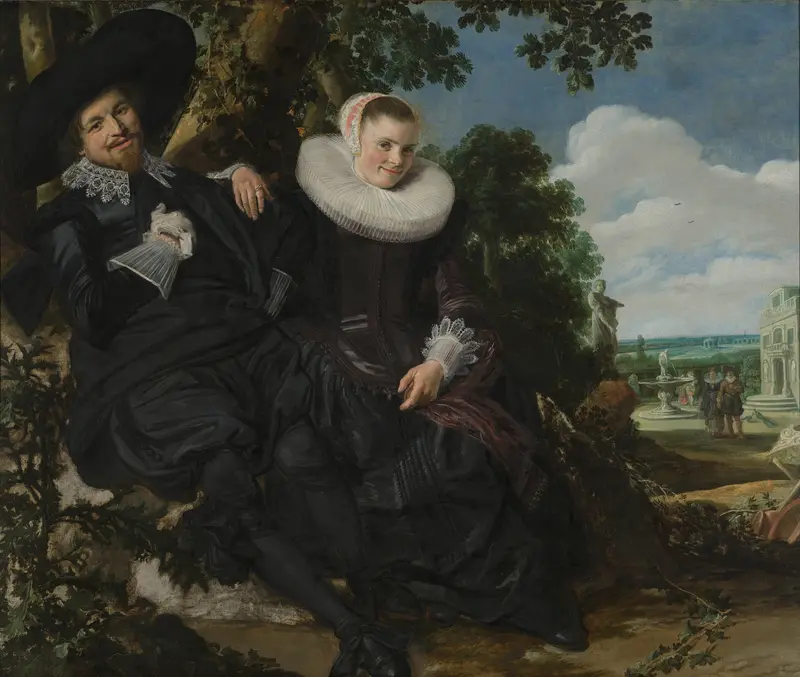
Portrait of a Married Couple, Likely Isaac Abrahamsz Massa and Beatrix van der Laen
Frans Hals
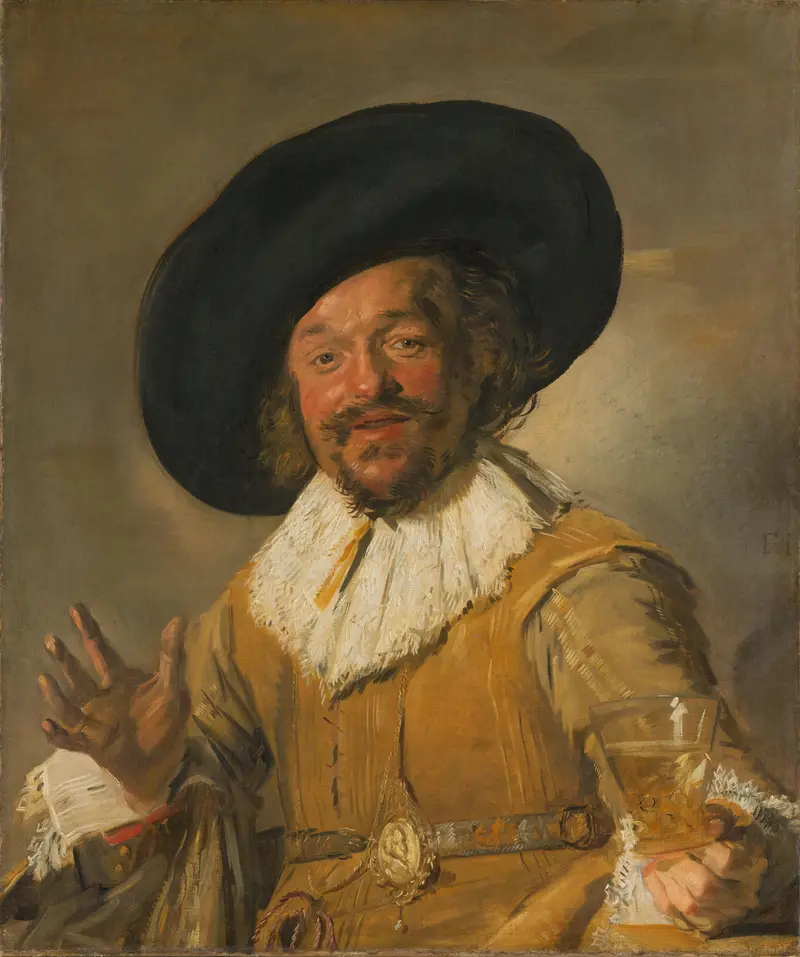
The Merry Drinker
Frans Hals
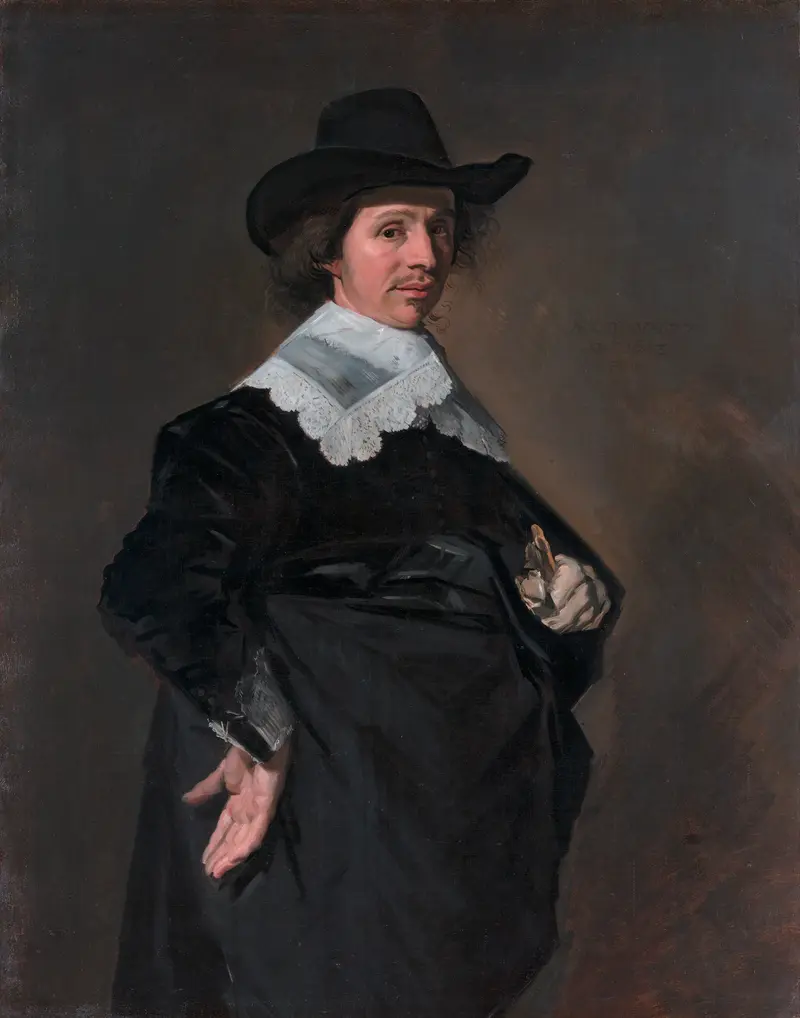
Portrait of Paulus Verschuur
Frans Hals
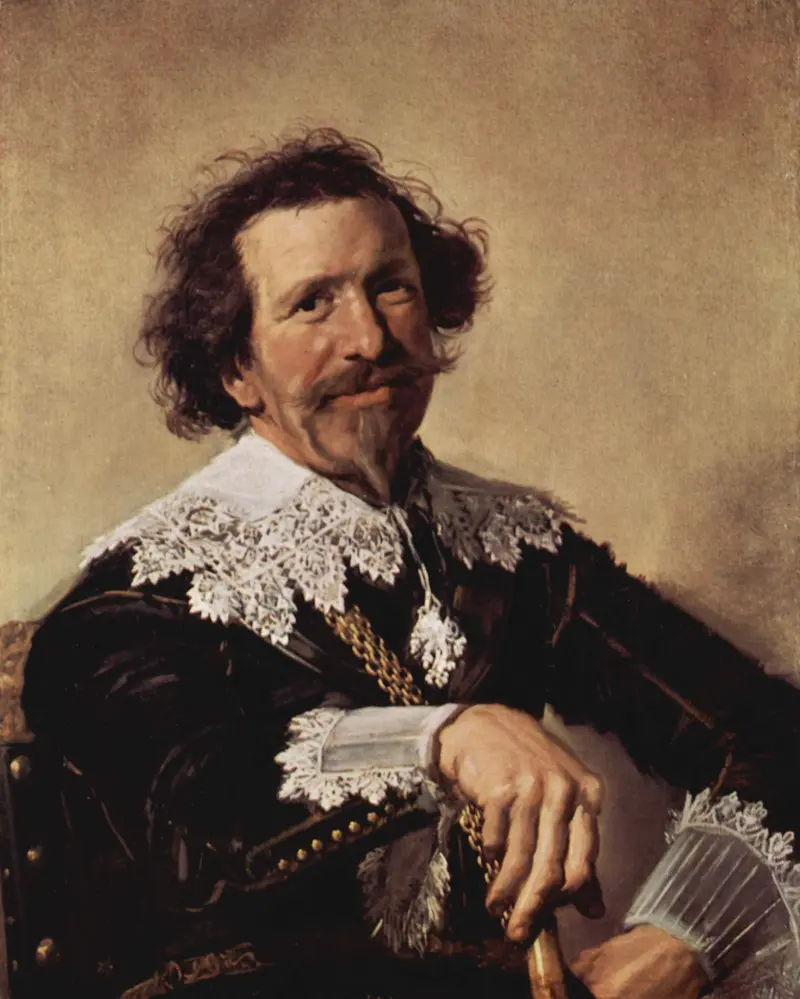
Portrait of Pieter van den Broecke
Frans Hals





