
Portrait of an Italian Lady — History & Facts
In 1879, Mary Cassatt was still a relative newcomer among the Impressionists, yet her Portrait of an Italian Lady stands as one of her earliest and most enigmatic forays into formal portraiture. Unlike her celebrated depictions of mothers and children, this work features a sitter whose identity remains uncertain—a fact that has sparked debate among scholars for decades. Some have speculated that the woman was a member of the expatriate community in Paris, while others suggest she may have been a professional model.
What is certain is that Cassatt painted this portrait during a period of intense artistic exchange, just after she began exhibiting with the Impressionists and was absorbing the radical new approaches to light and color that defined the movement. The painting captures a moment of poised introspection: the Italian lady sits upright, her gaze steady yet reserved, hands folded in her lap. Cassatt’s brushwork, loose yet precise, brings out the rich textures of the woman’s dark dress and the subtle play of light across her face. The background is rendered in soft, muted tones, focusing all attention on the sitter’s dignified presence.
The absence of overt symbols—no jewelry, no elaborate setting—shifts the meaning to the woman’s expression and bearing, suggesting inner strength and individuality. Compared to Edgar Degas’s portraits from the same era, Cassatt’s approach is more direct, her empathy for the sitter shining through in the unguarded realism of the pose. The early history of Portrait of an Italian Lady is not well documented, which is typical for many of Cassatt’s works from this period. It is likely that the painting remained in the artist’s possession or with her family for some years, as Cassatt was known to be selective about selling her portraits.
Over time, the work has been exhibited in various retrospectives and is now held in a private collection, occasionally loaned for major exhibitions. Within Cassatt’s career, this portrait marks a turning point: it demonstrates her growing confidence as a portraitist and her commitment to representing women with honesty and subtlety, setting the stage for the celebrated works that would follow.
More Artworks by Mary Cassatt

The Child's Bath
Mary Cassatt
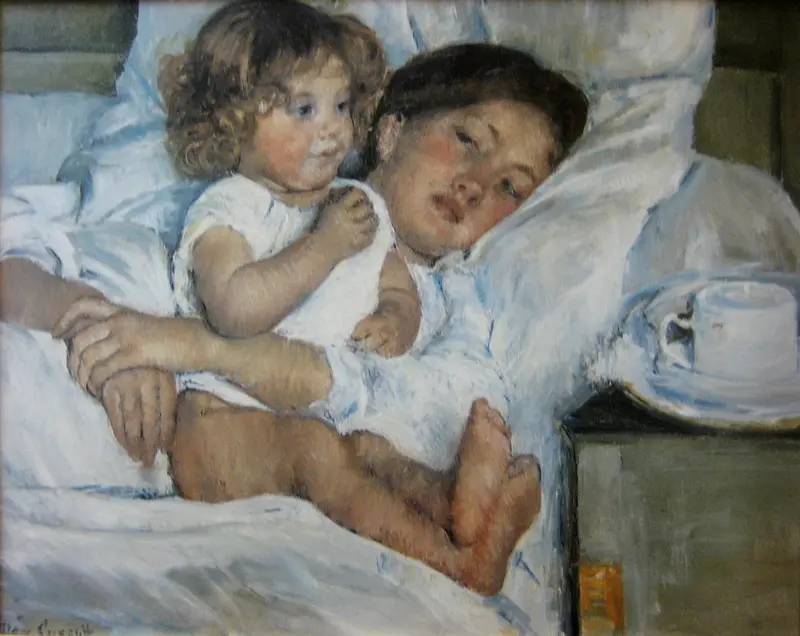
Breakfast in Bed
Mary Cassatt

Mother and Child (Baby Getting Up from His Nap)
Mary Cassatt
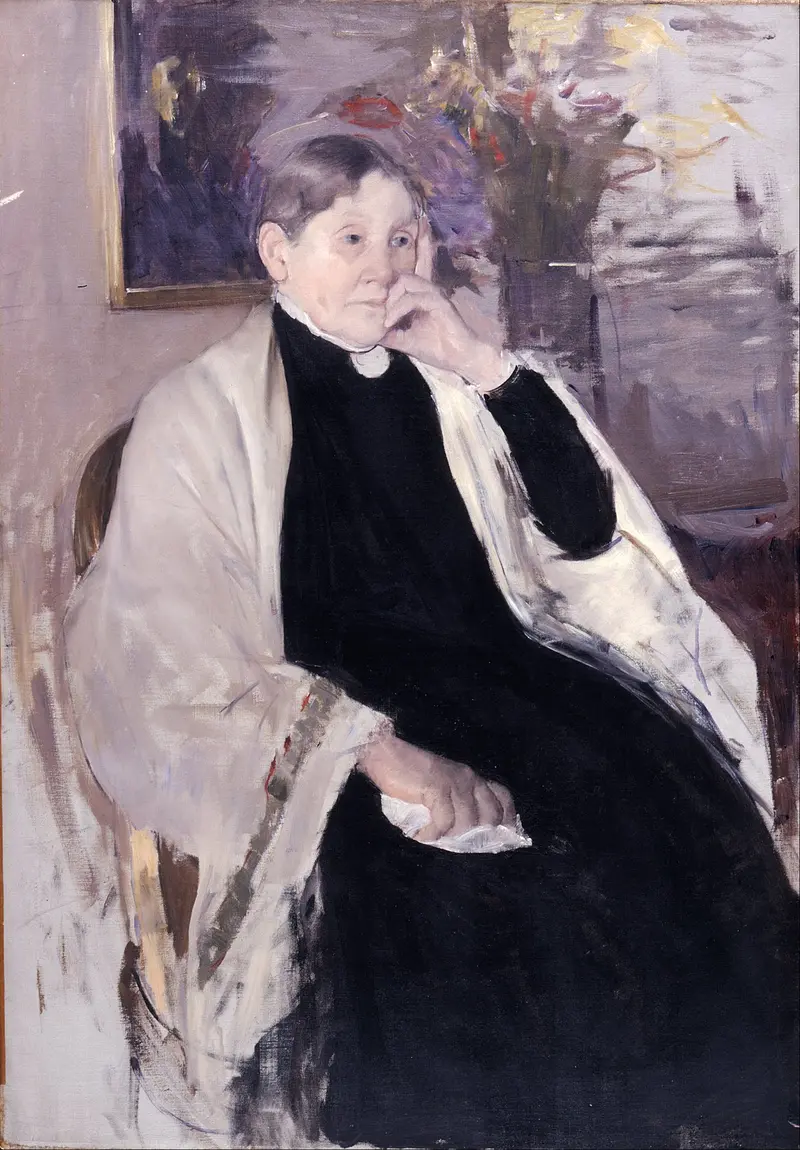
Mrs. Robert S. Cassatt, the Artist's Mother
Mary Cassatt
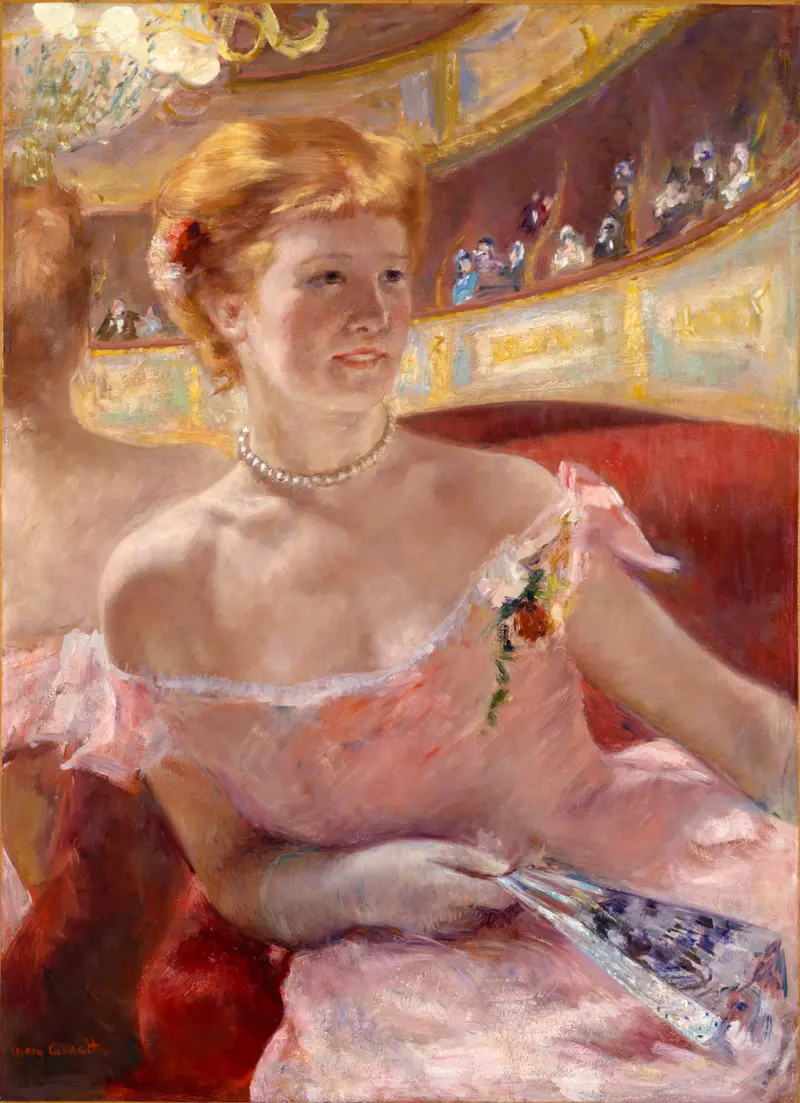
Woman with a Pearl Necklace in a Loge
Mary Cassatt
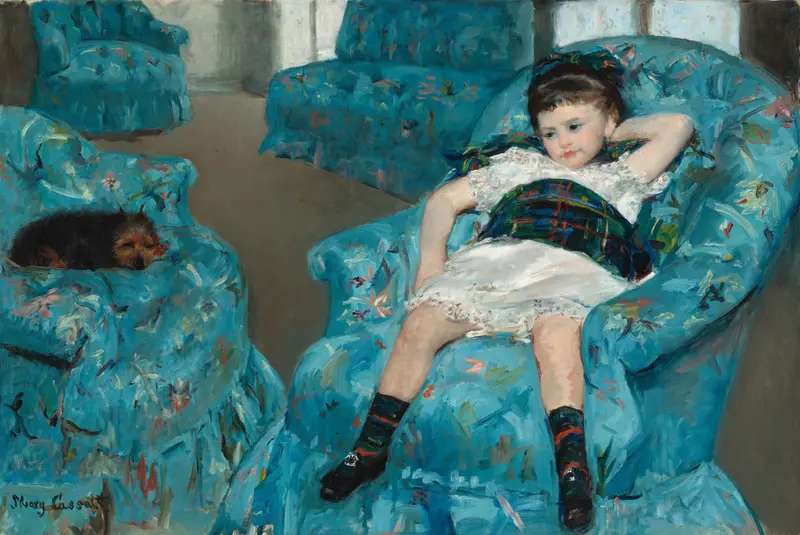
Little Girl in a Blue Armchair
Mary Cassatt
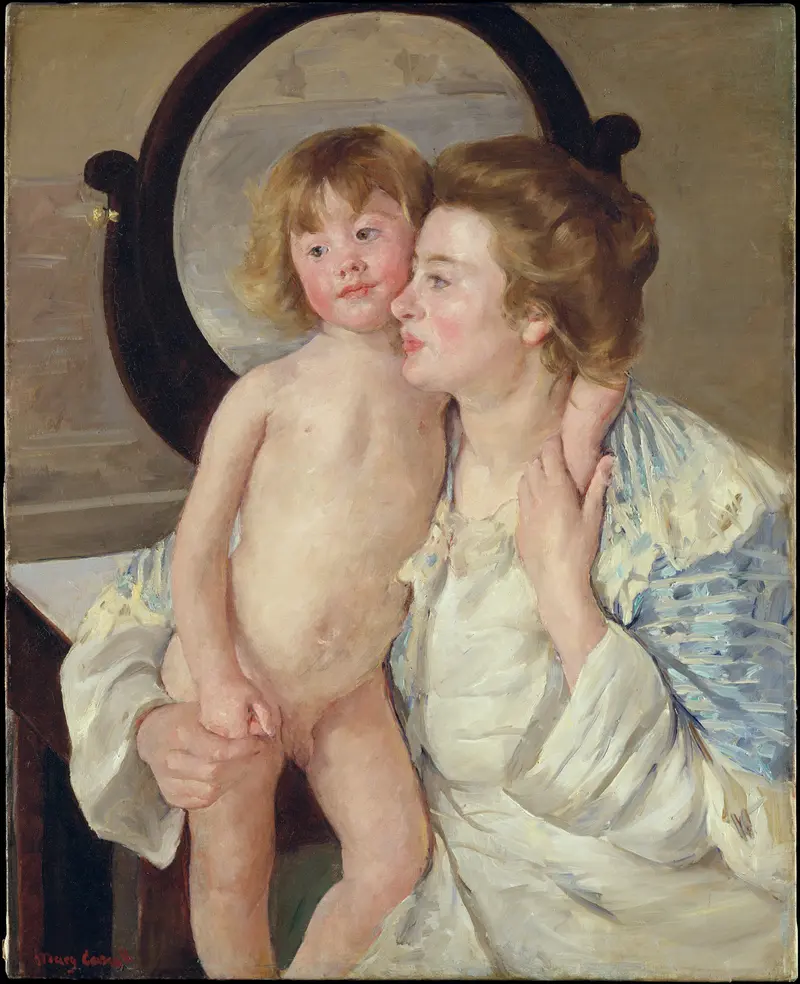
Mother and Child (The Oval Mirror)
Mary Cassatt
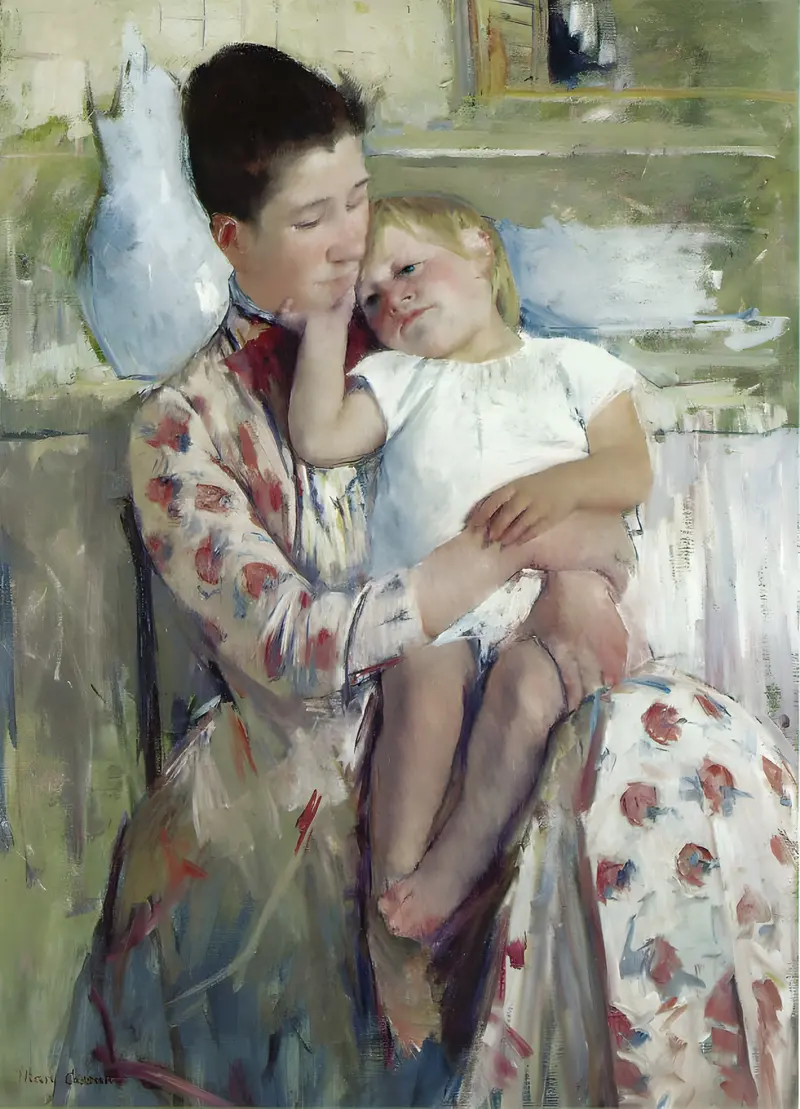
Mother and Child
Mary Cassatt
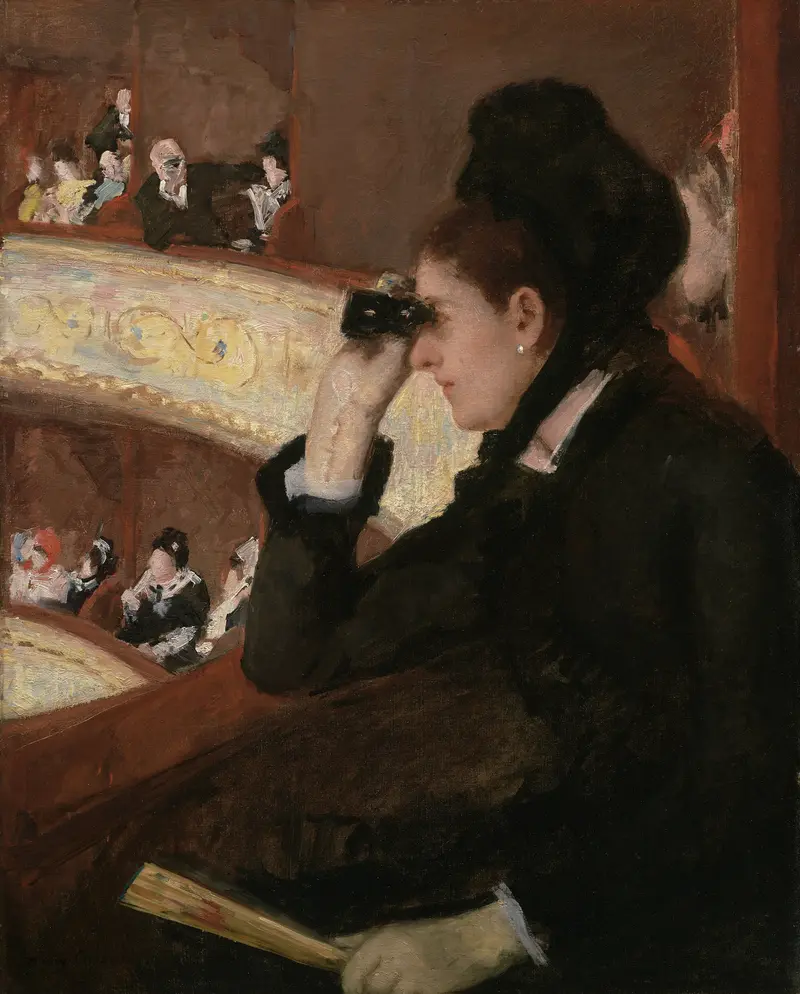
In The Loge
Mary Cassatt
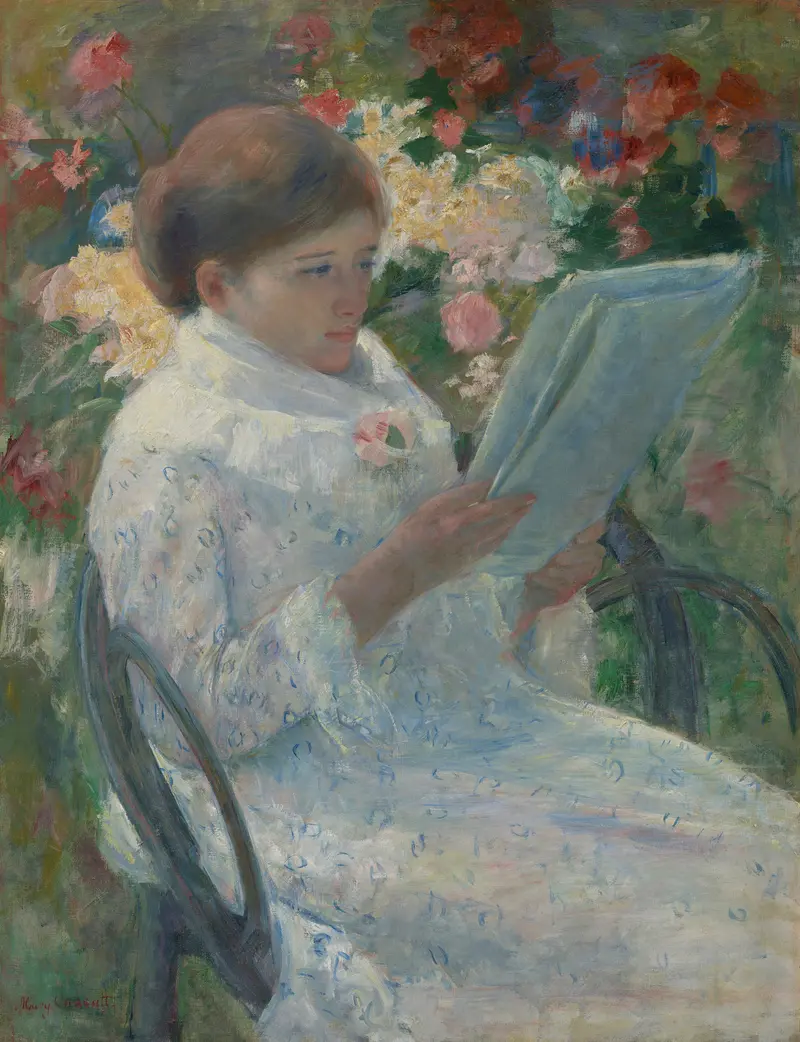
On a Balcony
Mary Cassatt





