
Portrait of Anne Dix Heineker — History & Facts
No record survives of when or why Sir Henry Raeburn painted Portrait of Anne Dix Heineker, and this very absence has made the work a subject of curiosity among scholars. Unlike many of his celebrated portraits of Scottish society, this painting's sitter—Anne Dix Heineker—remains almost entirely undocumented, her name known only from a later inscription. The mystery has led some to speculate about a lost commission or a personal connection, but no evidence has surfaced to confirm these theories.
Such gaps are rare in Raeburn’s oeuvre, where sitters were often prominent figures, their stories intertwined with the artist’s own rise in Edinburgh. The portrait presents Anne Dix Heineker seated in three-quarter view, her gaze meeting the viewer with a quiet, steady confidence. The light falls gently across her face, illuminating the delicate folds of her dress and the subtle sheen of a string of pearls at her neck—a common symbol of virtue and refinement in late Georgian portraiture. Her hands rest calmly in her lap, fingers interlaced, suggesting composure and self-possession.
The background is restrained, a muted sweep of shadow that draws attention to the sitter’s features rather than her surroundings. Unlike Raeburn’s more dynamic portraits, such as his Mrs. Richard Alexander Oswald, here the mood is one of introspection rather than social display. Little is known of the painting’s early history, and it is not listed in the major 19th-century inventories of Raeburn’s works.
Its reappearance in the 20th century, attributed to Raeburn on stylistic grounds, has prompted ongoing discussion about its place in his career. Today, Portrait of Anne Dix Heineker is recognized as a fine example of the artist’s mature style, marked by his direct approach to character and his sensitive rendering of light. The painting now hangs in an online collection, inviting viewers to puzzle over both the identity of its sitter and the circumstances of its creation—a reminder of how much can be lost, and found, in the life of a portrait.
More Artworks by Sir Henry Raeburn

Portrait of Hugh Hope
Sir Henry Raeburn
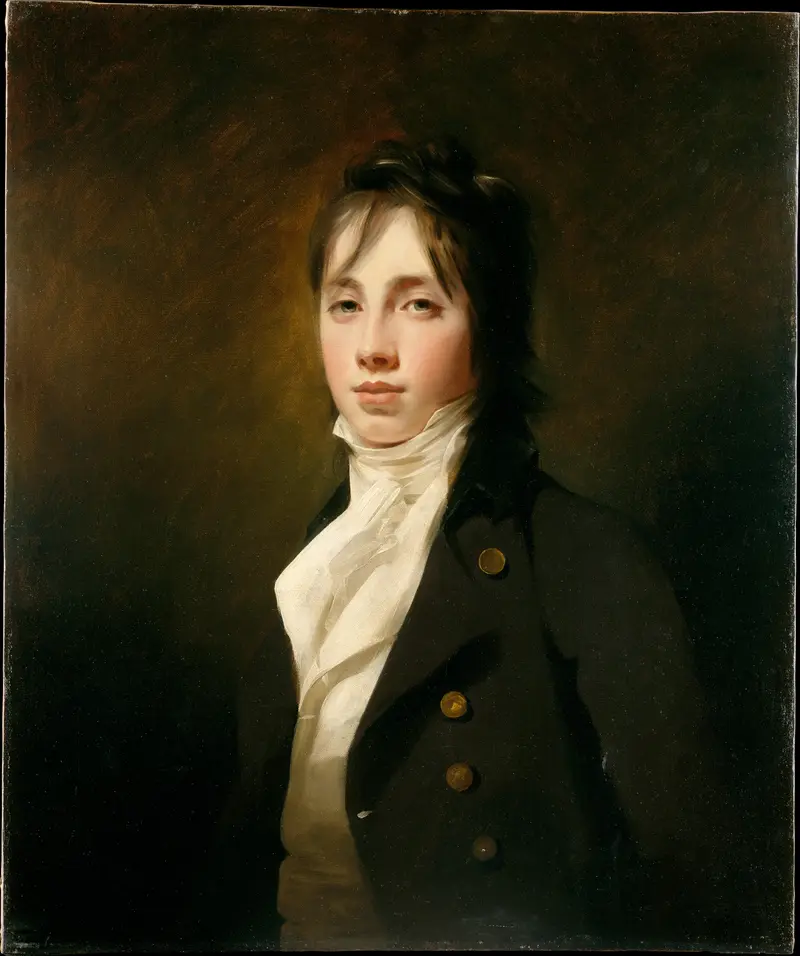
William Fraser of Reelig (1784–1835)
Sir Henry Raeburn
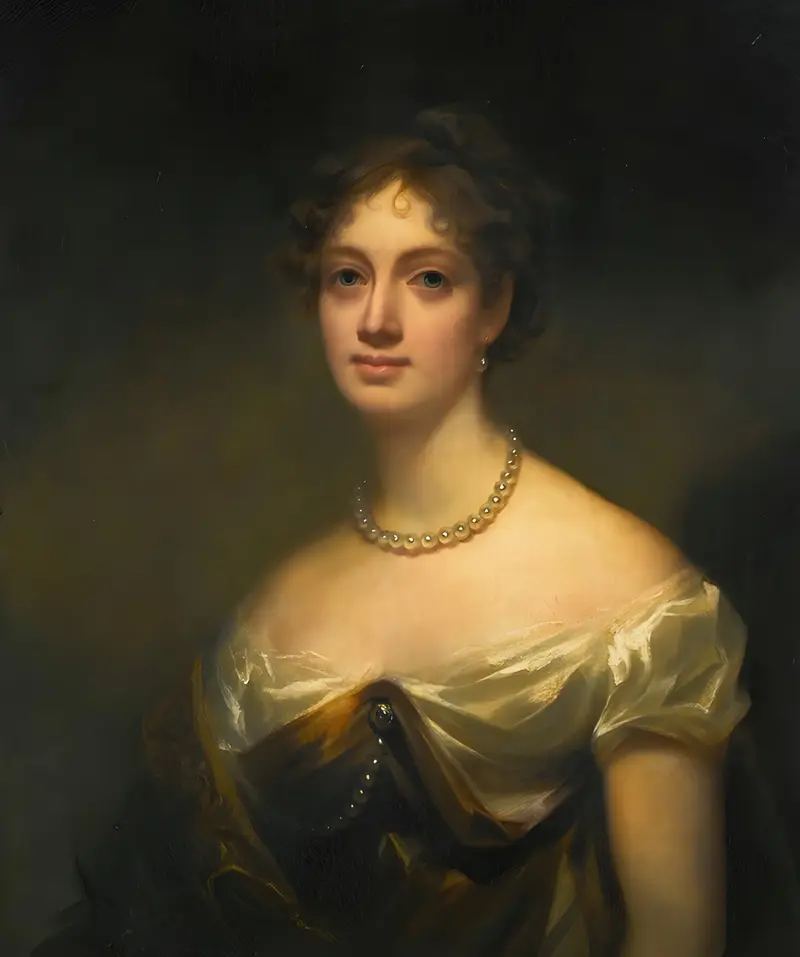
Portrait Of Anne Blair Maconochie Welwood Of Garvock, Lady Meadowbank (1784–1866)
Sir Henry Raeburn
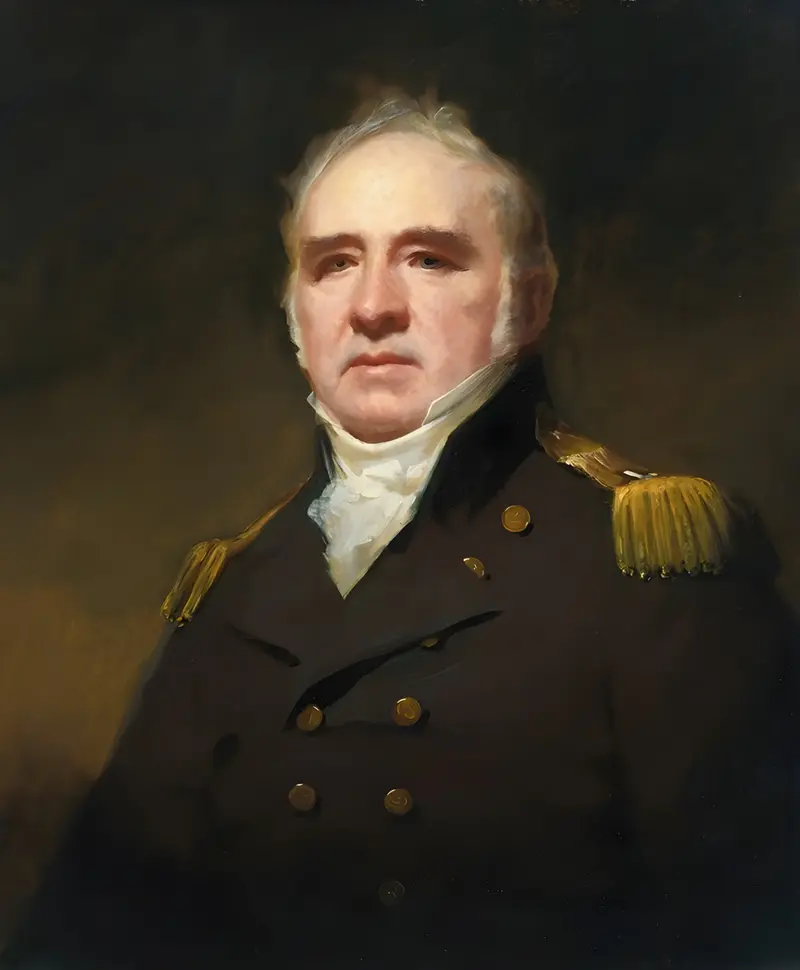
Portrait Of Captain James Forbes-Drummond, R.N., Of Hawthornden
Sir Henry Raeburn
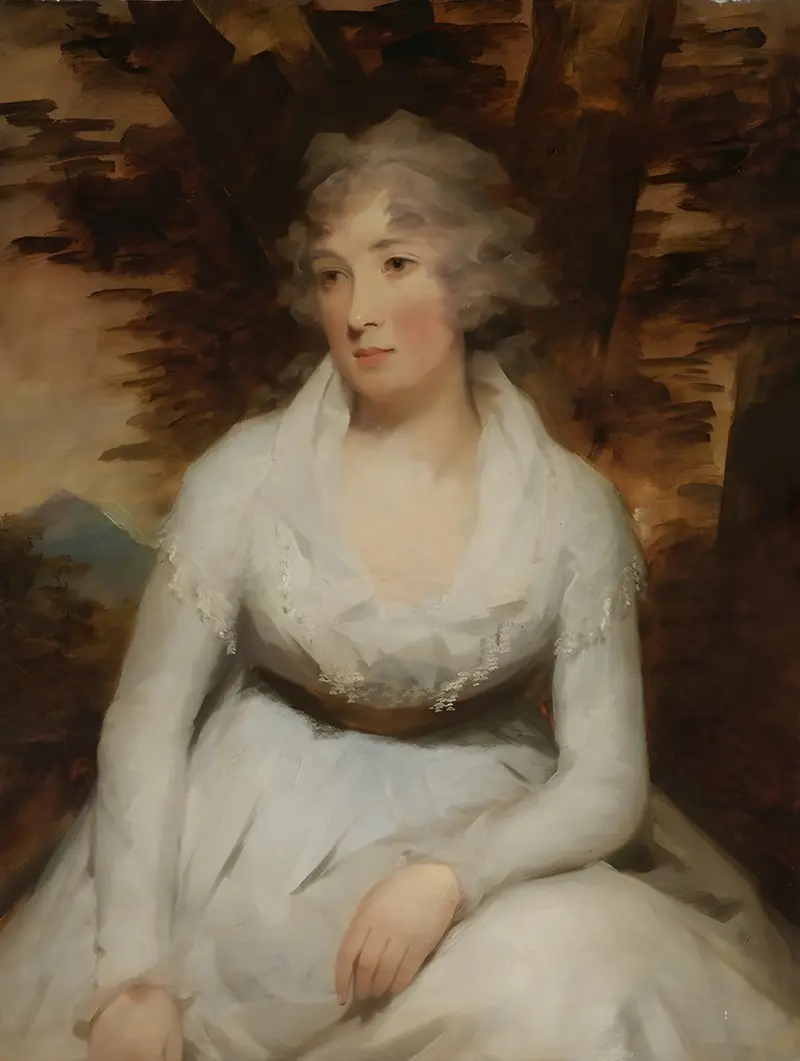
Miss Elizabeth Dalrymple (afterwards Mrs. George Leith)
Sir Henry Raeburn
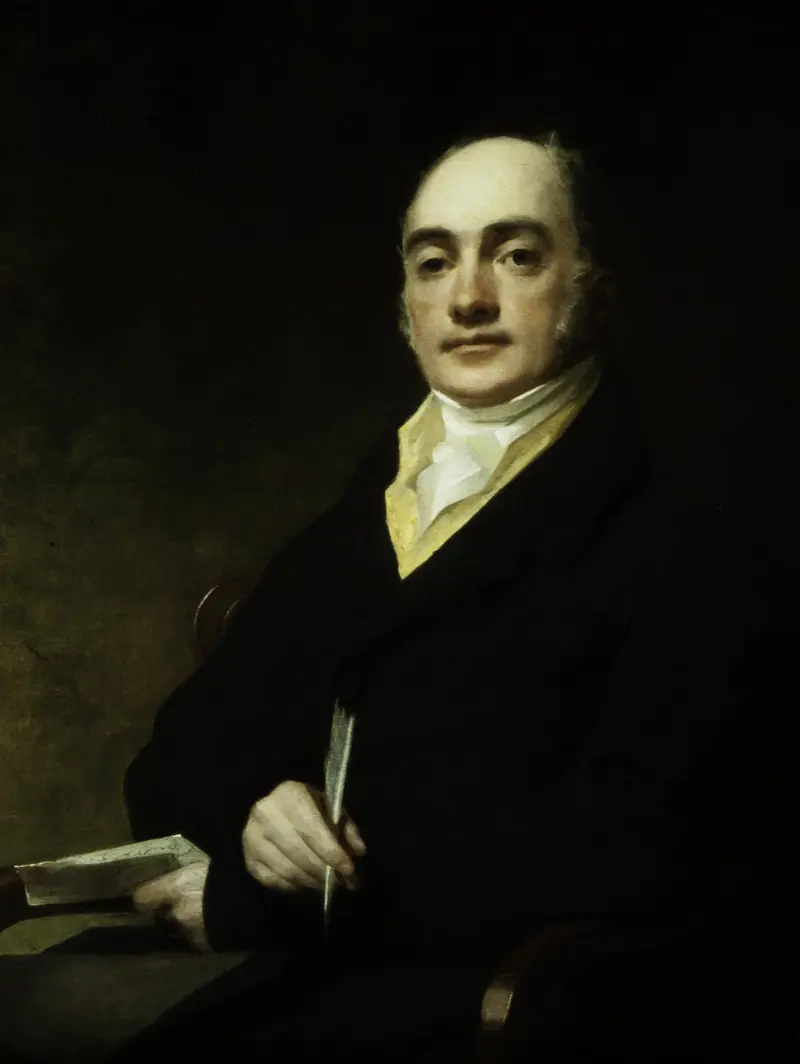
Portrait of John Baillie (1772-1833)
Sir Henry Raeburn
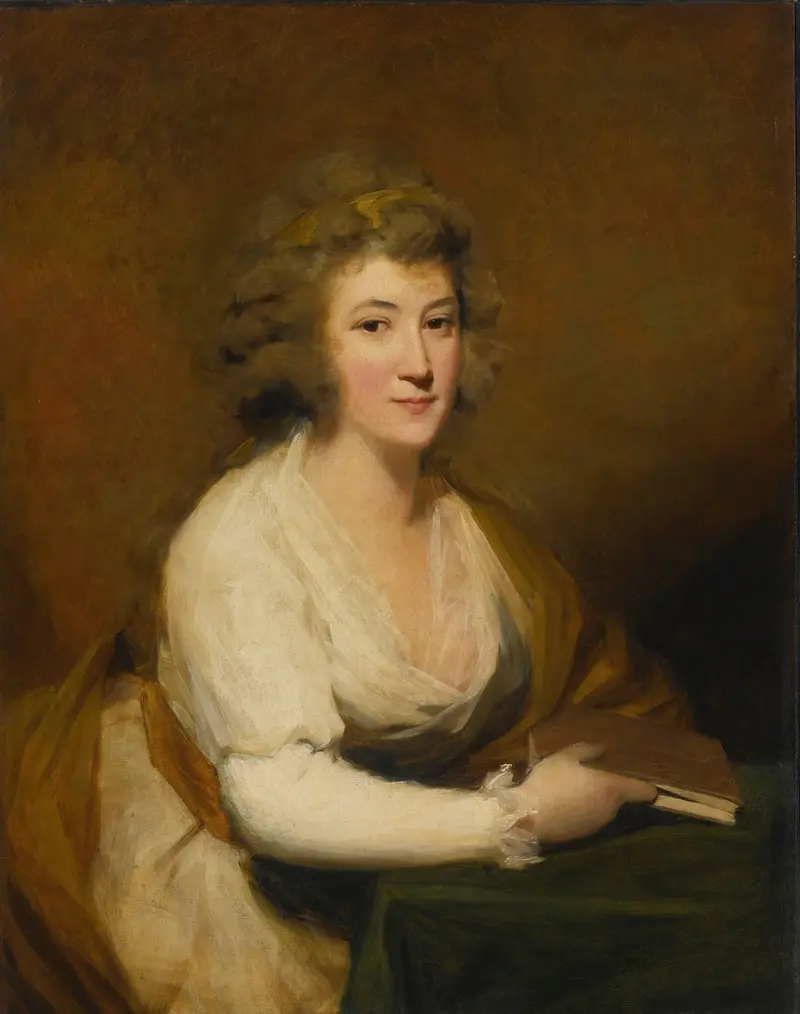
Portrait Of Lady Nasmyth, In A White Dress And Brown Shawl, Seated At A Table, Holding A Book
Sir Henry Raeburn
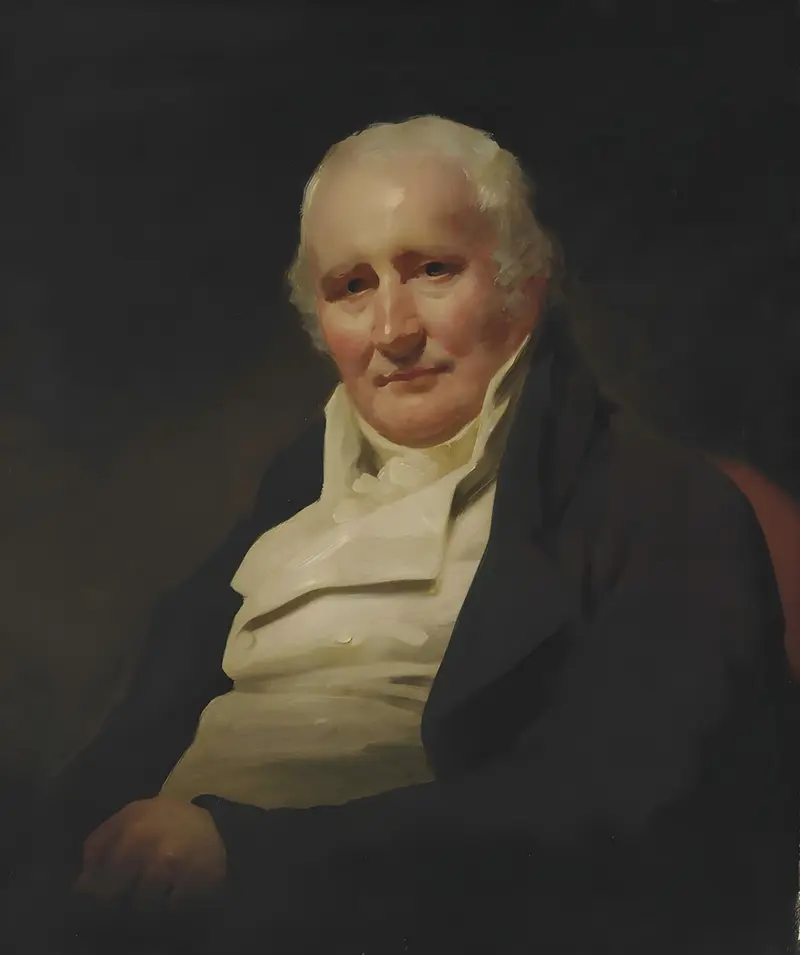
Portrait Of Mr. Spottiswood
Sir Henry Raeburn
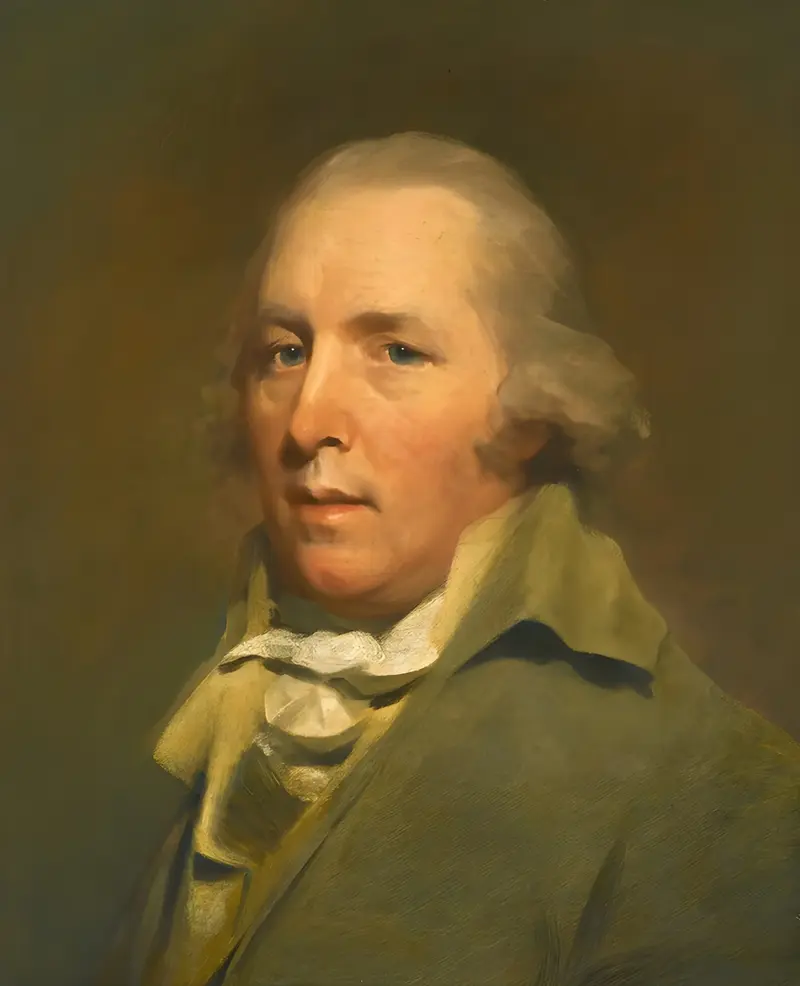
Portrait Of The Reverend John Home (1722-1808)
Sir Henry Raeburn
Portrait of William Hunt (c.1796-1854), Pittencrief House, Dunfermline
Sir Henry Raeburn





