
Portrait of Chaim Soutine — History & Facts
When Amedeo Modigliani painted Portrait of Chaim Soutine in 1916, he was capturing not just a friend, but a fellow artist whose wild energy matched the turbulence of Paris during the First World War. Both men were part of the so-called School of Paris, a loose group of émigré artists who gathered in Montparnasse, struggling for recognition and survival. The portrait is one of several Modigliani painted of his circle, but this one stands out for its subject: Chaim Soutine, himself destined to become a major painter, was then a penniless newcomer, and Modigliani’s portrayal would become the earliest known painted likeness of Soutine.
The friendship between the two was intense, marked by nights of poverty and feverish creativity. The painting freezes Soutine at a moment of inwardness, his gaunt face framed by a shock of dark hair, eyes downcast, lips pressed together. Modigliani’s signature elongation of the face and neck is present, but here it seems to echo Soutine’s own nervous tension. The background is a flat, warm tone, pushing the sitter forward, while the loose brushwork hints at both artists’ shared interest in the expressive possibilities of paint.
Unlike the formal portraits of John Singer Sargent, which aim for elegance, Modigliani’s approach is intimate, almost raw, the sitter’s vulnerability on display. The lack of props or costume strips away any social mask, leaving only the psychological presence of the young painter. The exact early history of Portrait of Chaim Soutine is not fully documented, but it is known that Modigliani rarely painted on commission and often traded his works for food, lodging, or art supplies. The portrait likely remained in the Parisian art world’s close-knit circles before entering a private collection.
Today, it stands as a testament to the creative ferment of Montparnasse before the First World War scattered its artists. For Modigliani, the painting marks a period of intense portraiture, shortly before his health began to fail. The work is now recognized as a key document of the friendship between two of the twentieth century’s most original painters.
More Artworks by Amedeo Modigliani
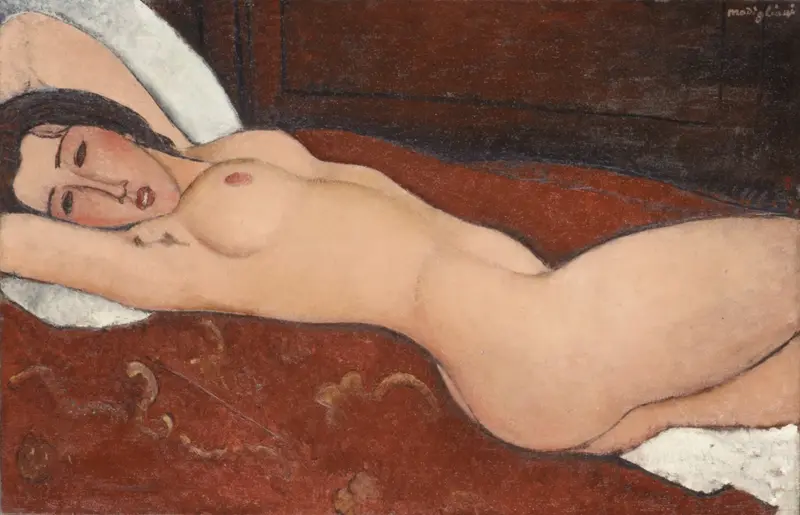
Reclining Nude
Amedeo Modigliani

Portrait Of Jeanne Hébuterne
Amedeo Modigliani

Jeanne Hébuterne
Amedeo Modigliani
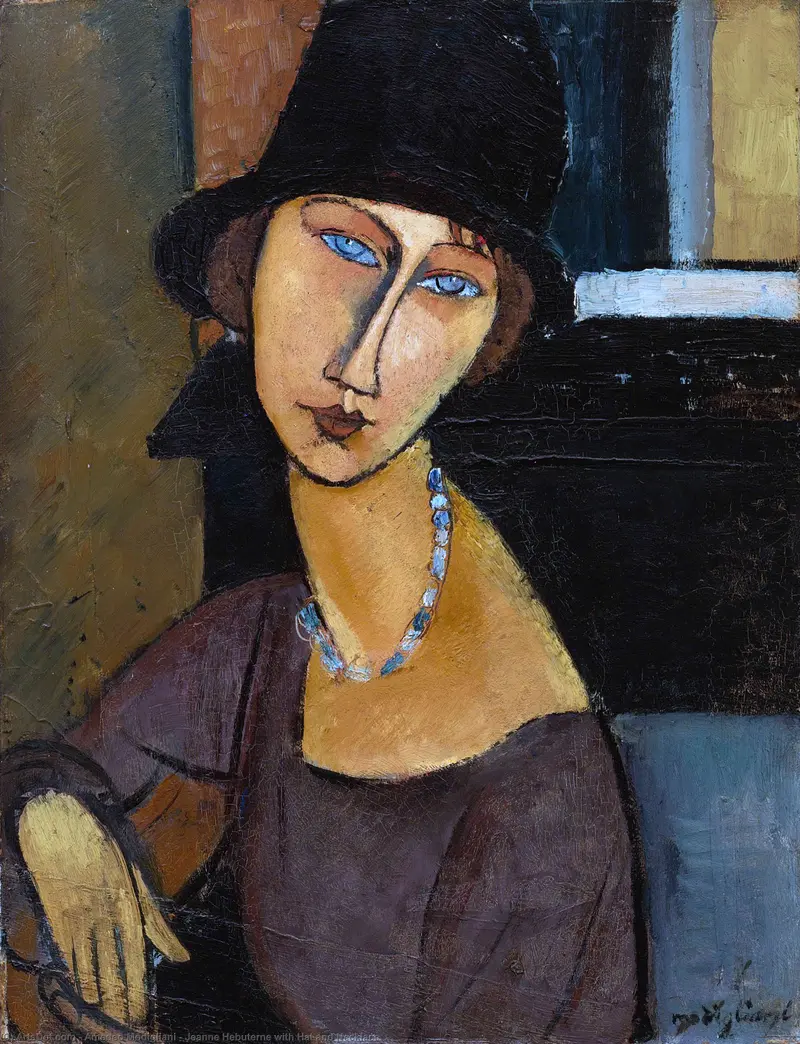
Jeanne Hébuterne with Hat and Necklace
Amedeo Modigliani
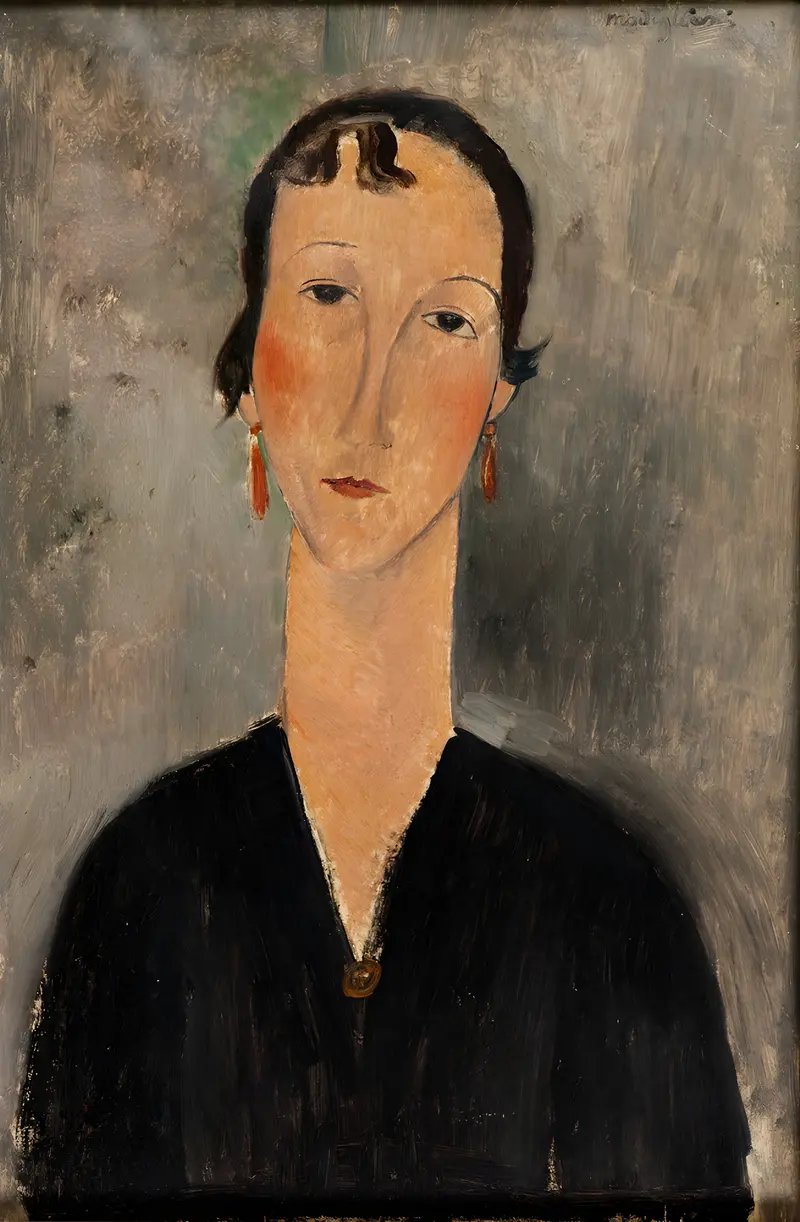
Femme aux boucles d'oreilles
Amedeo Modigliani
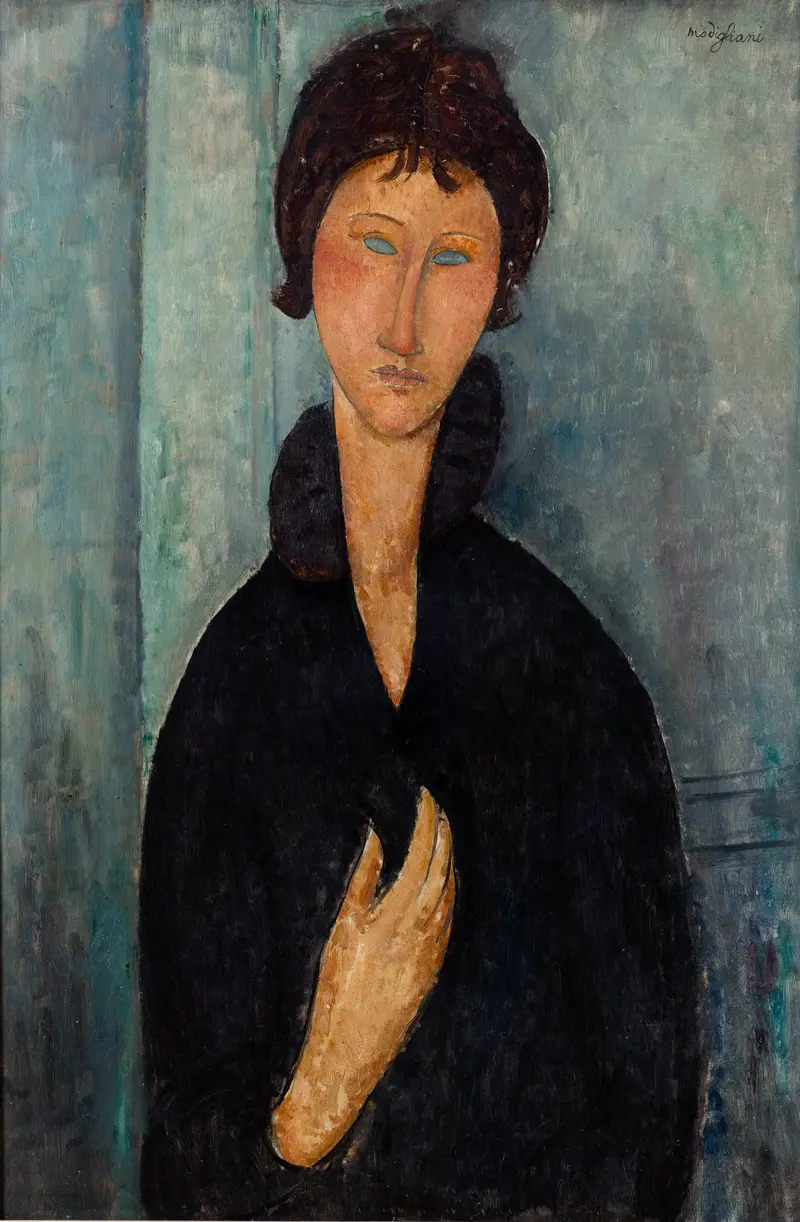
Femme aux yeux bleus
Amedeo Modigliani
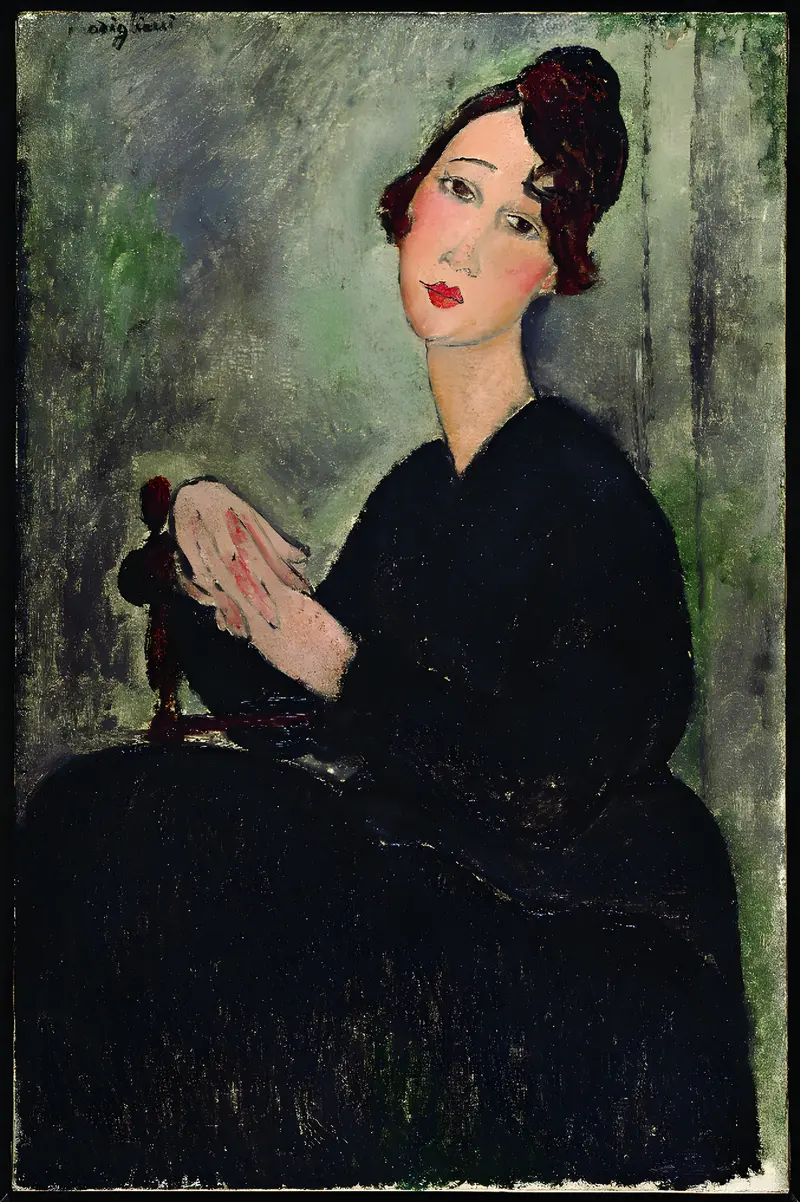
Portrait of Dedie
Amedeo Modigliani
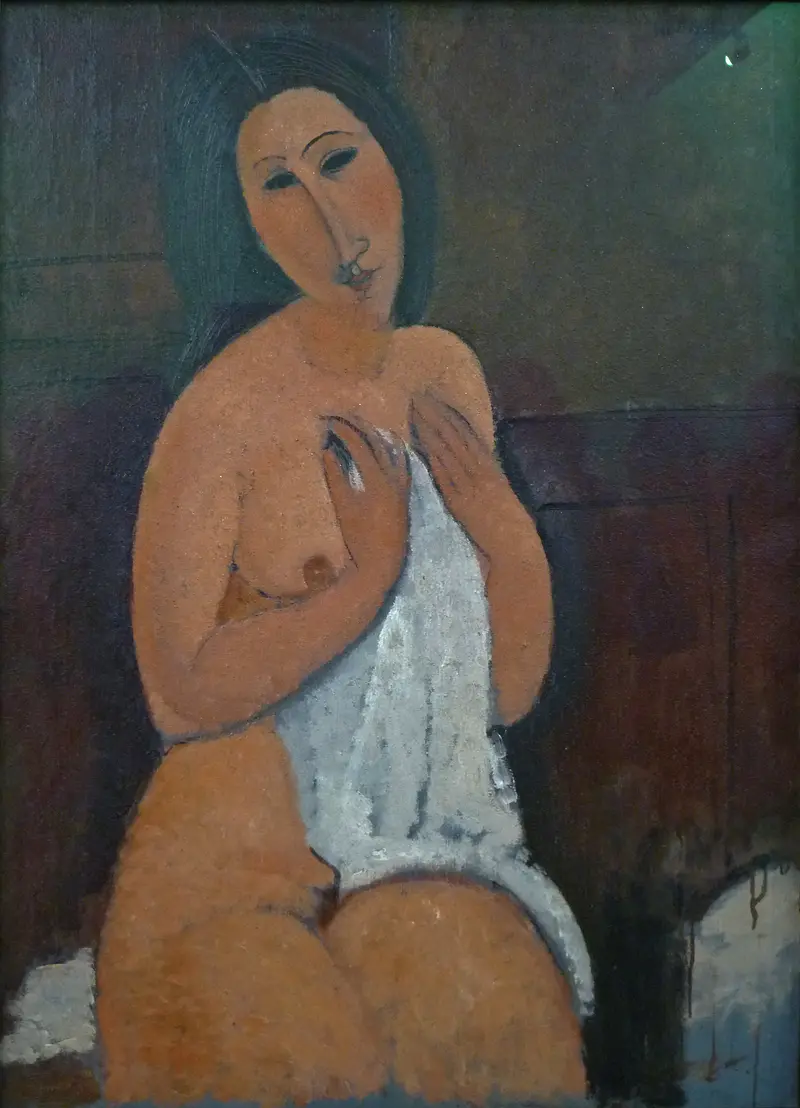
Seated nude with shirt
Amedeo Modigliani
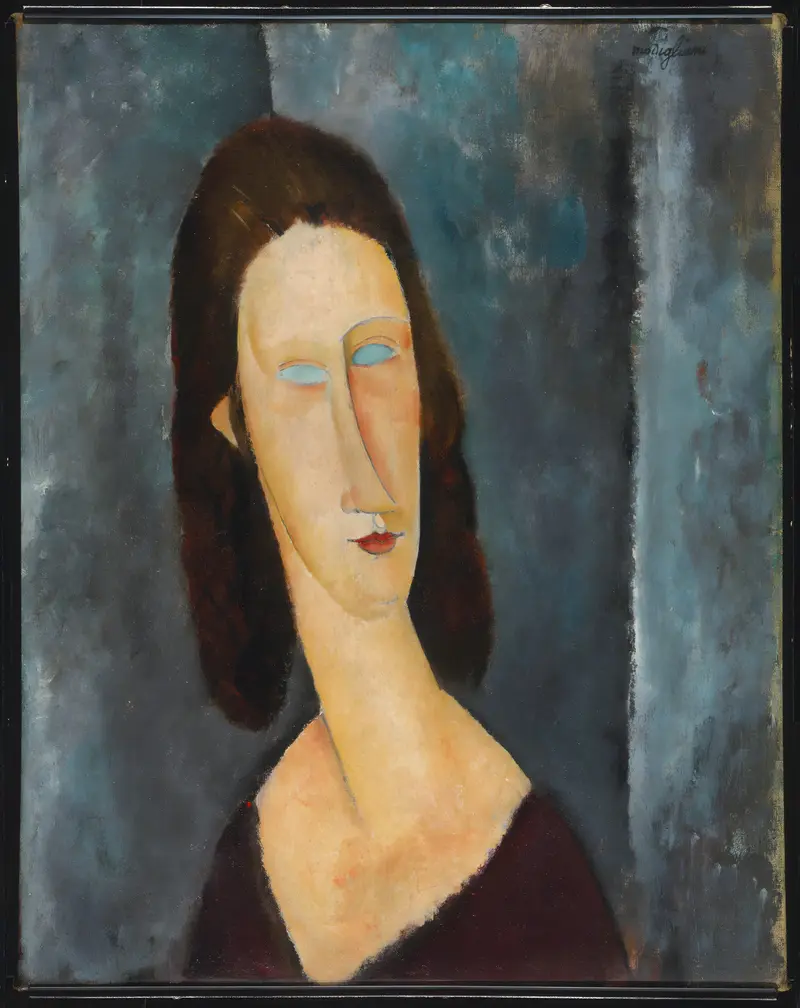
Blue Eyes (Portrait of Madame Jeanne Hébuterne)
Amedeo Modigliani
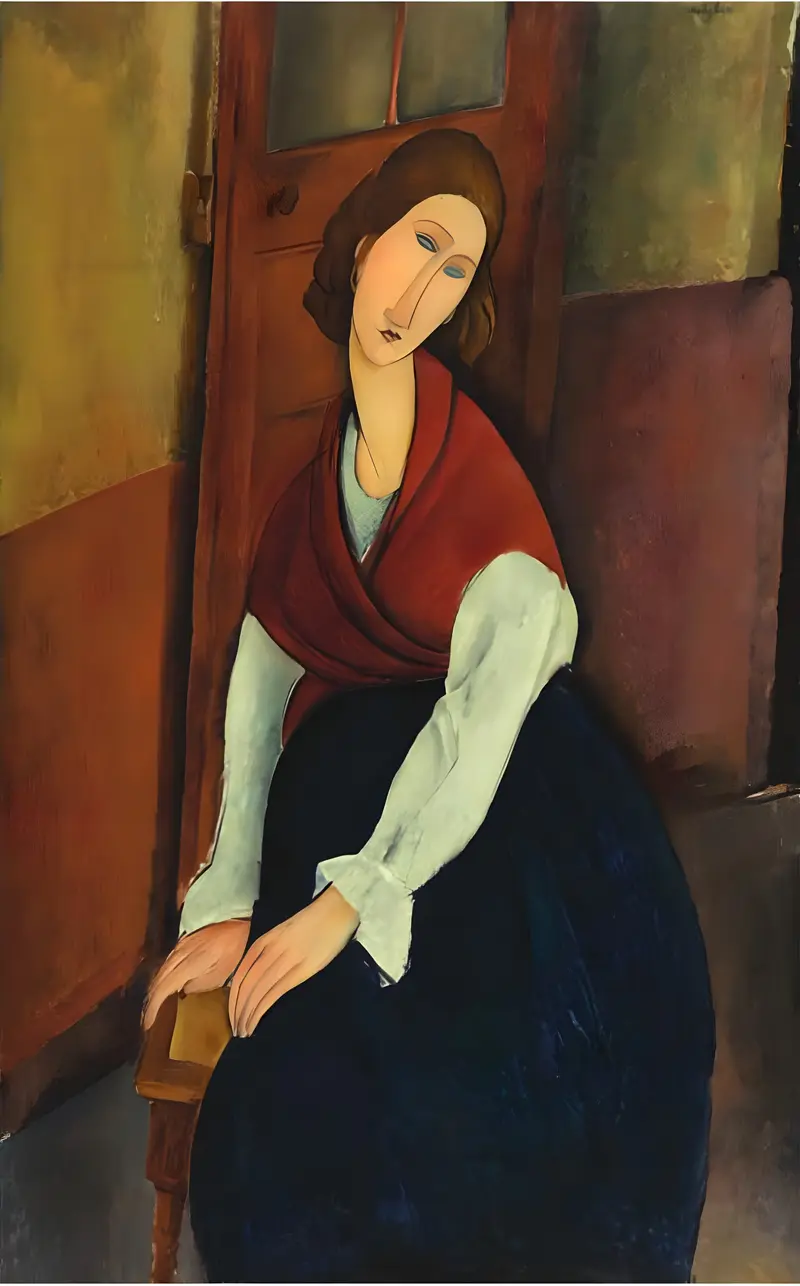
Jeanne Hebuterne in Red Shawl
Amedeo Modigliani





