
Portrait of Emilia Pia da Montefeltro — History & Facts
No one knows for certain why Raphael painted Portrait of Emilia Pia da Montefeltro, or even if the sitter is truly Emilia Pia herself—yet for centuries, this quietly enigmatic woman has been linked to the glittering court of Urbino, a place famed for its intellectual salons and the presence of Baldassare Castiglione, author of The Book of the Courtier. The painting’s identification rests on a faint inscription and a strong tradition, but some scholars still wonder if the sitter is another noblewoman entirely. What is clear is that this portrait captures a real person from the heart of Renaissance Italy, at a moment when women like Emilia Pia played key roles as patrons and arbiters of taste. Raphael presents the sitter in three-quarter view, her gaze steady and direct, framed by a delicate veil and a dark gown trimmed with fur.
Her hands rest calmly, one over the other, suggesting composure and self-possession; a fine chain encircles her neck, signaling her status. The background is a muted, atmospheric haze, drawing the eye to the sitter’s thoughtful expression. Unlike the idealized Madonnas for which Raphael is famous, this portrait feels intimate and psychologically complex, closer in spirit to Leonardo da Vinci’s Mona Lisa, painted just a year earlier.
The subtle play of light across her face and hands hints at an inner life, inviting viewers to wonder what thoughts occupied her in this moment. The painting’s early history is obscure, but it is generally believed to have been created during Raphael’s years at the court of Urbino, around 1504, before his move to Florence. Its attribution to Raphael has rarely been doubted, though the identity of the sitter has sparked ongoing debate. Today, Portrait of Emilia Pia da Montefeltro resides in the Museo del Prado, where it stands as a testament to the artist’s early mastery of psychological portraiture and to the vibrant cultural world of Renaissance Urbino.
The work’s quiet dignity continues to inspire viewers, even as its mysteries endure.
More Artworks by Raphael

Madonna of the Goldfinch
Raphael

Madonna with the Fish
Raphael
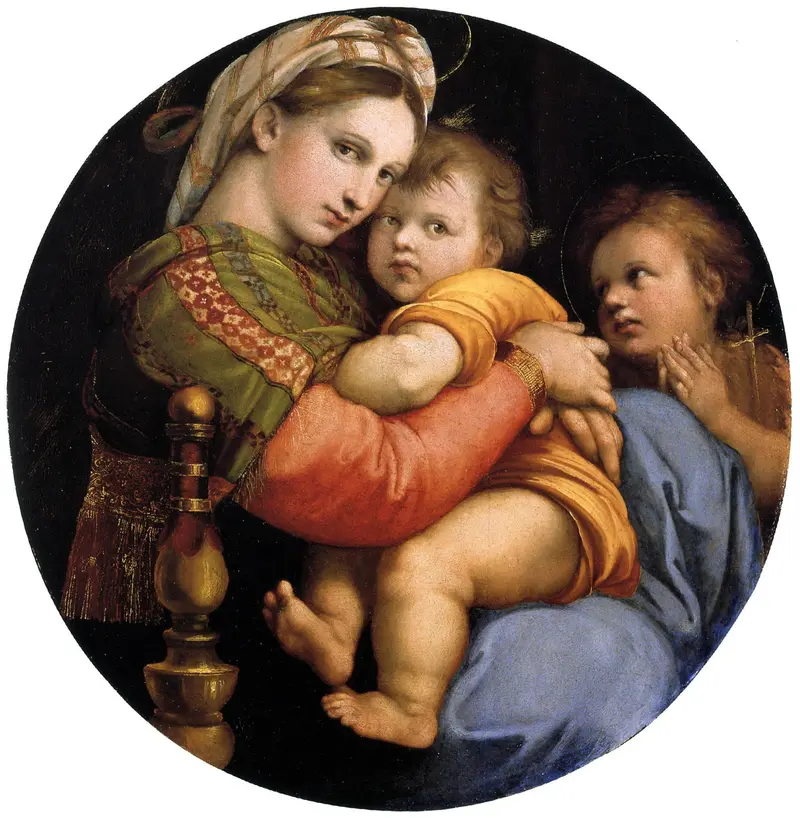
Madonna and Child (Madonna della Seggiola)
Raphael
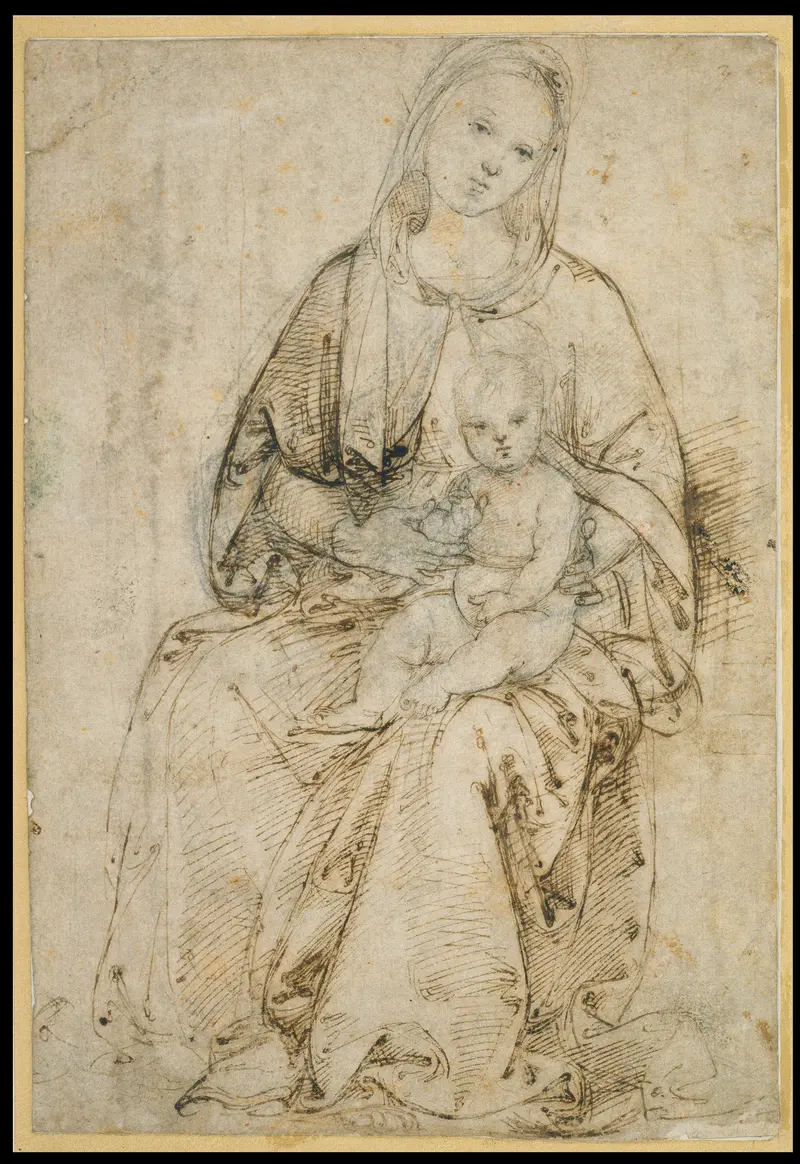
Seated Madonna and Child
Raphael
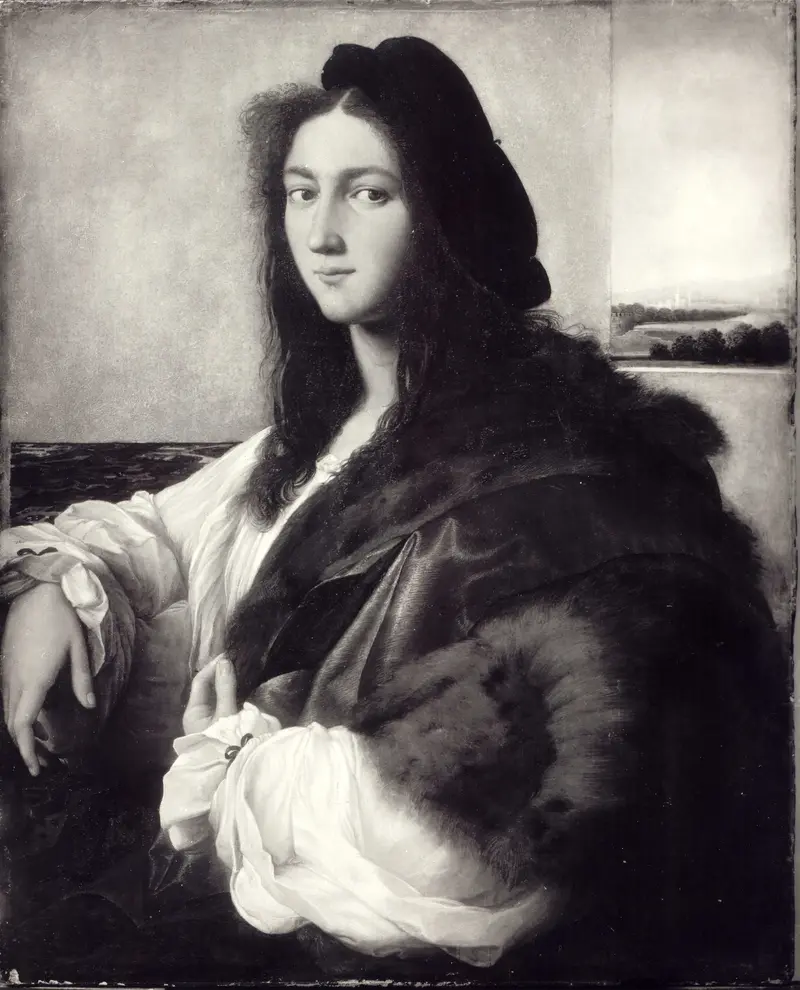
Portrait of a Young Man
Raphael
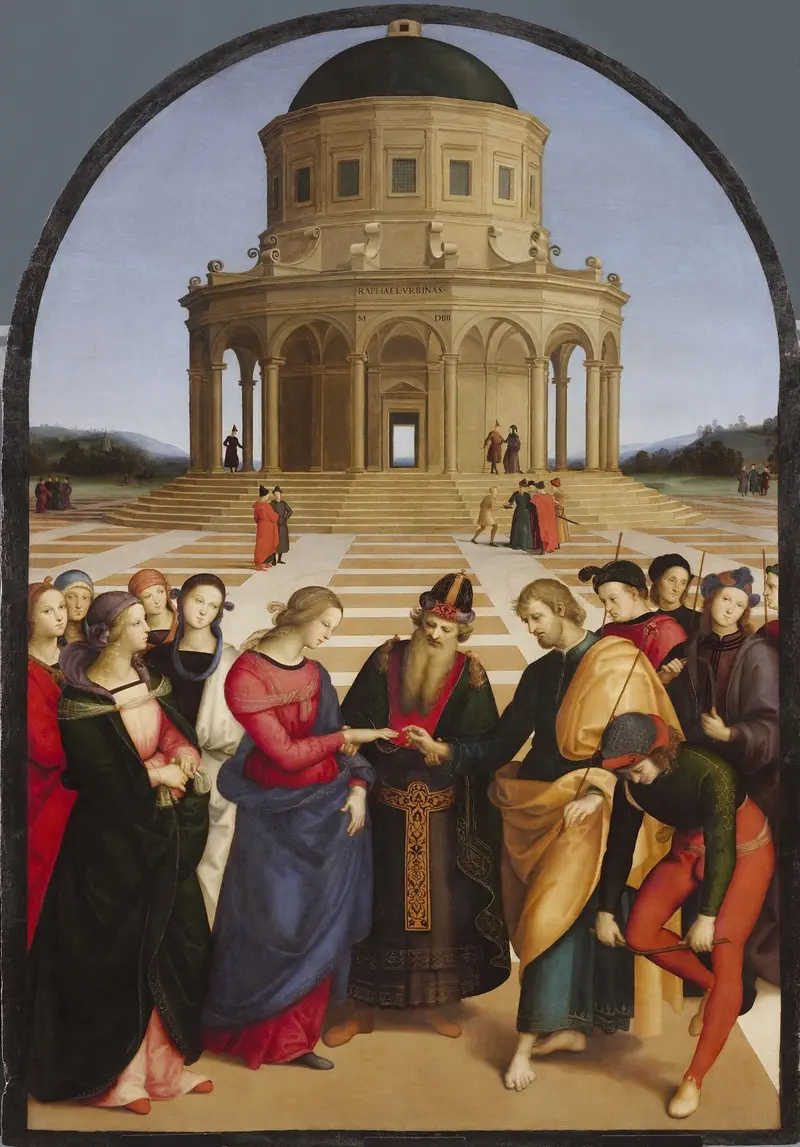
The Marriage of the Virgin
Raphael
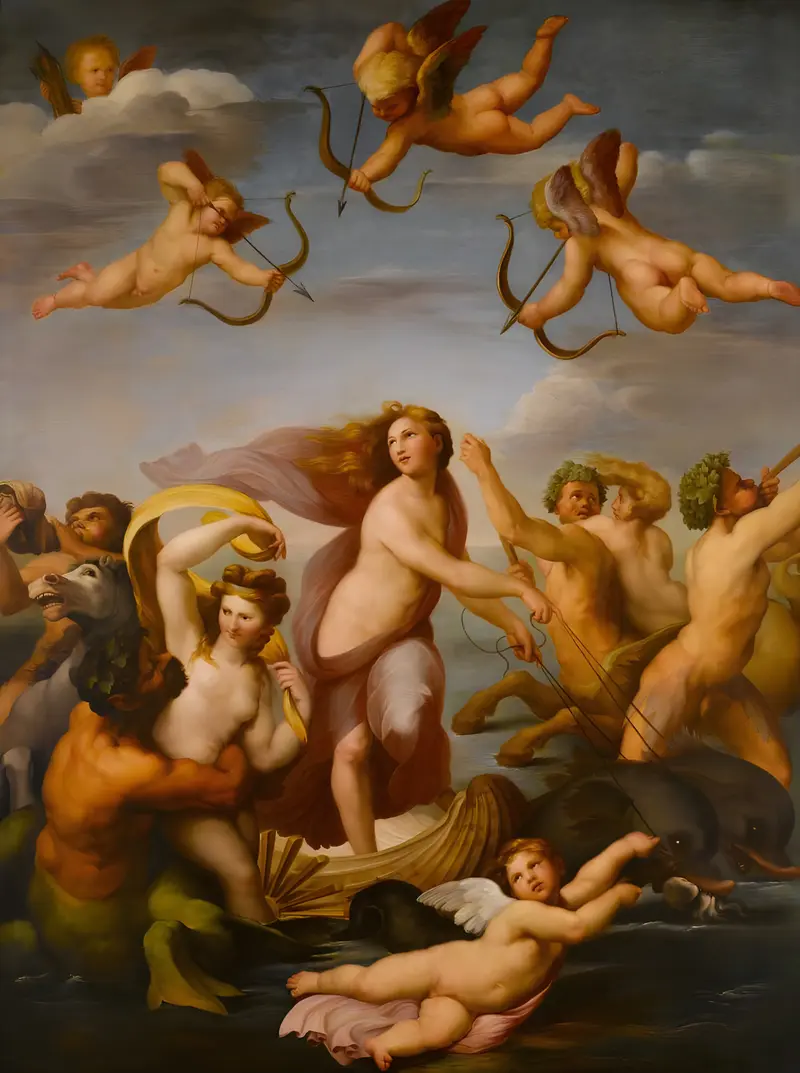
The Triumph of Galatea (copy after Raphael)
Raphael
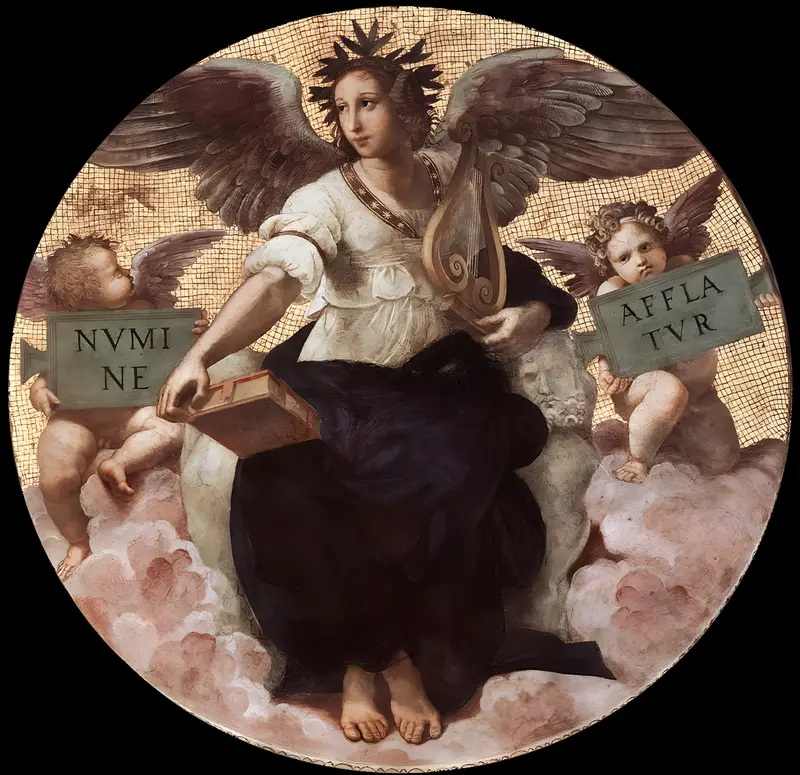
Poetry
Raphael
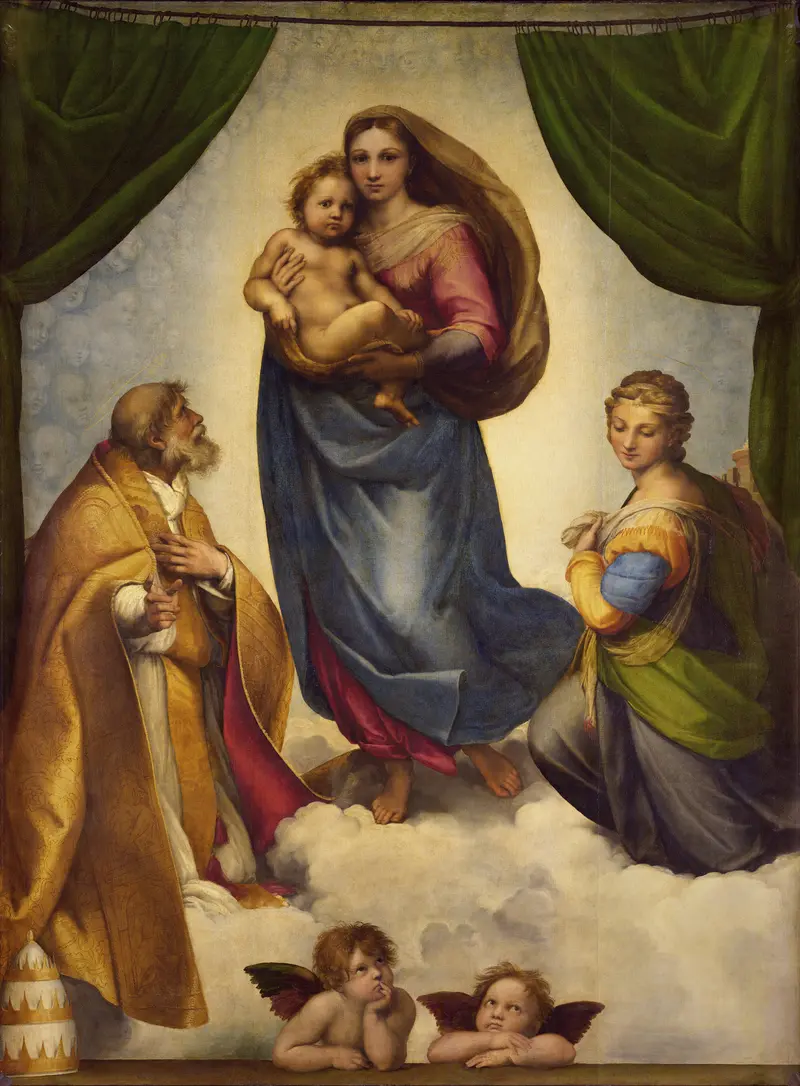
Sistine Madonna
Raphael
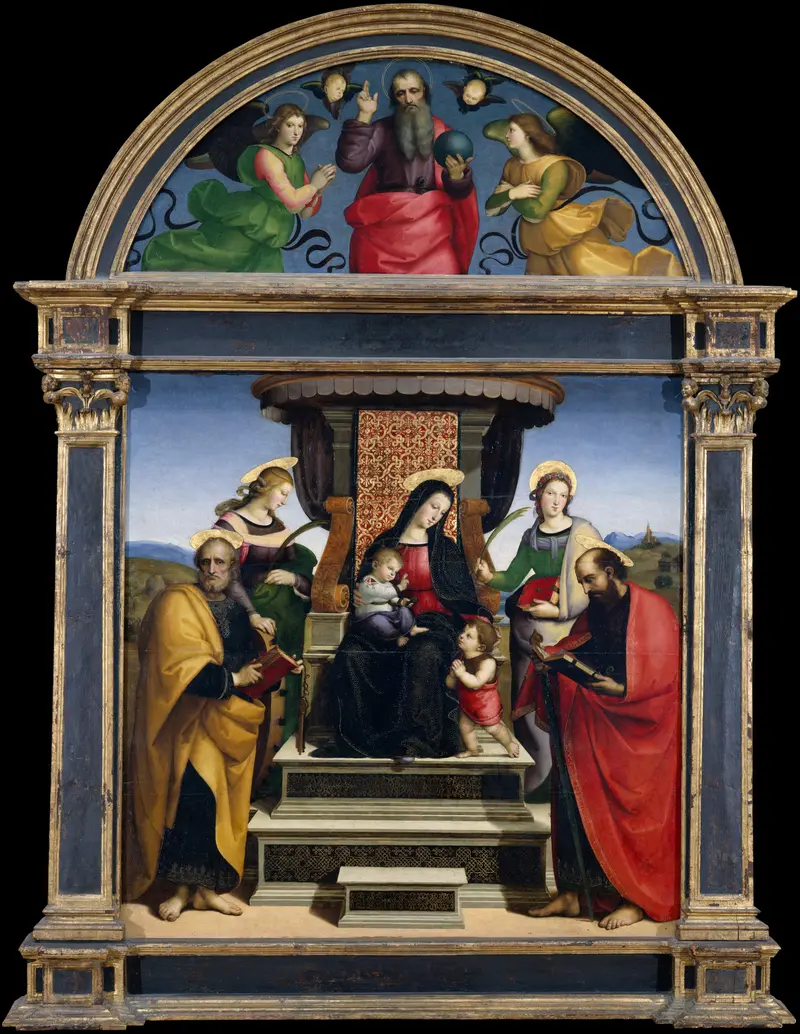
Madonna and Child Enthroned with Saints
Raphael





