
Portrait of General Henry Wynyard — History & Facts
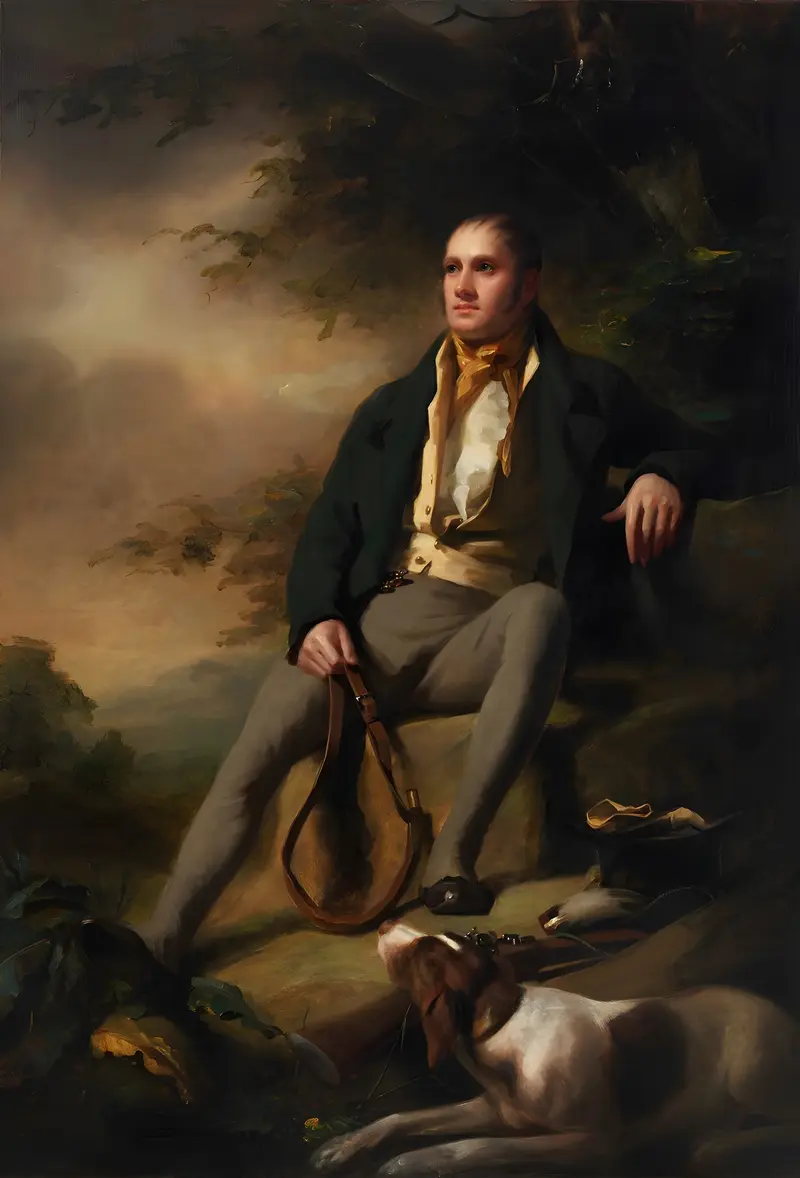
The most intriguing aspect of Portrait of General Henry Wynyard is its subject: a British officer whose military career spanned the turbulent decades of the late 18th and early 19th centuries, a period marked by the Napoleonic Wars and the reshaping of Europe. General Henry Wynyard was not only a soldier but also served as Governor of Sheerness, a vital naval station, making him a figure of both martial and administrative significance. The decision to have his likeness captured by Sir Henry Raeburn, Scotland’s foremost portraitist of the era, speaks to Wynyard’s prominence within both military and social circles.
This portrait, therefore, is more than a record of appearance—it is a testament to a life lived at the heart of British power during an age of conflict. Raeburn chose to present General Wynyard in a moment of composed authority, his gaze steady and direct, dressed in the crisp uniform that signals his rank. The general’s hand rests lightly on his sword, a gesture that conveys both readiness and restraint, while the subtle play of light across his face and epaulettes draws the eye to his calm expression and the insignia of his office. The dark, neutral background isolates the figure, focusing attention on the man rather than his surroundings—a device Raeburn often employed, as seen in his Portrait of Sir John Sinclair.
This approach lends the sitter a quiet dignity, suggesting the weight of responsibility carried by those who shaped the fate of nations. The precise origins of this painting remain uncertain; the date and circumstances of its commission are not documented, a common situation with Raeburn’s portraits of military figures. What is clear is that works like this were typically commissioned by the sitter or their family, intended to assert status and preserve memory. Over time, Portrait of General Henry Wynyard has passed through private collections before entering the public sphere, where it now offers viewers a glimpse into the world of Regency-era Britain.
For Raeburn, such portraits were central to his reputation, cementing his place as the leading interpreter of Scotland’s elite in paint.
More Artworks by Sir Henry Raeburn

Portrait of Hugh Hope
Sir Henry Raeburn
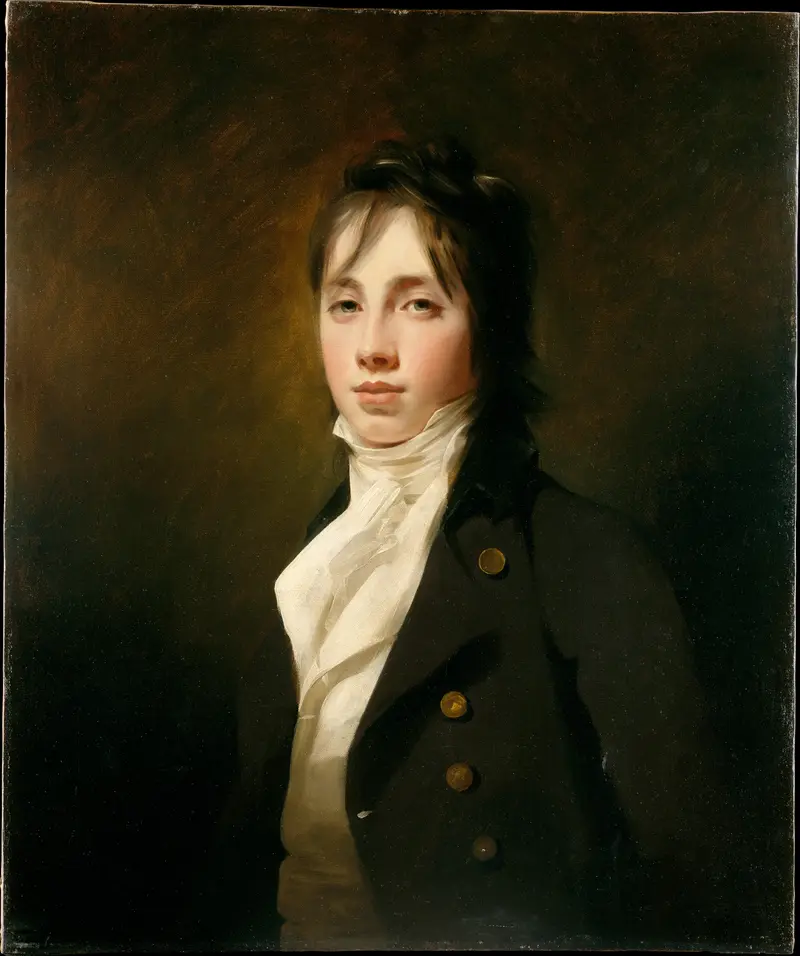
William Fraser of Reelig (1784–1835)
Sir Henry Raeburn
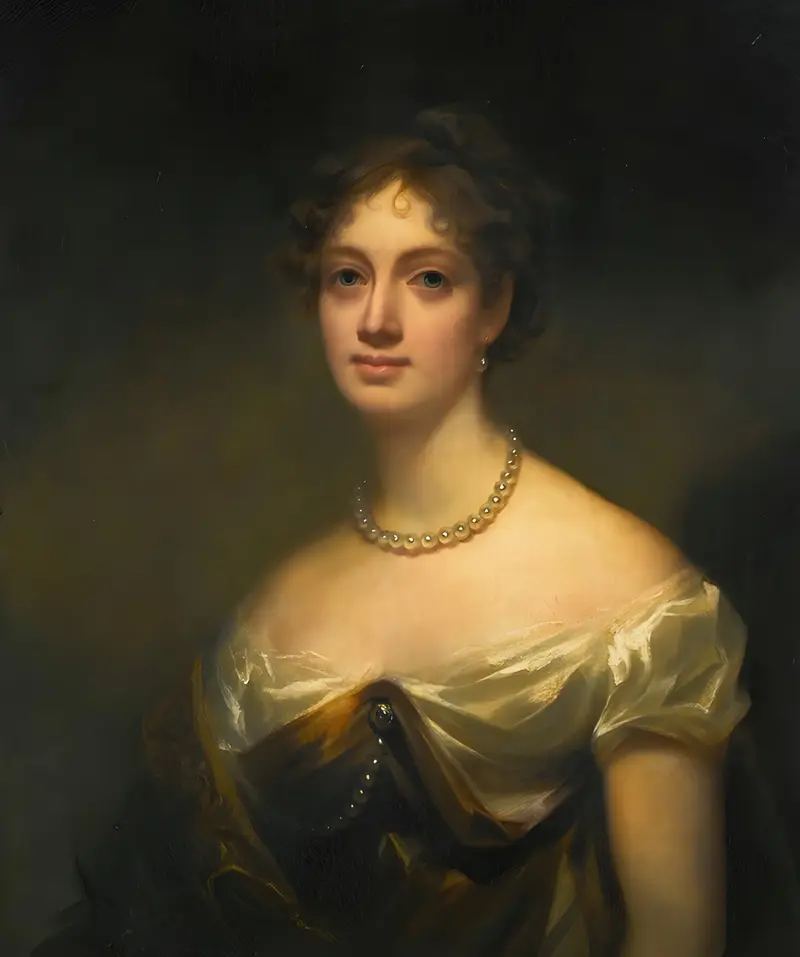
Portrait Of Anne Blair Maconochie Welwood Of Garvock, Lady Meadowbank (1784–1866)
Sir Henry Raeburn
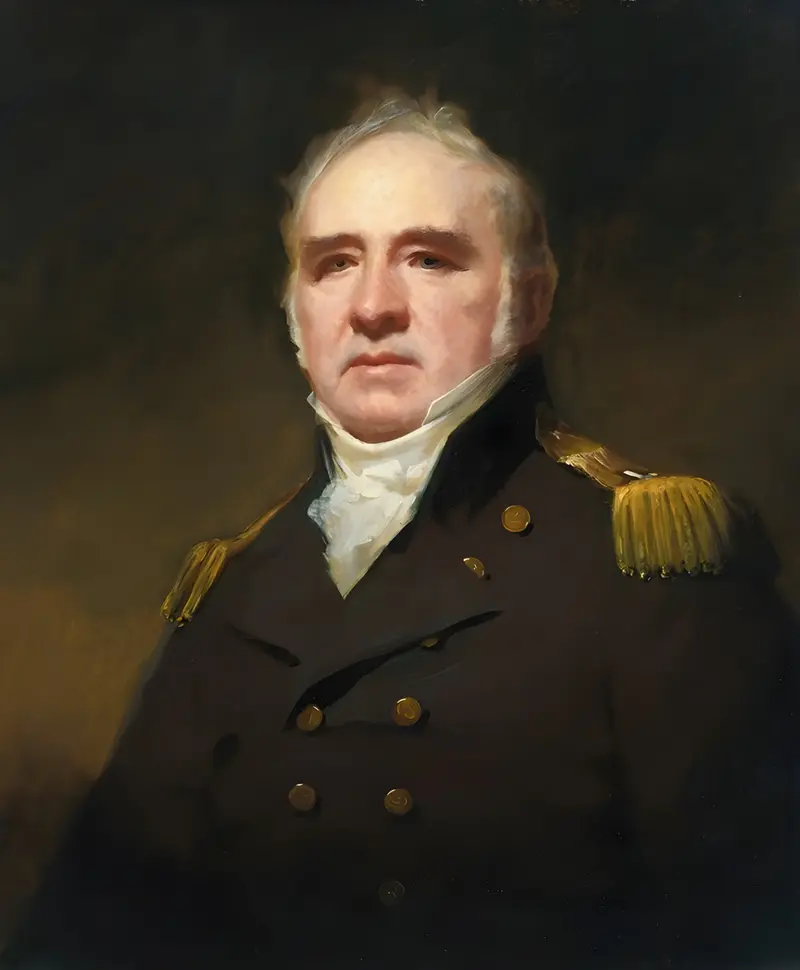
Portrait Of Captain James Forbes-Drummond, R.N., Of Hawthornden
Sir Henry Raeburn
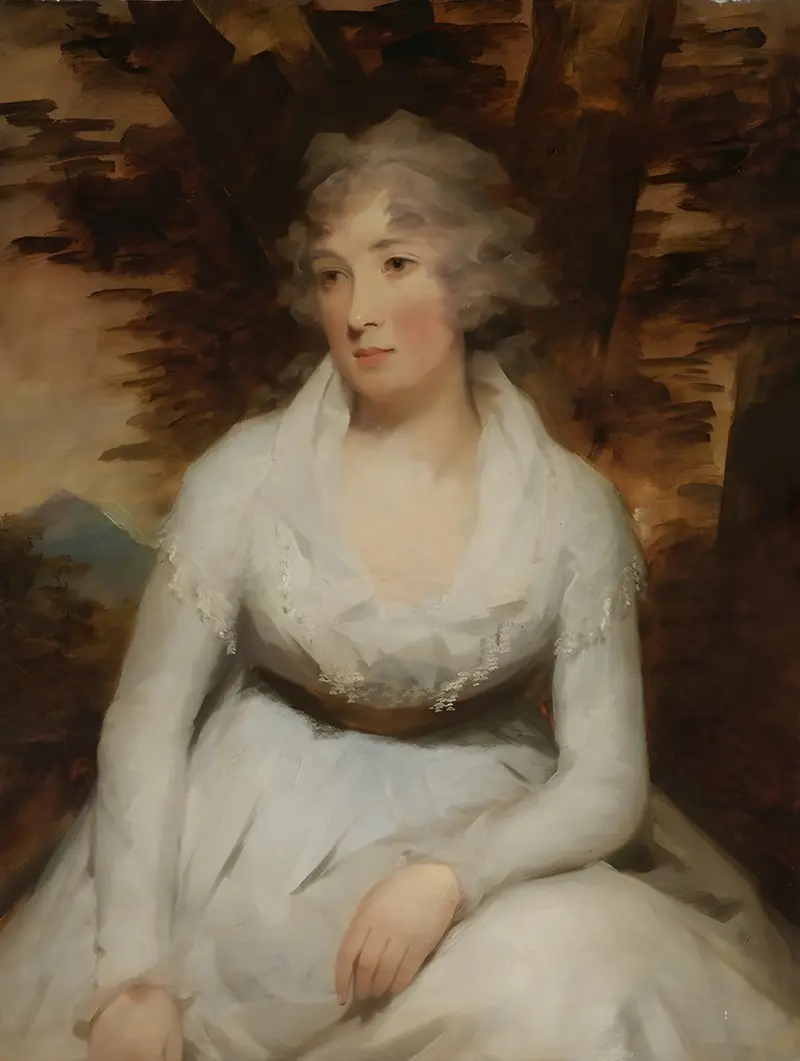
Miss Elizabeth Dalrymple (afterwards Mrs. George Leith)
Sir Henry Raeburn
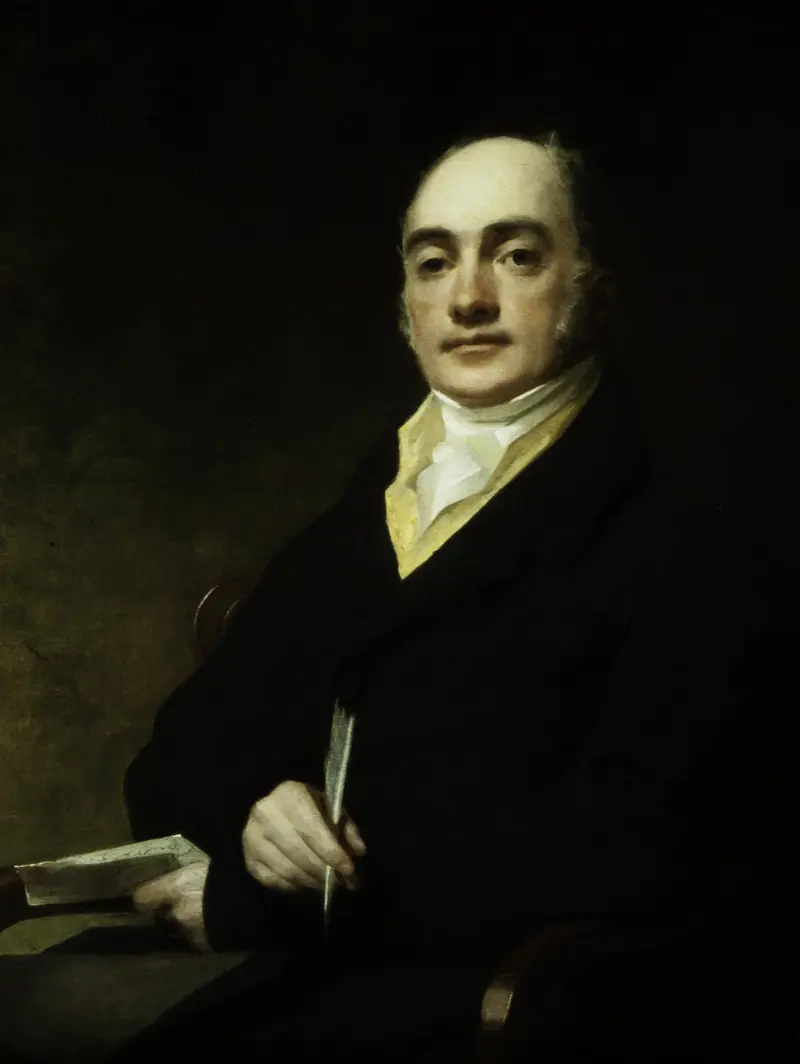
Portrait of John Baillie (1772-1833)
Sir Henry Raeburn
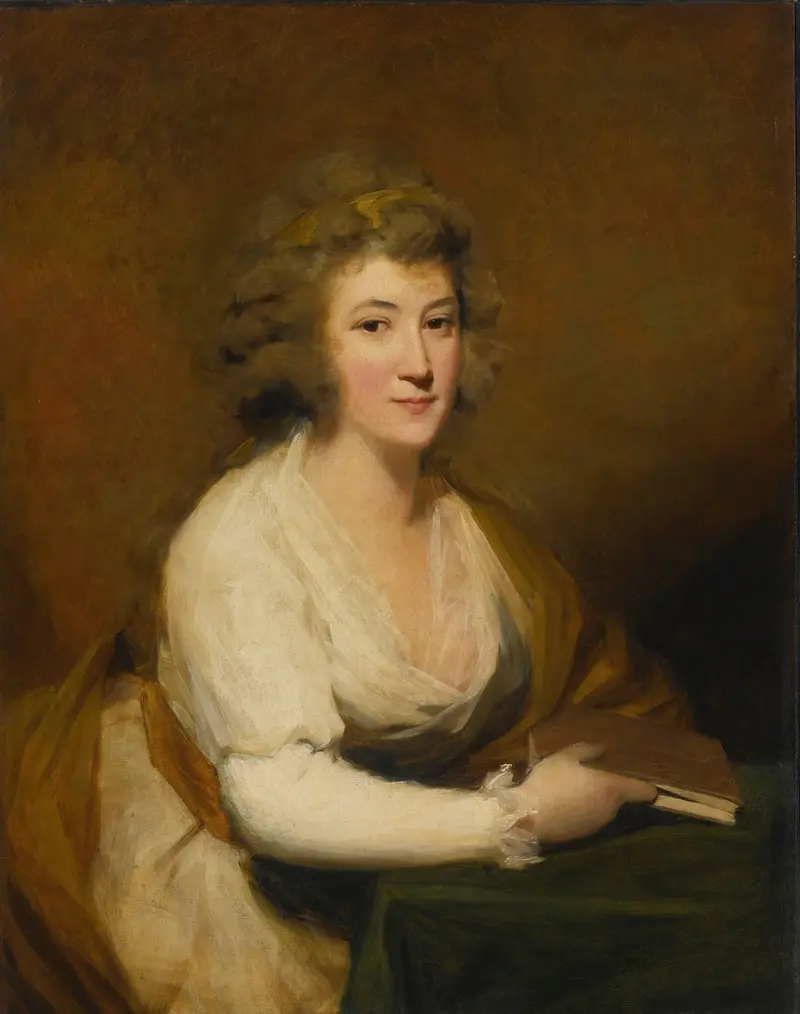
Portrait Of Lady Nasmyth, In A White Dress And Brown Shawl, Seated At A Table, Holding A Book
Sir Henry Raeburn
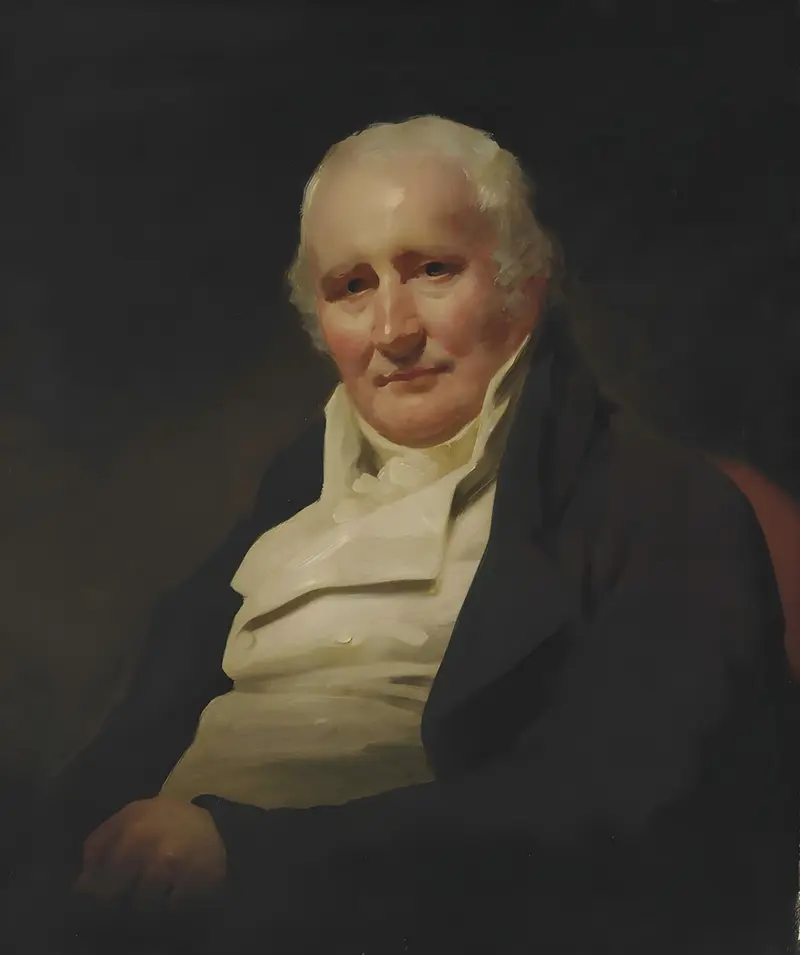
Portrait Of Mr. Spottiswood
Sir Henry Raeburn
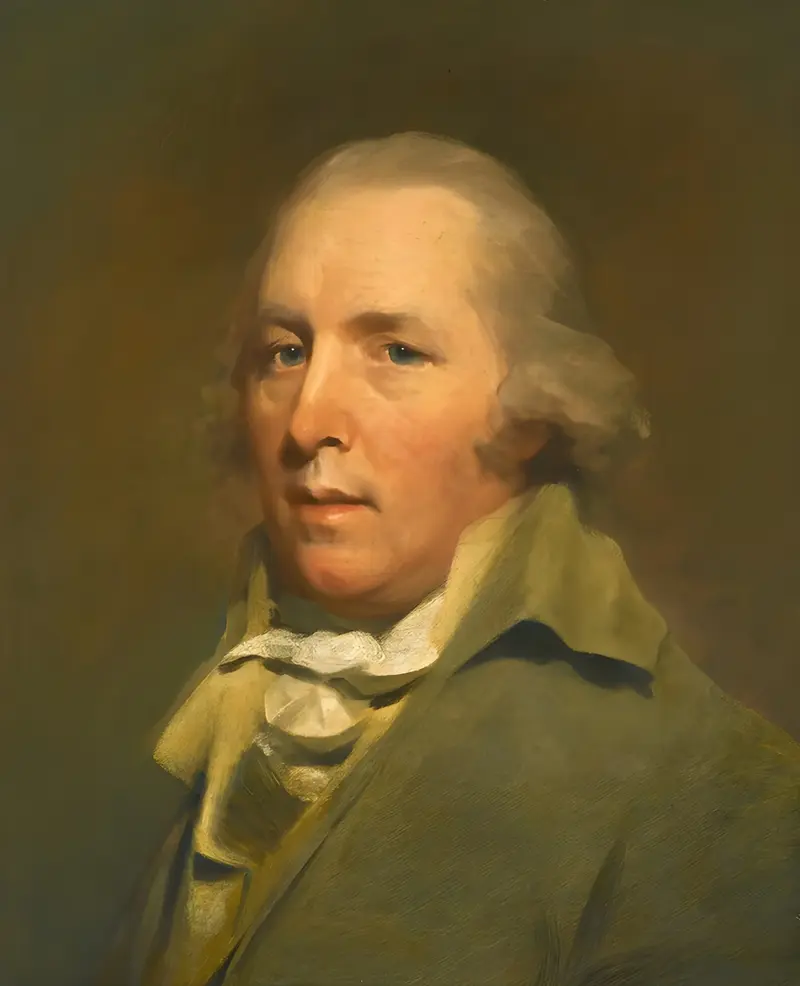
Portrait Of The Reverend John Home (1722-1808)
Sir Henry Raeburn
Portrait of William Hunt (c.1796-1854), Pittencrief House, Dunfermline
Sir Henry Raeburn





