
Portrait of Giovanni di Nicolao Arnolfini — History & Facts
Giovanni di Nicolao Arnolfini, a wealthy Italian merchant living in Bruges, is immortalized here by Jan van Eyck in a portrait that has sparked centuries of debate. Some scholars believe this is the same Giovanni depicted in van Eyck’s famous The Arnolfini Portrait of 1434, but with four years’ distance and a new context: this time, the sitter is alone, facing the viewer directly, his gaze steady and reserved. The connection between these two works has led to speculation about their purpose—were they intended as a pair, or as separate commissions for different moments in Arnolfini’s life? In this portrait, Giovanni’s face is rendered with van Eyck’s signature precision: every wrinkle, every subtle shadow is captured in oil with a realism that was revolutionary for the time.
His dark robe, trimmed with fur, and the elaborate chaperon hat signal his wealth and status, while the plain background draws the eye to his pale, almost sculptural features. The sitter’s hands, one gloved and one bare, rest quietly, suggesting both readiness and restraint. Unlike the more narrative-driven Arnolfini Portrait, this image is all about presence and character—van Eyck’s attention to the textures of skin, fabric, and fur rivals the detail found in Rogier van der Weyden’s portraits, yet here the psychological intensity is uniquely van Eyck’s own. The exact circumstances of this work’s commission remain uncertain, but it reflects the growing importance of individual portraiture in the Burgundian Netherlands of the early fifteenth century.
The painting has passed through several hands over the centuries, eventually finding its way to the National Gallery in London, where it resides today. Its attribution to Jan van Eyck has never been seriously challenged, and it stands as a testament to the artist’s ability to capture not only the likeness but the inner life of his sitters. As one of the earliest surviving portraits of a named individual by a Northern Renaissance master, it marks a turning point in the history of Western art.
More Artworks by Jan van Eyck

Adam
Jan van Eyck
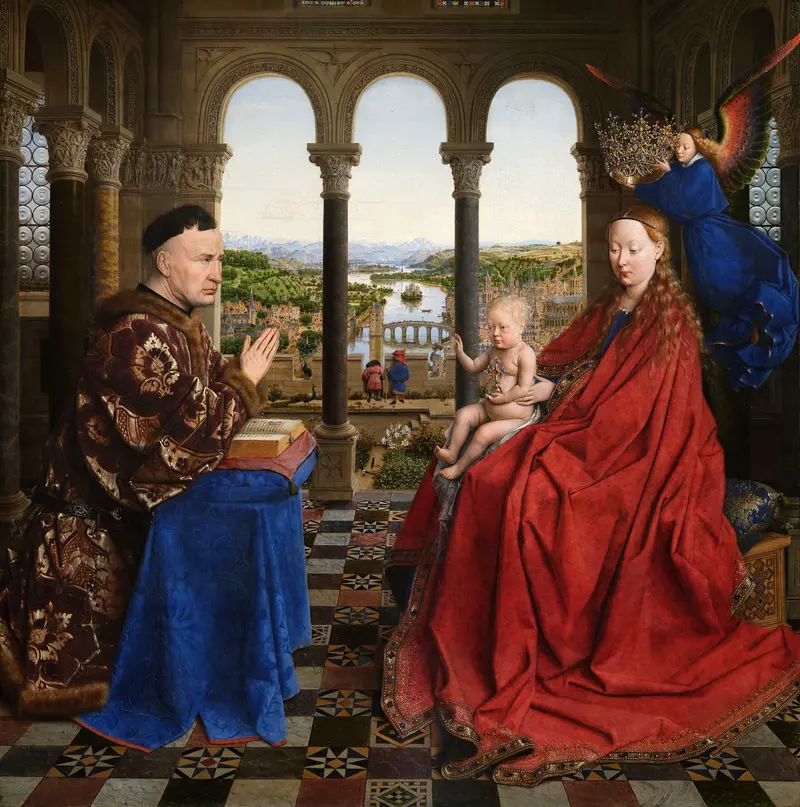
Madonna of Chancellor Rolin
Jan van Eyck
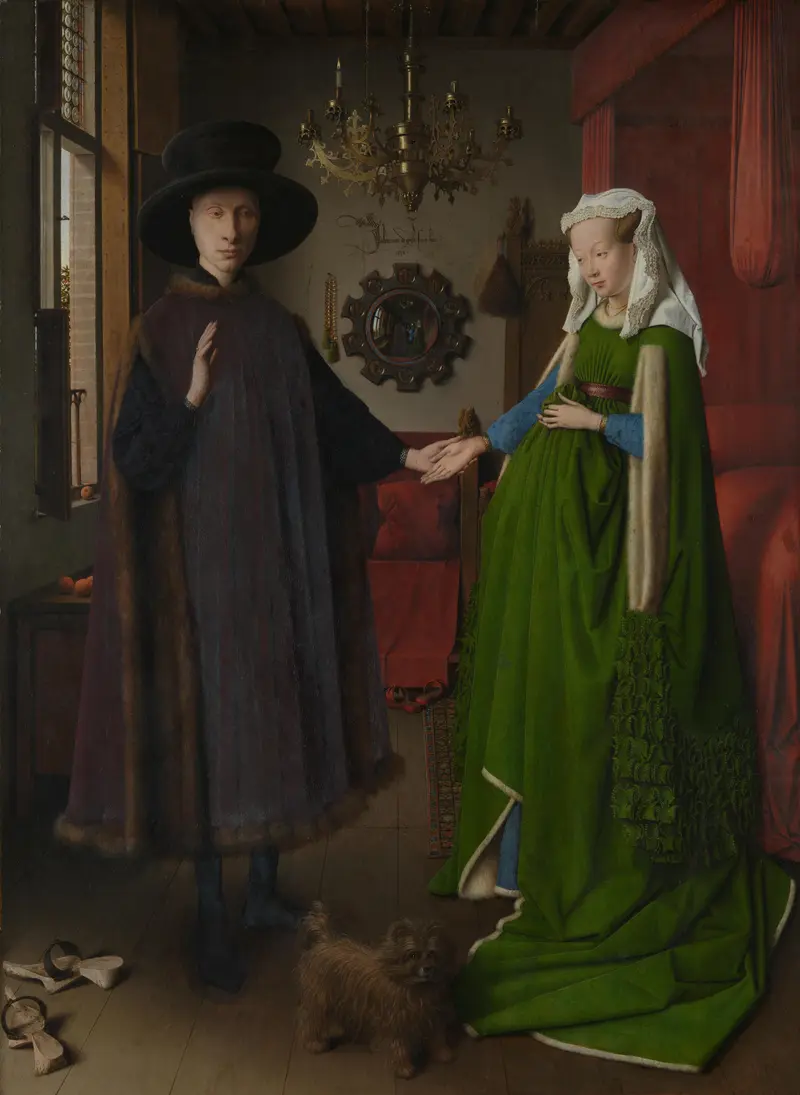
The Arnolfini Portrait
Jan van Eyck
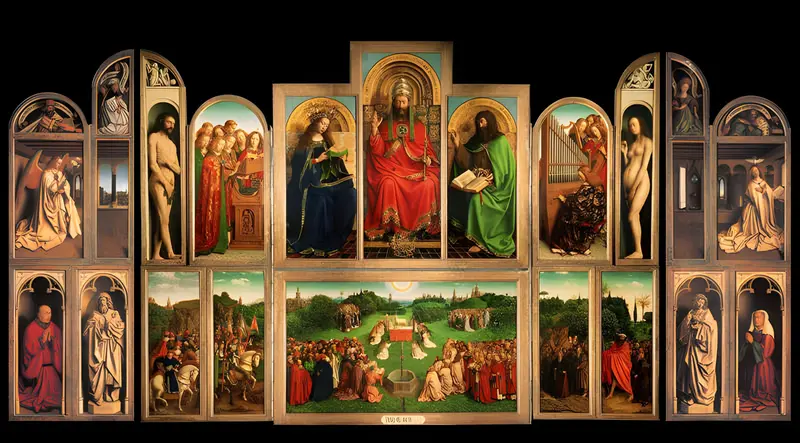
Ghent Altarpiece
Jan van Eyck

Dresden Triptych
Jan van Eyck
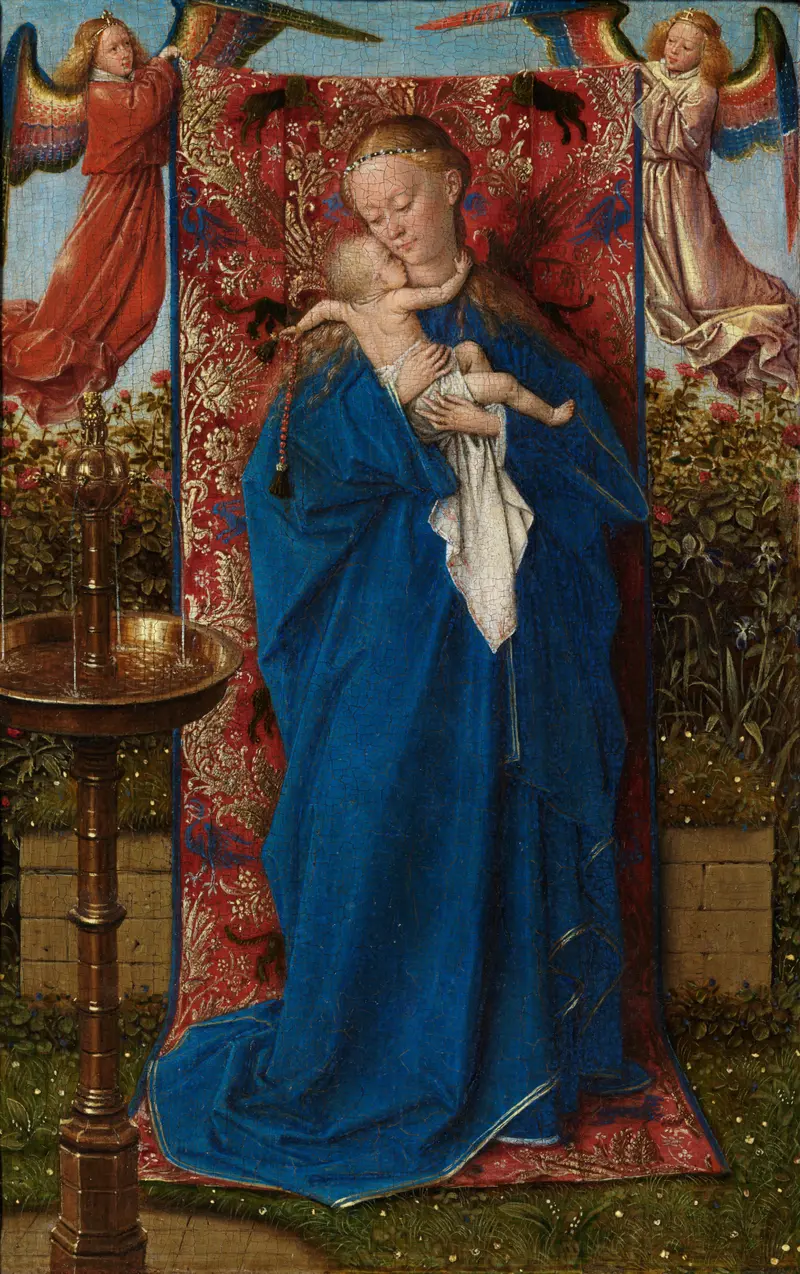
Madonna at the Fountain
Jan van Eyck

Madonna with Canon Joris van der Paele
Jan van Eyck

Prophet Zacharias; Angel of The Annunciation
Jan van Eyck
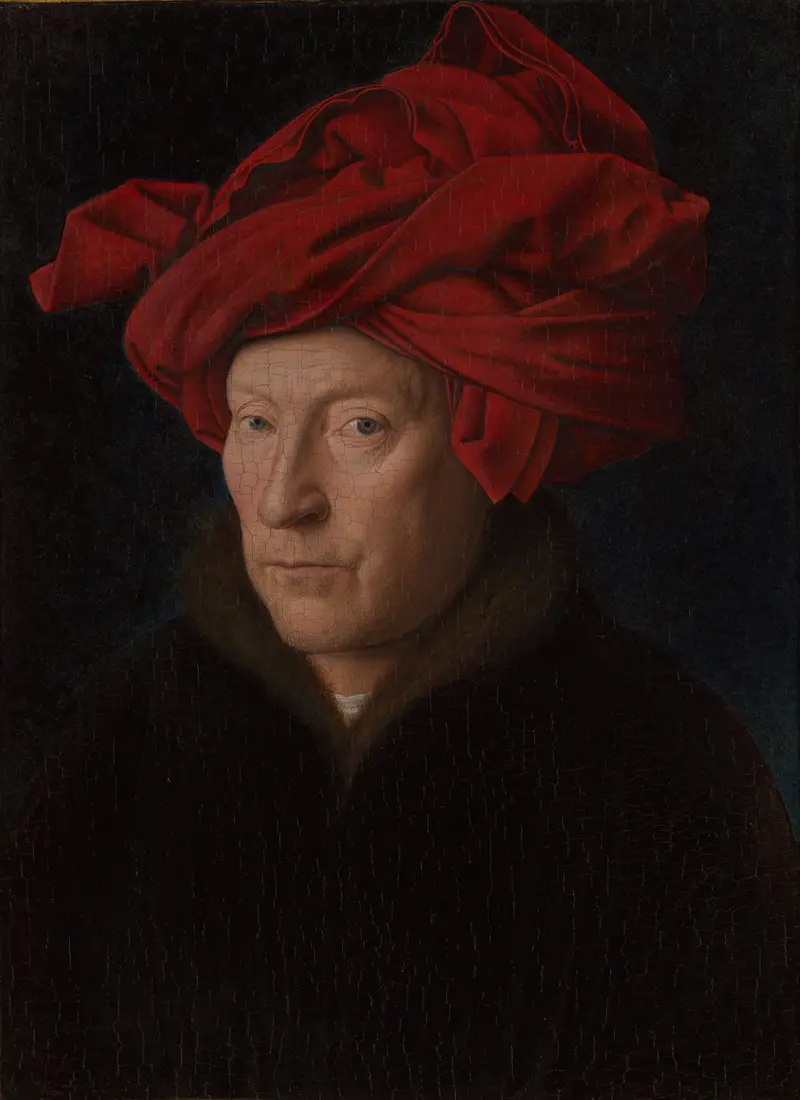
Portrait of a Man (Self Portrait?)
Jan van Eyck
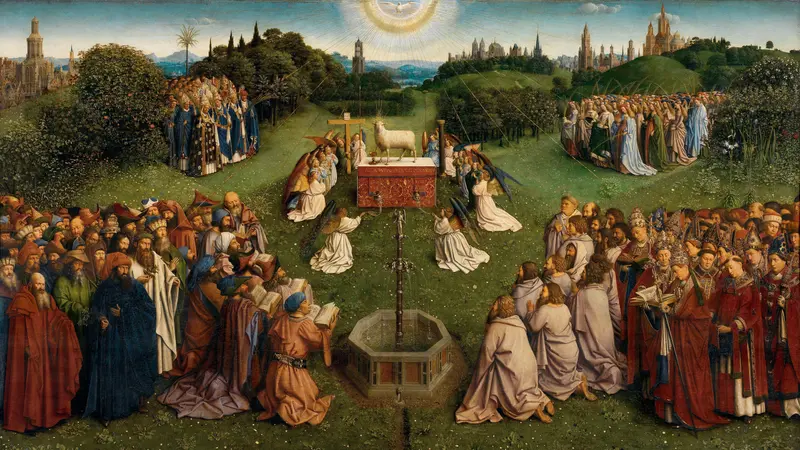
Adoration of the Lamb from the Ghent Altarpiece
Jan van Eyck





