
Portrait Of James Hepburn — History & Facts
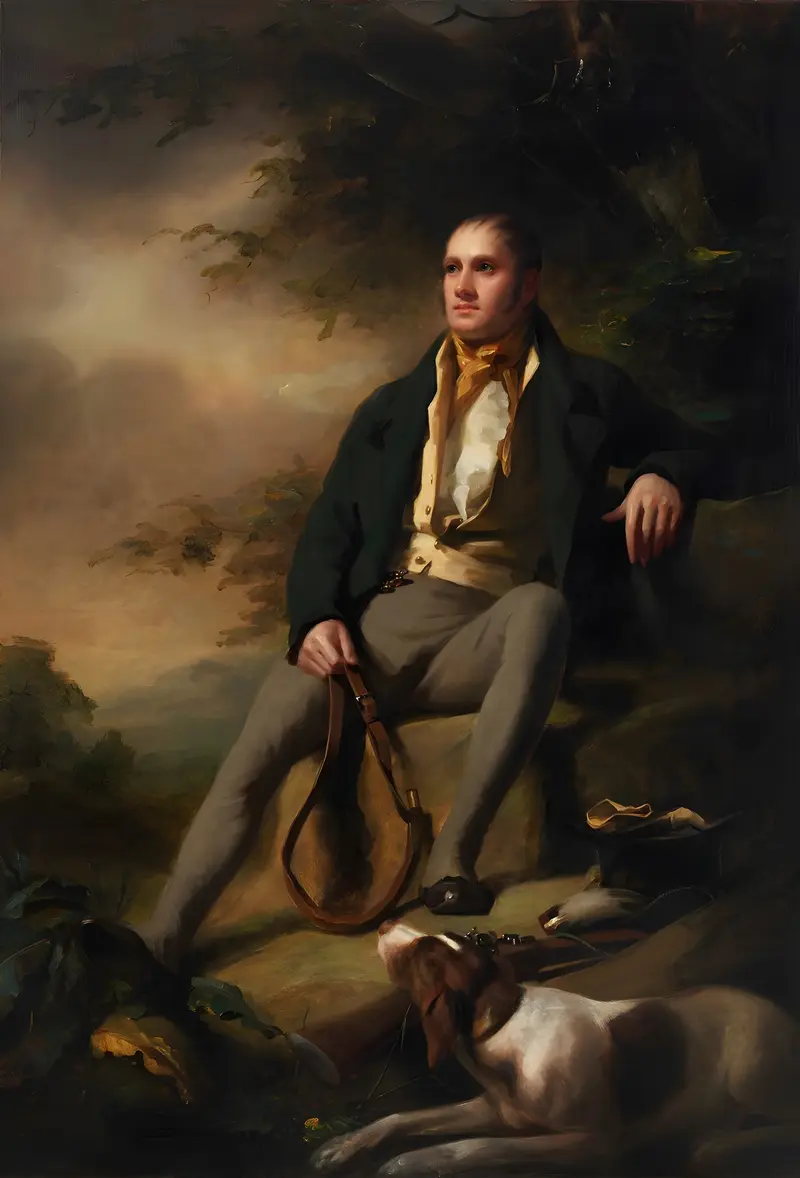
When Sir Henry Raeburn painted Portrait Of James Hepburn, he captured not just a likeness but the rising sense of Scottish identity in the late eighteenth century. Raeburn was renowned for his ability to paint the personalities of Edinburgh’s elite, and his portraits were so sought after that contemporaries described his studio as "a veritable parade of Scotland’s notables." The sitter, James Hepburn, remains a somewhat shadowy figure—no scandal or grand event is attached to his name—but the portrait’s enduring intrigue lies in its air of quiet confidence, a hallmark of Raeburn’s best work. Raeburn selects a moment of composed reflection, presenting Hepburn with a direct gaze and relaxed posture. The sitter’s attire, likely a dark coat with a crisp white cravat, signals both respectability and modernity, while the subtle play of light across his face and hands draws the viewer into an intimate conversation.
Unlike the flamboyant flourishes of Thomas Lawrence, Raeburn’s approach is restrained, focusing on psychological presence rather than theatricality. The background is kept simple, ensuring that all attention falls on Hepburn’s expression—a blend of reserve and intelligence that suggests a man aware of his place in a changing society. The precise date and circumstances of the commission for Portrait Of James Hepburn are not documented, a common situation with Raeburn’s lesser-known sitters. The painting’s provenance is similarly elusive; it likely passed through private hands before entering a public collection, as was the fate of many Raeburn portraits.
Today, it stands as a testament to Raeburn’s role in shaping the visual identity of Enlightenment Scotland, marking a period when portraiture became a vehicle for personal and national self-definition. Its survival, despite the gaps in its recorded history, speaks to the enduring appeal of Raeburn’s vision and the quiet dignity of his subjects.
More Artworks by Sir Henry Raeburn

Portrait of Hugh Hope
Sir Henry Raeburn
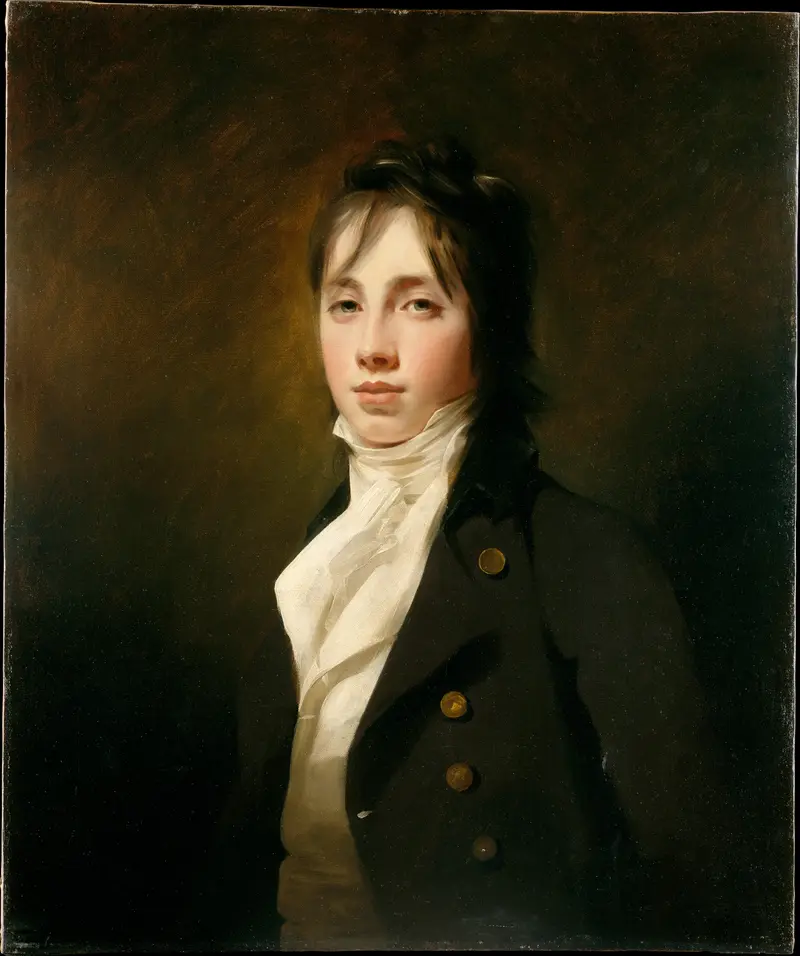
William Fraser of Reelig (1784–1835)
Sir Henry Raeburn
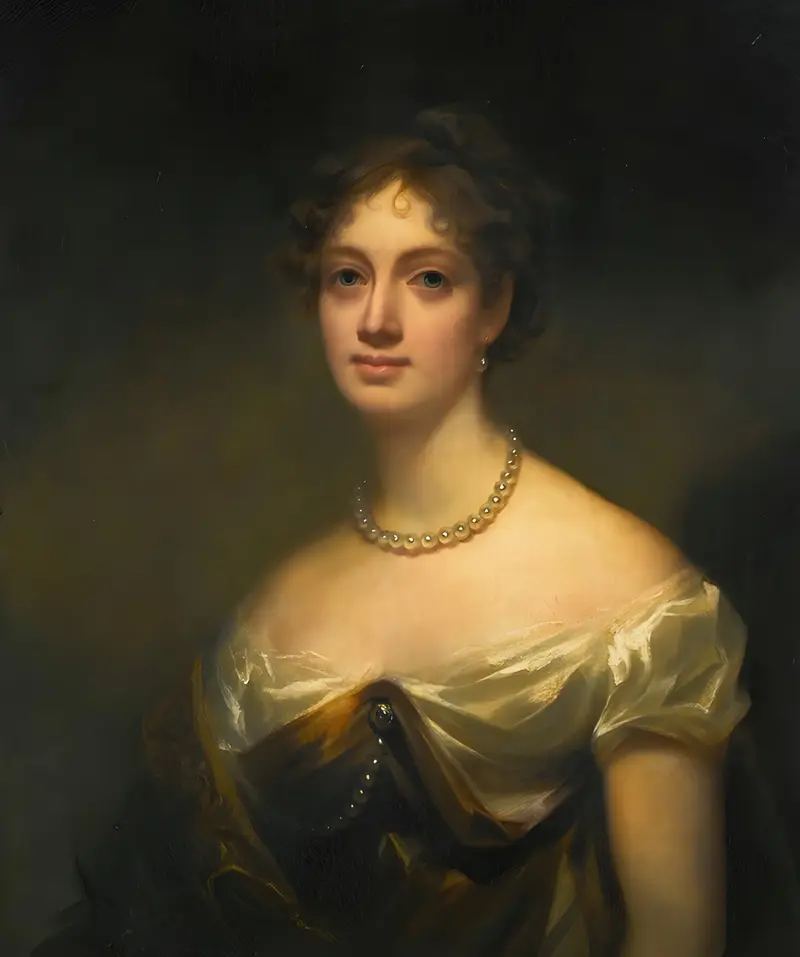
Portrait Of Anne Blair Maconochie Welwood Of Garvock, Lady Meadowbank (1784–1866)
Sir Henry Raeburn
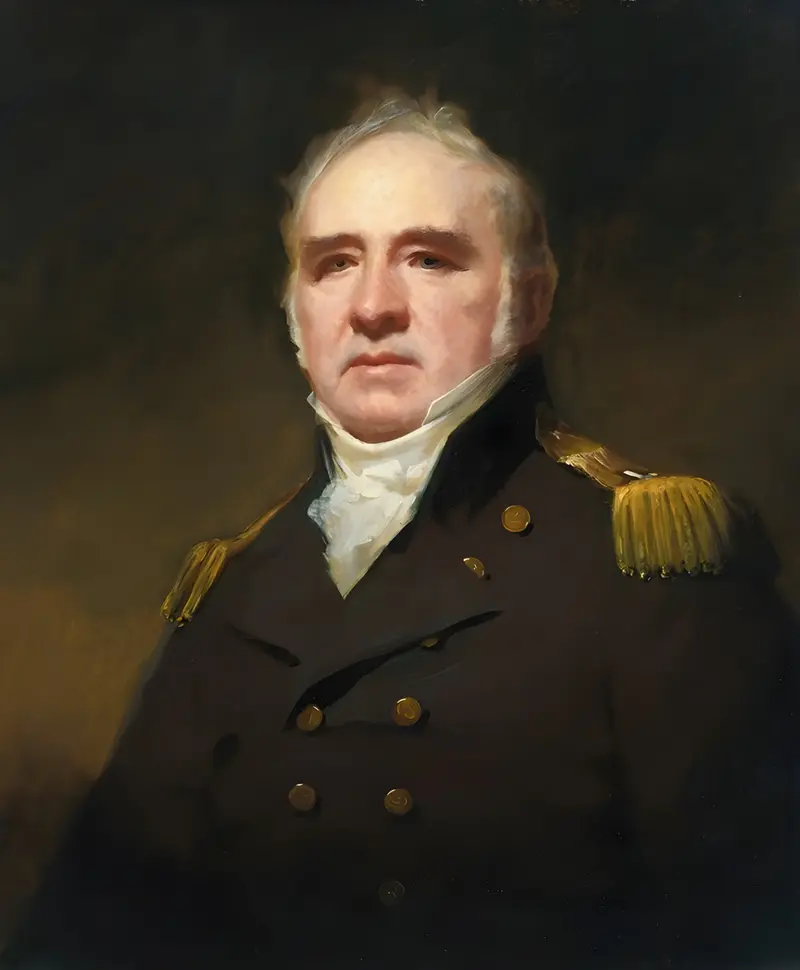
Portrait Of Captain James Forbes-Drummond, R.N., Of Hawthornden
Sir Henry Raeburn
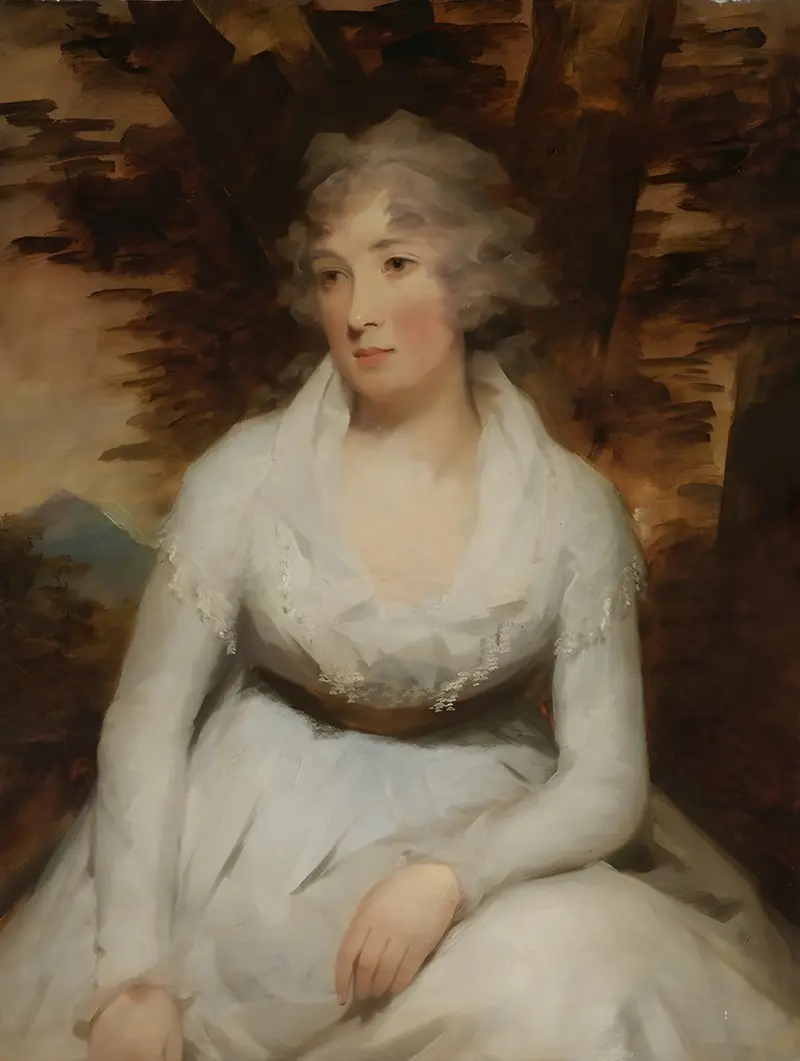
Miss Elizabeth Dalrymple (afterwards Mrs. George Leith)
Sir Henry Raeburn
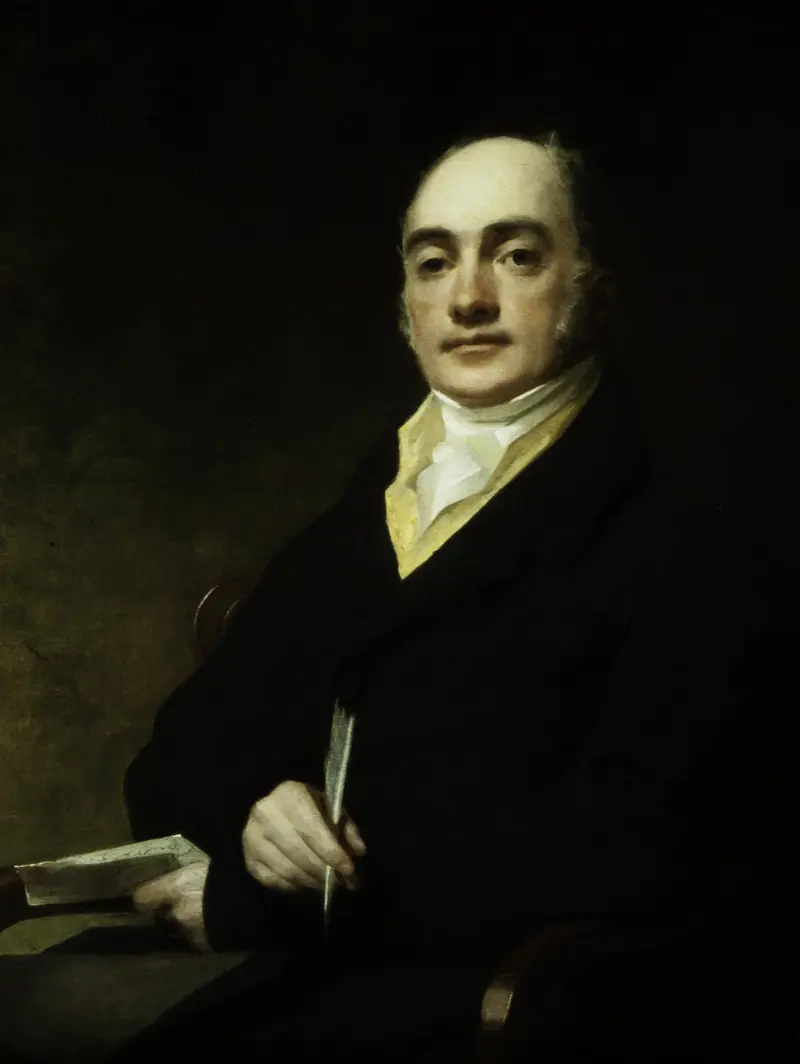
Portrait of John Baillie (1772-1833)
Sir Henry Raeburn
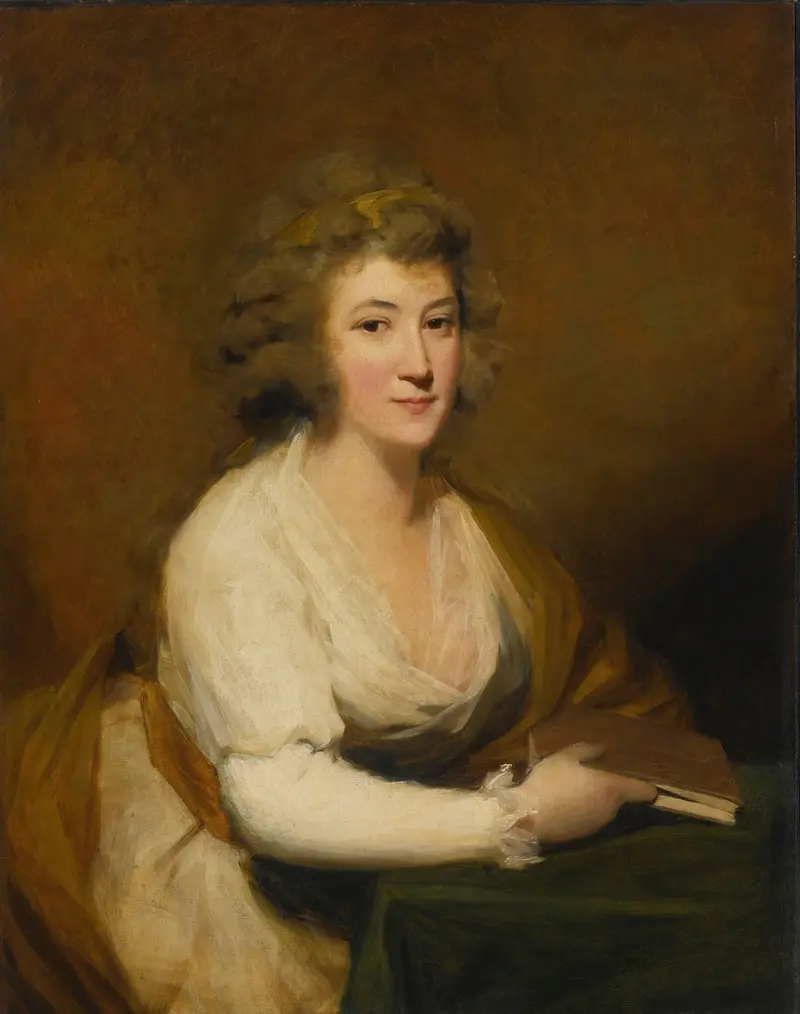
Portrait Of Lady Nasmyth, In A White Dress And Brown Shawl, Seated At A Table, Holding A Book
Sir Henry Raeburn
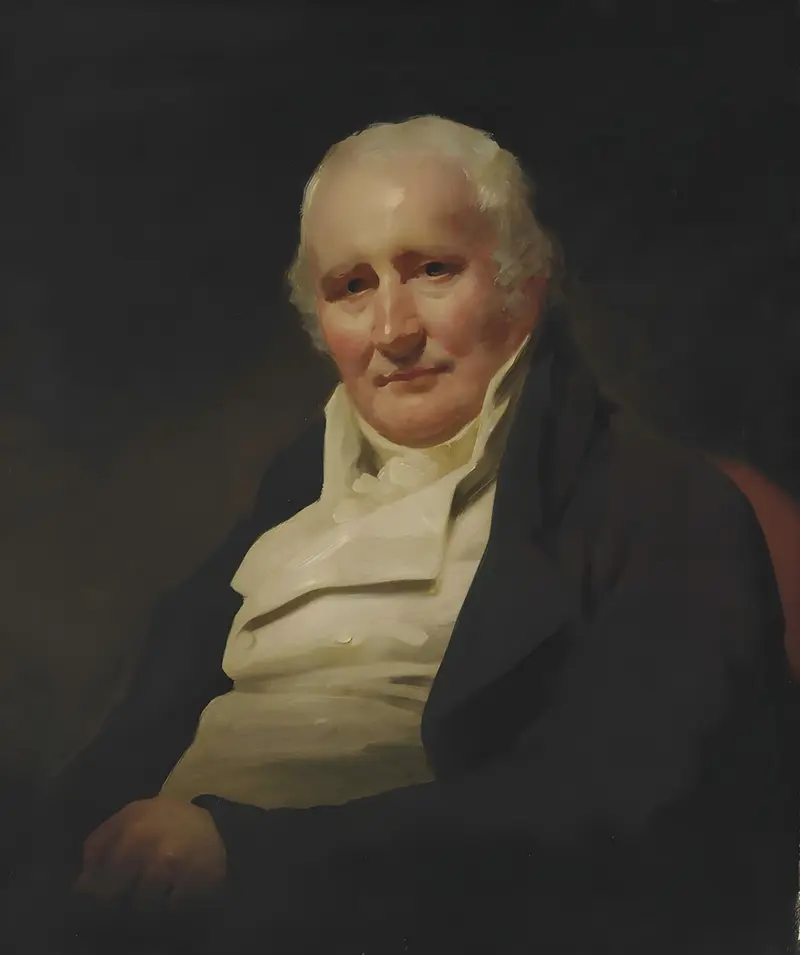
Portrait Of Mr. Spottiswood
Sir Henry Raeburn
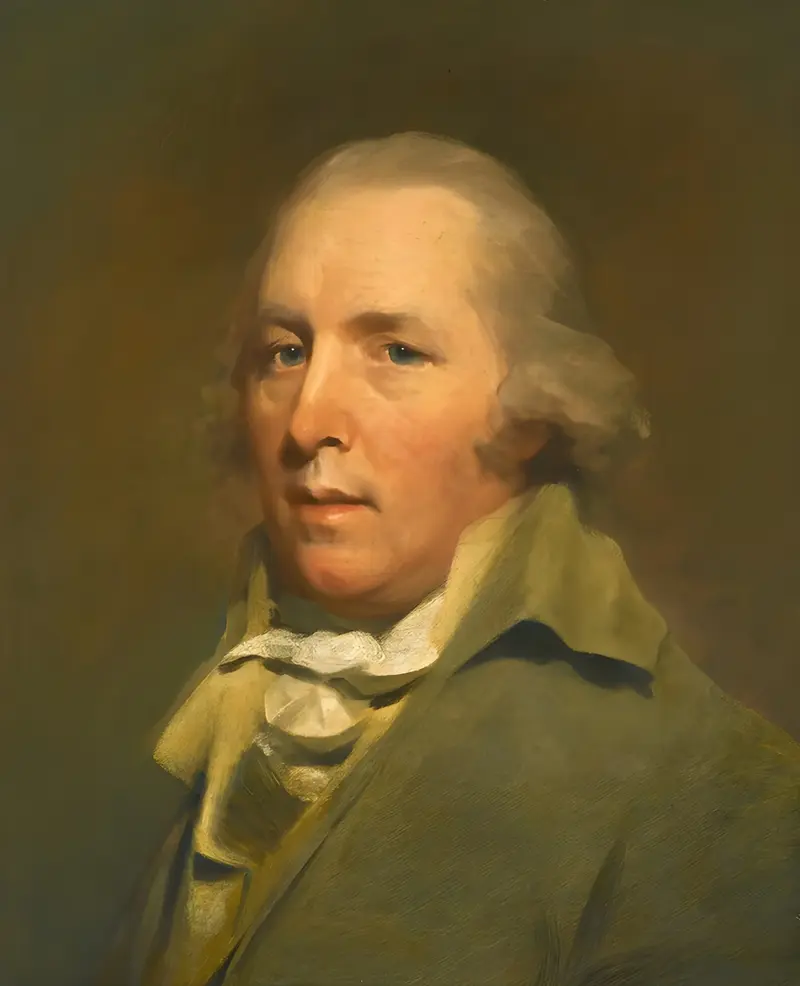
Portrait Of The Reverend John Home (1722-1808)
Sir Henry Raeburn
Portrait of William Hunt (c.1796-1854), Pittencrief House, Dunfermline
Sir Henry Raeburn





