
Portrait of Katherine Hamilton, Lady Suttie of Balgone (D. 1817) — History & Facts
When Sir Henry Raeburn painted Portrait of Katherine Hamilton, Lady Suttie of Balgone (D. 1817), he was already celebrated as the leading portraitist of the Scottish Enlightenment, yet the sitter’s identity has long intrigued historians. Lady Suttie, born Katherine Hamilton, was a figure of some local renown, her marriage linking two prominent Scottish families.
The painting’s commission is undocumented, but its existence signals the Sutties’ desire to assert their status and lineage in a period when portraiture was both social currency and private commemoration. The lack of a recorded date or medium only deepens the aura of mystery that surrounds this work, inviting speculation about its place in Raeburn’s prolific output. Lady Suttie appears seated, her gaze direct yet reserved, hands gently folded in her lap—a pose that balances dignity with approachability. Raeburn’s characteristic use of natural light falls softly across her face, highlighting the delicate textures of her dress and the subtle flush of her cheeks.
The absence of ostentatious jewelry or elaborate background focuses attention on her presence rather than her possessions, a choice that echoes the democratic spirit of Raeburn’s Scottish contemporaries. Compared to the grand, theatrical settings favored by Thomas Gainsborough, Raeburn’s approach is intimate, emphasizing psychological depth over spectacle. Every detail, from the set of her shoulders to the calm intelligence in her eyes, speaks to the sitter’s individuality and the artist’s empathy. The painting’s journey through time is not fully documented, but works like this were typically passed down through family lines or entered private collections, treasured as records of ancestry.
Today, Portrait of Katherine Hamilton, Lady Suttie of Balgone (D. 1817) is recognized as part of the broader tradition of late eighteenth- and early nineteenth-century Scottish portraiture, a field in which Raeburn stands as a central figure. His ability to capture both likeness and character made him a favorite among the Scottish elite, and portraits such as this one remain valued for their insight into the personalities and aspirations of their age.
Though the painting’s early history is obscure, its survival attests to the enduring appeal of Raeburn’s vision and the lasting significance of Lady Suttie’s quiet strength.
More Artworks by Sir Henry Raeburn

Portrait of Hugh Hope
Sir Henry Raeburn
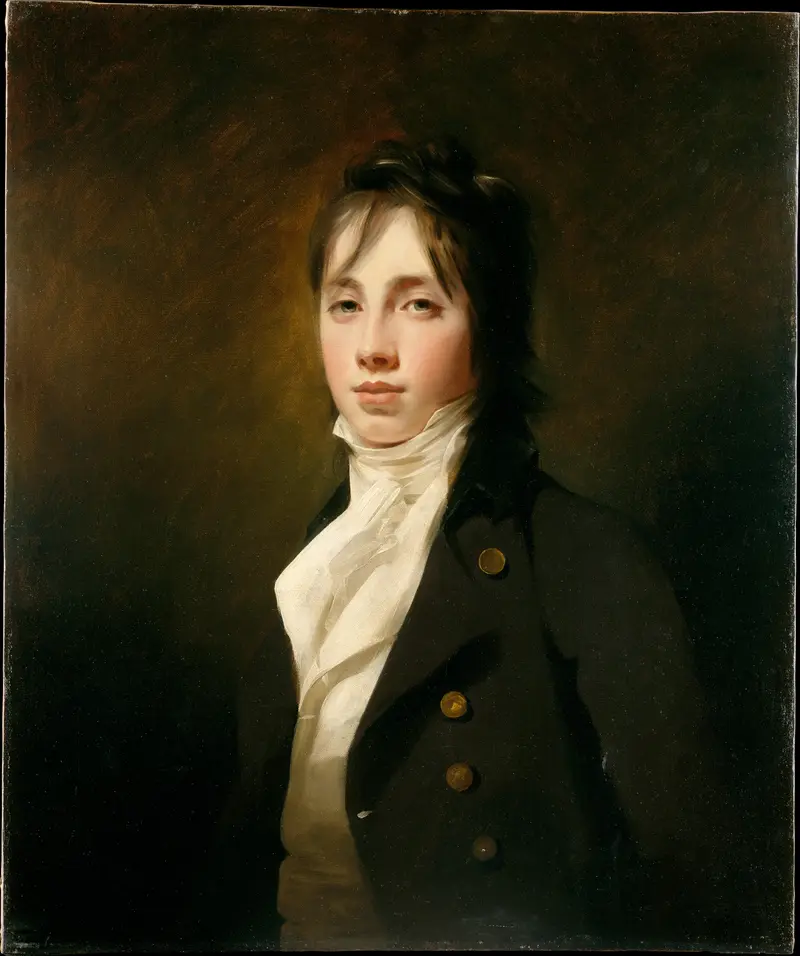
William Fraser of Reelig (1784–1835)
Sir Henry Raeburn
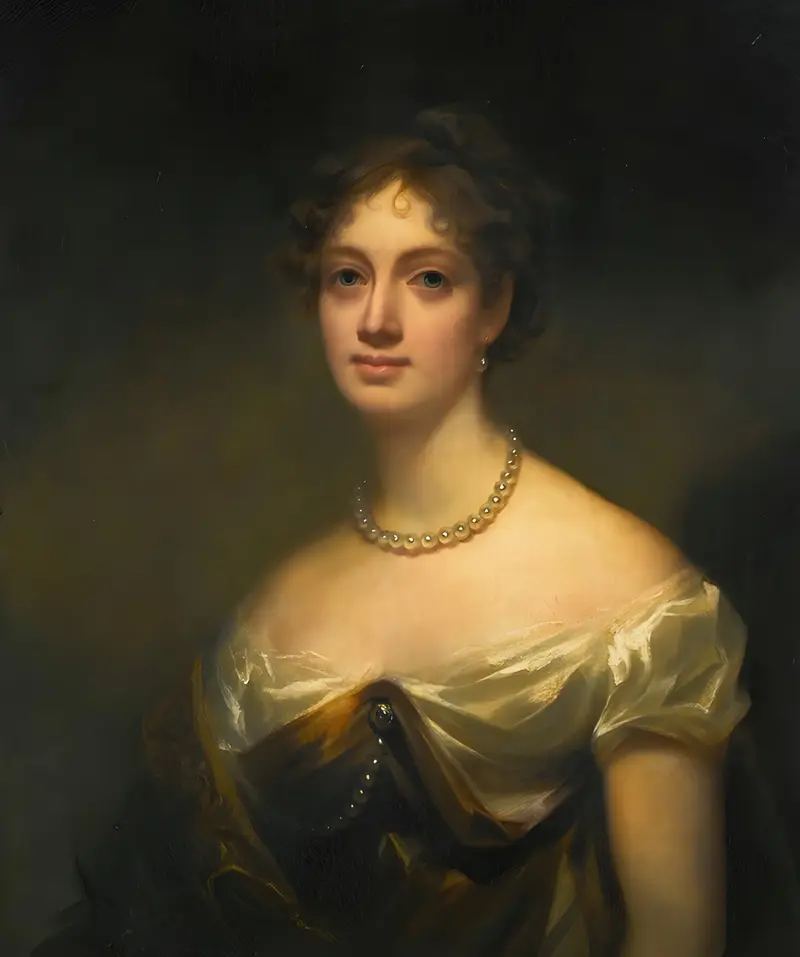
Portrait Of Anne Blair Maconochie Welwood Of Garvock, Lady Meadowbank (1784–1866)
Sir Henry Raeburn
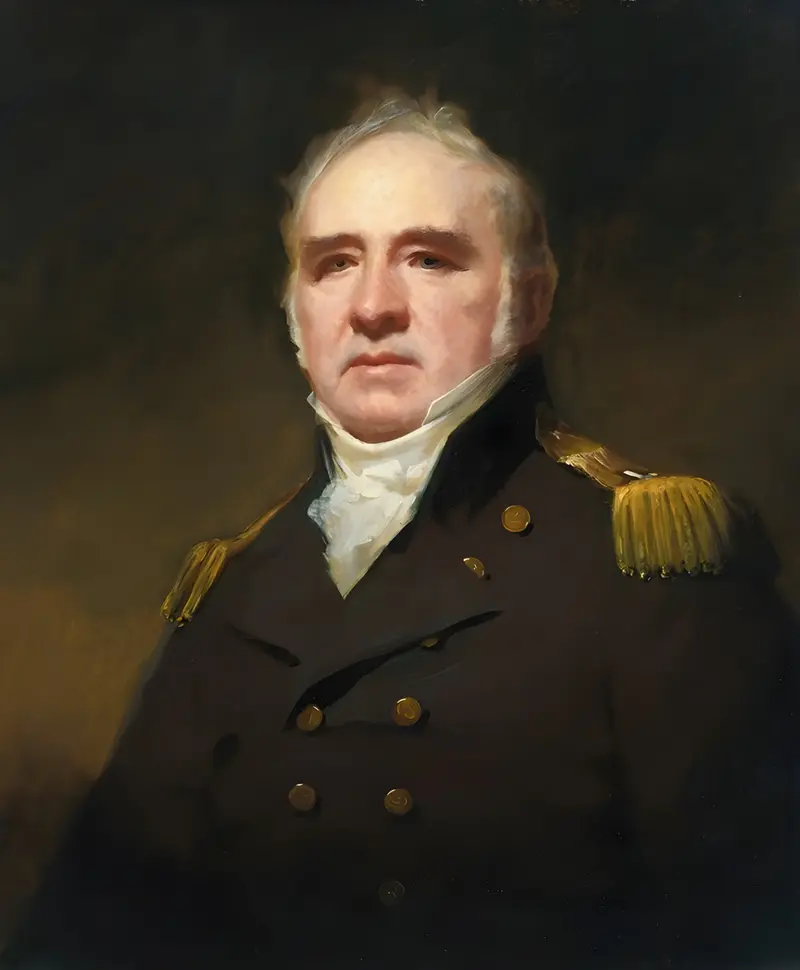
Portrait Of Captain James Forbes-Drummond, R.N., Of Hawthornden
Sir Henry Raeburn
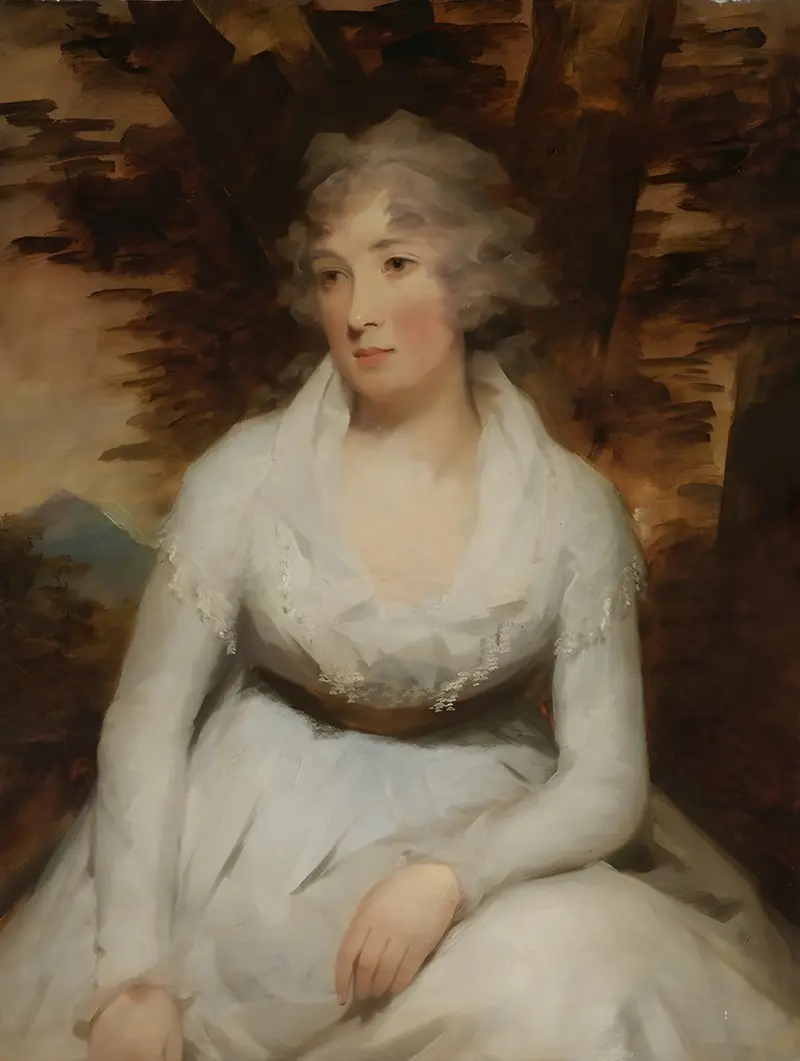
Miss Elizabeth Dalrymple (afterwards Mrs. George Leith)
Sir Henry Raeburn
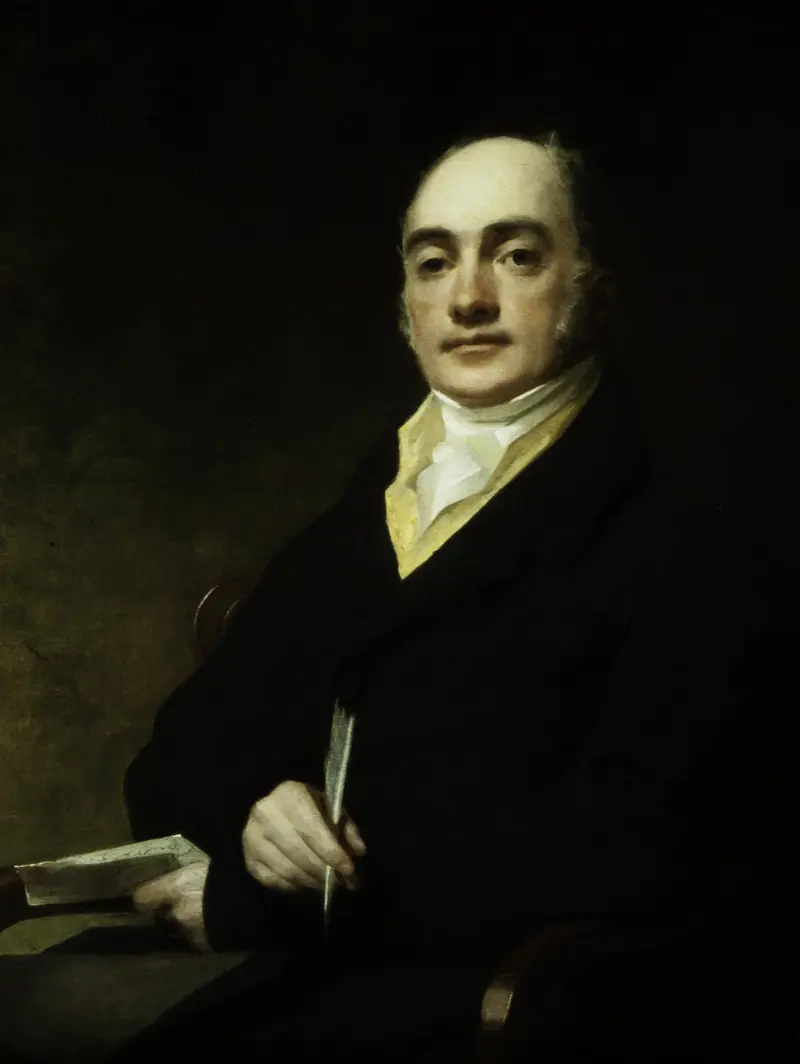
Portrait of John Baillie (1772-1833)
Sir Henry Raeburn
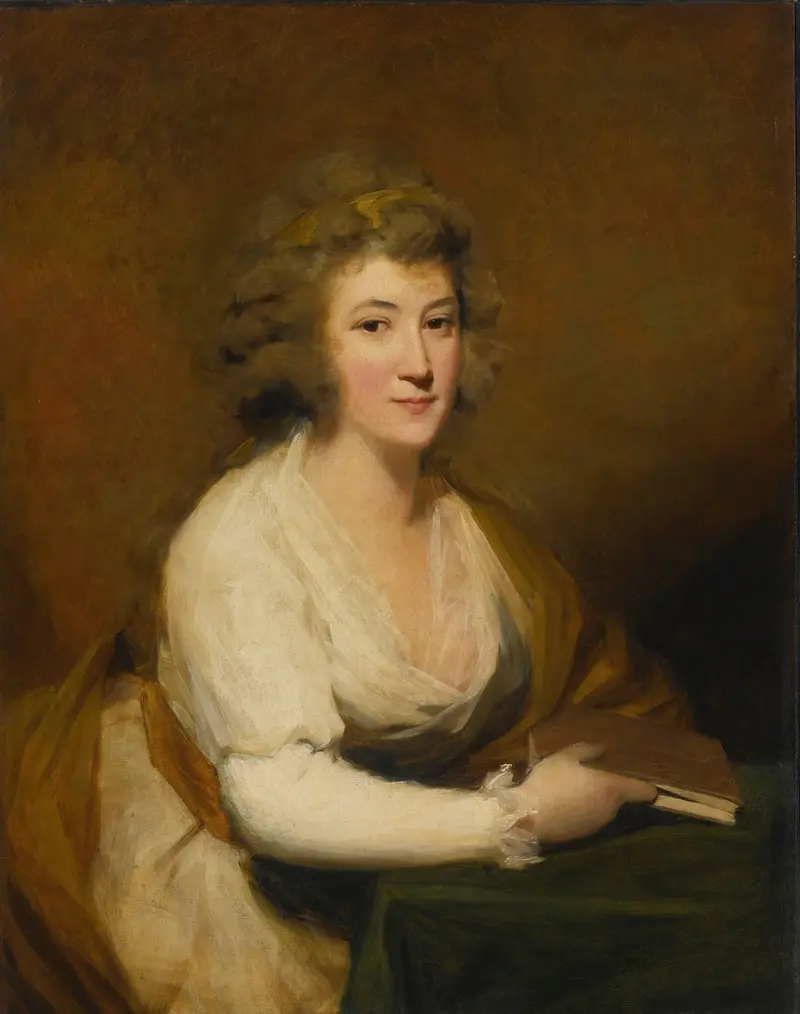
Portrait Of Lady Nasmyth, In A White Dress And Brown Shawl, Seated At A Table, Holding A Book
Sir Henry Raeburn
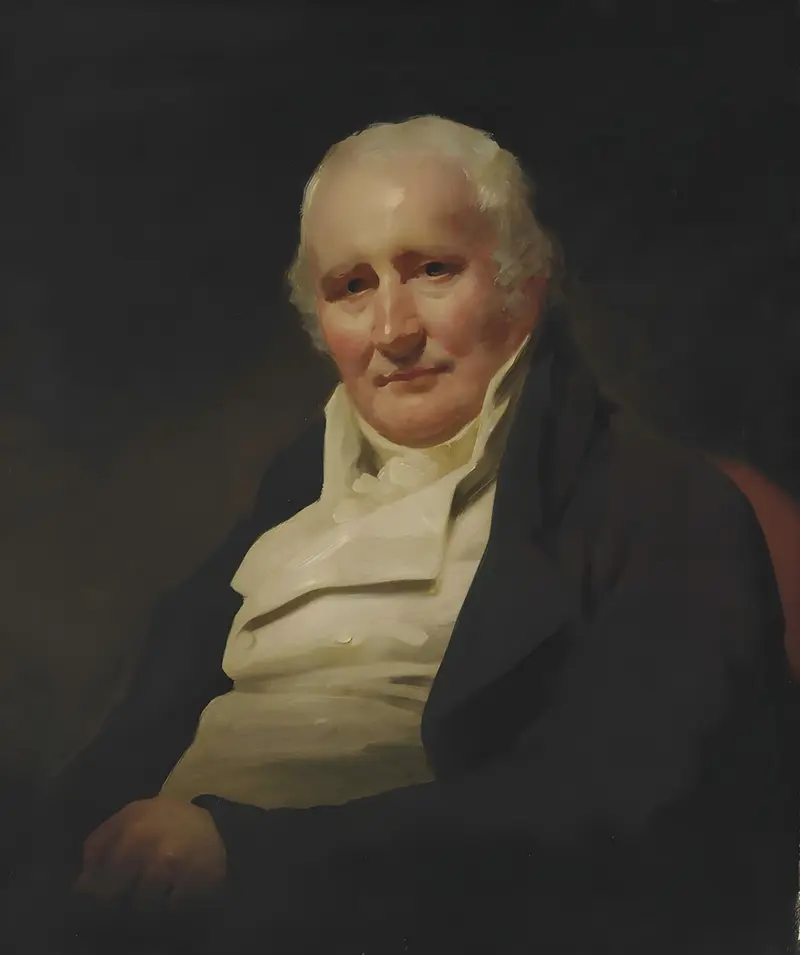
Portrait Of Mr. Spottiswood
Sir Henry Raeburn
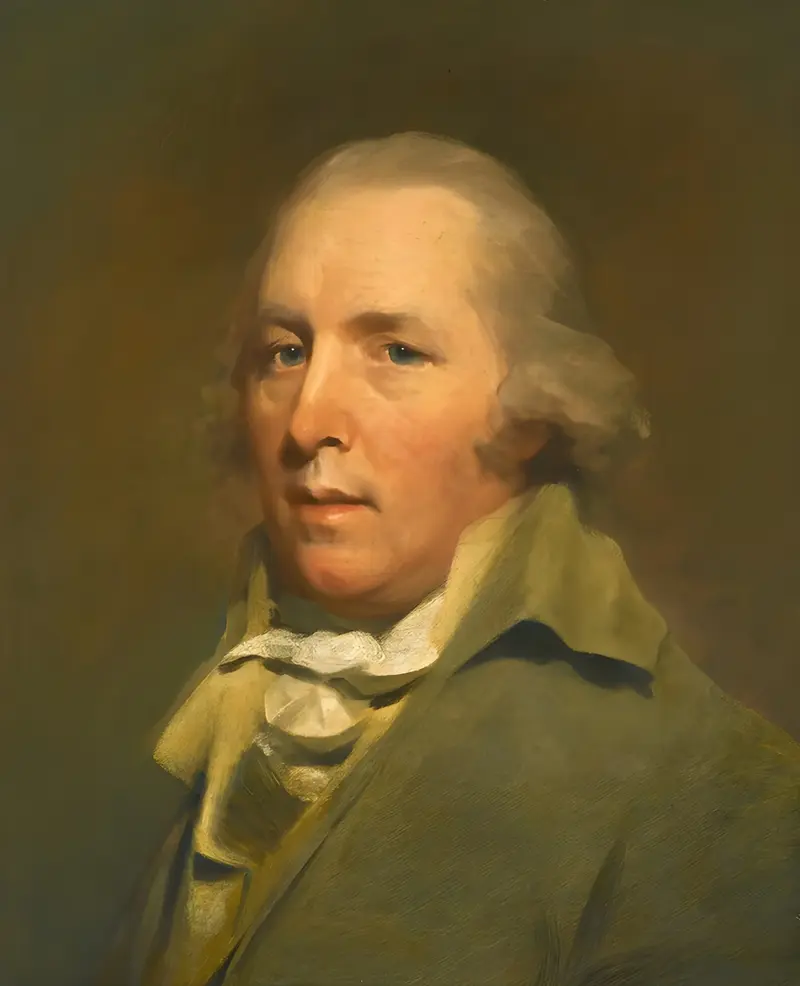
Portrait Of The Reverend John Home (1722-1808)
Sir Henry Raeburn
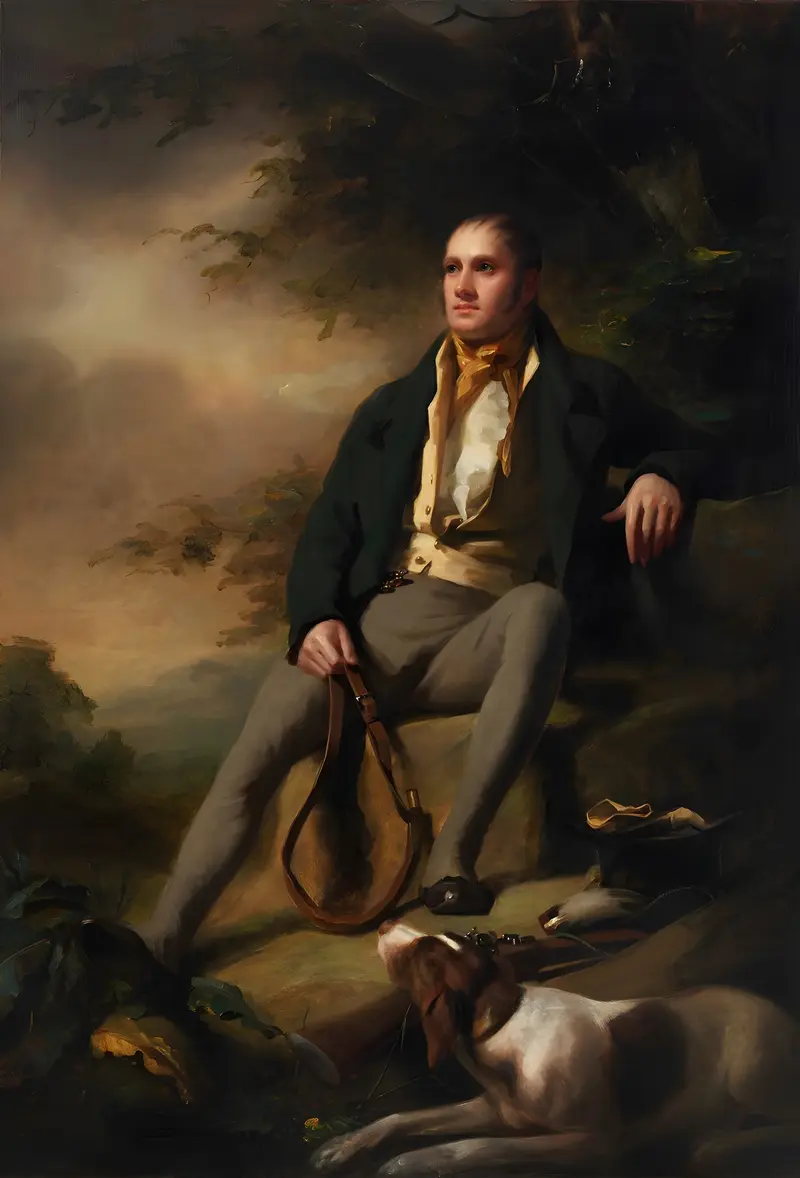
Portrait of William Hunt (c.1796-1854), Pittencrief House, Dunfermline
Sir Henry Raeburn





