
Portrait of Maria Levittoux — History & Facts
When Jan Matejko painted Portrait of Maria Levittoux in 1872, he chose as his subject a woman whose name was already spoken in hushed tones among Polish patriots. Maria Levittoux was a nurse and a heroine of the November Uprising of 1830-31, remembered for her courage in tending to wounded insurgents and for her own tragic fate—she died in a Russian prison at just twenty-three. Matejko’s decision to immortalize her came at a time when Poland’s national spirit was under threat, and her image became a quiet act of resistance, a coded tribute to fortitude under oppression. The painting captures Maria at a moment of poised resolve: her gaze is steady, not pleading, her hands folded around a simple rosary that glimmers against the somber fabric of her dress.
The light falls gently on her face, illuminating the determination in her eyes and the pallor that hints at her suffering. Behind her, a shadowy suggestion of prison bars and a single, wilting flower speak to her captivity and fading life. Unlike Delacroix’s dramatic heroines, Matejko’s Maria is understated, her heroism revealed not through grand gestures but through the quiet dignity of her bearing and the symbolic objects that surround her. The exact provenance of Portrait of Maria Levittoux remains uncertain, as the work does not appear in early inventories of Matejko’s major commissions.
It is likely that the portrait was created for a private patron sympathetic to the Polish cause, and for many years it was known only through reproductions and mentions in memoirs of the period. Today, the painting is recognized as a rare example of Matejko’s engagement with recent history and with female subjects—most of his celebrated works focus on grand historical tableaux. Portrait of Maria Levittoux stands apart in its intimacy and its quiet celebration of individual sacrifice, a testament to both the sitter and the artist’s deep sense of national identity.
More Artworks by Jan Matejko
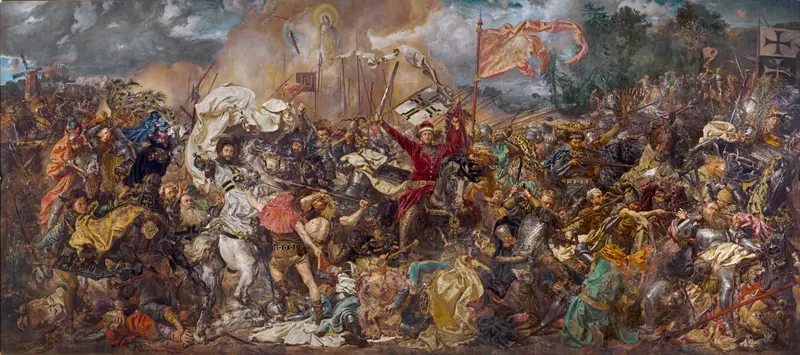
Battle of Grunwald
Jan Matejko

Stańczyk
Jan Matejko

Battle of Raclawice
Jan Matejko
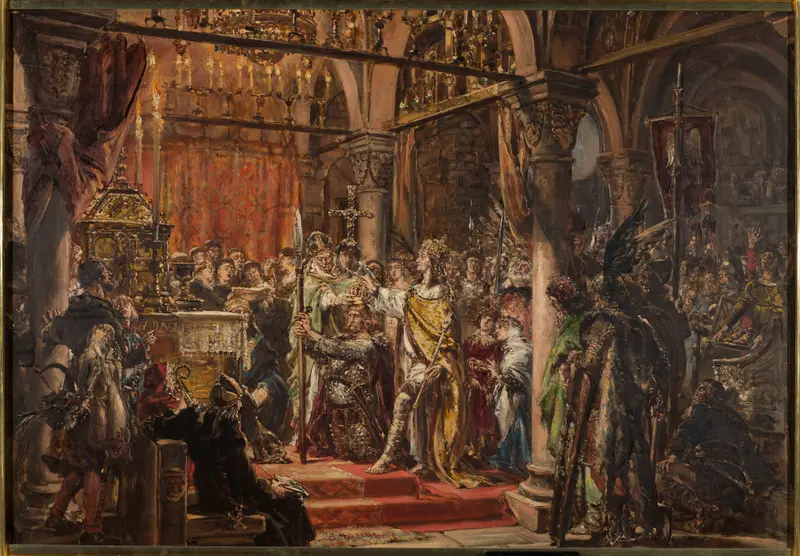
Coronation of the First King, 1001 AD, from the series “History of Civilization in Poland”
Jan Matejko
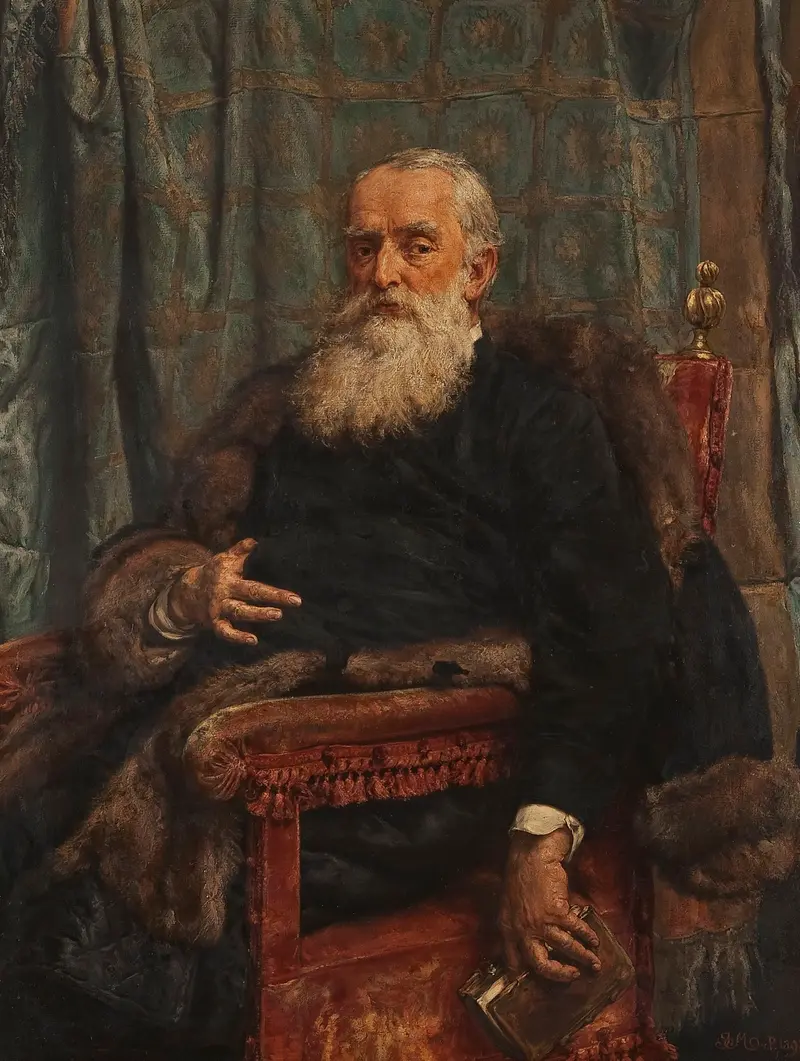
Portrait of Henryk Krajewski
Jan Matejko
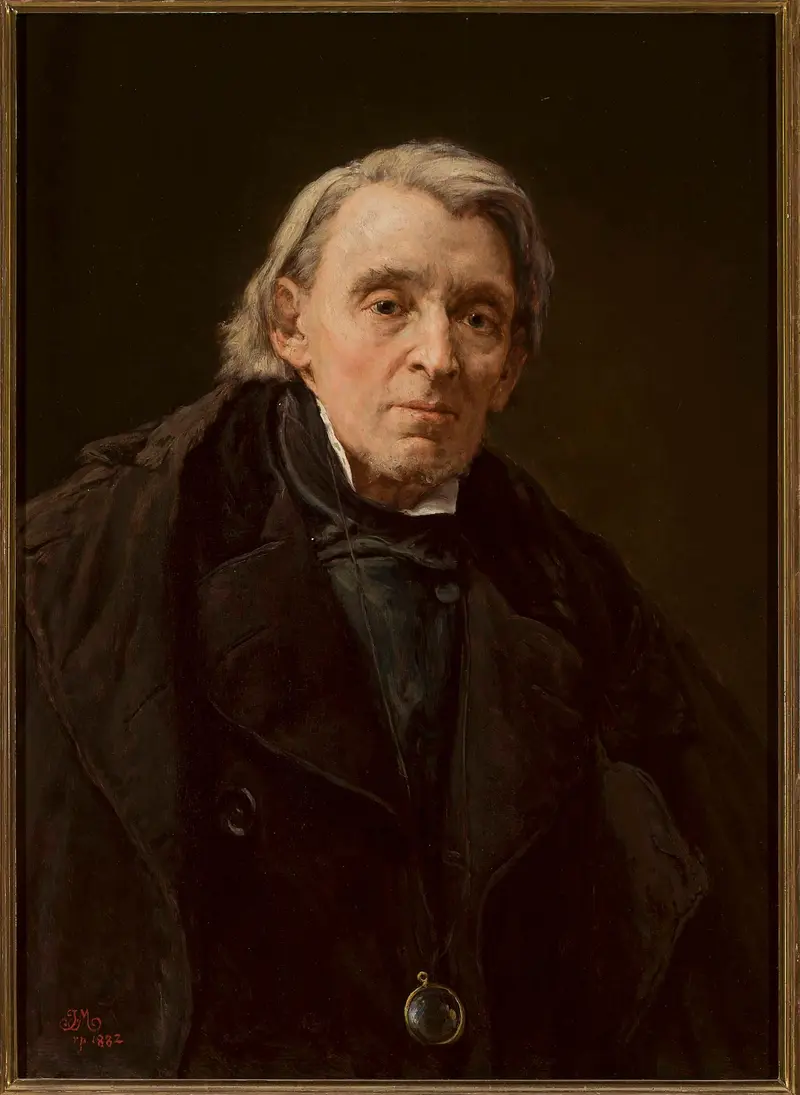
Portrait of Karol Podlewski
Jan Matejko
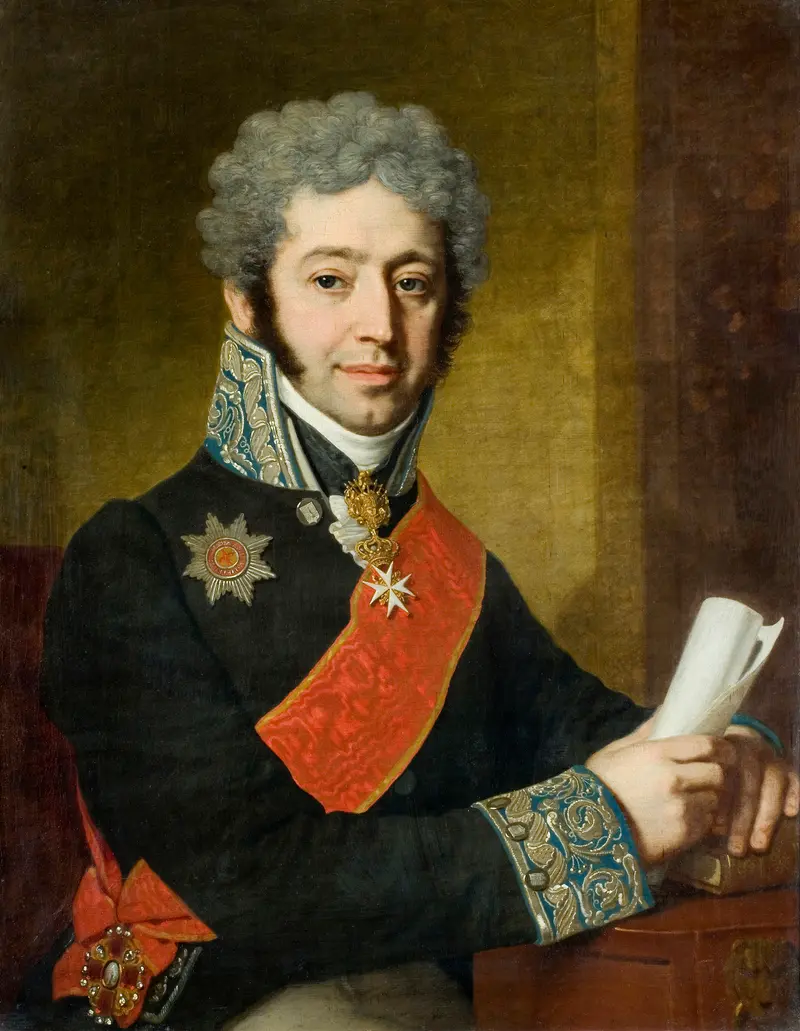
Portrait of Potocki and Poninski
Jan Matejko
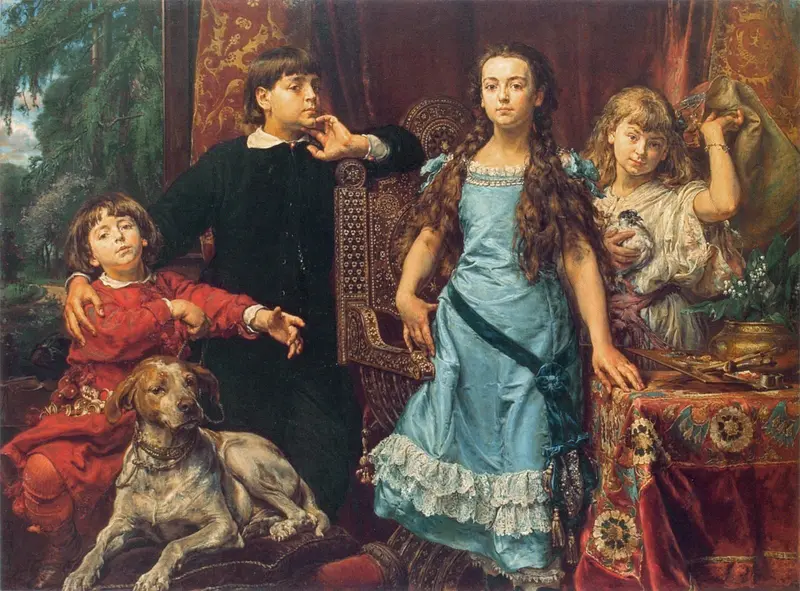
Portrait of the artist's four children
Jan Matejko
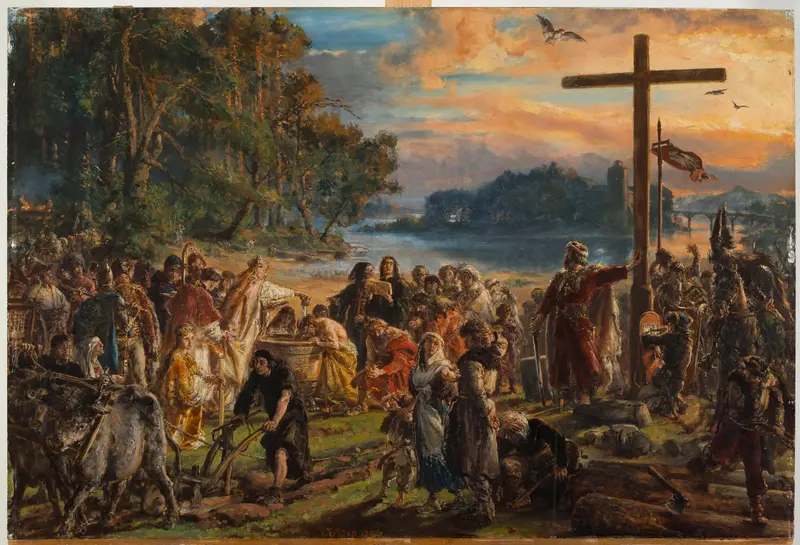
Introduction of Christianity in Poland
Jan Matejko
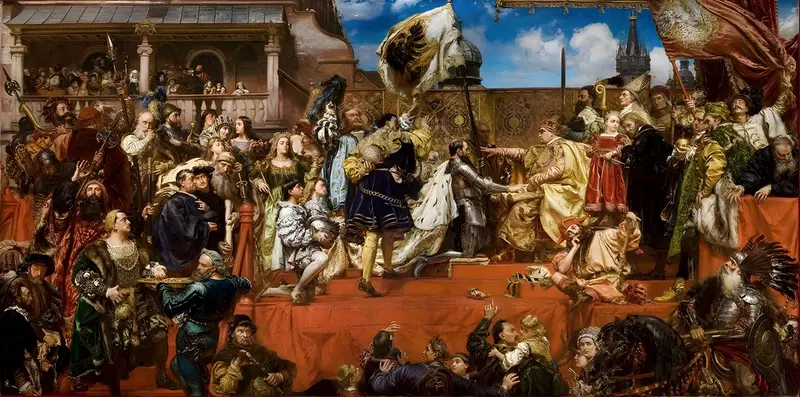
Prussian Homage
Jan Matejko





