
Portrait of Mr. William Ferguson of Raith — History & Facts
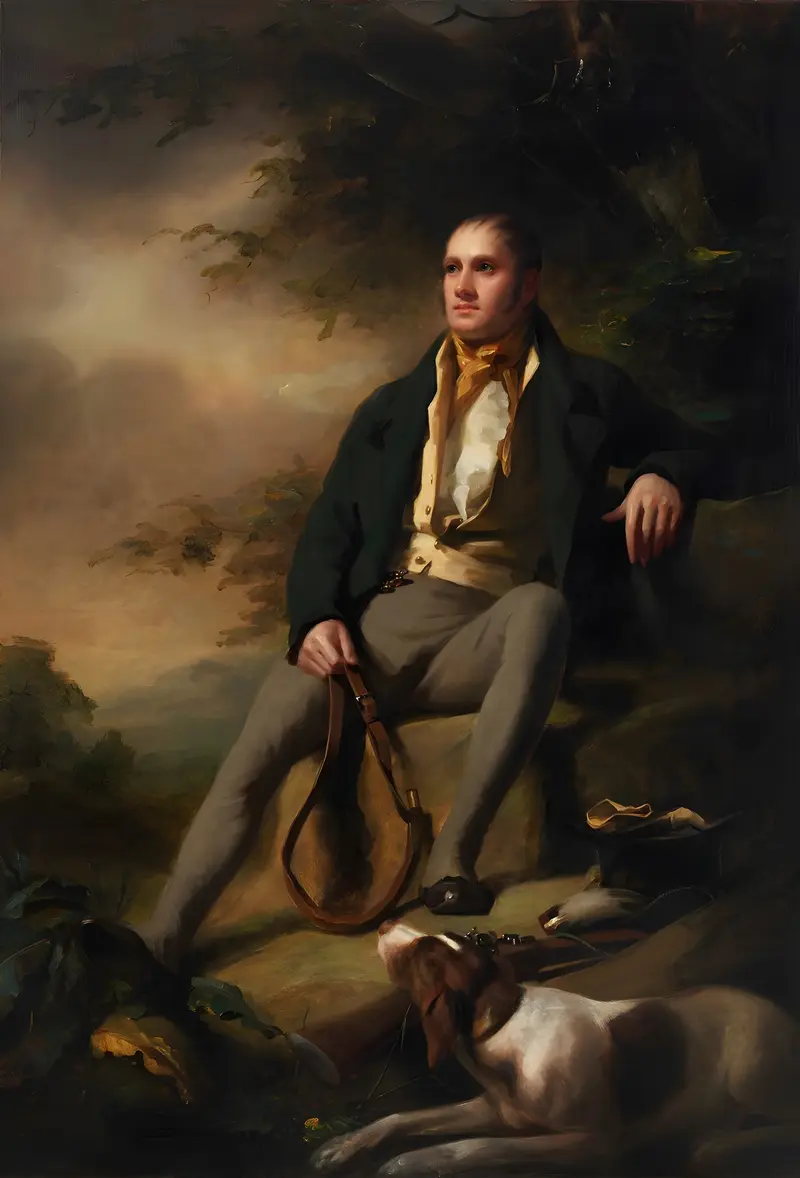
When Sir Henry Raeburn painted Portrait of Mr. William Ferguson of Raith, he captured not just a likeness but the very image of a rising Scottish landowner at the dawn of the nineteenth century. The sitter, William Ferguson, would later become a noted agricultural reformer and a prominent figure in Fife, but at the time of this portrait, he was a young laird returning from his studies and travels.
The painting was likely commissioned to mark this moment of arrival, when Ferguson was poised to take up the responsibilities of the Raith estate. In an era when portraiture was as much about asserting status as recording features, Raeburn’s work stands out for its directness and psychological insight. Ferguson sits turned slightly to one side, his gaze meeting the viewer with a calm confidence. Raeburn’s brushwork is broad and lively, especially in the treatment of the dark coat and white cravat, which set off the ruddy complexion and alert eyes of the sitter.
The background is kept deliberately subdued, focusing attention on Ferguson’s face and the subtle play of light across his features. Unlike the formality of Thomas Lawrence’s English portraits, Raeburn’s approach is more intimate, the sitter’s character emerging through relaxed posture and unguarded expression. The absence of ostentatious props or heraldic symbols signals a new kind of Scottish portraiture, one that values individuality over grandeur. The exact date and circumstances of the painting’s creation remain uncertain, as do details of its early provenance.
What is clear is that Portrait of Mr. William Ferguson of Raith belongs to a period when Sir Henry Raeburn was at the height of his powers, painting the leading figures of Edinburgh society. The work has passed through private hands, and today it is recognized as a key example of Raeburn’s mature style, admired for its freshness and psychological depth.
Its place in the artist’s career is secure: Raeburn’s portraits of Scottish gentry, including this one, helped to define the visual identity of a nation in transition.
More Artworks by Sir Henry Raeburn

Portrait of Hugh Hope
Sir Henry Raeburn
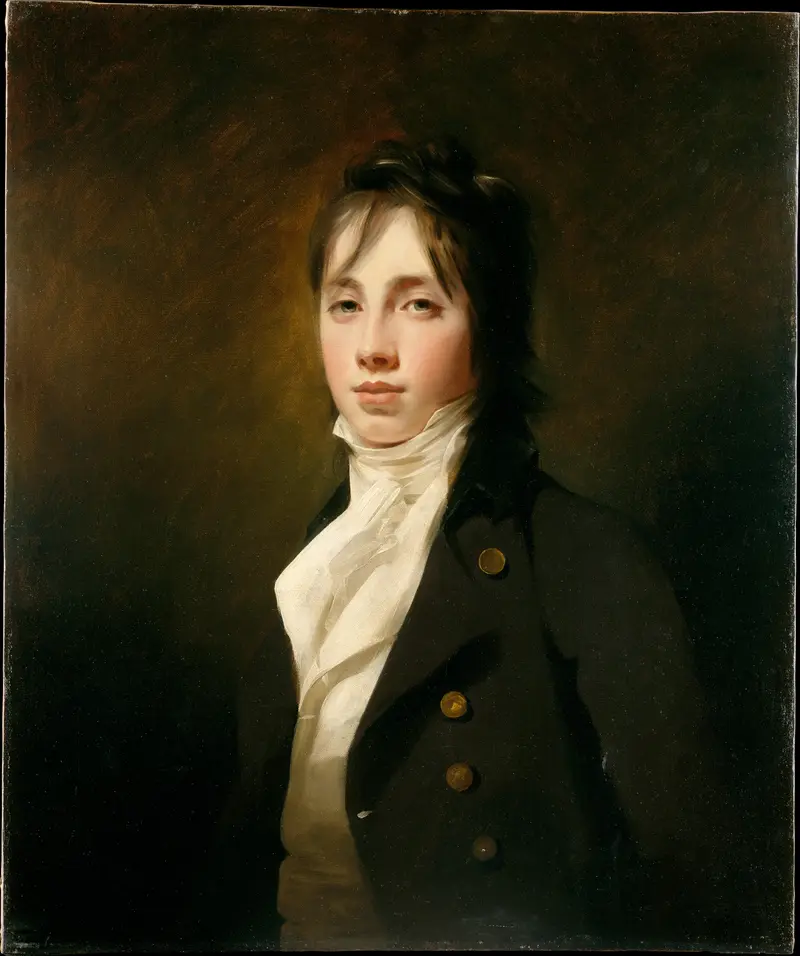
William Fraser of Reelig (1784–1835)
Sir Henry Raeburn
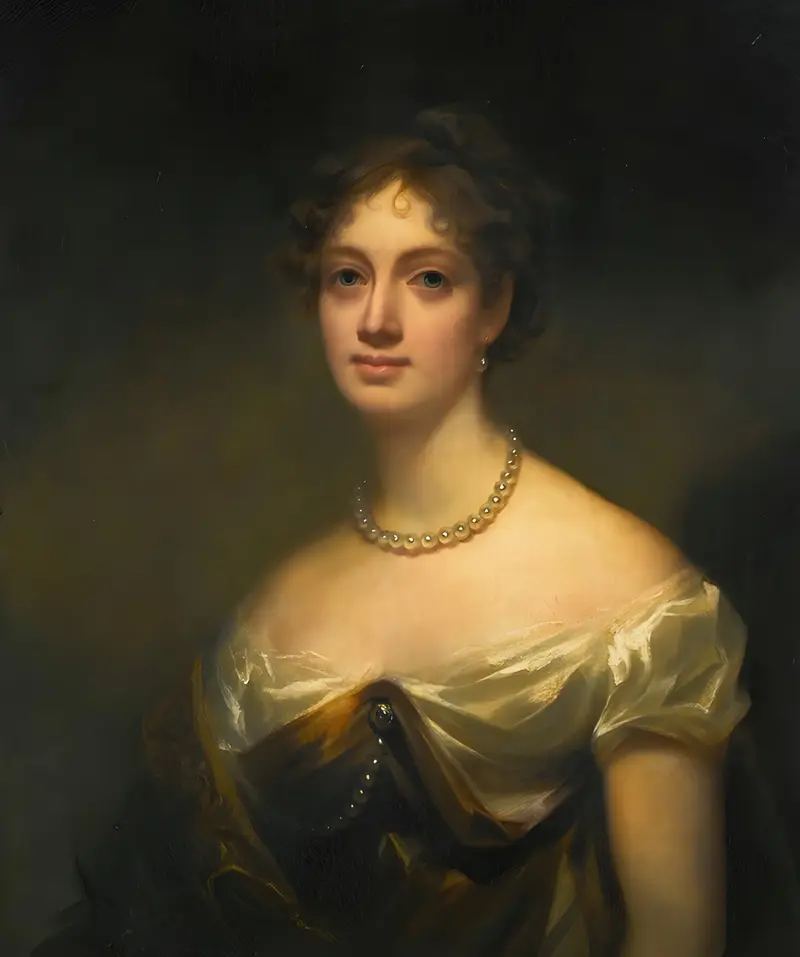
Portrait Of Anne Blair Maconochie Welwood Of Garvock, Lady Meadowbank (1784–1866)
Sir Henry Raeburn
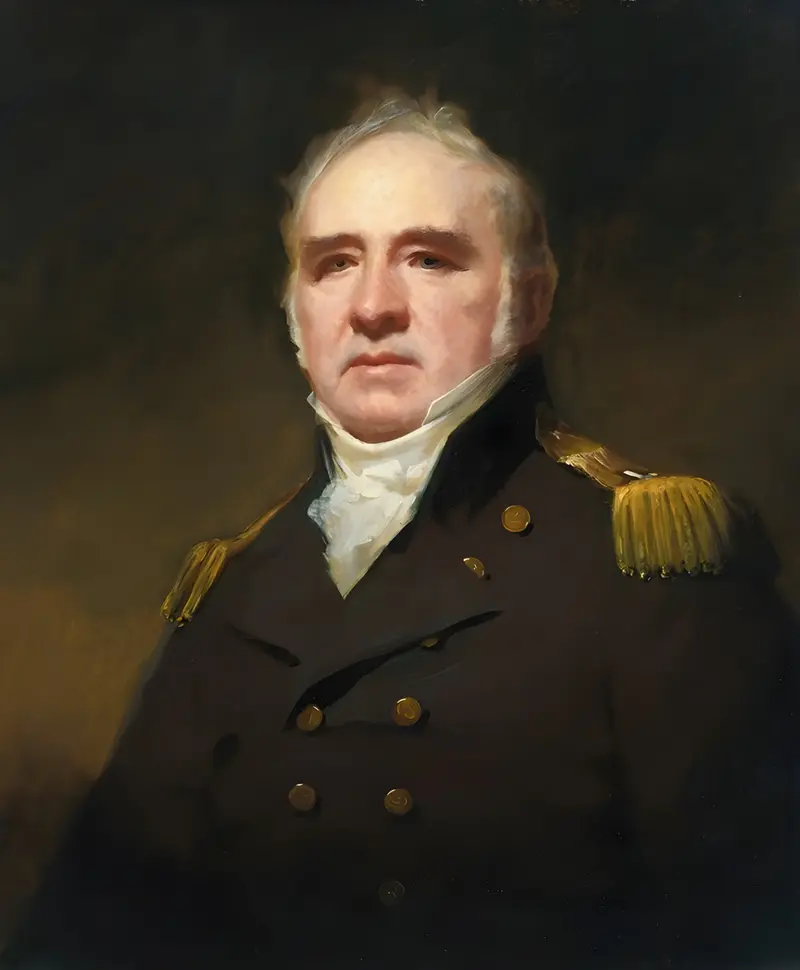
Portrait Of Captain James Forbes-Drummond, R.N., Of Hawthornden
Sir Henry Raeburn
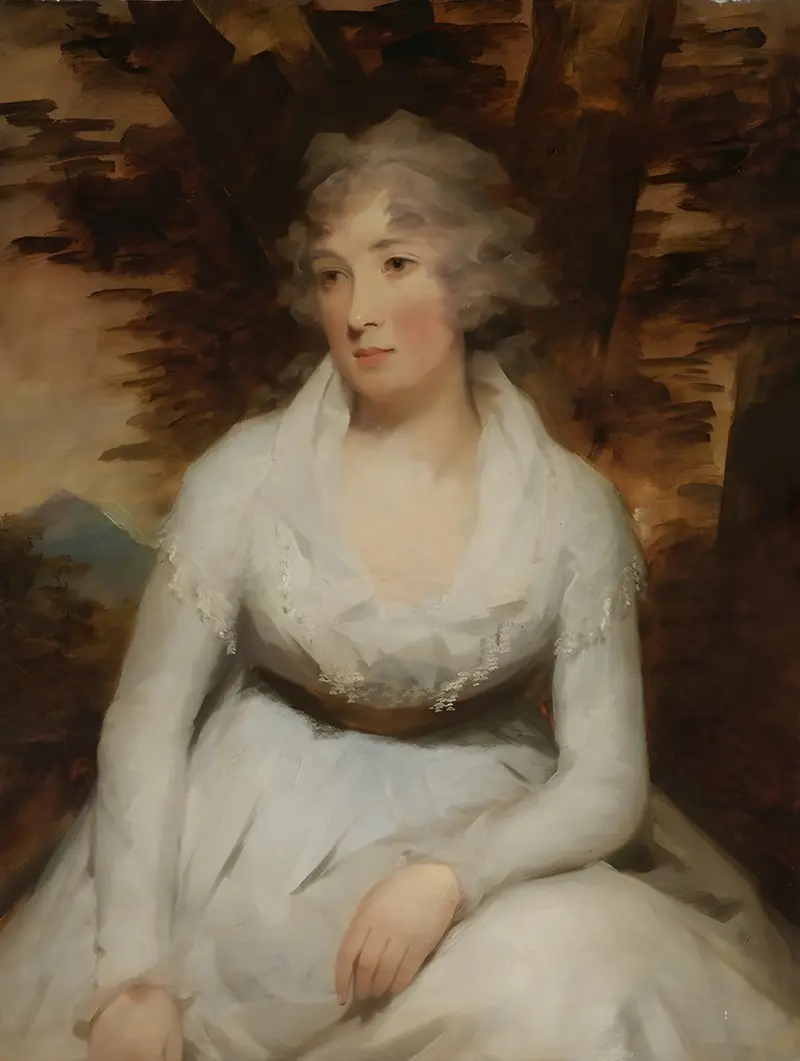
Miss Elizabeth Dalrymple (afterwards Mrs. George Leith)
Sir Henry Raeburn
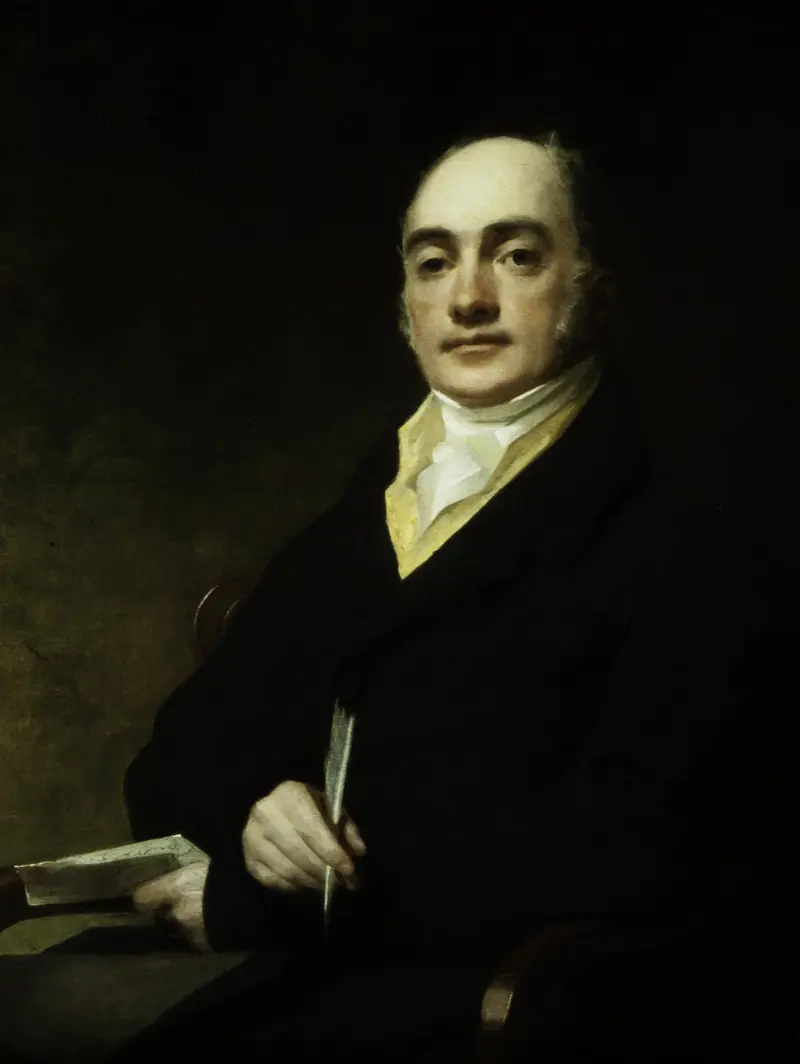
Portrait of John Baillie (1772-1833)
Sir Henry Raeburn
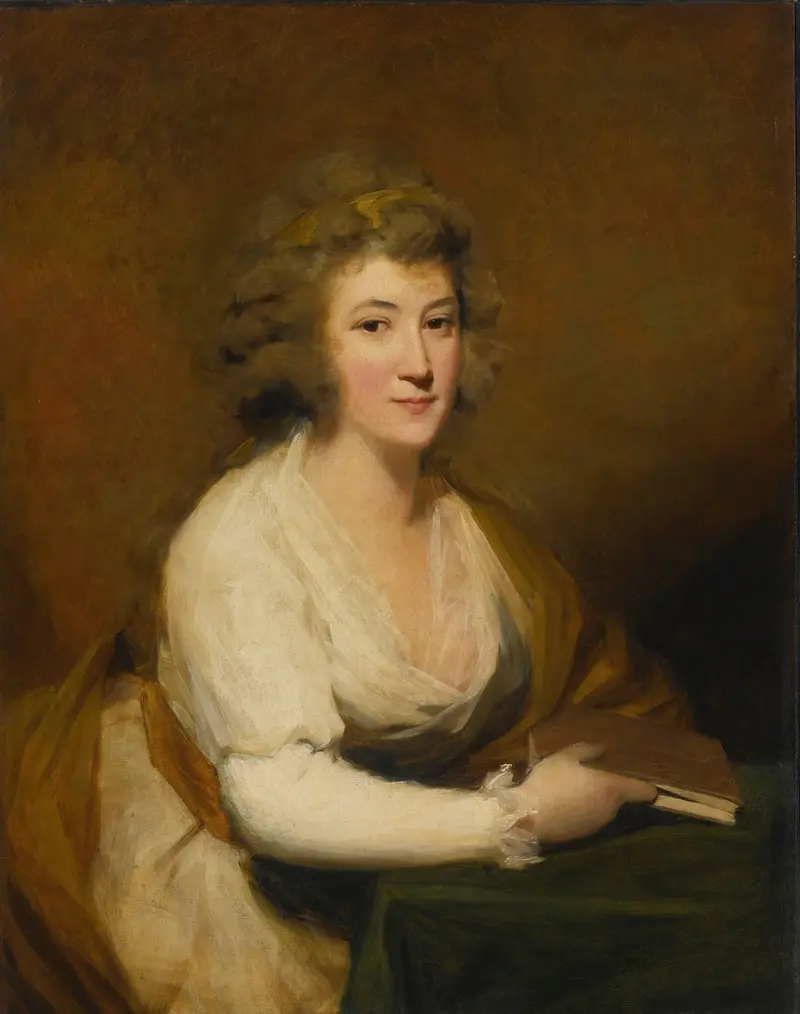
Portrait Of Lady Nasmyth, In A White Dress And Brown Shawl, Seated At A Table, Holding A Book
Sir Henry Raeburn
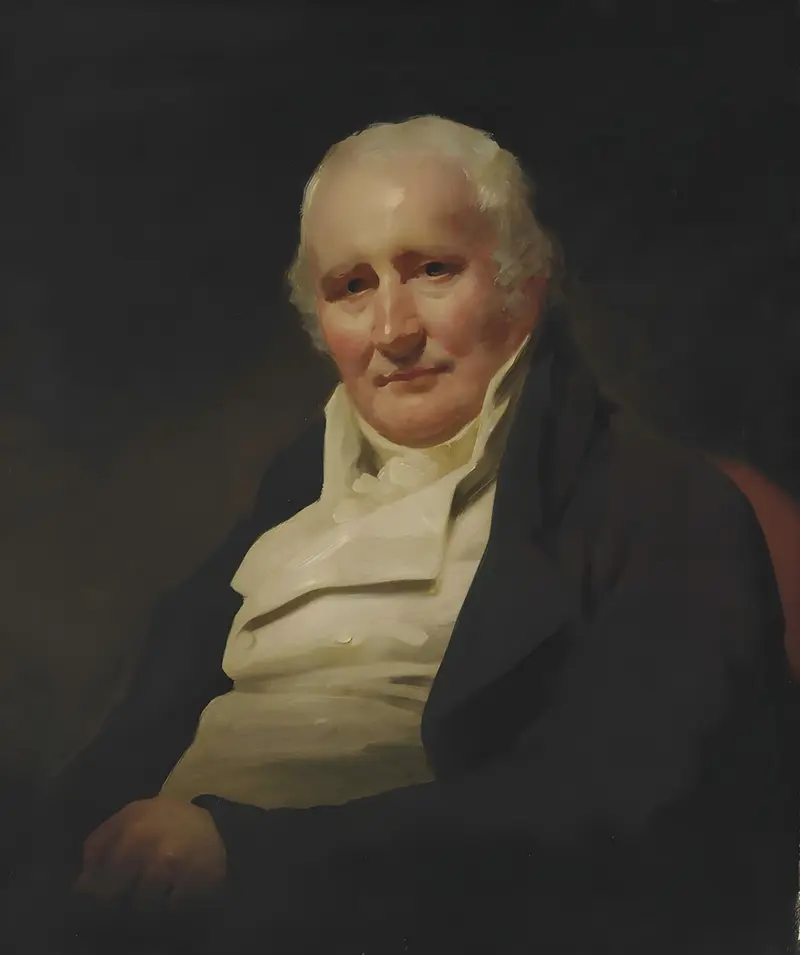
Portrait Of Mr. Spottiswood
Sir Henry Raeburn
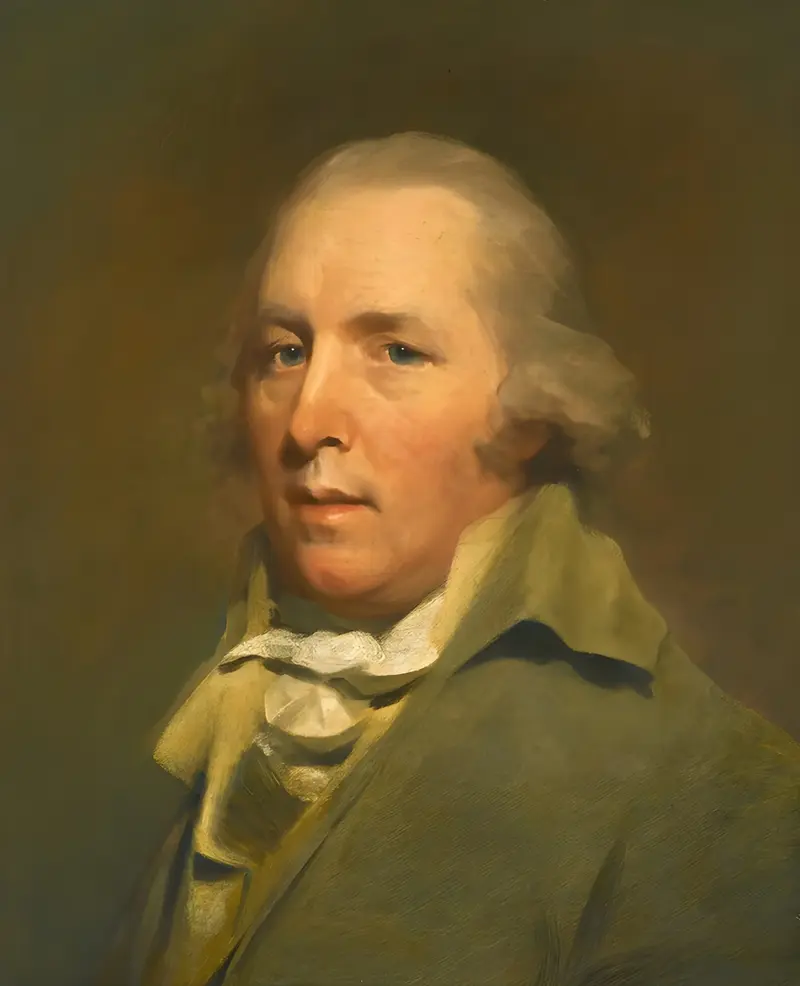
Portrait Of The Reverend John Home (1722-1808)
Sir Henry Raeburn
Portrait of William Hunt (c.1796-1854), Pittencrief House, Dunfermline
Sir Henry Raeburn





