
Portrait Of Mrs. Campbell — History & Facts
No one knows for certain who Mrs. Campbell was, yet her portrait by Sir Henry Raeburn has long captivated viewers with its air of quiet authority and the mystery of its sitter’s identity. The painting has sparked debate among historians, with some suggesting she belonged to the influential Campbell clan of Scotland, while others argue she may have been a figure of local Edinburgh society.
This uncertainty has only added to the painting’s allure, as generations have tried to read her story in the confident set of her features. The lack of a clear date or commission record leaves the portrait suspended in time, a riddle from the Scottish Enlightenment. Mrs. Campbell sits turned slightly to her left, her gaze meeting the viewer with a calm, direct intelligence.
The artist’s characteristic use of soft, natural light falls across her face, highlighting the firmness of her jaw and the gentle texture of her dress, while the background dissolves into shadow. Her attire is modest but elegant, suggesting both social standing and restraint, and the absence of ostentatious jewelry marks a departure from the flamboyance seen in English portraits of the era, such as Thomas Lawrence’s society sitters. Raeburn’s brushwork, loose yet precise, draws the eye to her hands—resting quietly, yet rendered with a vitality that hints at the life beyond the canvas. As with many of Raeburn’s portraits, the exact circumstances of Portrait Of Mrs.
Campbell’s creation are undocumented, typical of his private commissions for the Scottish gentry. The painting’s provenance remains partially obscured; it likely passed through family hands before entering public or private collections, though no major auction records survive. Today, it stands as a testament to Raeburn’s reputation as the leading portraitist of late 18th- and early 19th-century Scotland, admired for his psychological insight and unvarnished realism.
In the absence of written records, the portrait’s enduring appeal lies in its ability to suggest a real, complex person—one whose story is left for each viewer to imagine.
More Artworks by Sir Henry Raeburn

Portrait of Hugh Hope
Sir Henry Raeburn
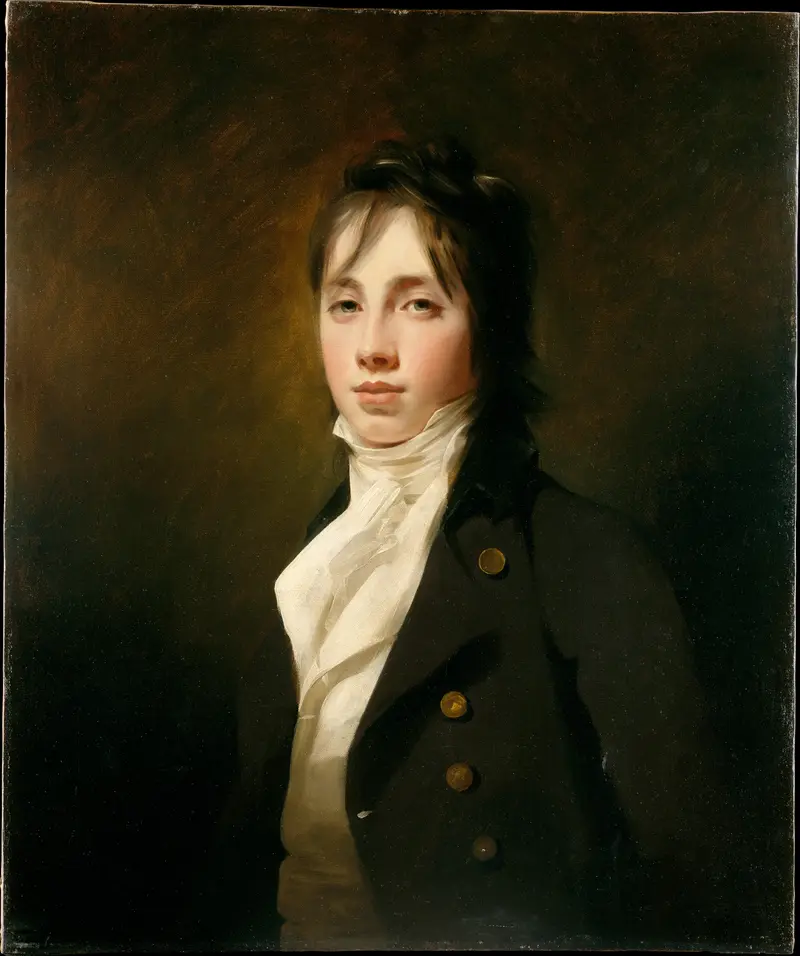
William Fraser of Reelig (1784–1835)
Sir Henry Raeburn
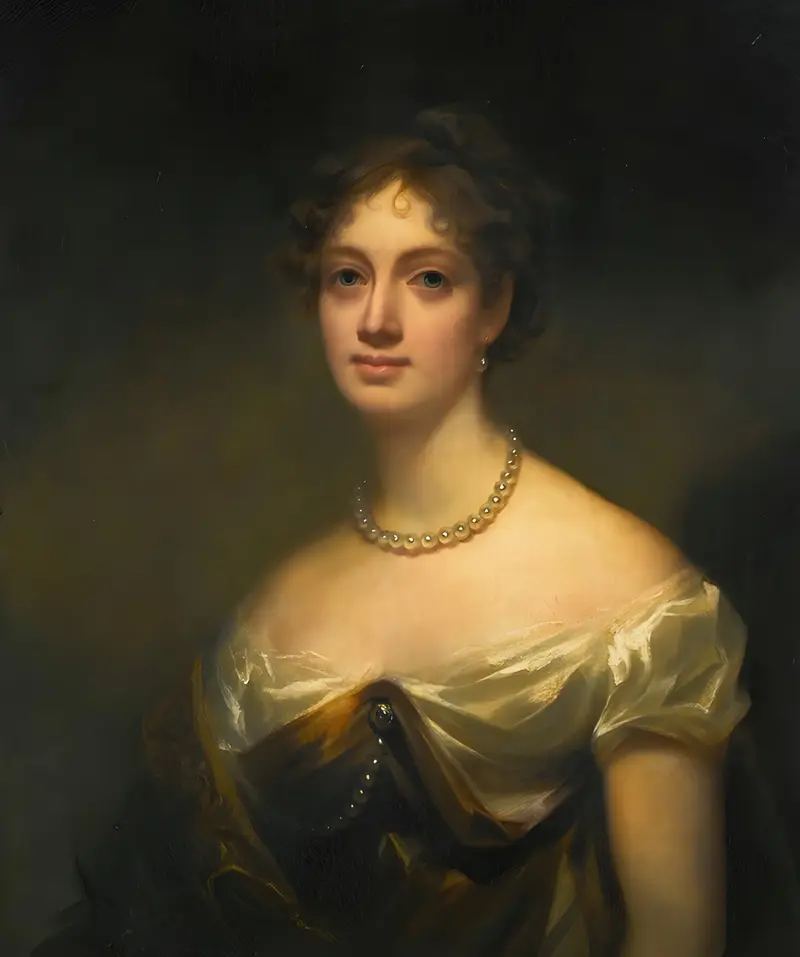
Portrait Of Anne Blair Maconochie Welwood Of Garvock, Lady Meadowbank (1784–1866)
Sir Henry Raeburn
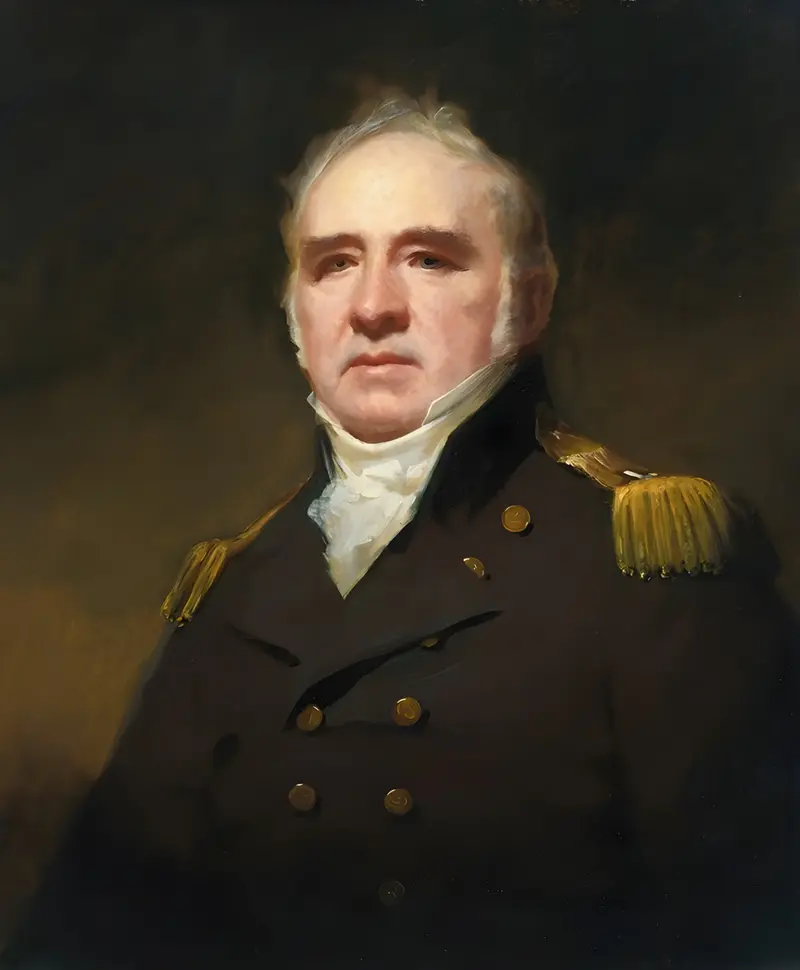
Portrait Of Captain James Forbes-Drummond, R.N., Of Hawthornden
Sir Henry Raeburn
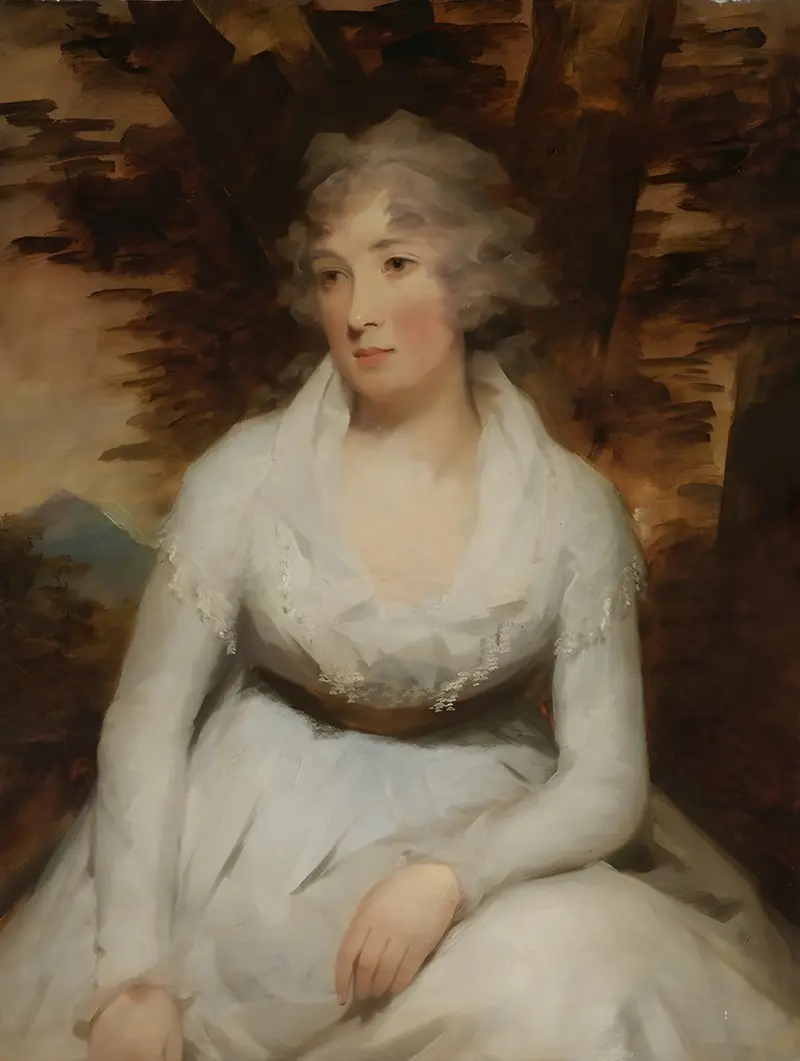
Miss Elizabeth Dalrymple (afterwards Mrs. George Leith)
Sir Henry Raeburn
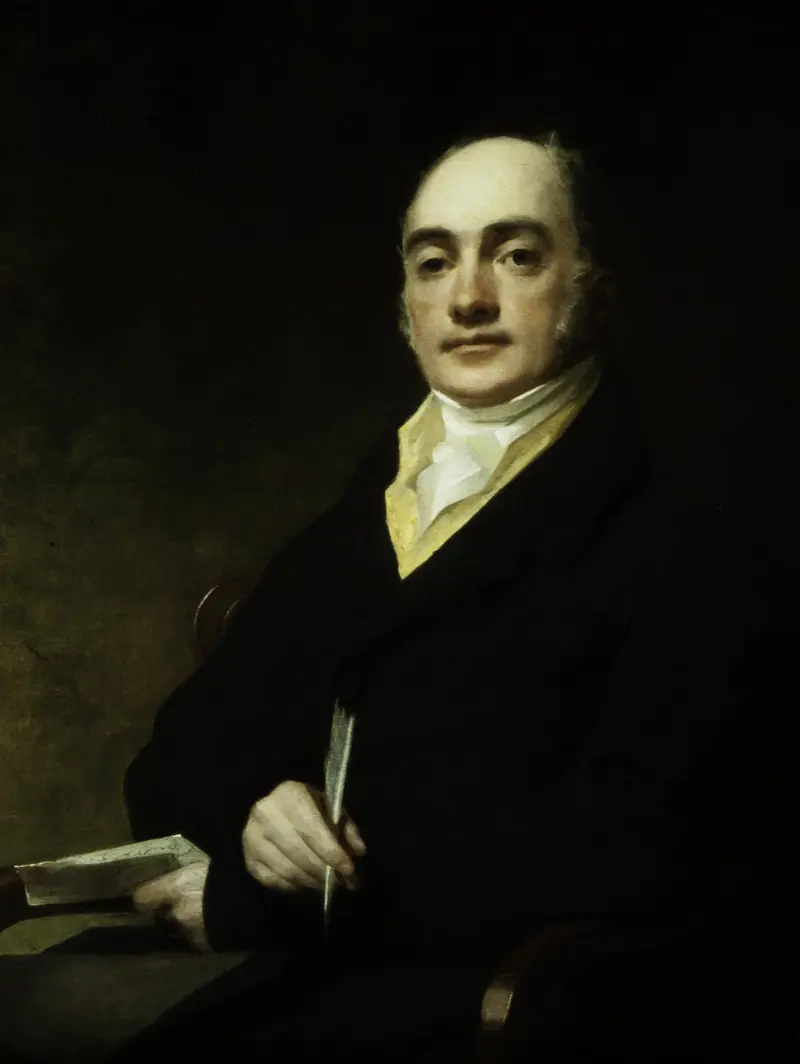
Portrait of John Baillie (1772-1833)
Sir Henry Raeburn
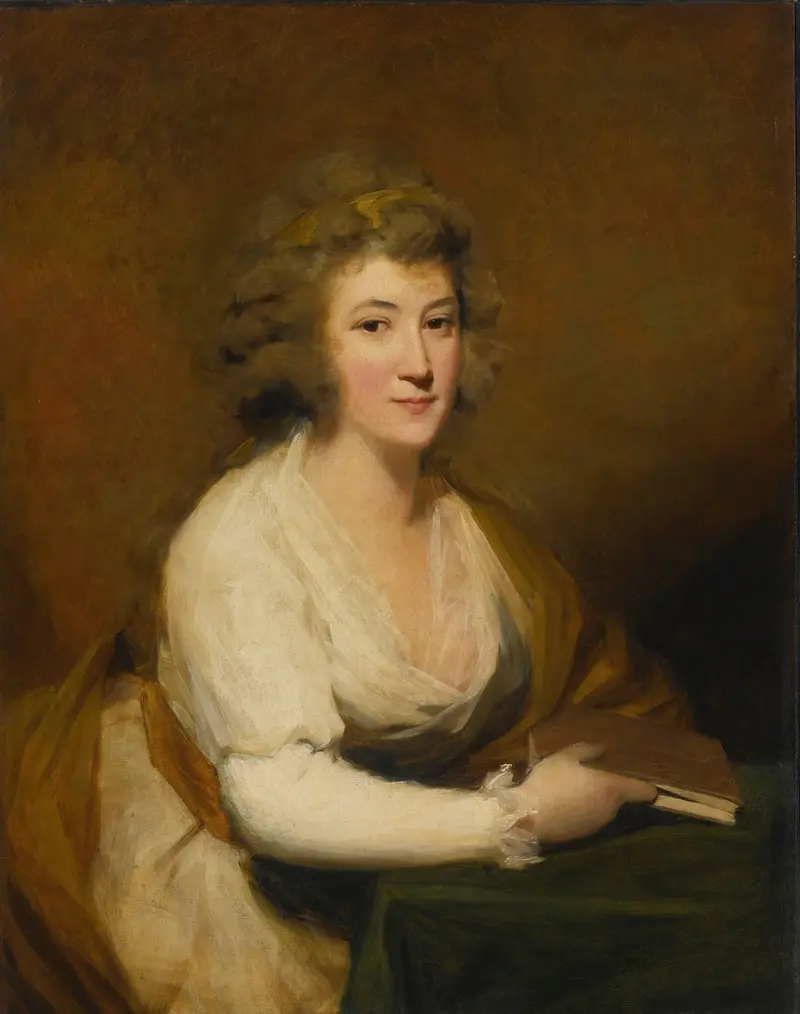
Portrait Of Lady Nasmyth, In A White Dress And Brown Shawl, Seated At A Table, Holding A Book
Sir Henry Raeburn
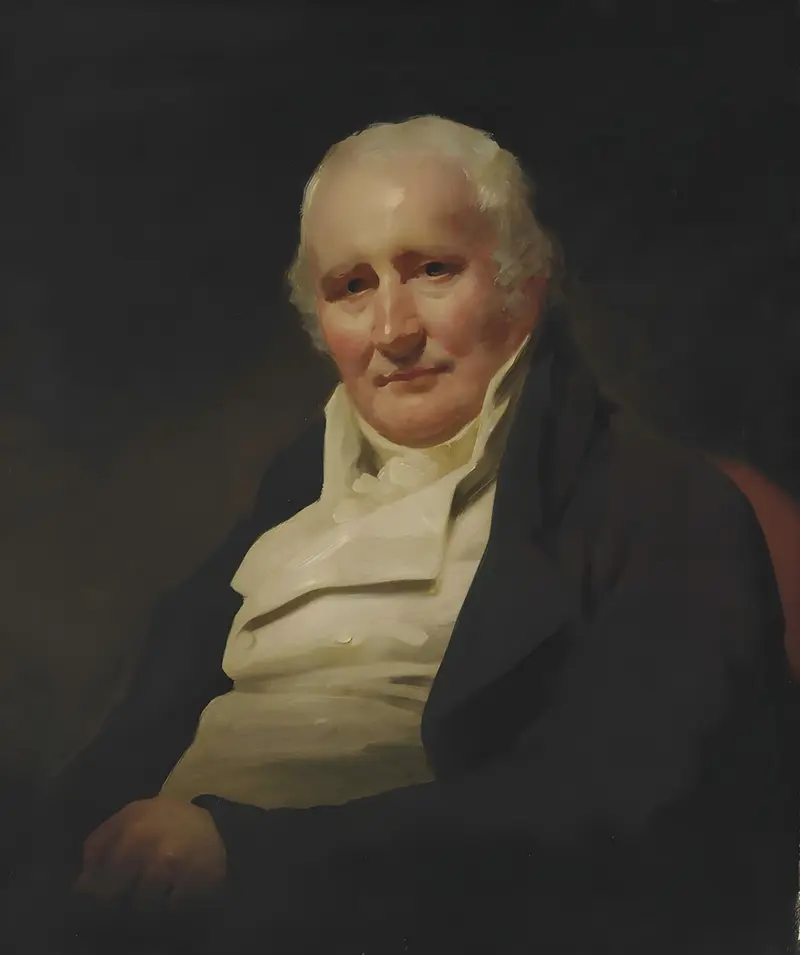
Portrait Of Mr. Spottiswood
Sir Henry Raeburn
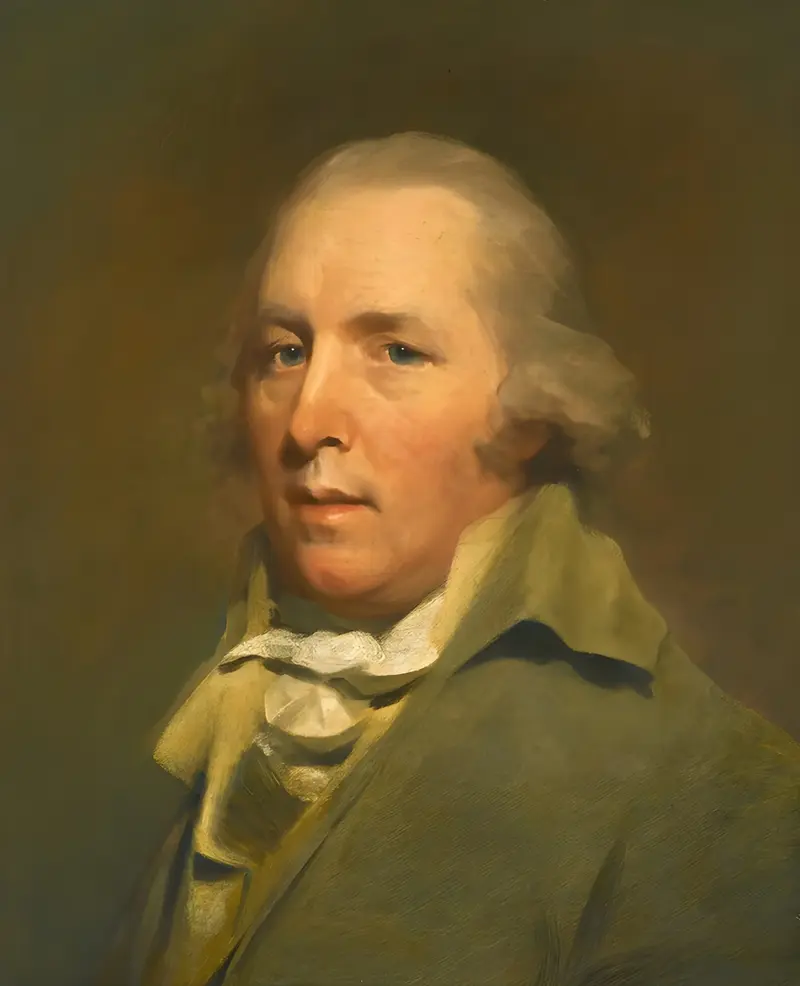
Portrait Of The Reverend John Home (1722-1808)
Sir Henry Raeburn
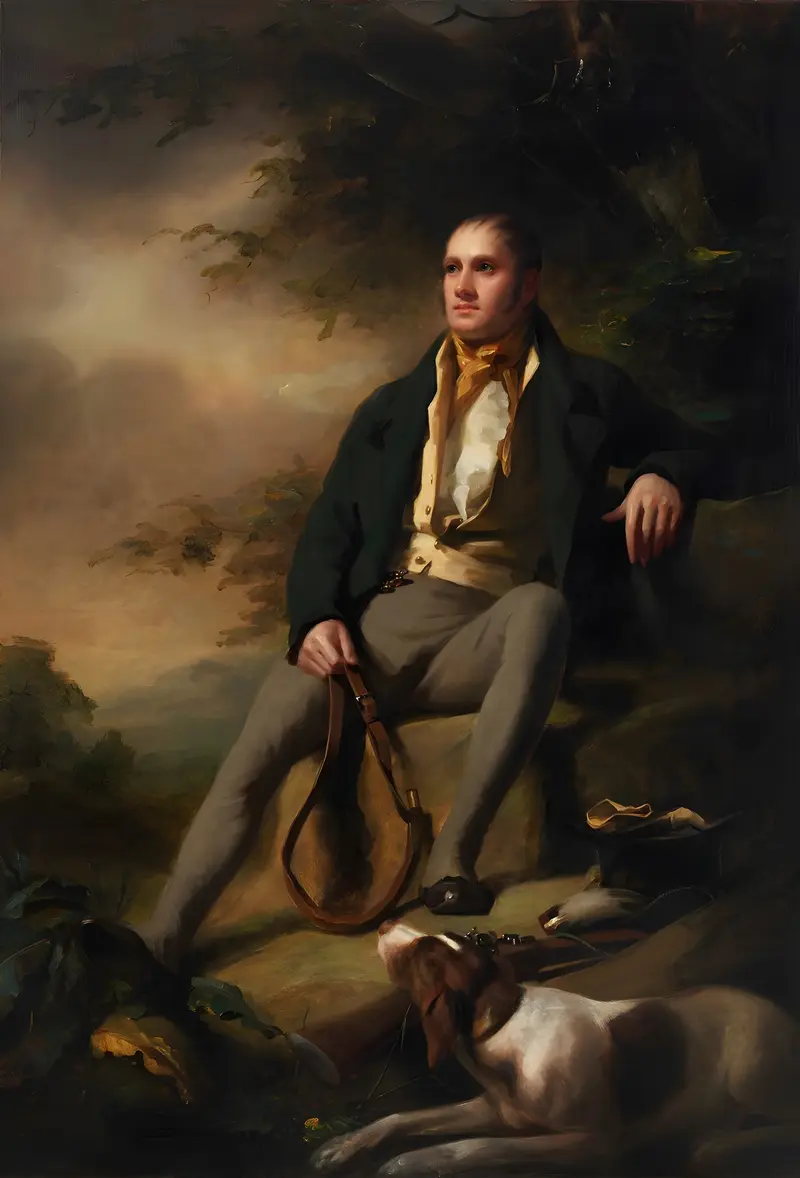
Portrait of William Hunt (c.1796-1854), Pittencrief House, Dunfermline
Sir Henry Raeburn





