
Portrait of Paul Joseph Constantin Gabriël — History & Facts
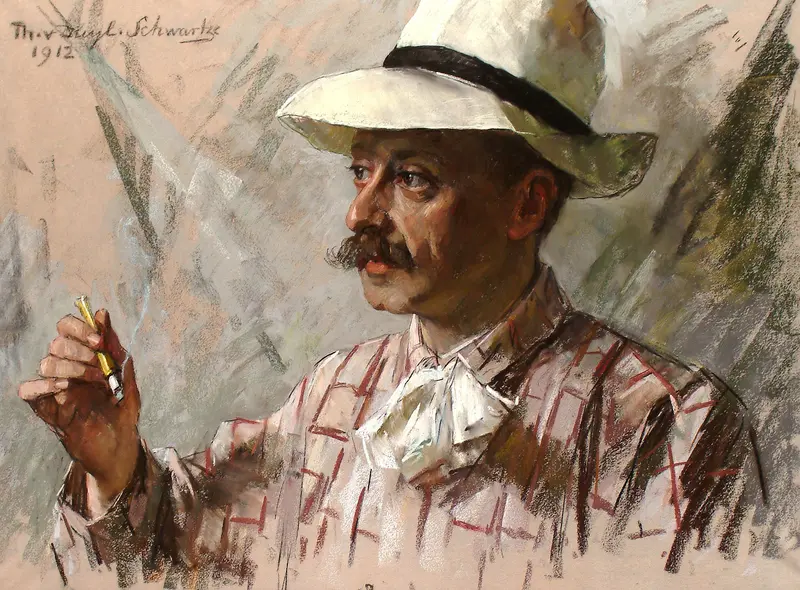
What first draws the viewer in Portrait of Paul Joseph Constantin Gabriël by Thérèse Schwartze is the subject’s quietly conspiratorial gaze, as if he has just caught your eye across a crowded room and is about to share a private joke. The pastel medium gives the sitter’s flesh a living softness, with Schwartze’s sure hand capturing the delicate flush in the cheeks and the glint of light on the brow. The sitter’s head is turned ever so slightly, the body angled away, but the eyes—alert, intelligent—pull the viewer back in.
The crisp white of the collar and the subtle blue-and-yellow ribbon at the lapel are not just details; they are clues, drawing attention to the sitter’s status and perhaps his personal pride. Even the background, a mist of cool greens and blues, seems to recede just enough to make the man’s presence all the more immediate. Works like this pastel portrait were a hallmark of late nineteenth-century Dutch society, when artists such as Thérèse Schwartze were in high demand for their ability to capture both likeness and character. Portraits were often commissioned to commemorate achievements or status, and the year 1899—recorded in the confident signature at the bottom—places this work at the turn of a new century, when tradition and modernity met in Dutch art.
The Rijksmuseum in Amsterdam now holds this portrait, a testament to both the sitter’s and the artist’s place in Dutch cultural memory. History has kept few traces of the specific moment this likeness was made, but Schwartze’s pastel ensures the sitter’s personality endures—inviting us to look again, and perhaps to wonder what story lies behind that knowing smile.
More Artworks by Thérèse Schwartze

Self-portrait
Thérèse Schwartze
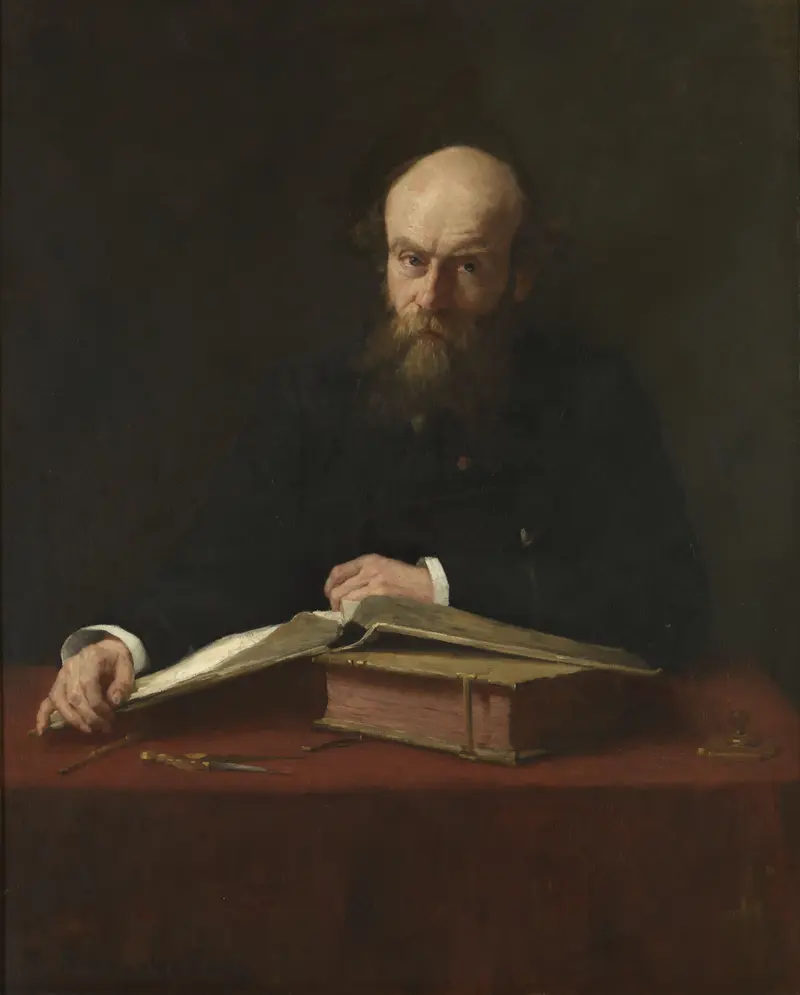
Portrait of Dr. P.J.H. Cuypers (1827-1921)
Thérèse Schwartze
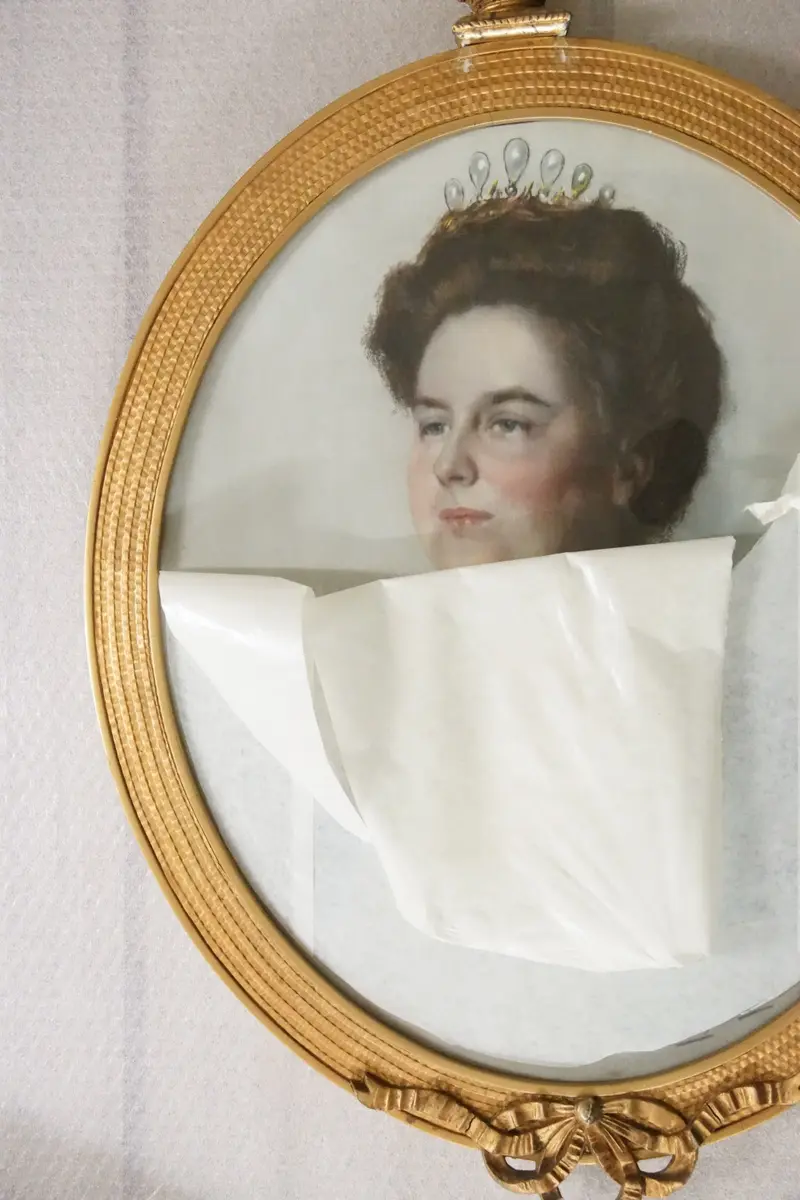
Portret Wilhelmina 020904 Stedelijk Museum Alkmaar
Thérèse Schwartze
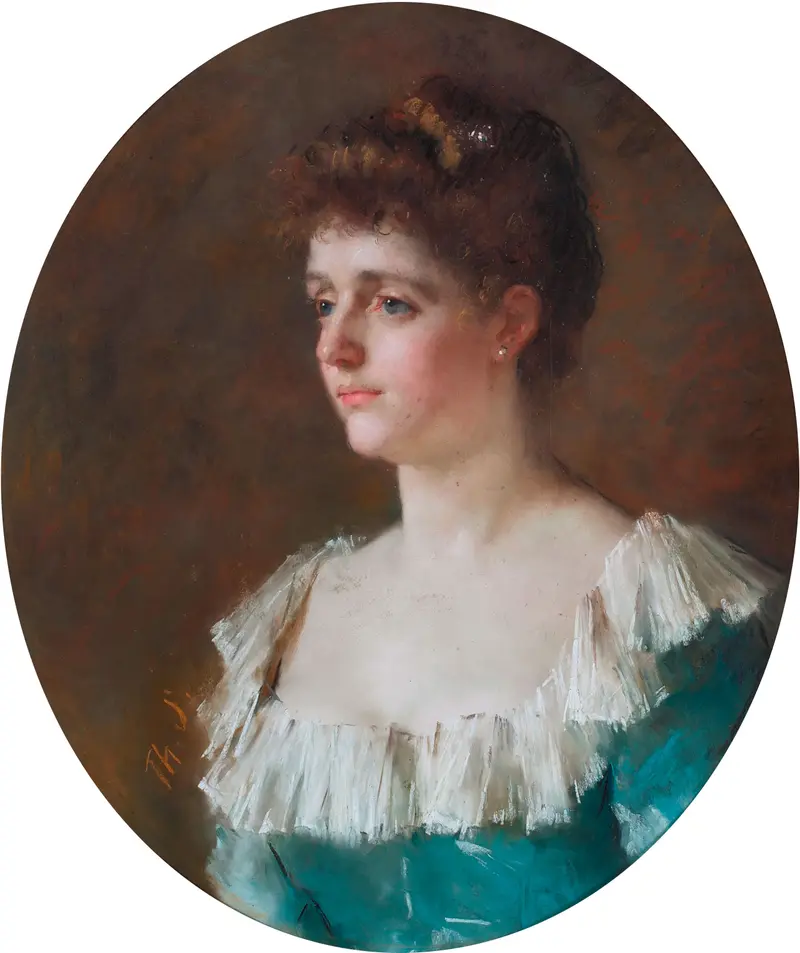
Portrait of Maria Cornelia Schimmelpenninck van der Oye (1857-1891)
Thérèse Schwartze
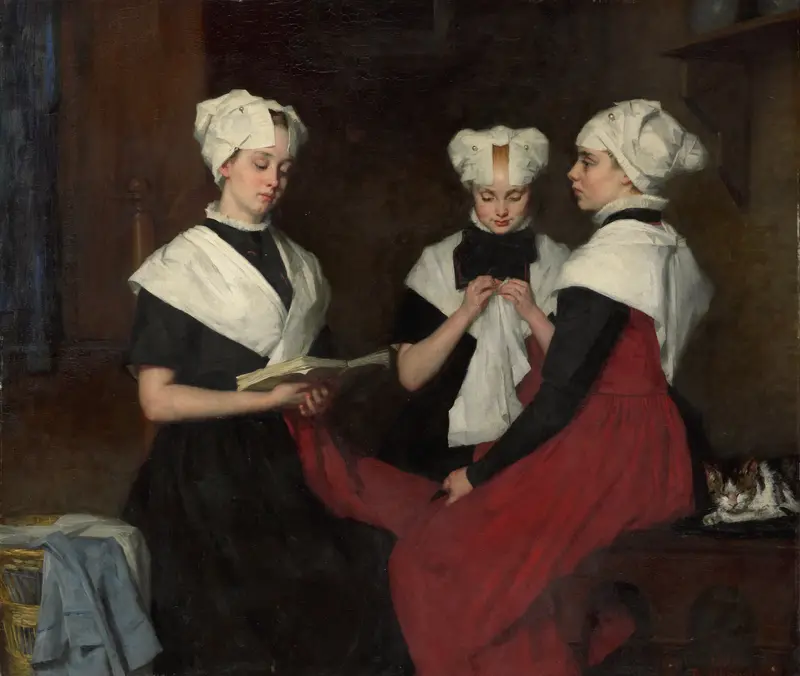
Three girls from the Amsterdam Orphanage
Thérèse Schwartze
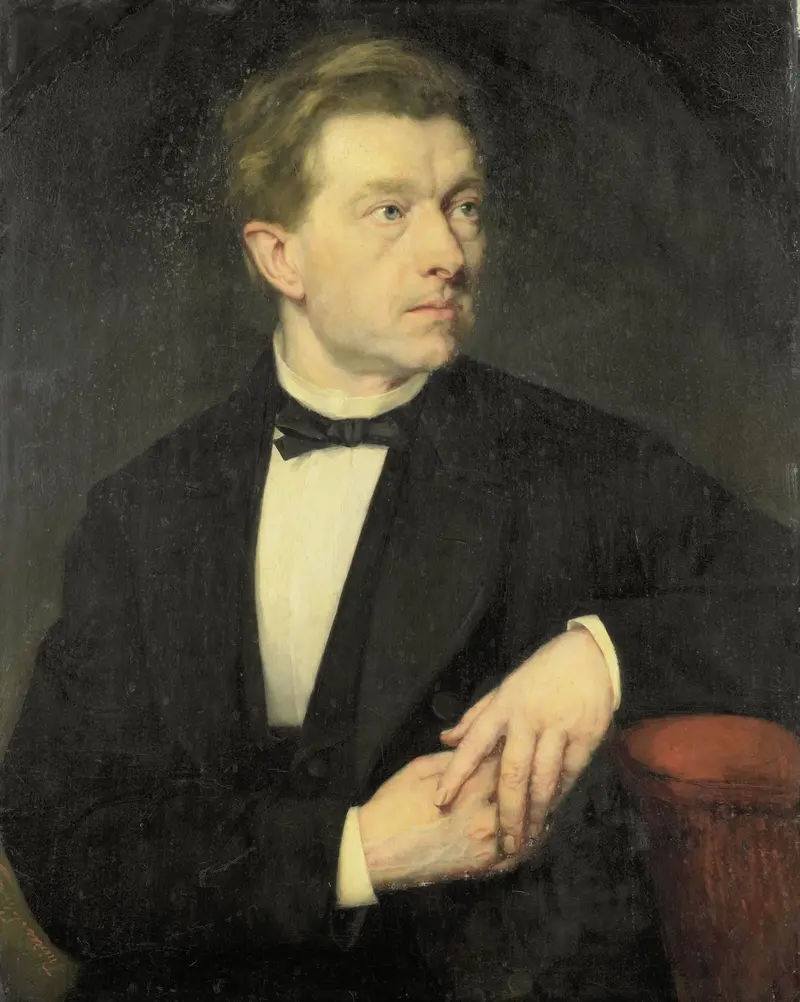
Portrait of Dr. J. L. Dusseau
Thérèse Schwartze
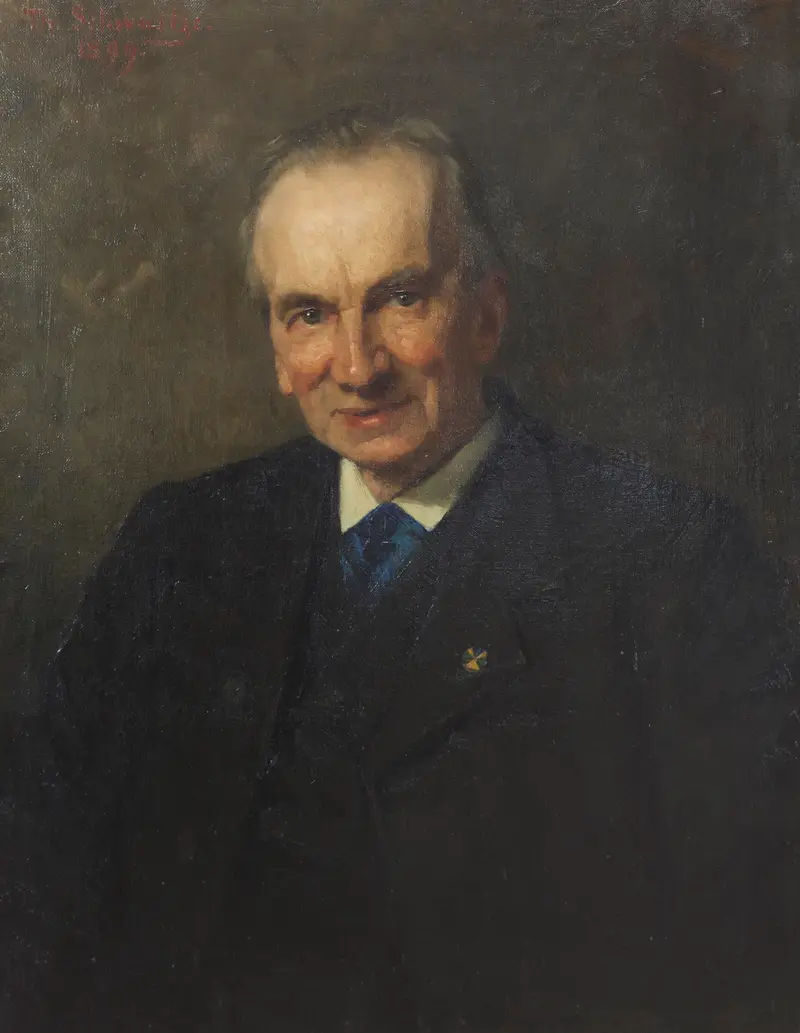
Portrait of Frederik Willem van Eeden
Thérèse Schwartze
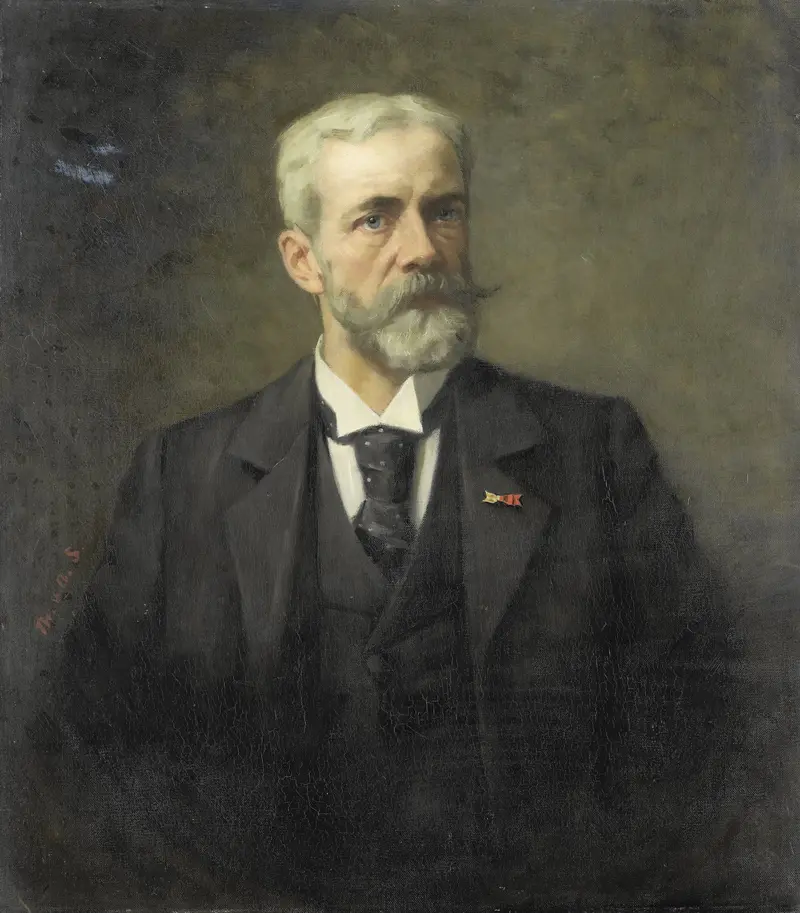
Portrait of Frederik Daniël Otto Obreen (1840-96), director Rijksmuseum
Thérèse Schwartze
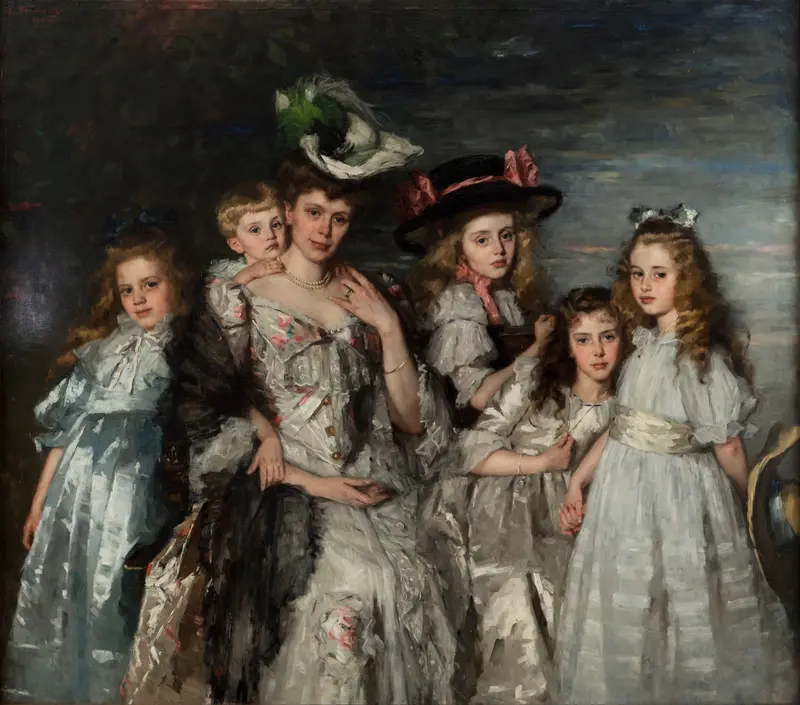
Portrait of Mrs. A.G.M. van Ogtrop-Hanlo (1871-1944) and her five children
Thérèse Schwartze
Portrait of Dr. Salomon Benjamin Druif
Thérèse Schwartze





