
Portrait of Perugino — History & Facts
When Raphael painted Portrait of Perugino around 1504, he was still a young artist in the workshop of Perugino himself—yet the portrait is widely believed to be a respectful tribute from pupil to master. This painting is one of the rare instances where a major Renaissance artist depicts his own teacher, and it has sparked debate for centuries: some scholars have even questioned whether it truly shows Perugino at all, or if it is a self-portrait by Raphael in the guise of his mentor. The uncertainty is heightened by the lack of contemporary documentation and the fact that the medium itself remains unknown.
Still, the consensus today leans toward the traditional identification, making this work a fascinating document of artistic lineage. The sitter is caught in a moment of quiet reflection, his gaze steady yet inward, hands folded with gentle dignity. The background is simple, focusing all attention on the face, where the painter has modeled the features with delicate gradations of light and shadow. The subtle rendering of the eyes and the calm, almost reserved expression suggest both wisdom and humility—qualities associated with Perugino by his contemporaries.
The pose, with its three-quarter view and soft modeling, echoes the style of Leonardo da Vinci's portraits, but the psychological depth is distinctly Raphael's own. The artist’s choice to avoid overt symbols or attributes makes the portrait an intimate study of character rather than a formal display of status. The physical history of Portrait of Perugino is as enigmatic as its subject. No records survive of its original commission or early provenance, and it has passed through various collections over the centuries, sometimes misattributed or even thought to be a self-portrait.
Today, the painting is recognized as a key work from Raphael's formative years, reflecting both his debt to Perugino and his emerging independence as an artist. Its quiet presence offers insight into the close ties and mutual respect within Renaissance workshops, and it remains a touchstone for scholars tracing the evolution of Raphael’s portrait style.
More Artworks by Raphael

Madonna of the Goldfinch
Raphael

Madonna with the Fish
Raphael
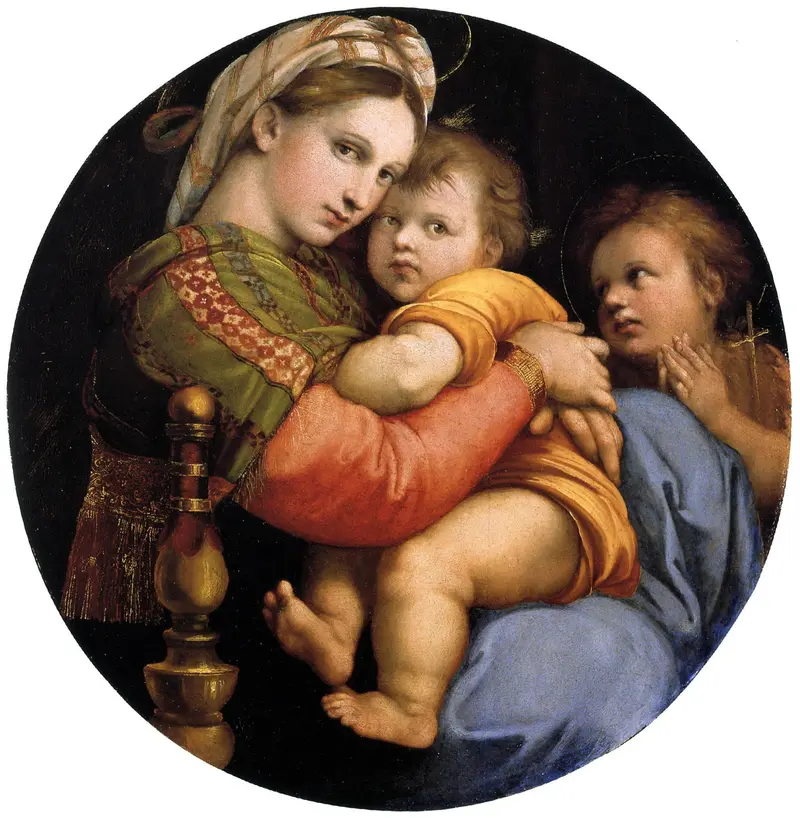
Madonna and Child (Madonna della Seggiola)
Raphael
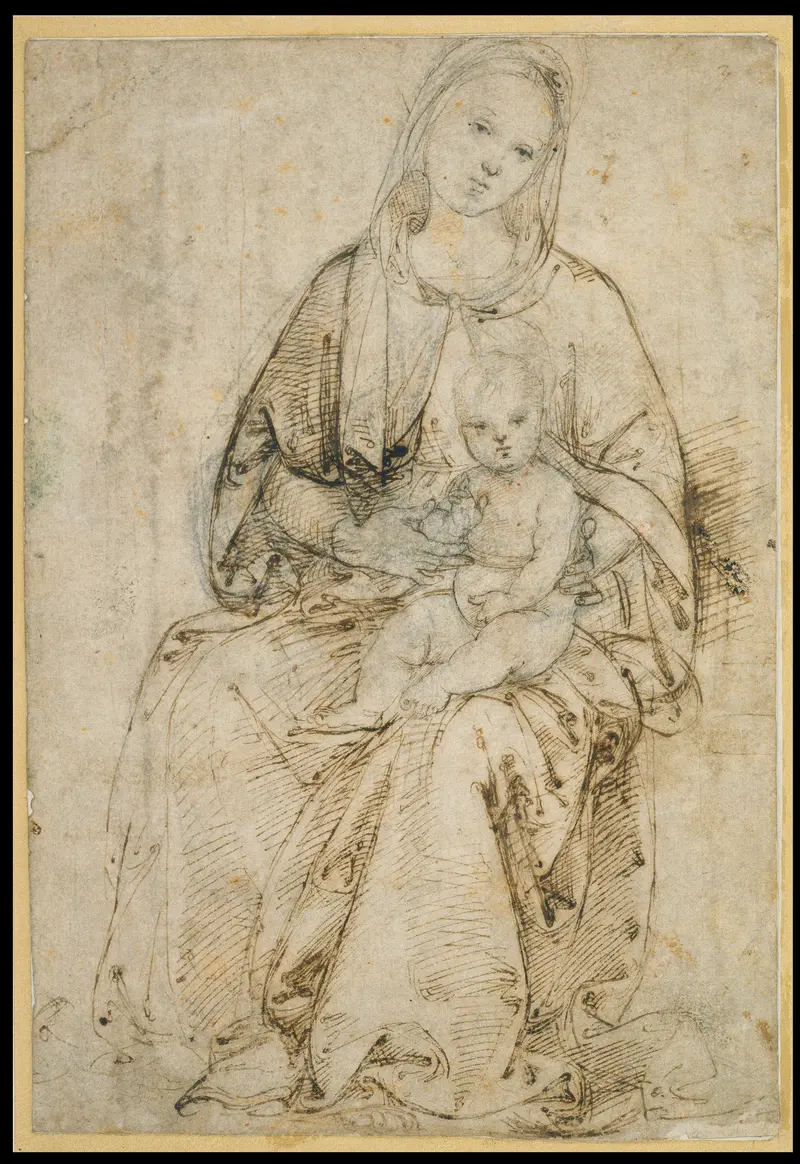
Seated Madonna and Child
Raphael
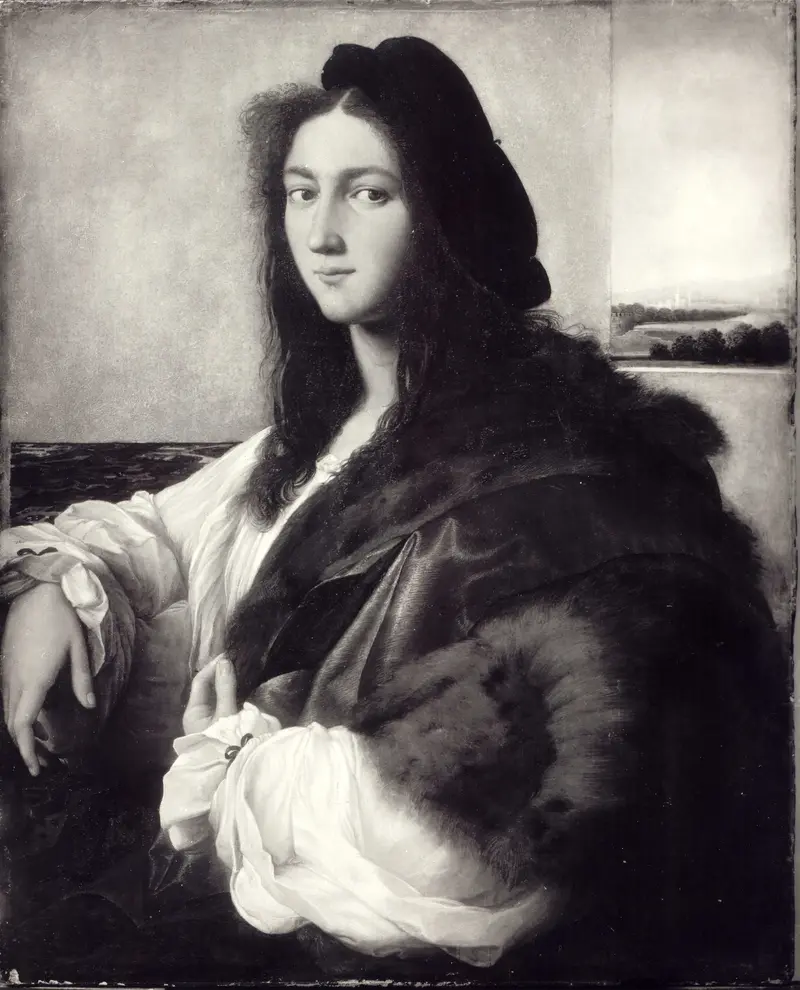
Portrait of a Young Man
Raphael
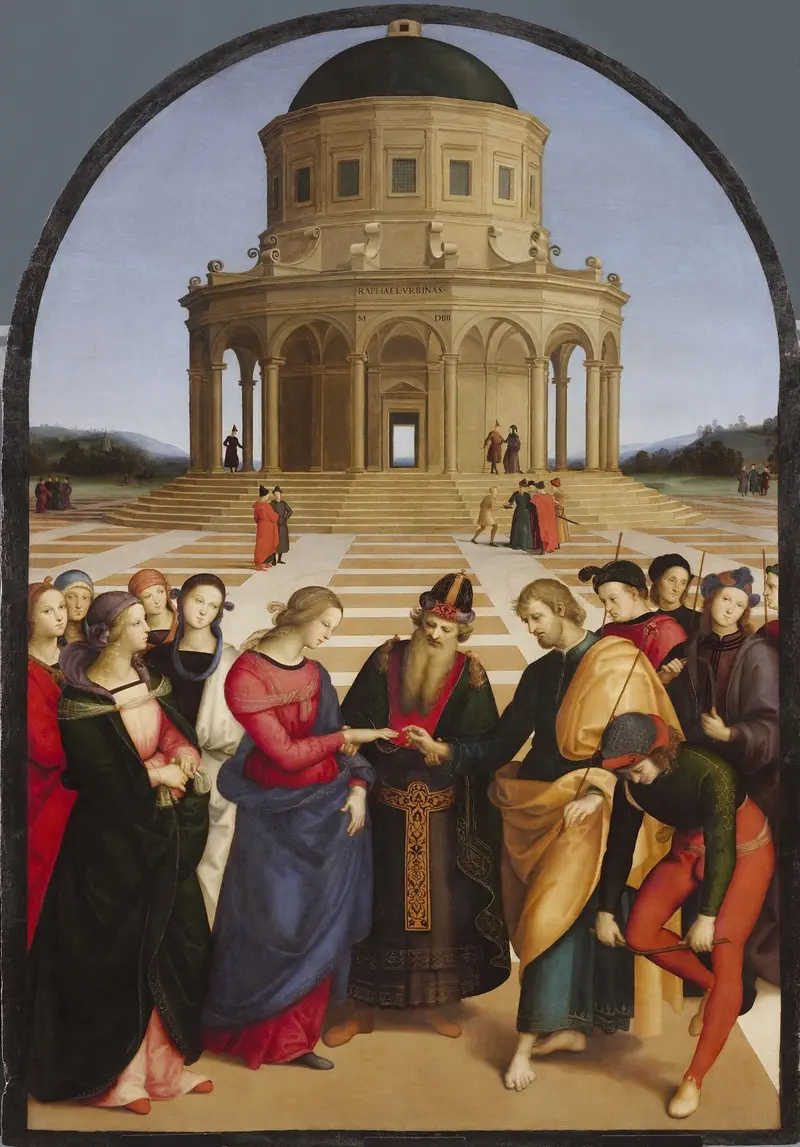
The Marriage of the Virgin
Raphael
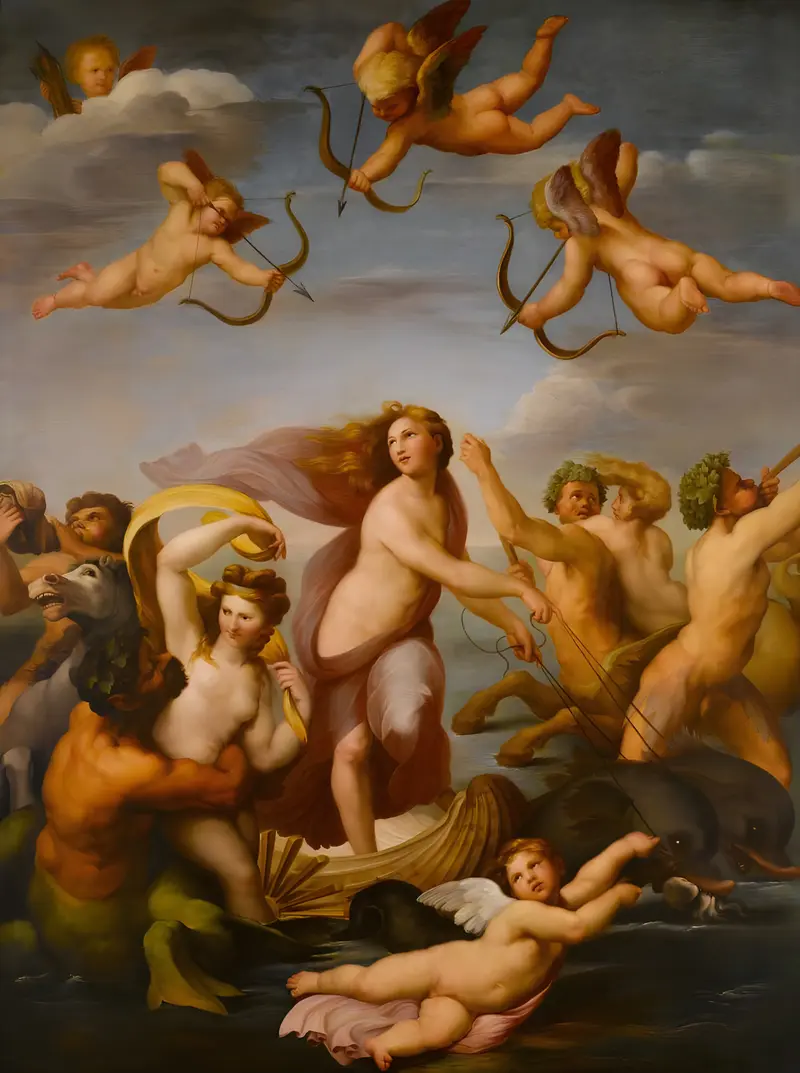
The Triumph of Galatea (copy after Raphael)
Raphael
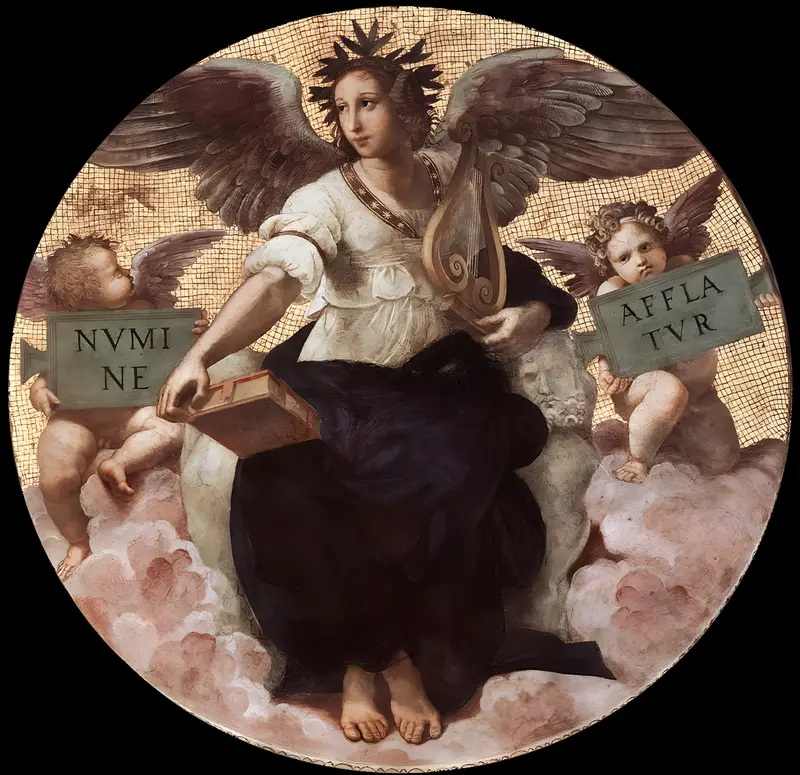
Poetry
Raphael
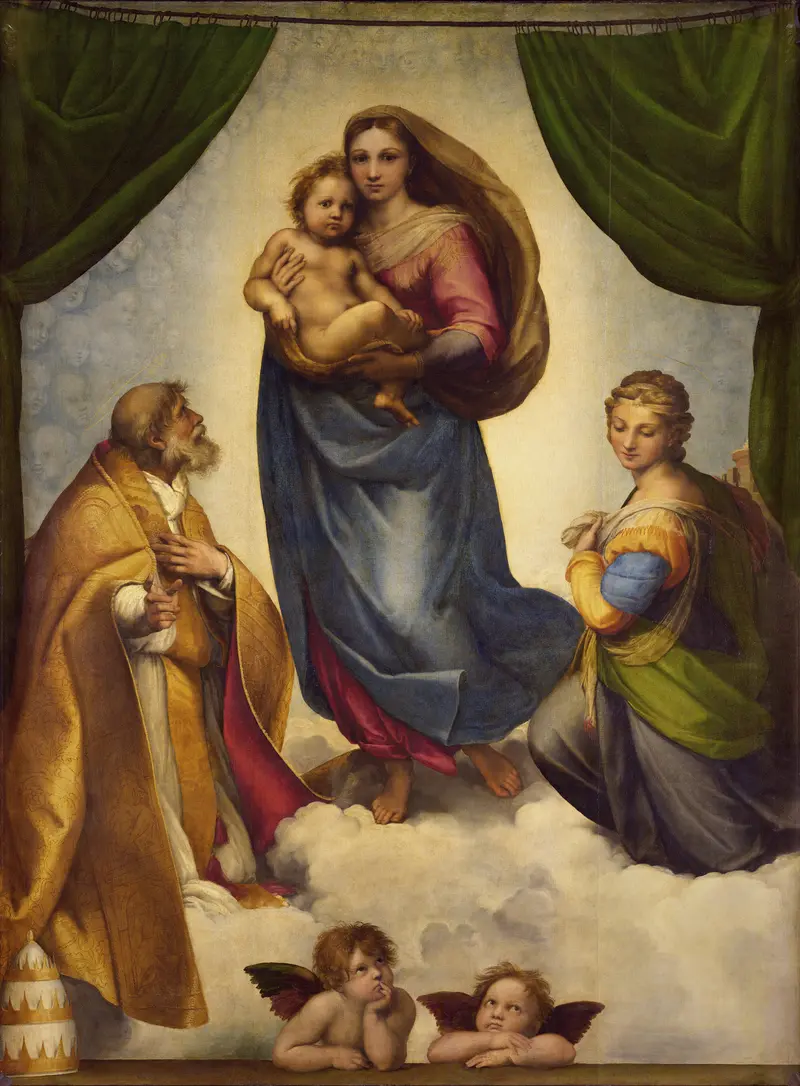
Sistine Madonna
Raphael
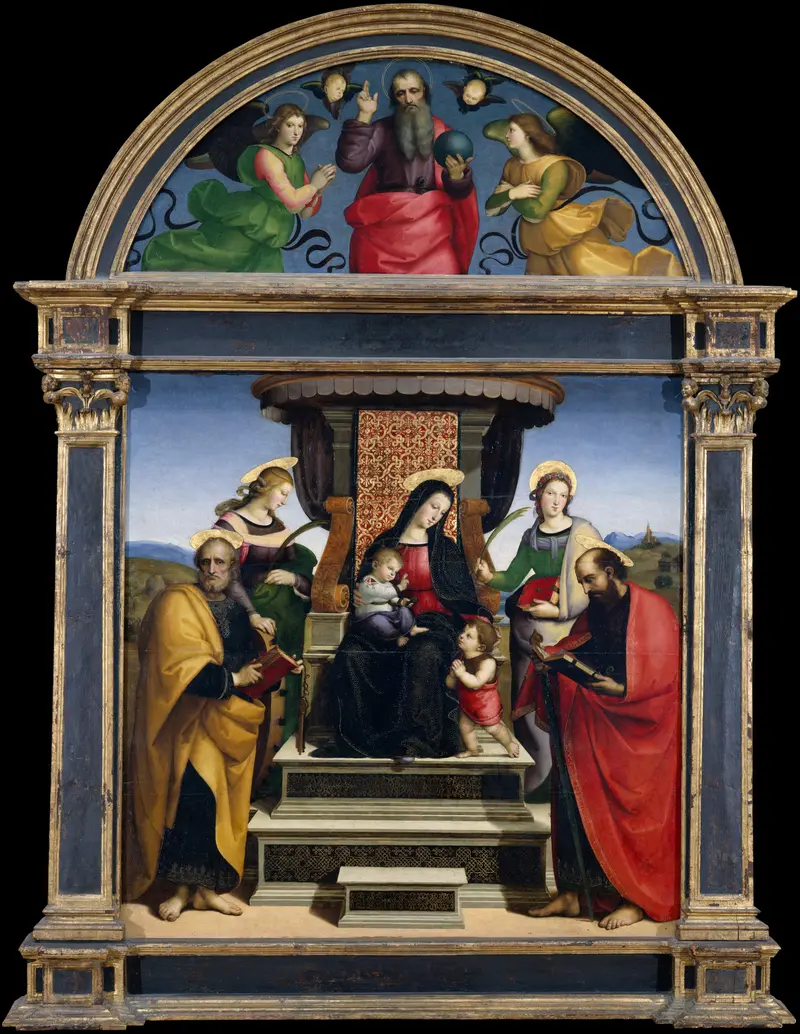
Madonna and Child Enthroned with Saints
Raphael





