
Portrait of Phyllis Sjöström — History & Facts
A riot of brushstrokes greets the viewer, as if the artist caught the sitter mid-thought and let the paint chase her shifting moods. In Portrait of Phyllis Sjöström, the eye is drawn first to the electric blue that spirals through the center, a bolt of energy against the earthy reds and greens that swirl behind and around her. The face emerges only gradually from this storm of color—half-formed, contemplative, as if the sitter is both present and slipping away.
The hand to her cheek is a gesture of thought or fatigue, while the loose, almost wild application of paint suggests a fleeting moment, captured before it could settle into clarity. Each color seems to have its own momentum, pulling the viewer deeper into the sitter’s uncertain expression. Painted in 1914, this work belongs to a world on the brink of transformation, both in art and society. The early twentieth century saw artists like Akseli Gallen-Kallela break away from academic traditions, embracing raw emotion and the visible trace of the artist’s hand.
Portraits of this period were often commissioned by families or painted for personal circles, but here, the technique speaks as loudly as the likeness—a testament to changing ideas about identity and representation. Housed today in the Rauma Art Museum, this painting stands as a vivid reminder that history has kept few traces of the sitter herself, but the energy of her presence, as conjured by Gallen-Kallela, refuses to fade. Let your gaze linger: the longer you look, the more the paint seems to move.
More Artworks by Akseli Gallen-Kallela
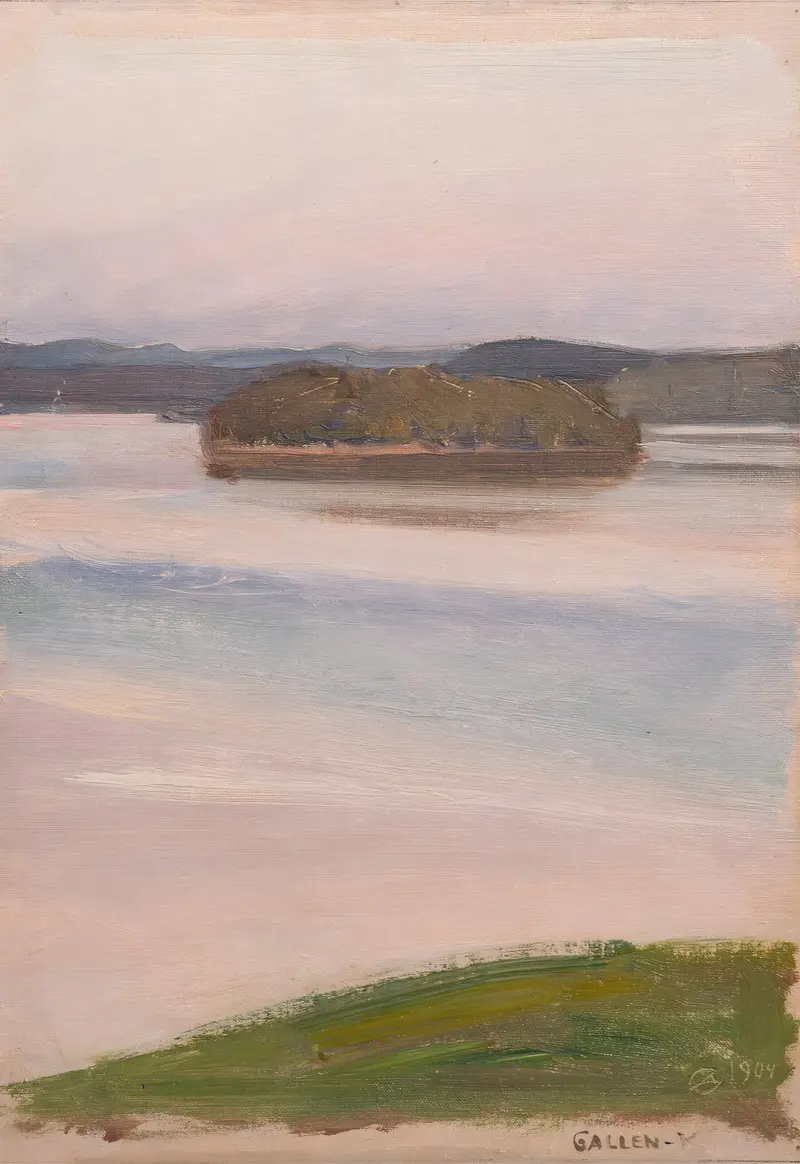
Lake Keitele
Akseli Gallen-Kallela
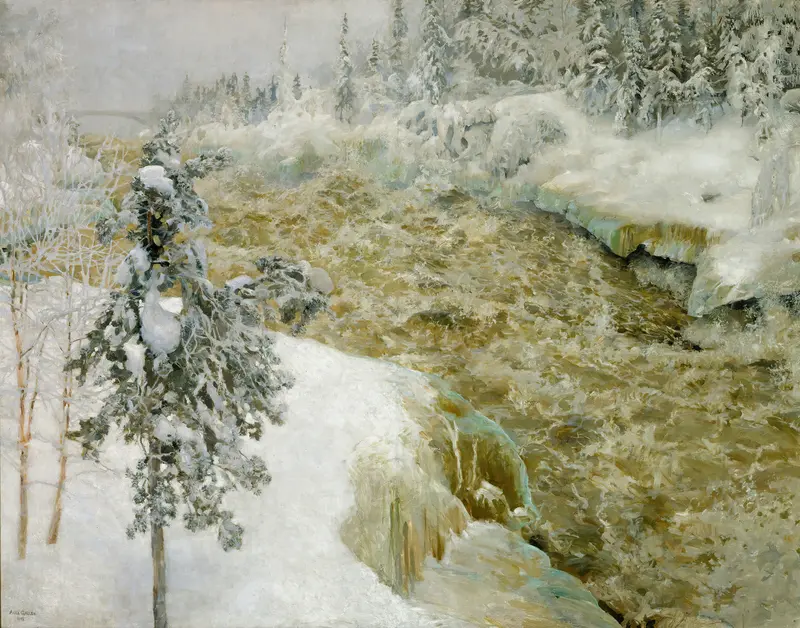
Imatra Falls in Snow ; Imatra in Winter
Akseli Gallen-Kallela
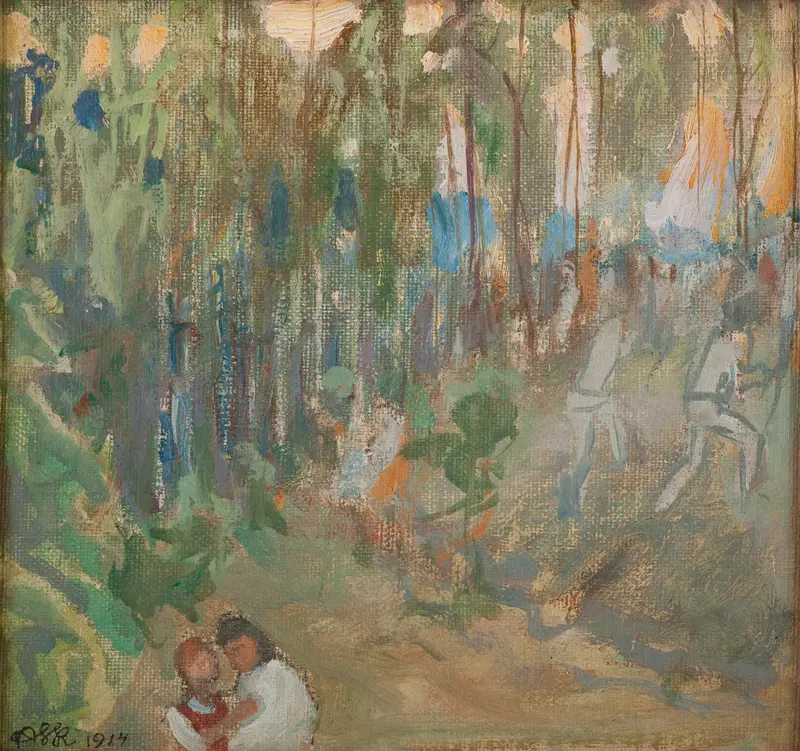
Vainovalkeat
Akseli Gallen-Kallela
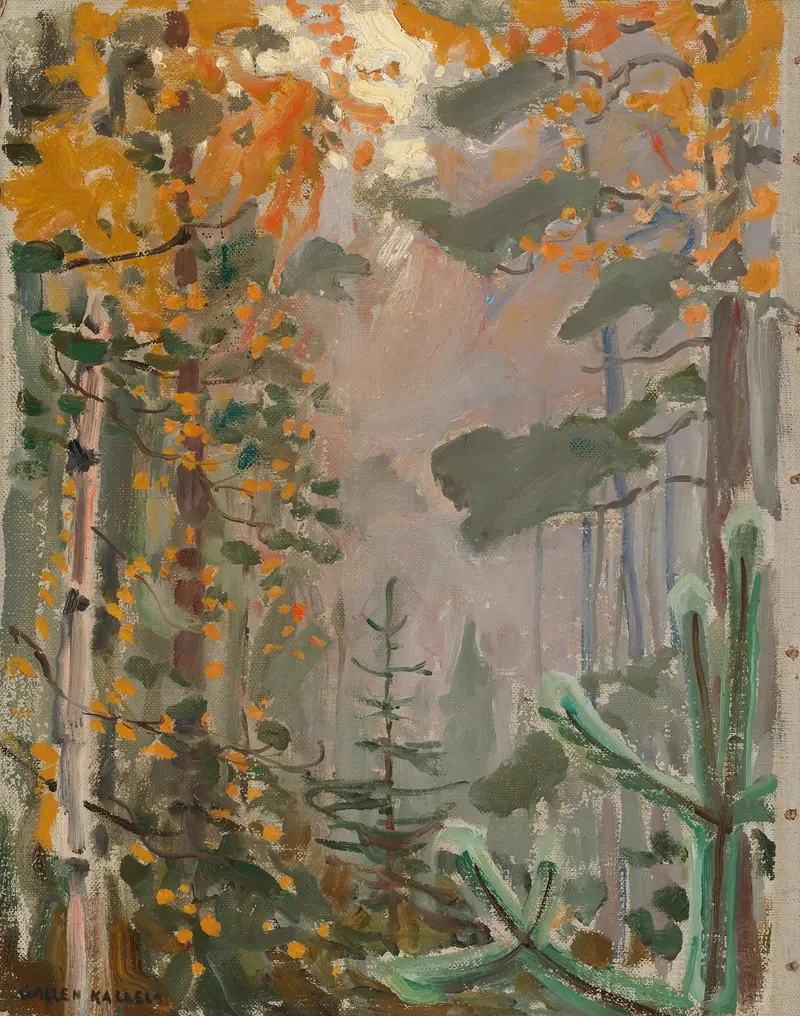
Autumn Landscape
Akseli Gallen-Kallela
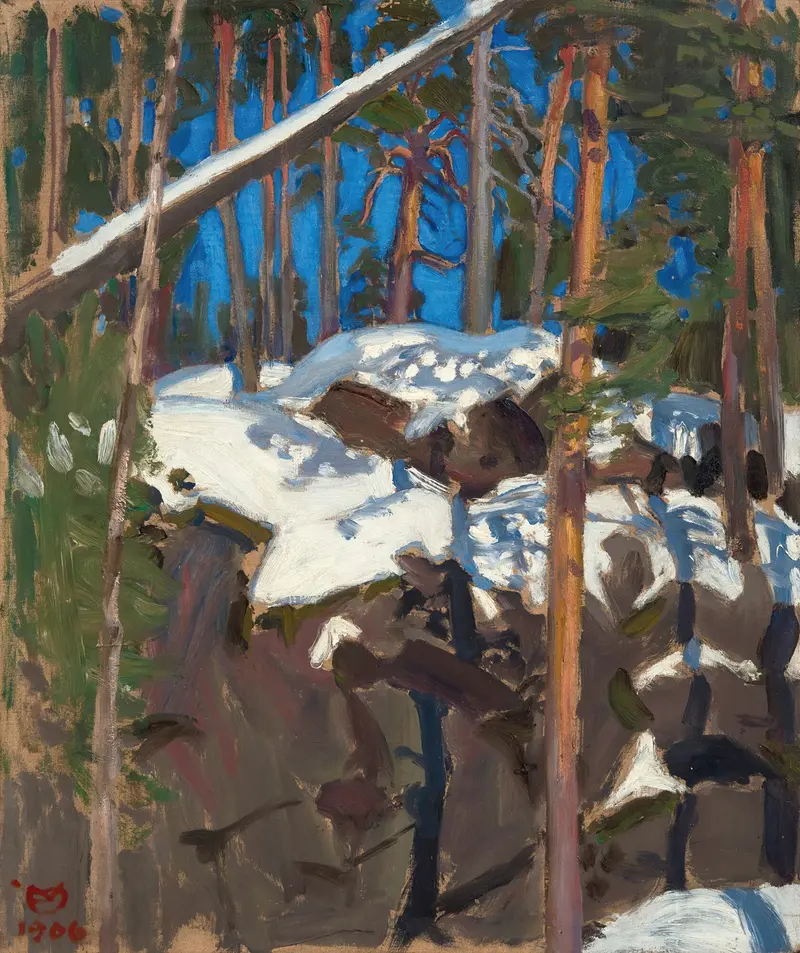
Spring Sun At Konginkangas
Akseli Gallen-Kallela
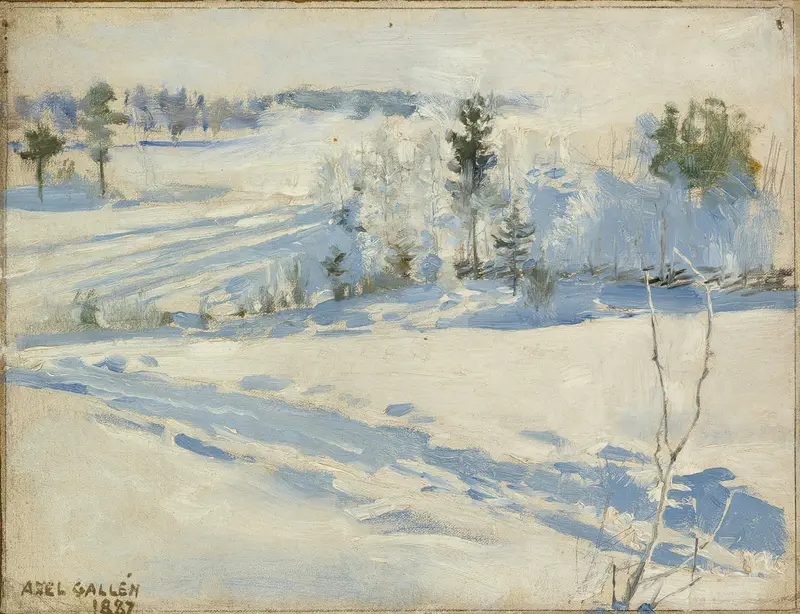
Winter Landscape
Akseli Gallen-Kallela

First Snow
Akseli Gallen-Kallela
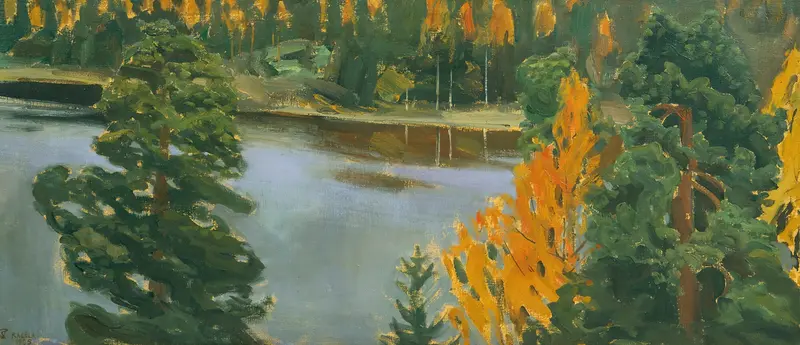
Lake View In Autumn
Akseli Gallen-Kallela
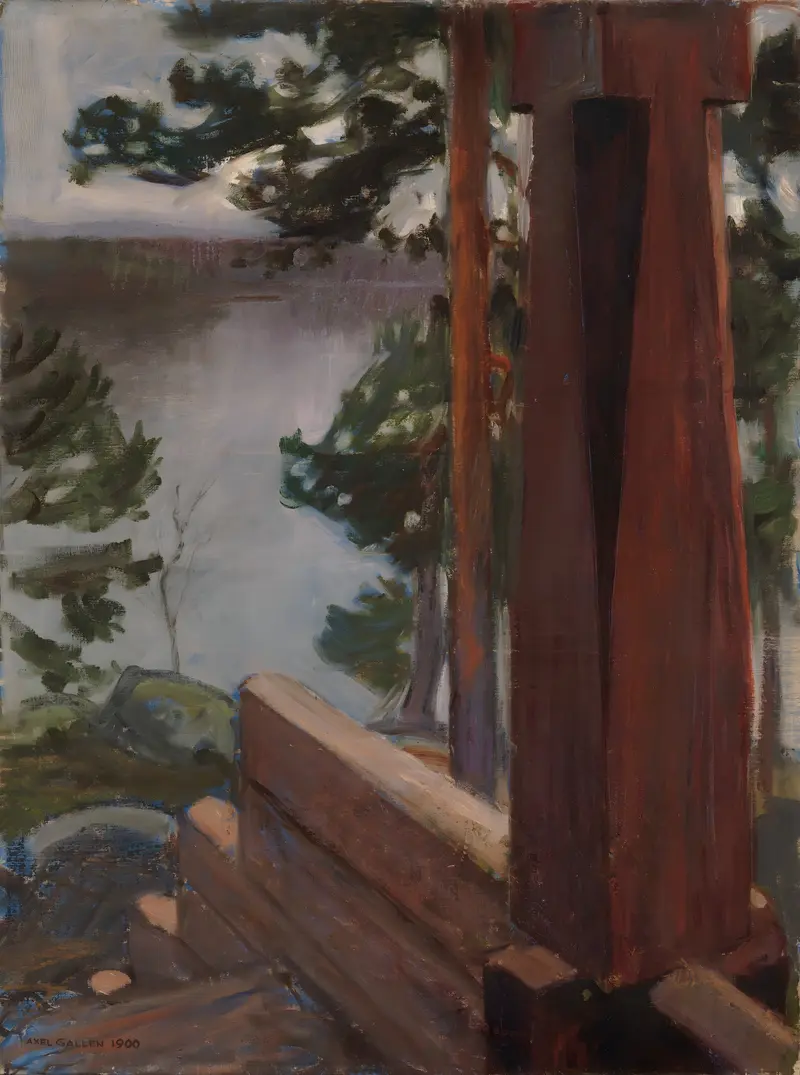
The Kalela Porch
Akseli Gallen-Kallela

Light Behind The Clouds
Akseli Gallen-Kallela





