
Portrait Of Ralph Anthony Ironside Of Tannochside, Lanarkshire — History & Facts
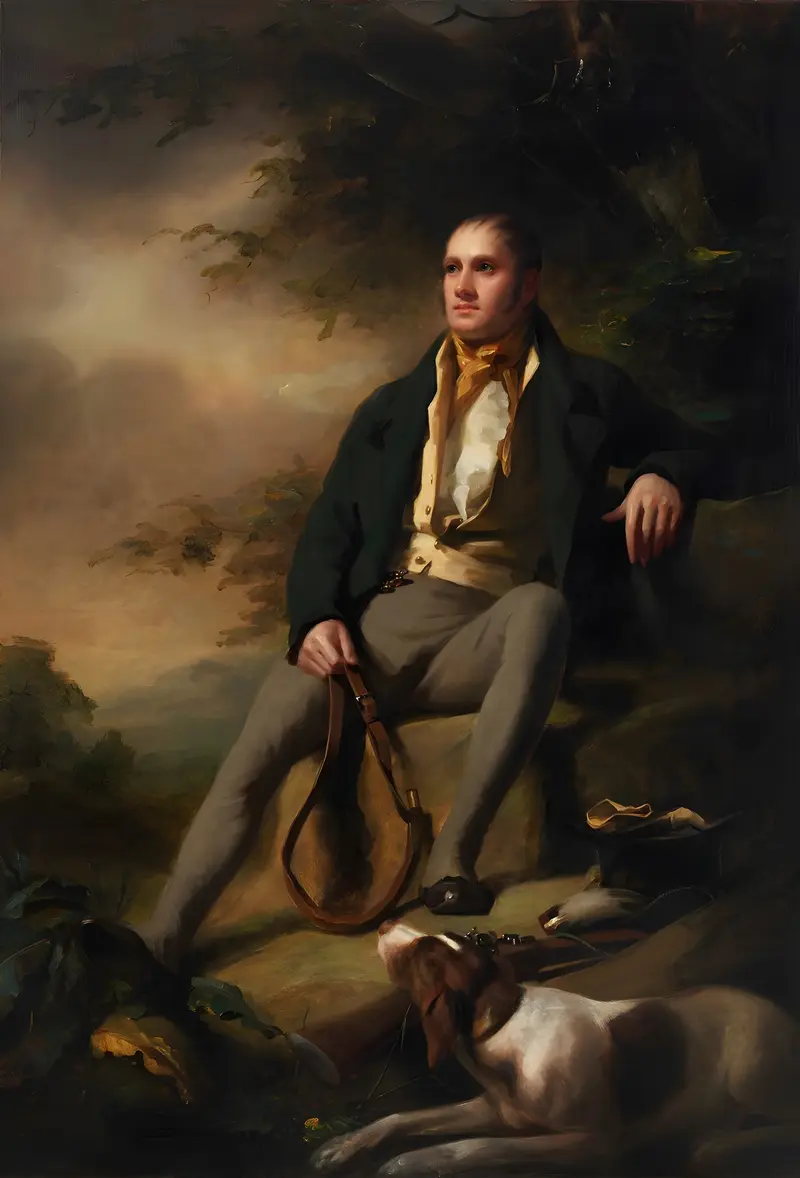
When Sir Henry Raeburn painted Portrait Of Ralph Anthony Ironside Of Tannochside, Lanarkshire, he captured not just a likeness but a rising figure in Scottish society whose family would later play a significant role in the industrial growth of Lanarkshire. The Ironsides of Tannochside were known for their landholdings and connections to the region’s coal and iron industries, and this portrait is believed to have been commissioned to mark Ralph Anthony Ironside’s inheritance of the estate. The painting stands as a testament to the aspirations and self-image of Scotland’s landed gentry at the turn of the nineteenth century, a period when Raeburn was the portraitist of choice for those wishing to assert their status.
It is not known exactly when Raeburn painted this work, but it likely dates from the height of his career, when his Edinburgh studio was a hub for the Scottish elite. Raeburn’s sitter is caught in a moment of composed assurance, his gaze direct yet reserved, a pose familiar in the artist’s work but never formulaic. The dark, rich background throws Ironside’s face and hands into sharp relief, a device Raeburn often used to focus the viewer’s attention on the sitter’s character rather than their surroundings. The subtle play of light across Ironside’s features suggests both the confidence of youth and the gravity of responsibility.
His attire, formal yet understated, signals both wealth and a certain Presbyterian restraint typical of the Scottish gentry. Compared to the flamboyant settings of Thomas Gainsborough’s English portraits, Raeburn’s approach is more psychological, seeking to reveal the inner life of his subject rather than dazzle with opulent detail. The subsequent history of Portrait Of Ralph Anthony Ironside Of Tannochside, Lanarkshire is not fully documented, as is often the case with private family commissions of this period. It is likely that the painting remained in the Ironside family for generations, passing quietly from one heir to the next, before entering the art market in the twentieth century as estates were dispersed.
Today, it stands as a representative example of Sir Henry Raeburn’s mature style, admired for its directness and sensitivity. The work’s place in Raeburn’s oeuvre is secure: it exemplifies the artist’s gift for capturing the dignity and individuality of Scotland’s rising class, and continues to be studied for its insight into both sitter and society.
More Artworks by Sir Henry Raeburn

Portrait of Hugh Hope
Sir Henry Raeburn
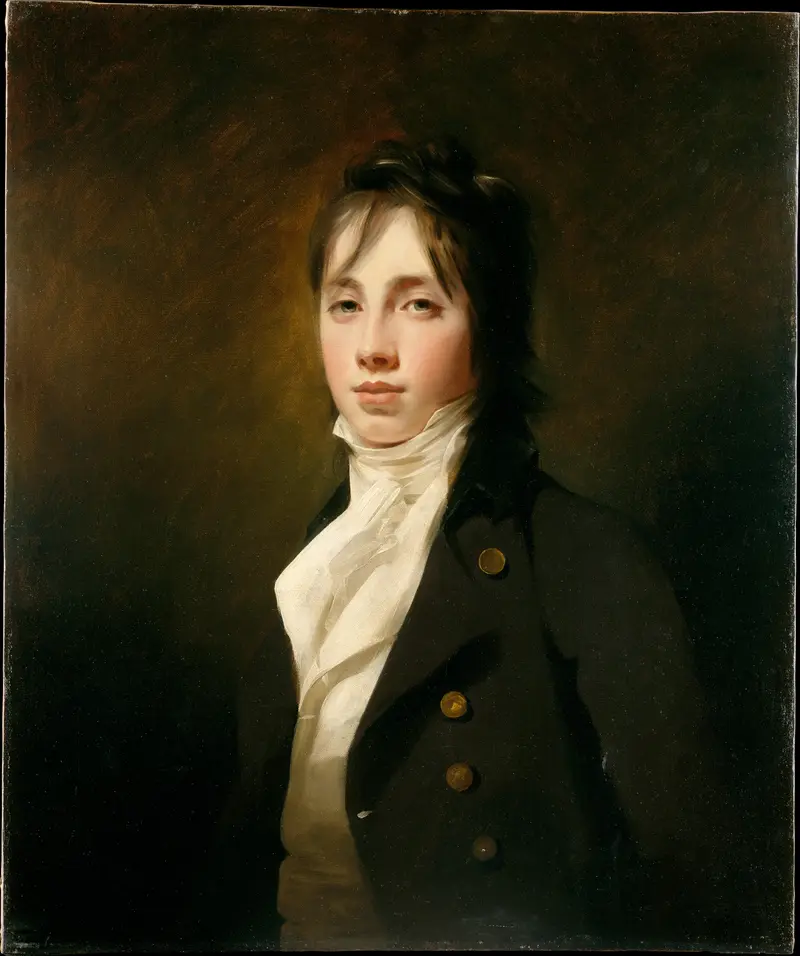
William Fraser of Reelig (1784–1835)
Sir Henry Raeburn
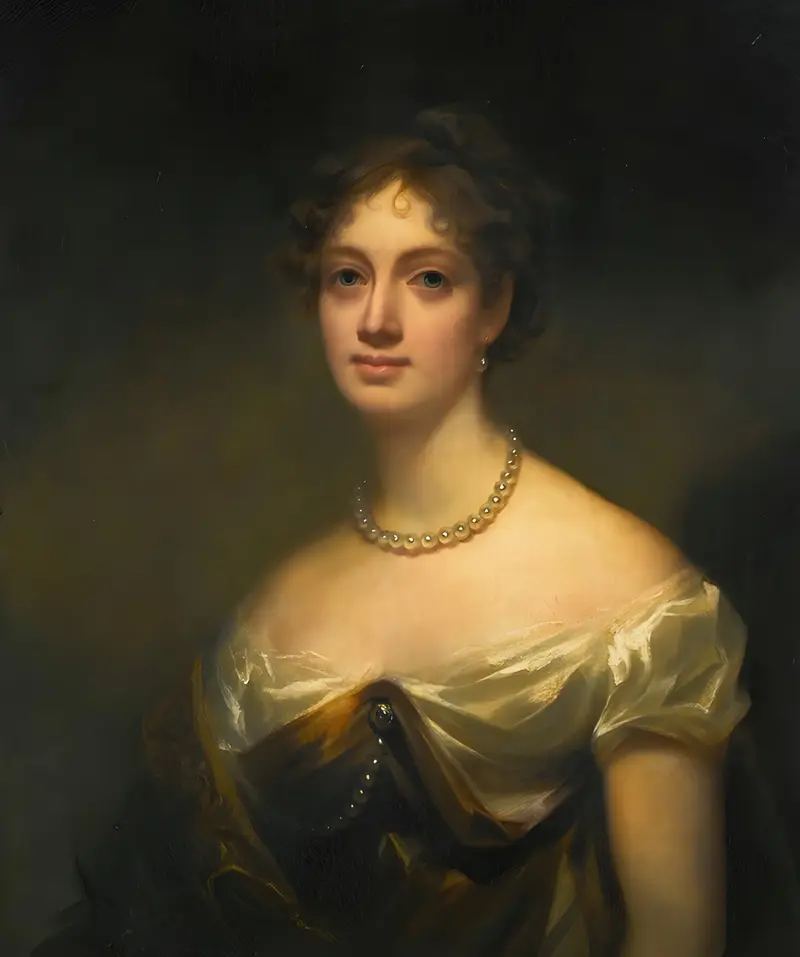
Portrait Of Anne Blair Maconochie Welwood Of Garvock, Lady Meadowbank (1784–1866)
Sir Henry Raeburn
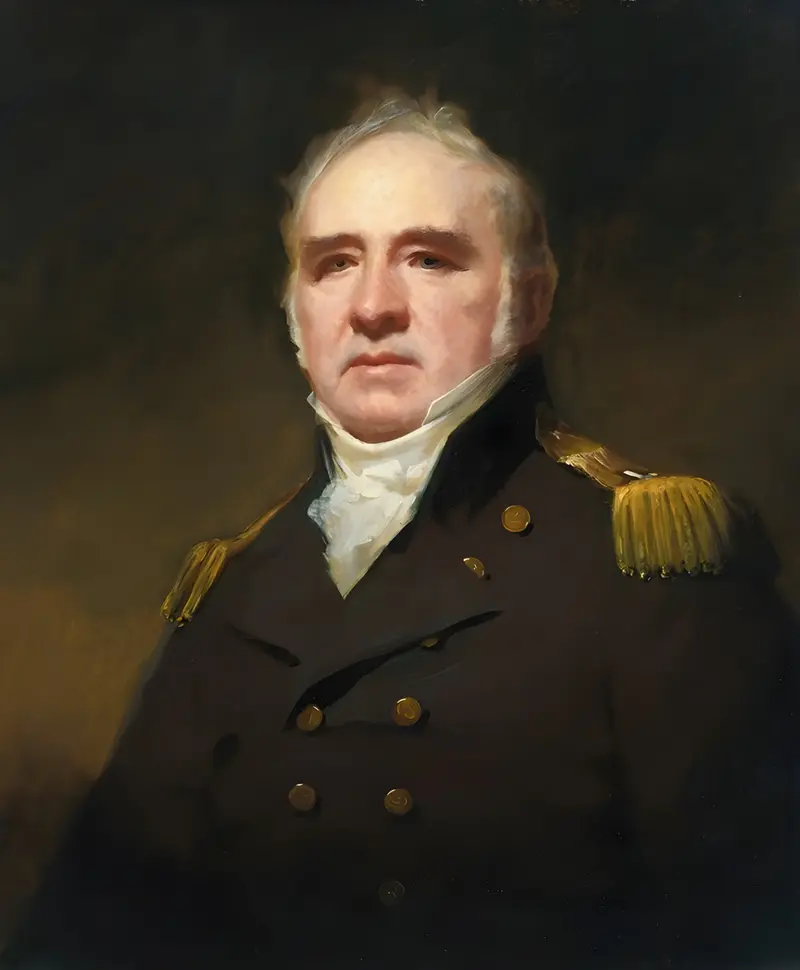
Portrait Of Captain James Forbes-Drummond, R.N., Of Hawthornden
Sir Henry Raeburn
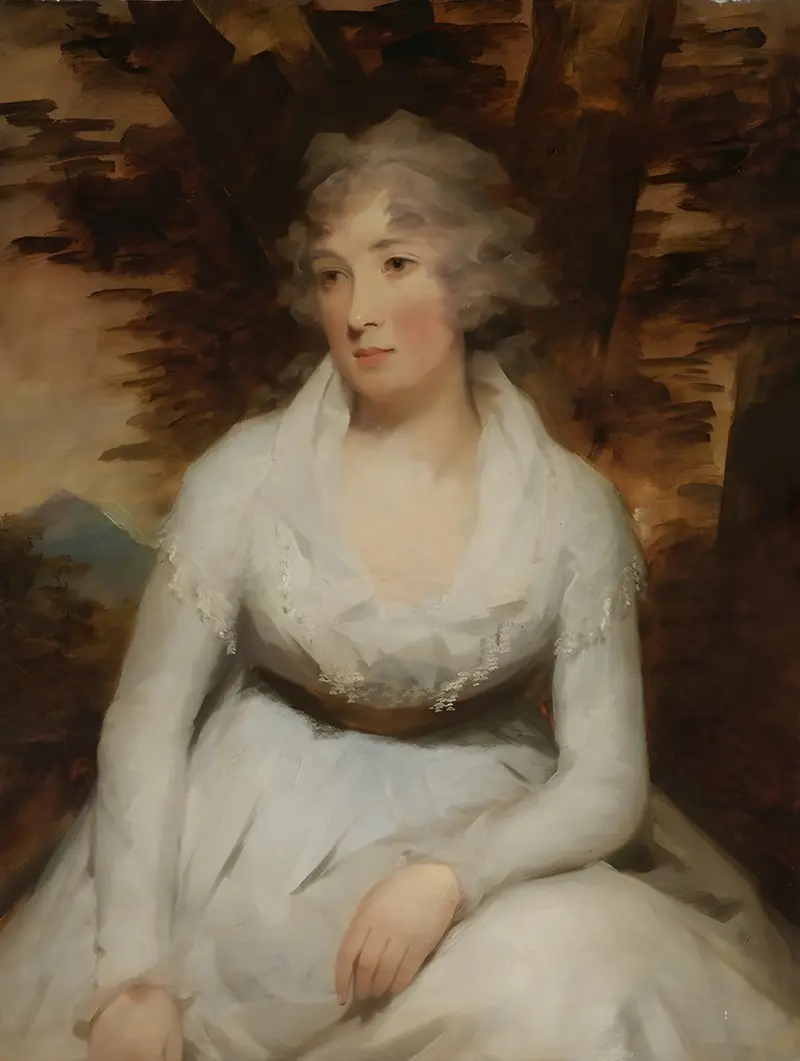
Miss Elizabeth Dalrymple (afterwards Mrs. George Leith)
Sir Henry Raeburn
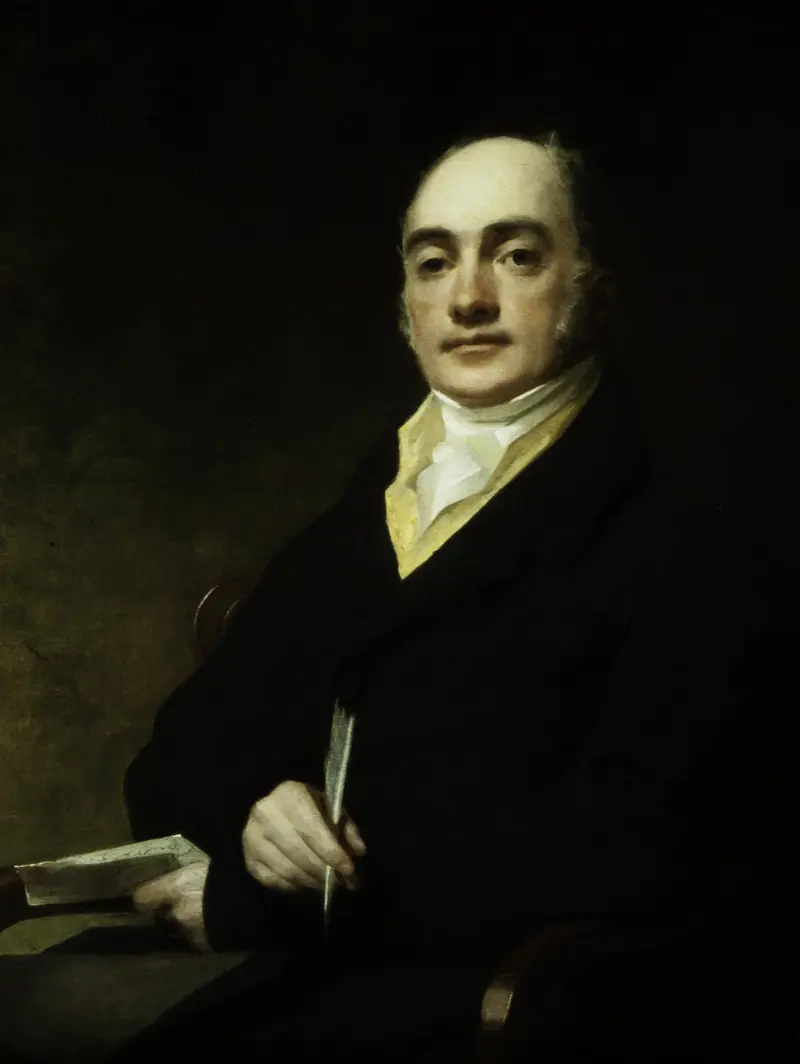
Portrait of John Baillie (1772-1833)
Sir Henry Raeburn
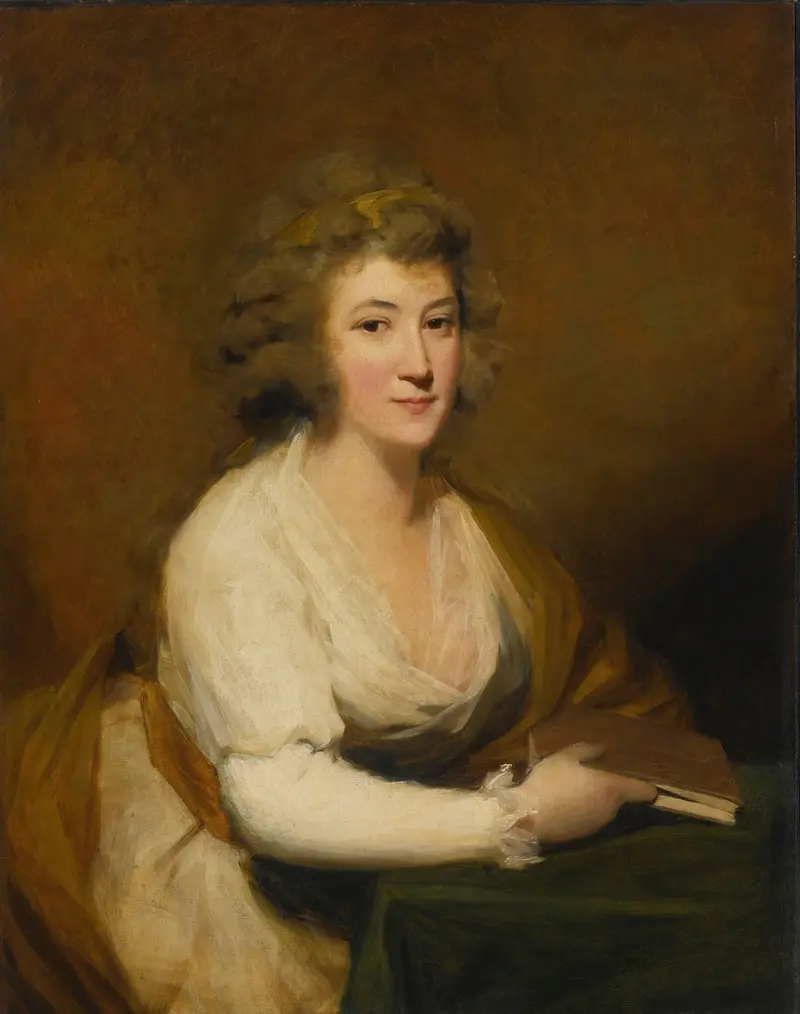
Portrait Of Lady Nasmyth, In A White Dress And Brown Shawl, Seated At A Table, Holding A Book
Sir Henry Raeburn
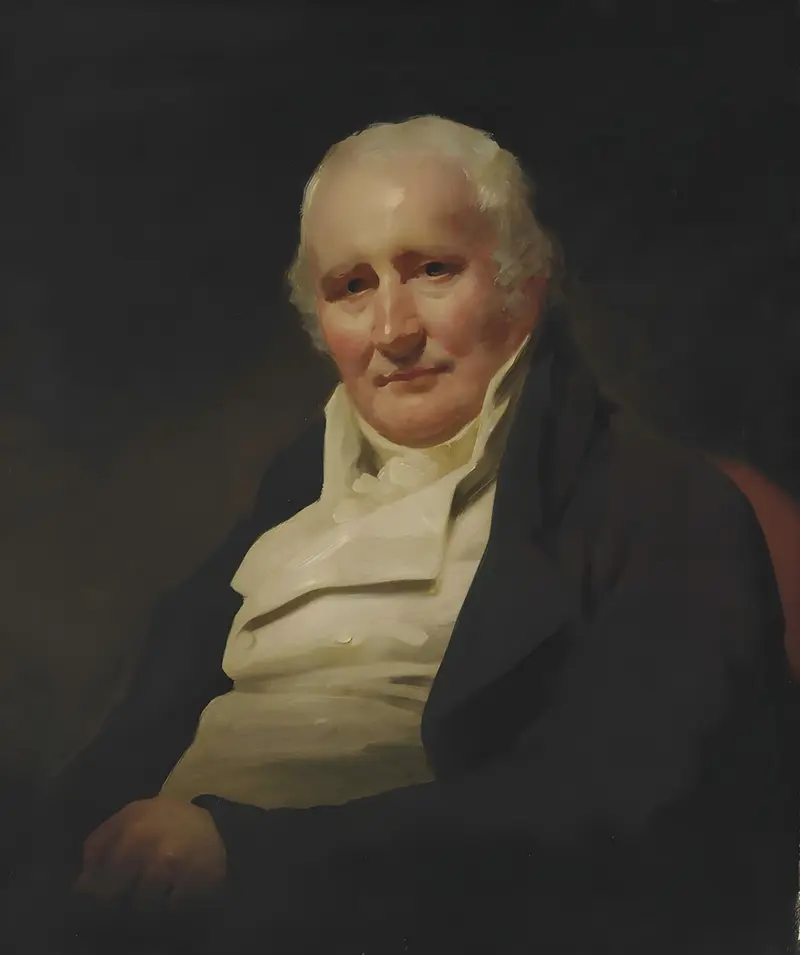
Portrait Of Mr. Spottiswood
Sir Henry Raeburn
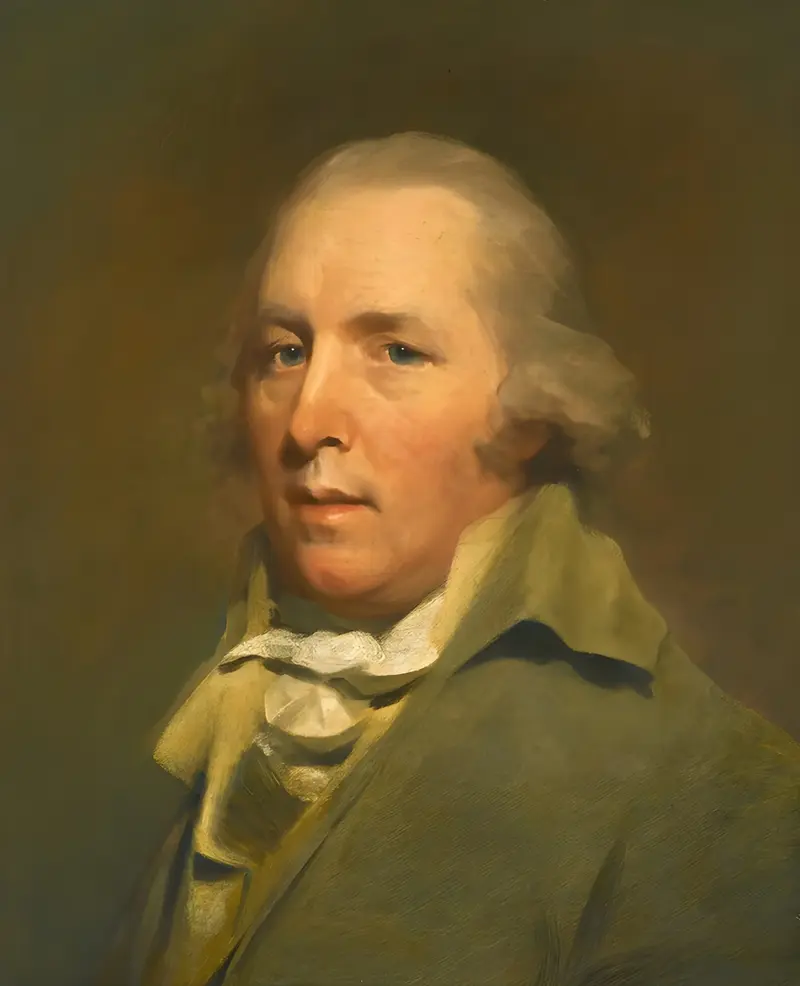
Portrait Of The Reverend John Home (1722-1808)
Sir Henry Raeburn
Portrait of William Hunt (c.1796-1854), Pittencrief House, Dunfermline
Sir Henry Raeburn





