
Portrait of Sir Patrick Inglis, Baronet of Sunnyside — History & Facts
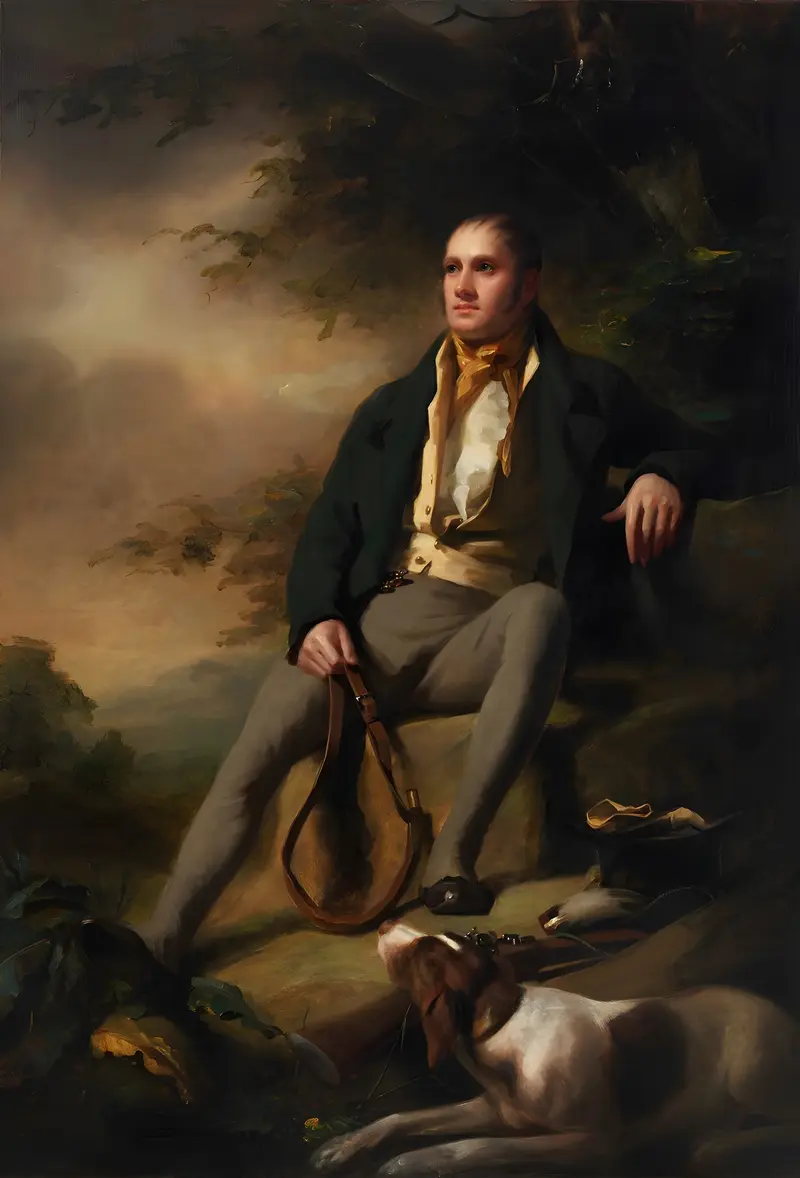
When Sir Henry Raeburn painted Portrait of Sir Patrick Inglis, Baronet of Sunnyside, he captured not only the likeness of a Scottish landowner but also a rare moment of social ascent in the late eighteenth-century Highlands. The Inglis baronetcy itself was a relatively recent creation, reflecting the shifting fortunes of Scottish gentry after the Act of Union. Unlike many of Raeburn’s sitters, Sir Patrick was not a figure of national politics or literature, but his portrait was nonetheless considered important enough to be listed in early nineteenth-century exhibition catalogues, hinting at the local prestige attached to his name. Raeburn’s canvas fixes Sir Patrick at the height of his confidence, seated in a dark coat with a direct, searching gaze.
The sitter’s hand rests on a table, fingers lightly touching a closed document—perhaps a nod to his responsibilities as a landowner. The background is spare, drawing the eye to the luminous flesh tones of the face and hands, a hallmark of Raeburn’s technique. The interplay of shadow and light across Sir Patrick’s features gives the impression of a man alert to both opportunity and scrutiny, a subtlety that distinguishes Raeburn’s approach from the more theatrical portraits of Thomas Lawrence.
The lack of ostentation in clothing and setting suggests a new kind of Scottish identity: dignified, modern, and quietly ambitious. The exact circumstances of the portrait’s commission remain unclear, as do the details of its early provenance. It is likely that Sir Patrick or his family commissioned the work to mark his elevation to the baronetcy, a common practice among the gentry of the period. Over time, the painting passed through private hands, and its attribution to Sir Henry Raeburn was confirmed only in the twentieth century, when stylistic analysis linked it to other Raeburn portraits.
Today, Portrait of Sir Patrick Inglis, Baronet of Sunnyside stands as a testament to both the ambitions of its sitter and the enduring appeal of Raeburn’s honest, searching style.
More Artworks by Sir Henry Raeburn

Portrait of Hugh Hope
Sir Henry Raeburn
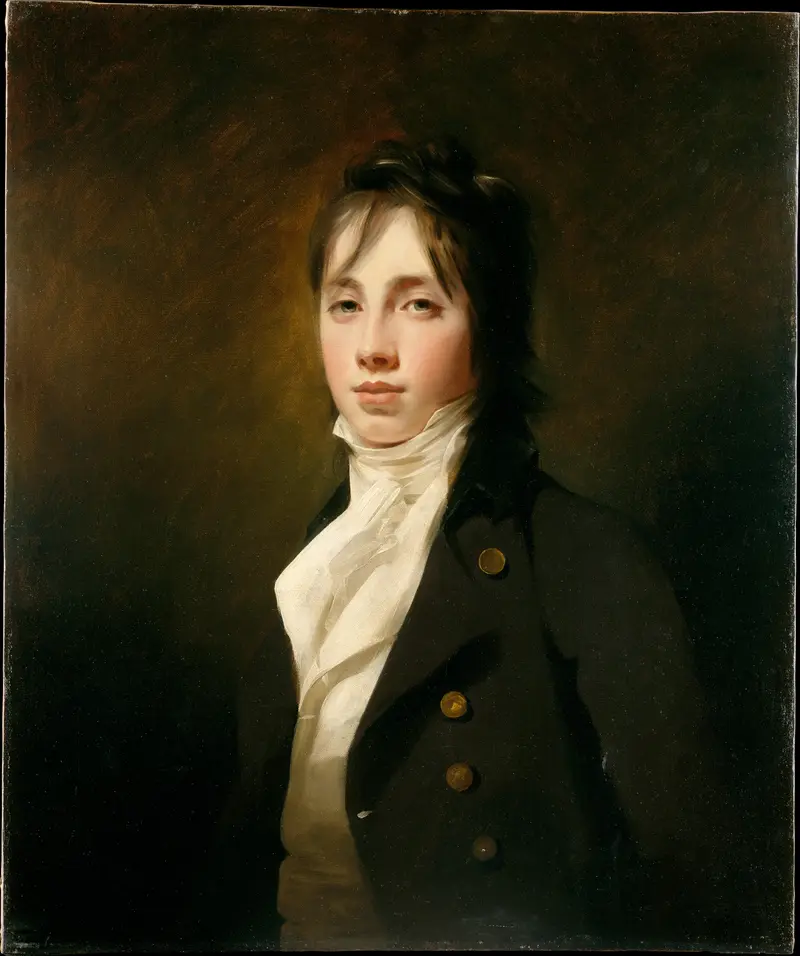
William Fraser of Reelig (1784–1835)
Sir Henry Raeburn
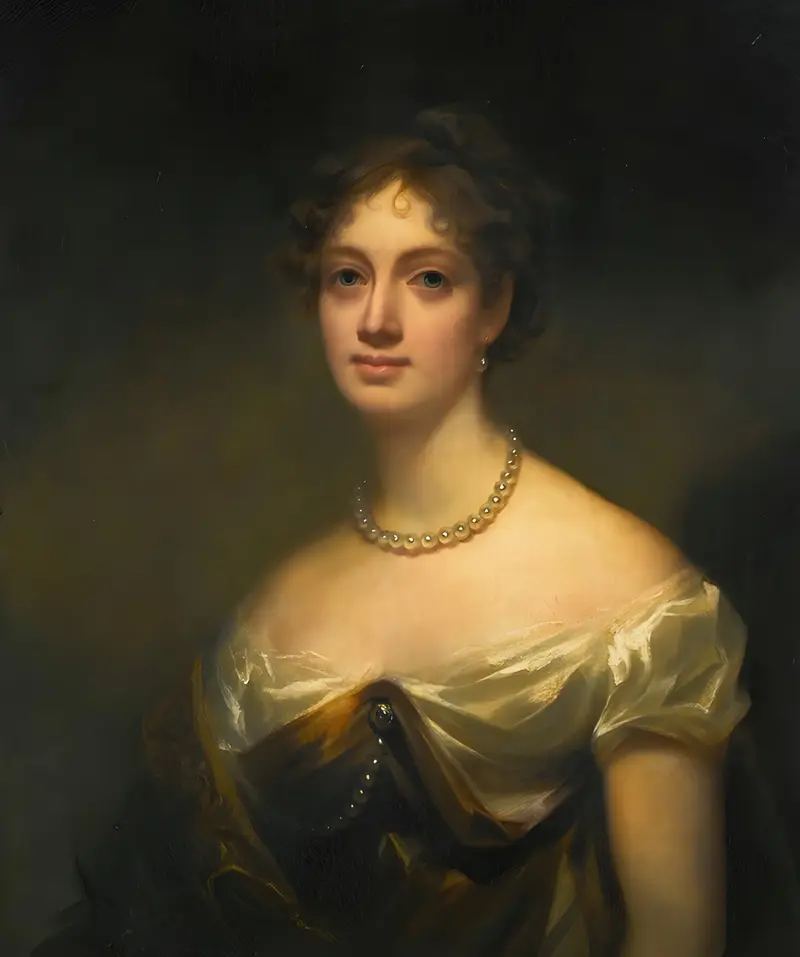
Portrait Of Anne Blair Maconochie Welwood Of Garvock, Lady Meadowbank (1784–1866)
Sir Henry Raeburn
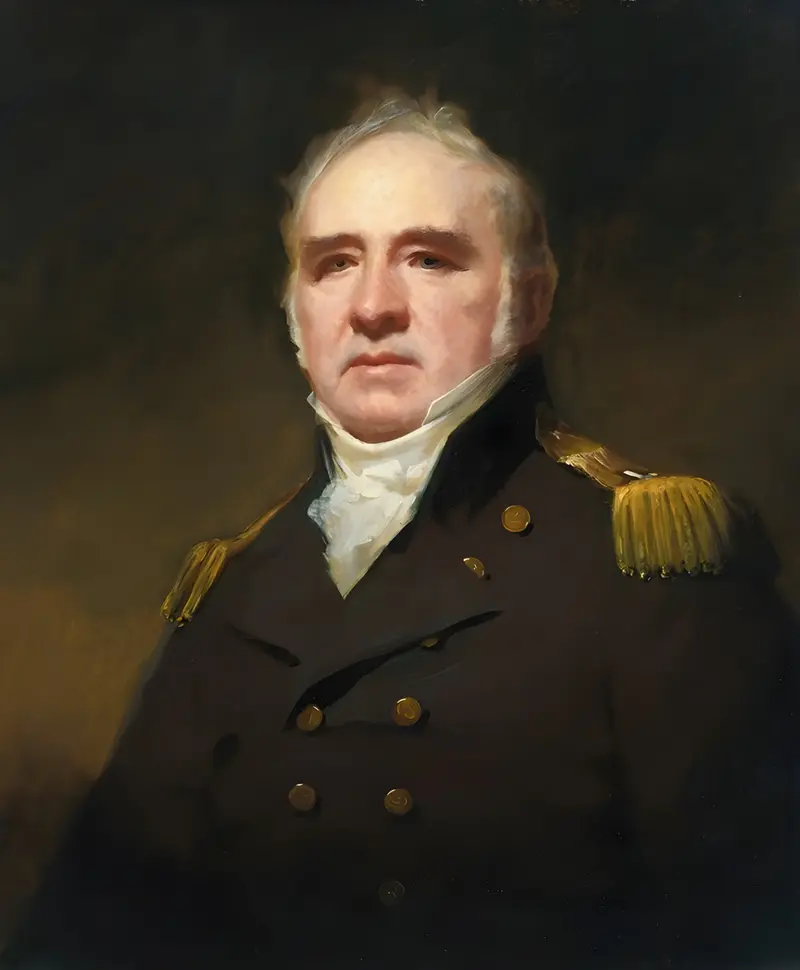
Portrait Of Captain James Forbes-Drummond, R.N., Of Hawthornden
Sir Henry Raeburn
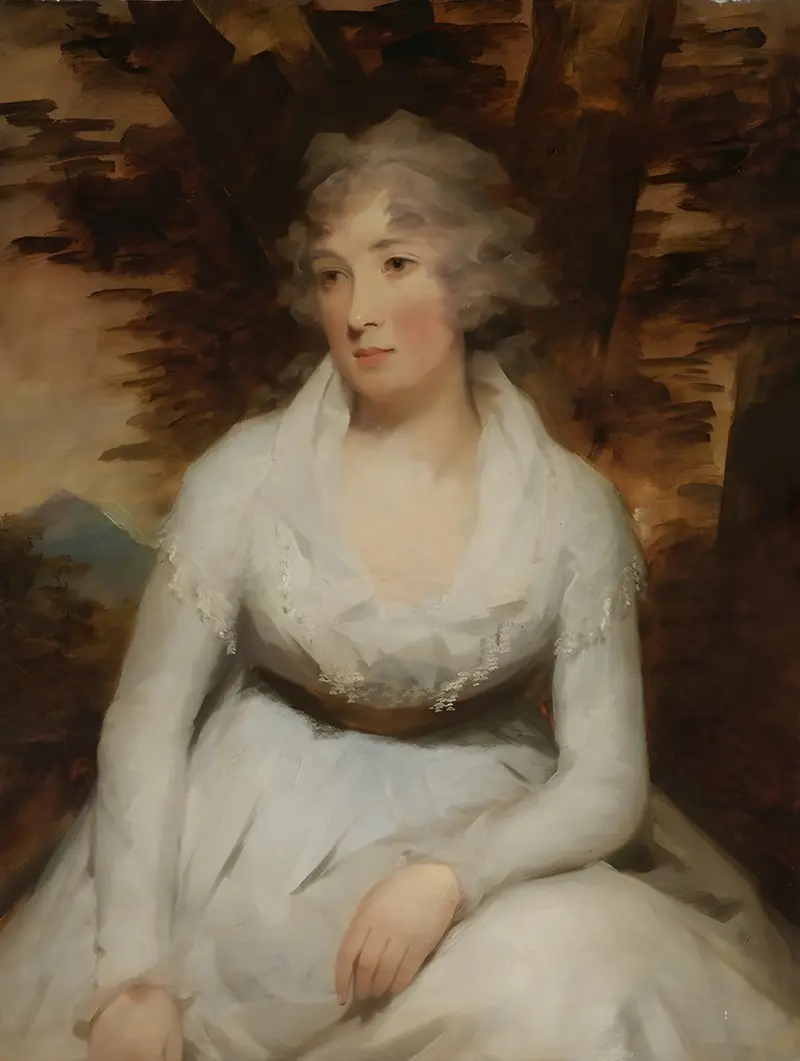
Miss Elizabeth Dalrymple (afterwards Mrs. George Leith)
Sir Henry Raeburn
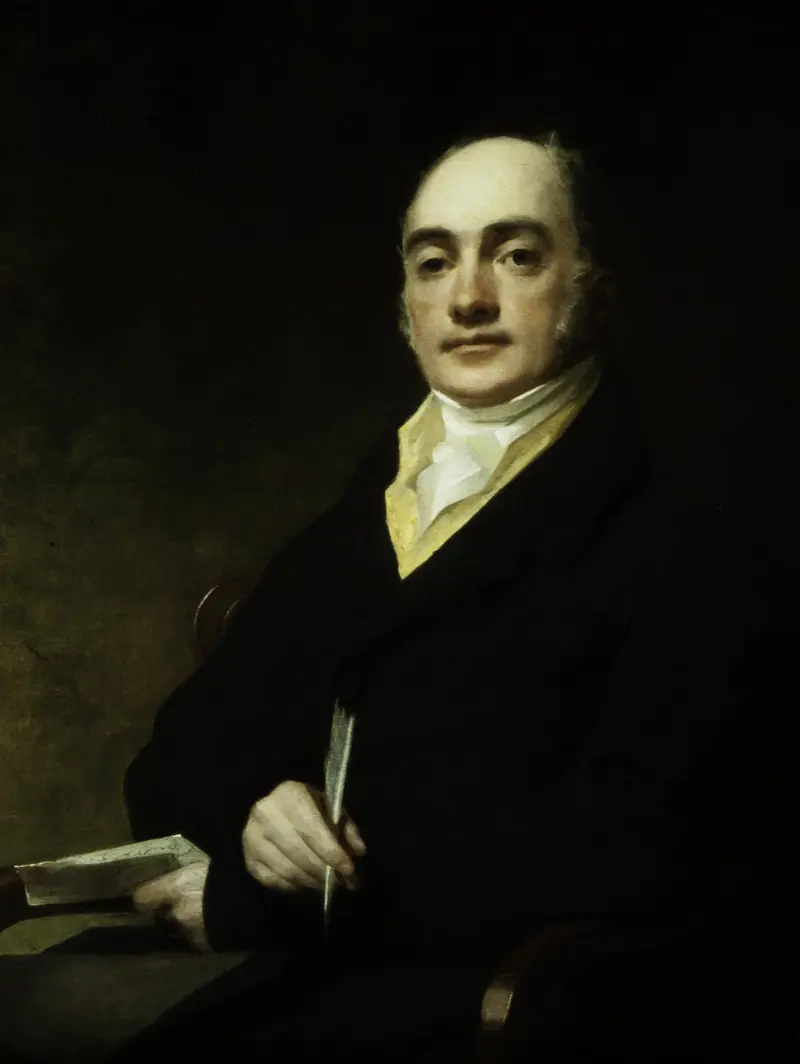
Portrait of John Baillie (1772-1833)
Sir Henry Raeburn
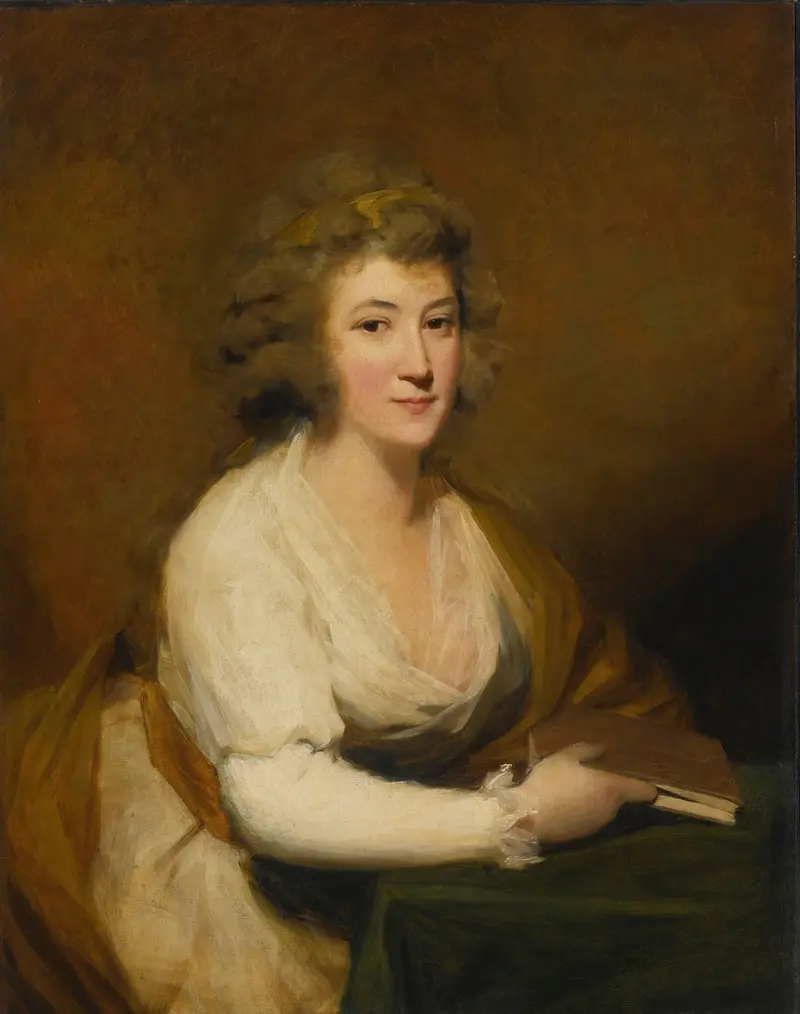
Portrait Of Lady Nasmyth, In A White Dress And Brown Shawl, Seated At A Table, Holding A Book
Sir Henry Raeburn
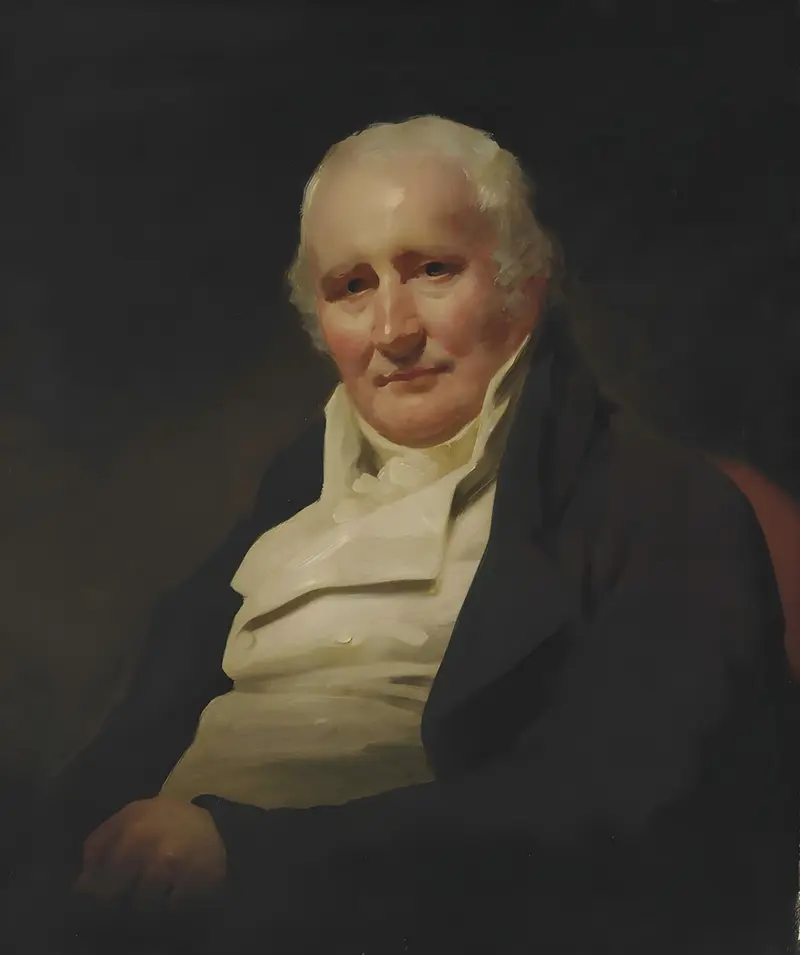
Portrait Of Mr. Spottiswood
Sir Henry Raeburn
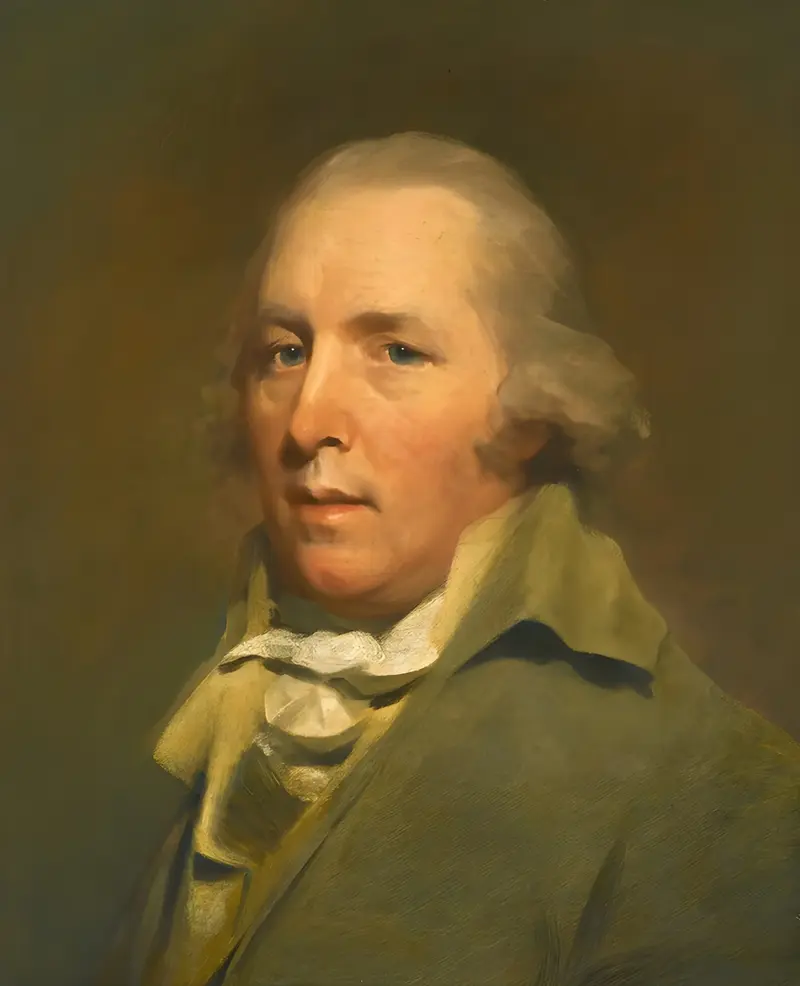
Portrait Of The Reverend John Home (1722-1808)
Sir Henry Raeburn
Portrait of William Hunt (c.1796-1854), Pittencrief House, Dunfermline
Sir Henry Raeburn





