
Portrait of Thomas Wood — History & Facts
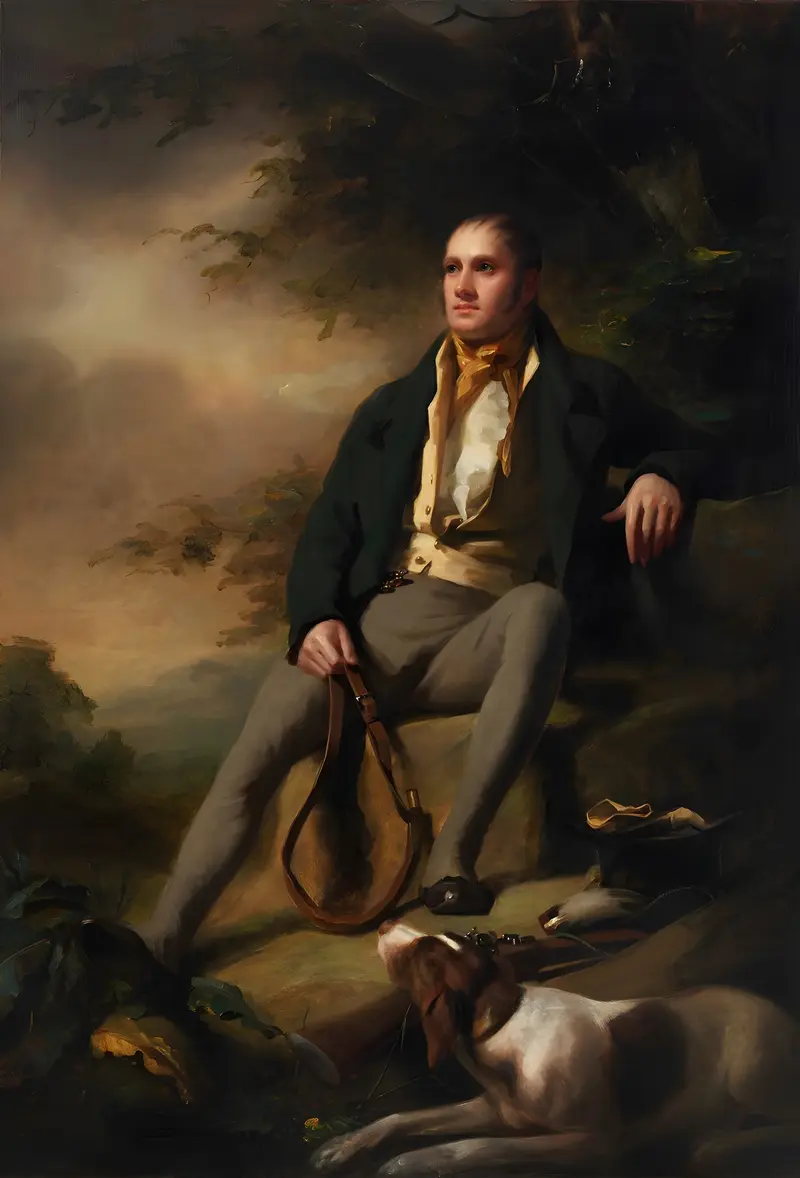
When Sir Henry Raeburn painted Portrait of Thomas Wood, he was already celebrated as the leading portraitist of Enlightenment Edinburgh, yet the identity of Thomas Wood himself remains a quiet puzzle. Unlike Raeburn’s more famous sitters—judges, scientists, and landed gentry—Wood’s biography is largely lost to time, with no surviving records to clarify his profession or social standing. This anonymity has led some scholars to speculate that Wood may have been a friend or local figure rather than a prominent patron, making the portrait an intriguing outlier in Raeburn’s oeuvre.
The painting’s lack of date and commission details only deepens the mystery, inviting viewers to look more closely at the man behind the name. Raeburn captures Thomas Wood in a moment of reflective composure, his direct gaze meeting the viewer with a quiet confidence. The sitter’s plain dark coat and simple white cravat suggest modesty, while the subtle play of light across his face and hands draws attention to his thoughtful expression. The background is spare, focusing all attention on Wood himself—a technique Raeburn often used to emphasize character over status.
Unlike the grand settings favored by Thomas Gainsborough in his portraits, Raeburn’s approach is intimate and psychological, allowing the sitter’s personality to emerge through posture and expression rather than props or costume. The restrained palette and soft modeling of features are hallmarks of Raeburn’s mature style. As with many of Raeburn’s works, the journey of Portrait of Thomas Wood from studio to gallery is not fully documented. It is likely that the painting remained in private hands for much of its existence, possibly passing through generations of Wood’s descendants or local collectors in Scotland.
Today, it stands as a testament to Raeburn’s ability to dignify even the most enigmatic of sitters, and it is now part of an online collection where its quiet presence continues to invite speculation and admiration. The portrait belongs to the later phase of Raeburn’s career, when his brushwork grew looser and his interest in psychological depth became more pronounced, marking a distinct contribution to the tradition of British portraiture.
More Artworks by Sir Henry Raeburn

Portrait of Hugh Hope
Sir Henry Raeburn
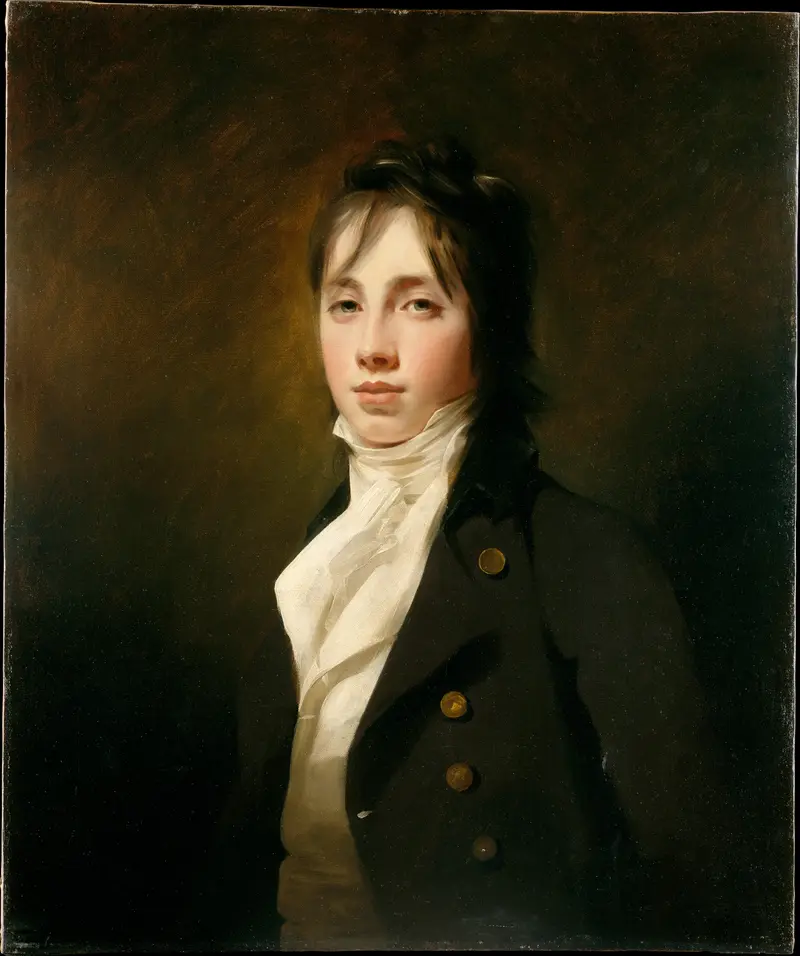
William Fraser of Reelig (1784–1835)
Sir Henry Raeburn
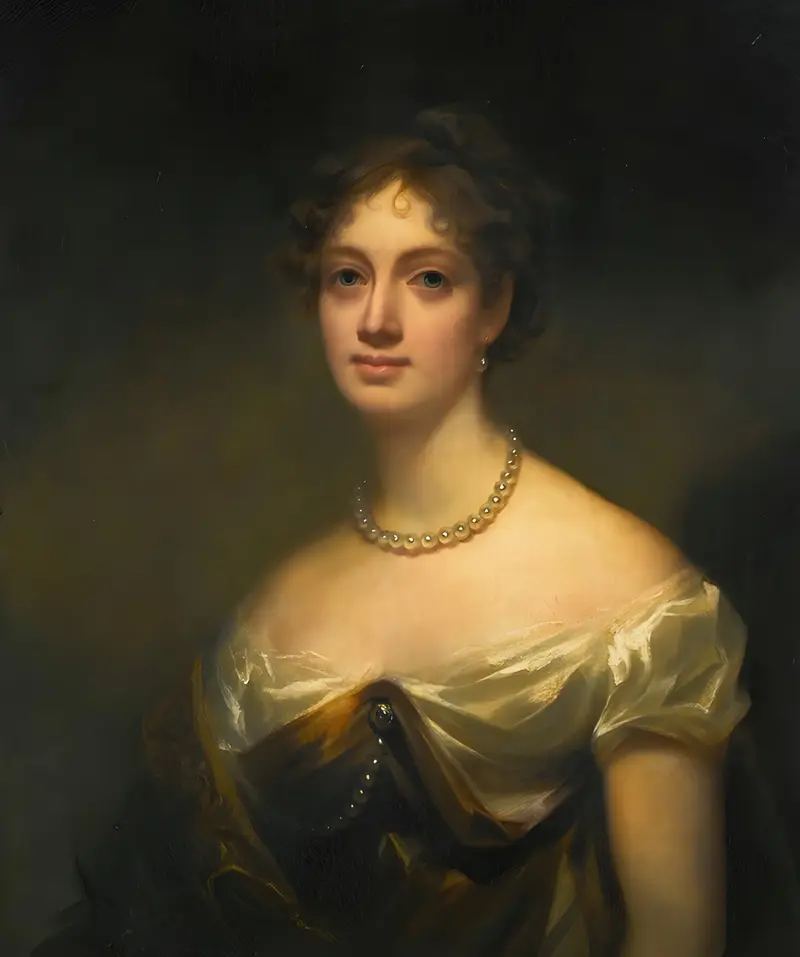
Portrait Of Anne Blair Maconochie Welwood Of Garvock, Lady Meadowbank (1784–1866)
Sir Henry Raeburn
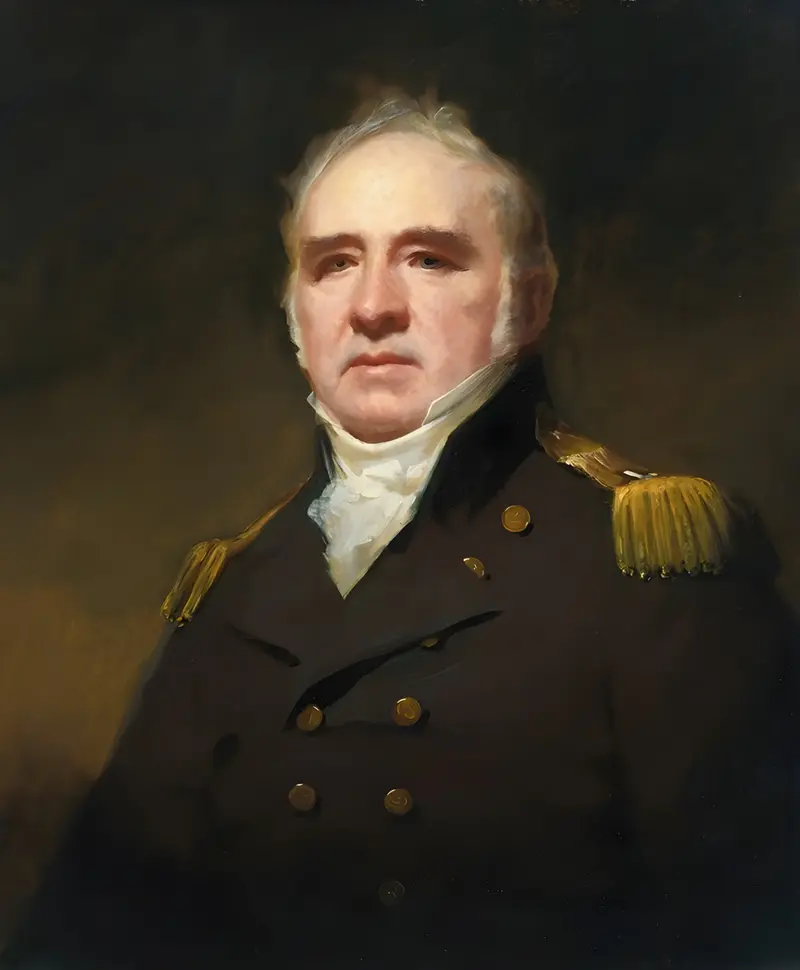
Portrait Of Captain James Forbes-Drummond, R.N., Of Hawthornden
Sir Henry Raeburn
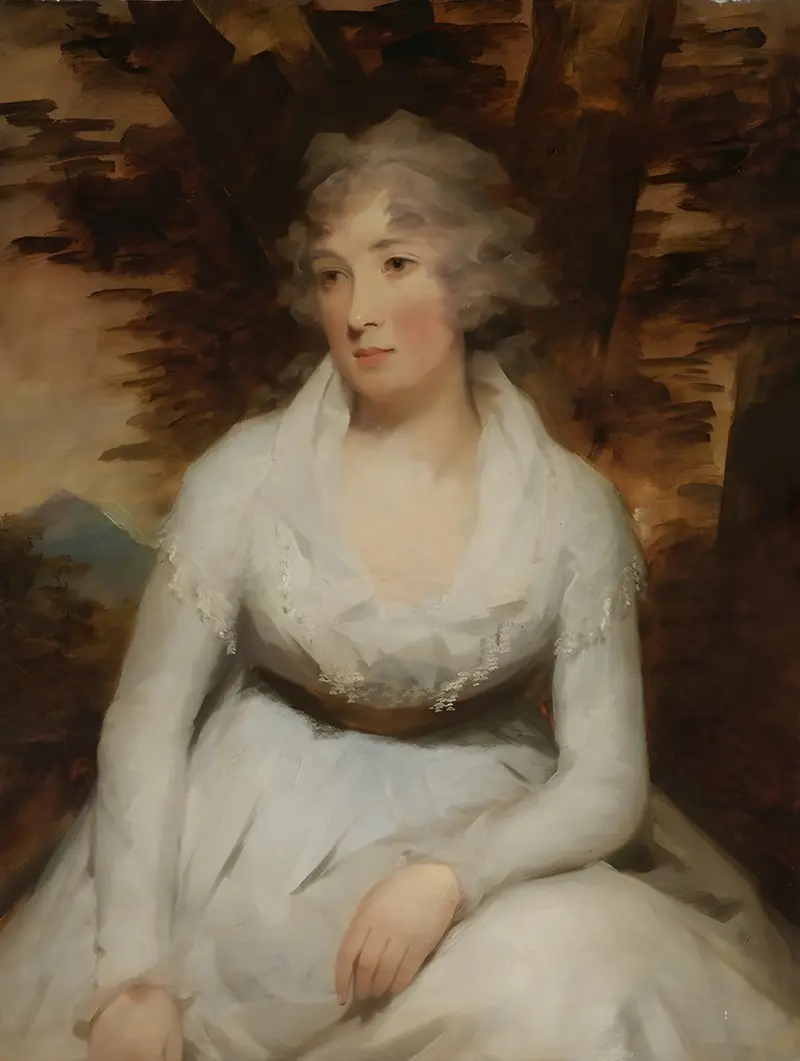
Miss Elizabeth Dalrymple (afterwards Mrs. George Leith)
Sir Henry Raeburn
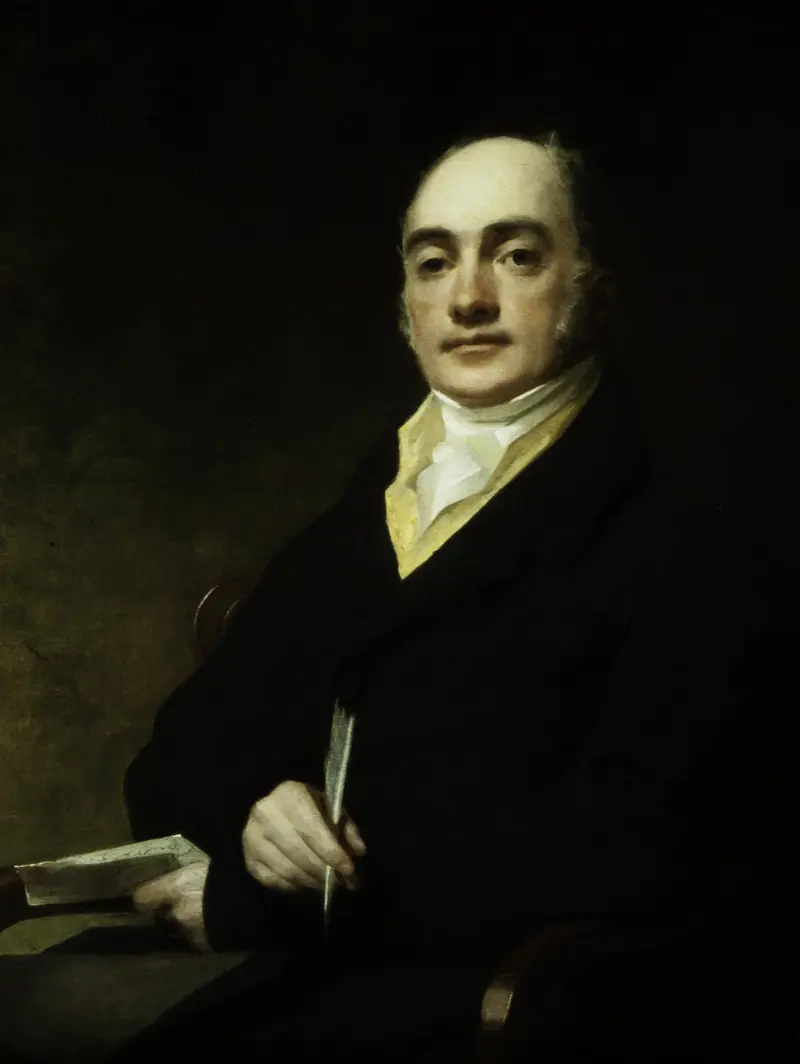
Portrait of John Baillie (1772-1833)
Sir Henry Raeburn
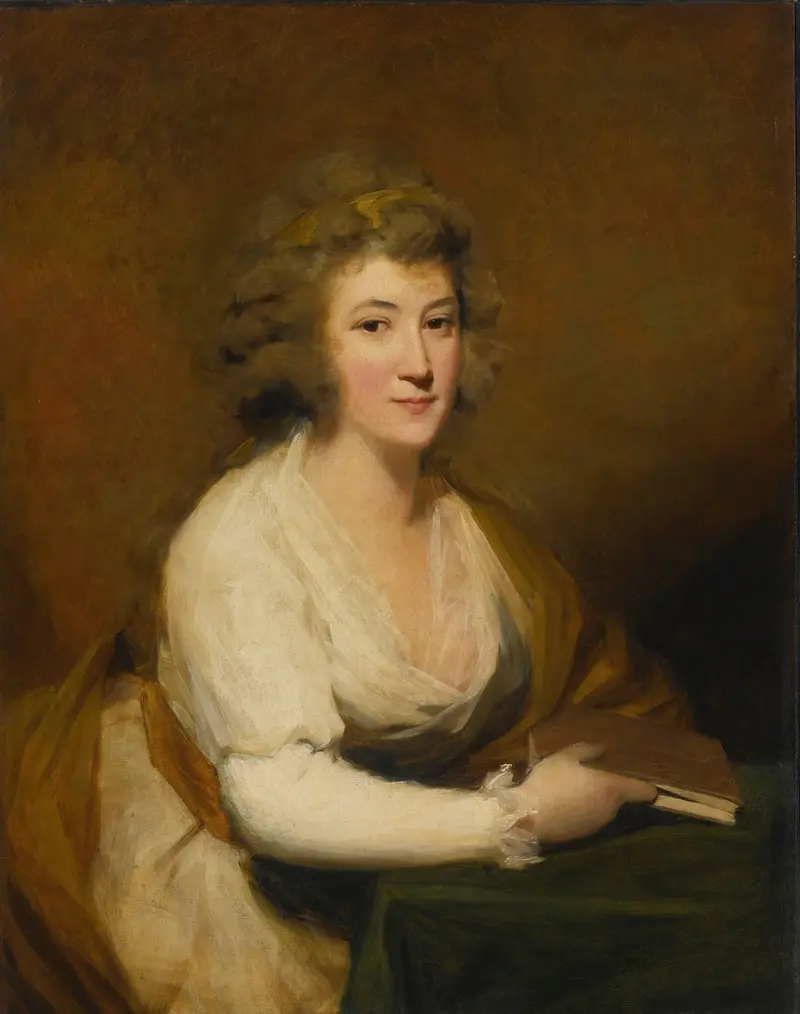
Portrait Of Lady Nasmyth, In A White Dress And Brown Shawl, Seated At A Table, Holding A Book
Sir Henry Raeburn
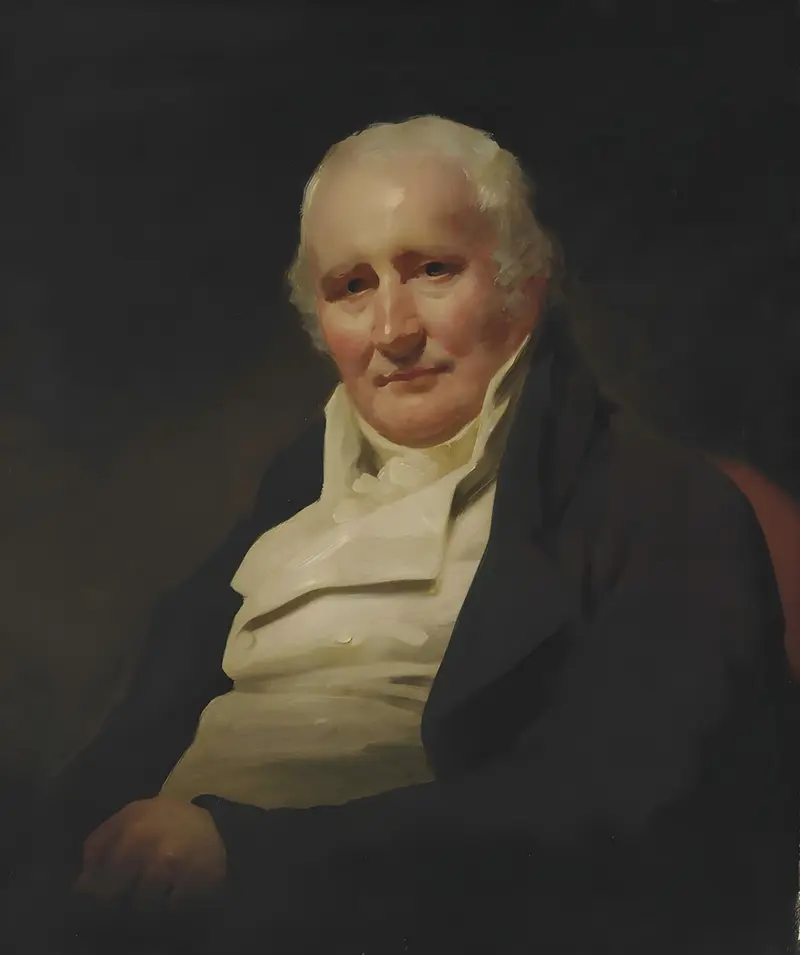
Portrait Of Mr. Spottiswood
Sir Henry Raeburn
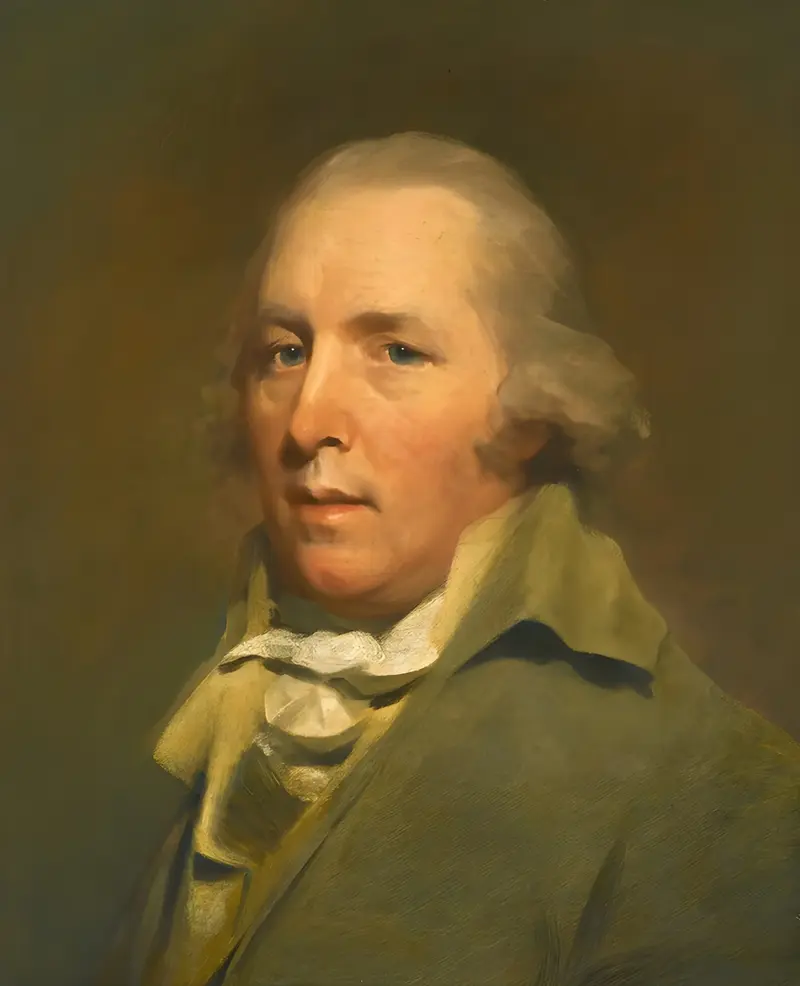
Portrait Of The Reverend John Home (1722-1808)
Sir Henry Raeburn
Portrait of William Hunt (c.1796-1854), Pittencrief House, Dunfermline
Sir Henry Raeburn





