
Prometheus Chained, The Griffon Vulture Tearing At His Liver — History & Facts
Few stories in ancient myth have gripped the imagination of artists like that of Prometheus, but Abraham Bloemaert’s treatment stands out for its raw physicality and emotional charge. The tale of Prometheus, the Titan punished by Zeus for gifting fire to humanity, was a favorite among painters of the late Mannerist and early Baroque periods, yet Bloemaert’s version is notable for the way it lingers on the agony of the moment, rather than its aftermath or redemption. While the exact date and circumstances of this painting’s creation remain uncertain, its intensity suggests it was painted at a time when artists were fascinated by the limits of human suffering and the power of myth to express them. Prometheus is caught in the very act of torment: chained to a barren rock, his muscular body writhes as the griffon vulture tears at his exposed liver.
Bloemaert seizes the moment of pain and defiance, the Titan’s face twisted in a mixture of agony and resistance. The heavy iron chains binding his limbs are not just instruments of punishment, but symbols of divine retribution and the cost of rebellion. The vulture, rendered with almost scientific precision, becomes the relentless agent of Zeus’s will.
Unlike Rubens’s more theatrical Prometheus Bound, Bloemaert’s composition is starker, the landscape emptier, focusing our gaze on the brutal intimacy between victim and tormentor. The harsh light falls directly on Prometheus’s flesh, emphasizing both his vulnerability and his endurance. The painting’s early history is unclear, as is often the case with works by Abraham Bloemaert, who was both a prolific artist and a teacher to many in the Utrecht school. While the patron and original location are lost to time, the subject and style place it firmly within the Northern European fascination with mythological punishment and moral allegory, popular in the late 16th and early 17th centuries.
Over the centuries, works like this have moved through private hands, sometimes misattributed or overshadowed by more famous renditions. Today, Prometheus Chained, The Griffon Vulture Tearing At His Liver stands as a testament to Bloemaert’s ability to blend anatomical precision with psychological drama, securing his reputation as a bridge between the Mannerist and early Baroque sensibilities.
More Artworks by Abraham Bloemaert

Adam and Eve
Abraham Bloemaert
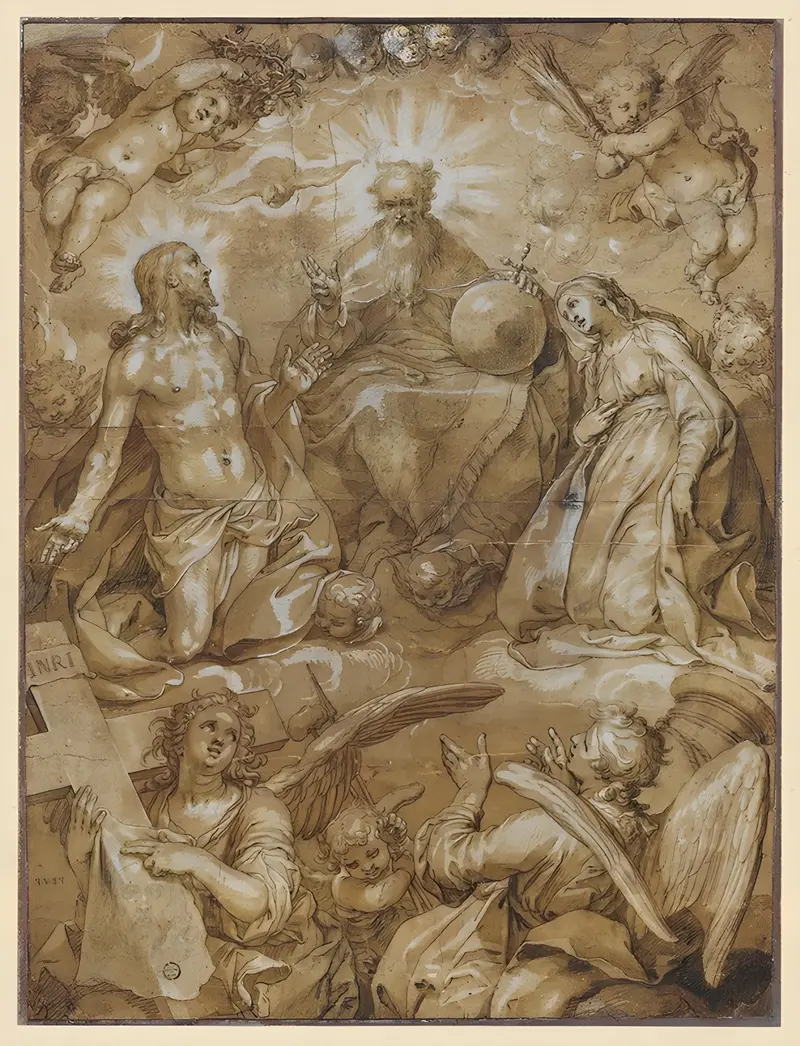
Intercession of Christ and Mary before God the Father
Abraham Bloemaert
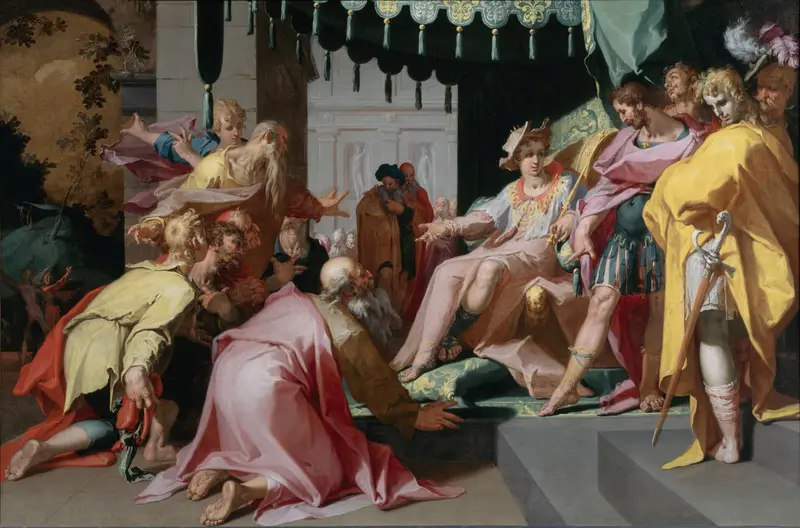
Joseph and his Brothers
Abraham Bloemaert
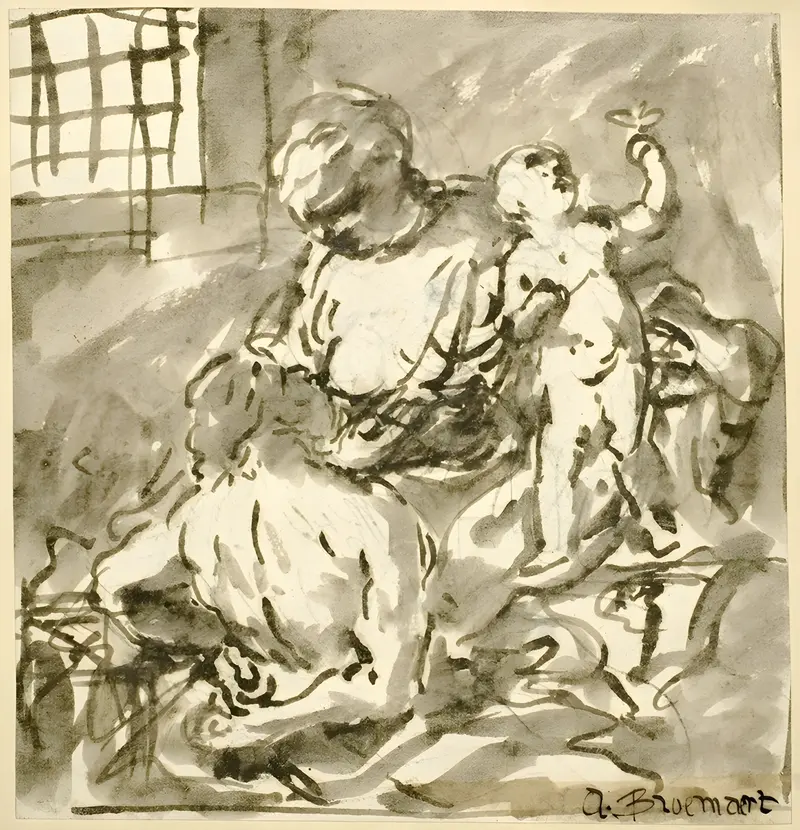
Caritas Romana
Abraham Bloemaert
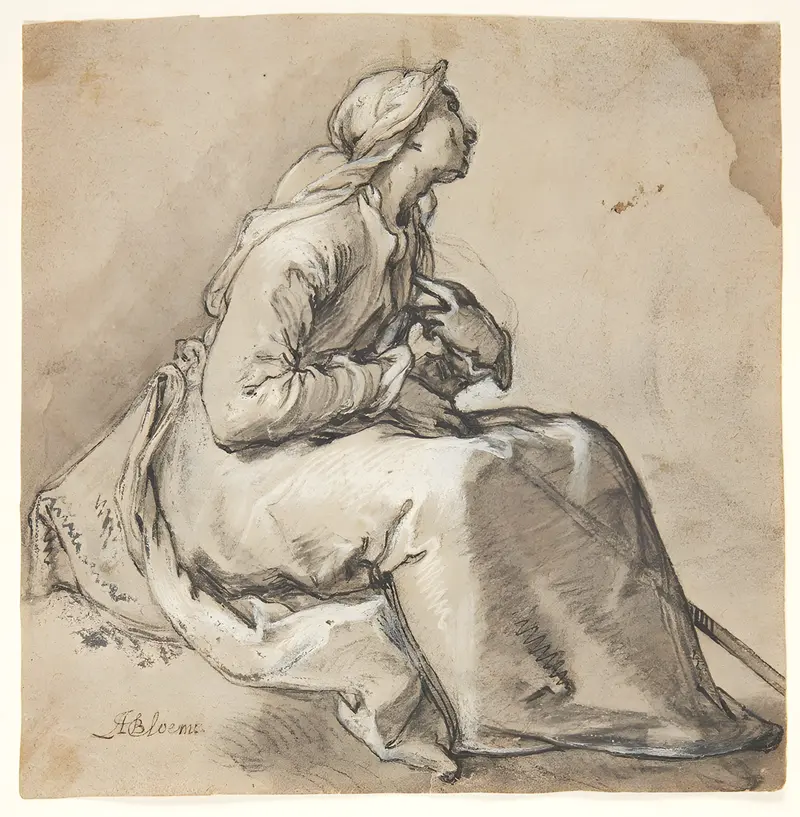
A seated woman facing right
Abraham Bloemaert
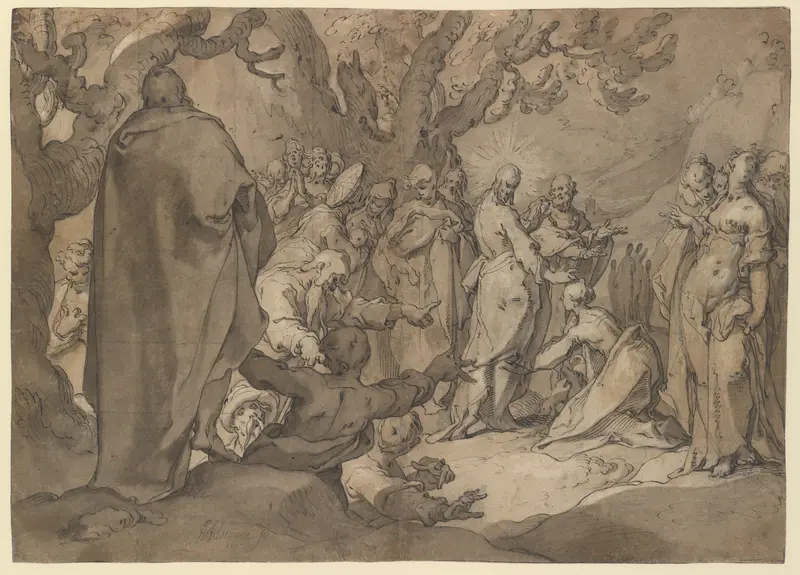
Christ and the Canaanite Women
Abraham Bloemaert
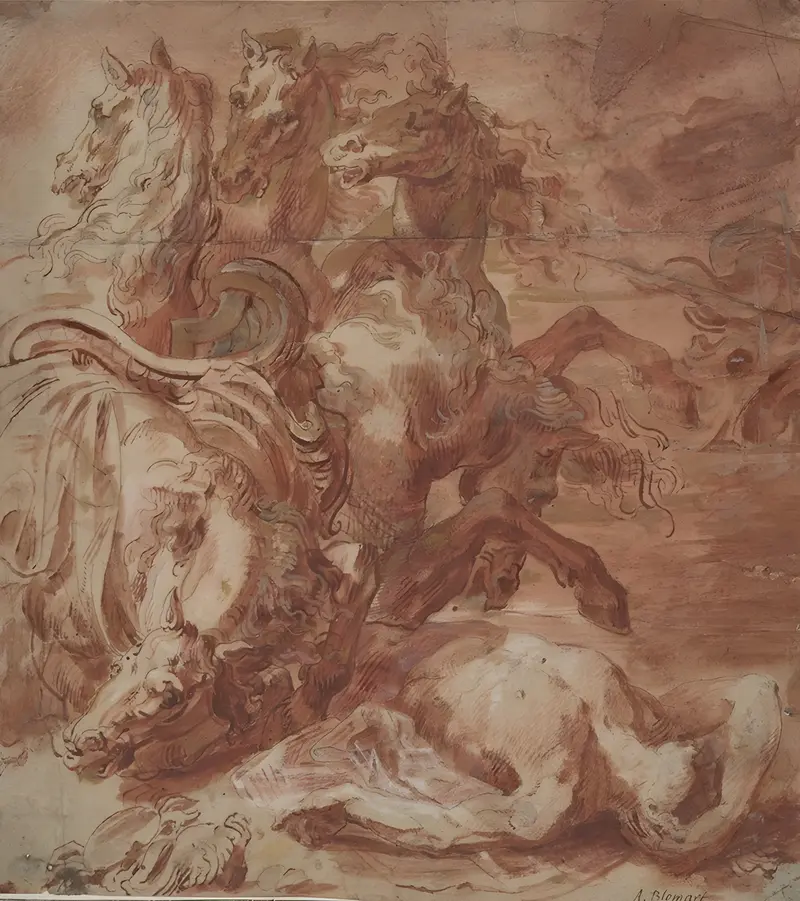
Hippolytus
Abraham Bloemaert
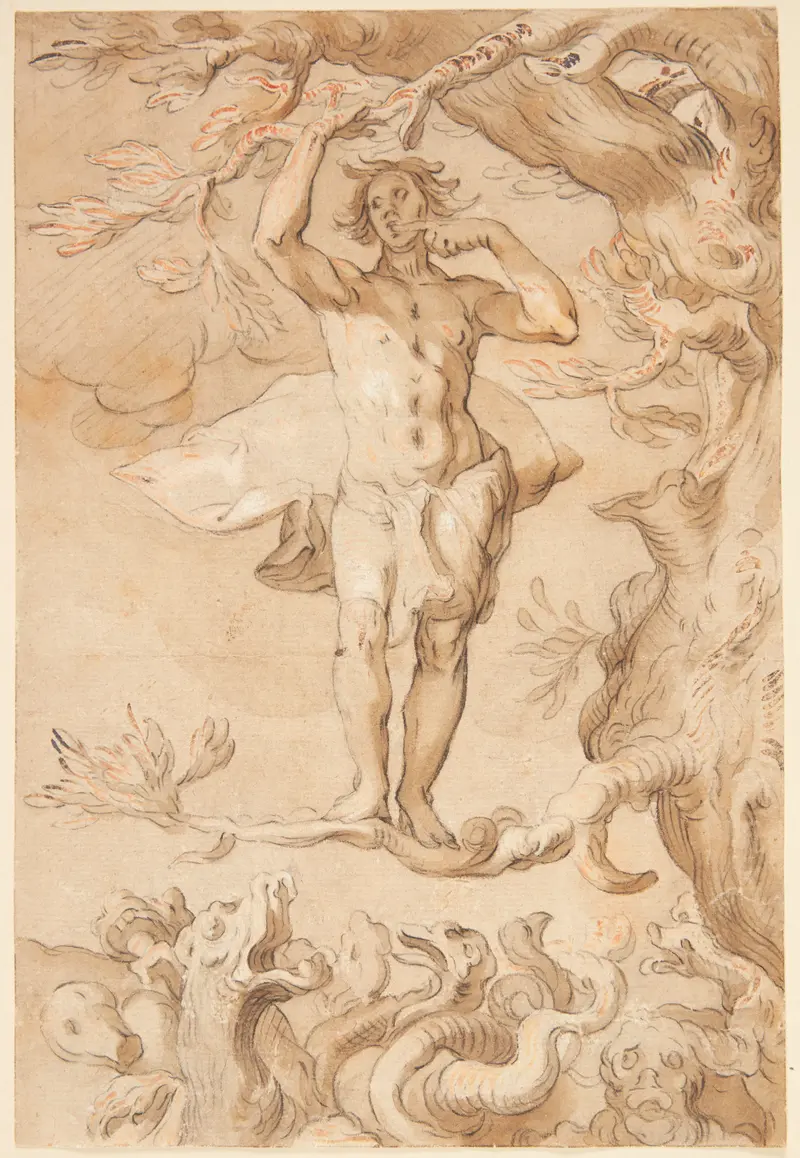
Den menneskelige glædes skrøbelighed En mand, der jages af en drage, klynger sig til en gren, mens han slikker honning af sin finger
Abraham Bloemaert

Moses Striking the Rock
Abraham Bloemaert
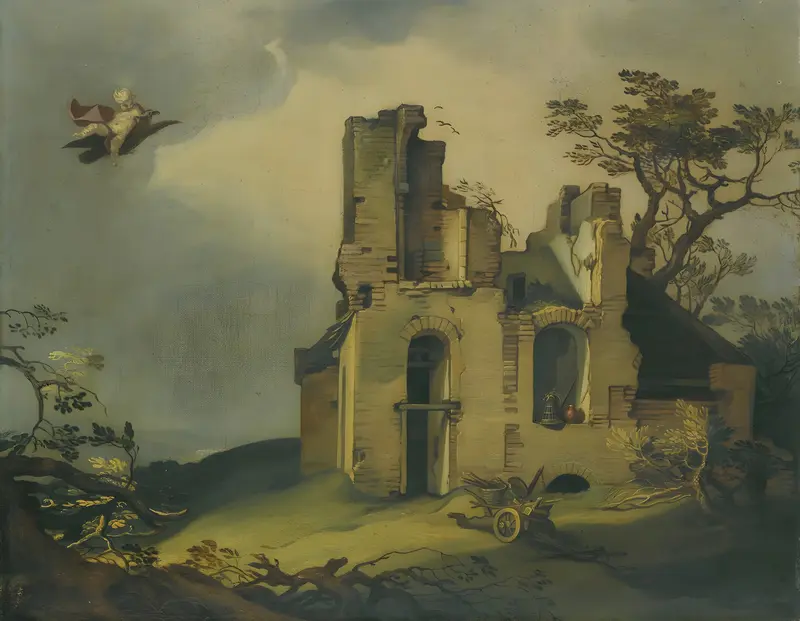
A Landscape With Ruins, With The Rape Of Ganymede
Abraham Bloemaert





