
Pruntrut — History & Facts
Did the painter know this moment would outlive them? In the delicate balance of life captured on canvas, echoes of the past intermingle with the present, inviting contemplation. Look to the center of the canvas, where a group of figures gathers seamlessly, engaged in their harmonious activity. The subtle blending of browns and greens creates a serene background that envelops the characters, grounding them in their reality. Notice how the light cascades through the branches above, casting dappled shadows on their faces, revealing their expressions of intricate emotion.
The artist’s use of soft brushwork pulls you into the scene, urging you to appreciate the tranquility of this gathering. As you delve deeper, consider the contrasts surrounding the figures' engagement. The lushness of nature juxtaposed with the human activity suggests an underlying theme of coexistence, where each element plays a role in the ecosystem of life. The relaxed postures of the individuals imply a moment of repose, yet their attentive gazes hint at unspoken connections and shared histories.
This interplay of stillness and anticipation invites viewers to reflect on the balance between nature and humanity, opening a well of emotions that resonates beyond the canvas. Johann Friedrich Wagner painted Pruntrut between 1840 and 1844, during a period marked by personal challenges and shifts in the art world. He was grappling with both personal loss and the evolving Romantic movement, which emphasized individual experience and emotional depth. This artwork reflects those influences, embodying the painter’s desire to capture fleeting moments that resonate with timeless significance, one that invites viewers to ponder their own connections to the world around them.
More Artworks by Johann Friedrich Wagner
Browse all →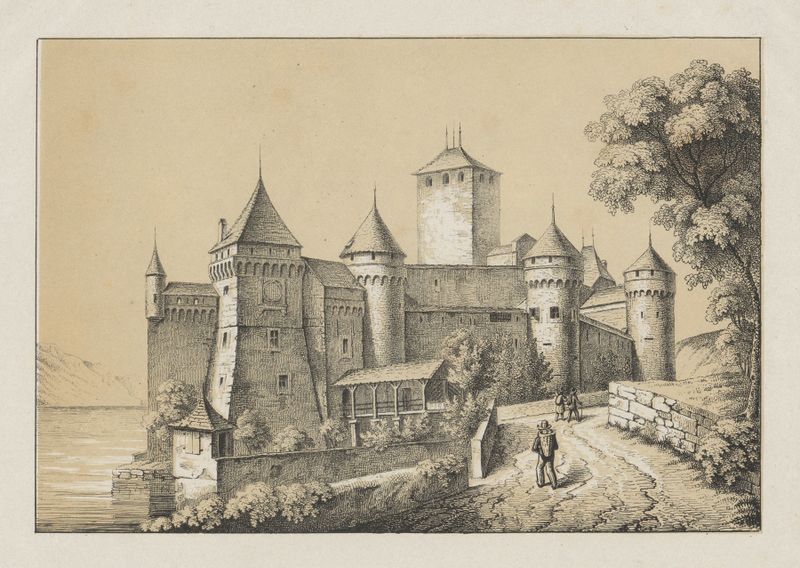
Chillon
Johann Friedrich Wagner

Valangin
Johann Friedrich Wagner
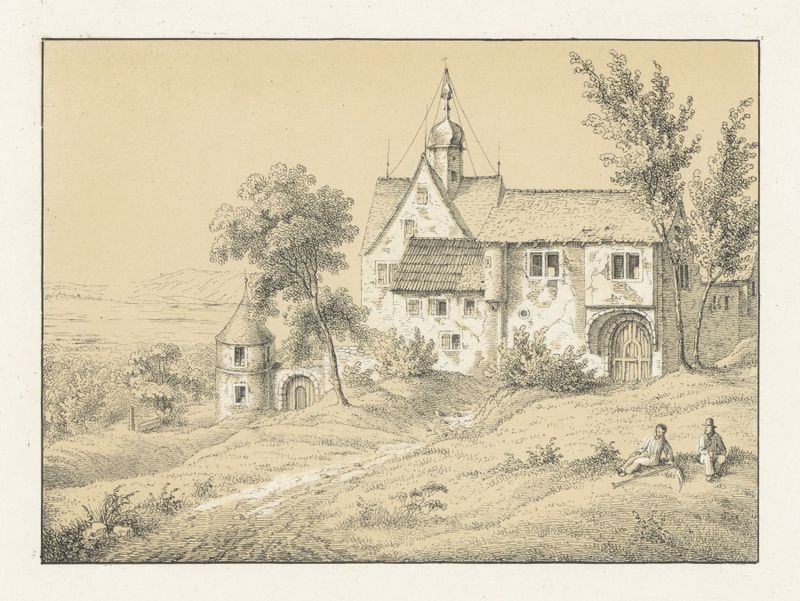
Greifenstein
Johann Friedrich Wagner

Vorburg
Johann Friedrich Wagner
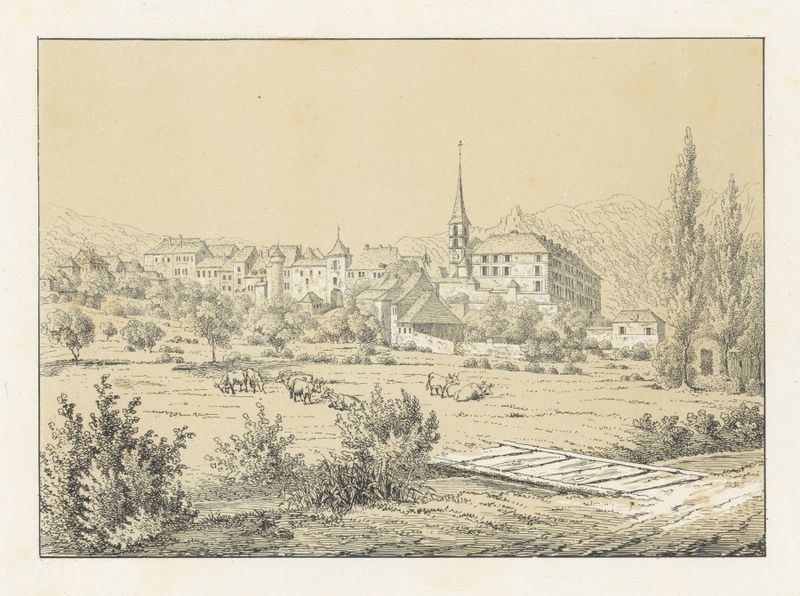
Delémont
Johann Friedrich Wagner

Pleujouse
Johann Friedrich Wagner

Challay
Johann Friedrich Wagner
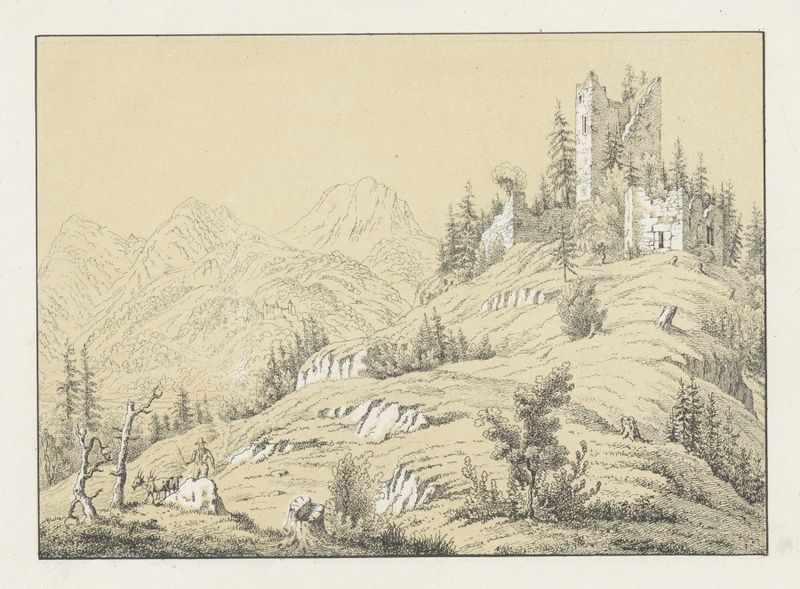
Mont Salvant
Johann Friedrich Wagner
Aha. Od. Untere Burg von Sarnen
Johann Friedrich Wagner
Lausanne
Johann Friedrich Wagner





