
Rebecca et Eliézer — History & Facts
What first draws the eye in Rebecca et Eliézer is the quiet tension between the figures at the well, each gesture weighted with purpose. The young woman, her arms steady as she pours water for a thirsty camel, leans in with a mixture of humility and resolve, her gaze cast downward yet attentive to the man seated nearby. The traveler, draped in richly patterned fabrics, lifts his hand in a subtle gesture—perhaps a greeting, perhaps a request—while his camels, adorned with vibrant textiles, drink deeply at the trough.
The warm, golden light of the sky bathes the scene in a hush that suggests both the end of a long journey and the beginning of an encounter. Every detail, from the careful folds of Rebecca’s dress to the distant silhouettes of other women at the well, guides the viewer into a world where hospitality and fate meet in a single, sunlit moment. Painted in 1883, this work by Alexandre Cabanel belongs to a period when European artists looked to biblical and ancient themes to explore ideals of beauty, virtue, and narrative drama. Such paintings were often commissioned for private salons or public exhibitions, catering to an audience eager for stories that bridged the sacred and the exotic.
The academic tradition, with its emphasis on polished technique and historical accuracy, shaped works like this—inviting viewers to lose themselves in distant times and places. While little is recorded about the specific journey of this canvas, its presence in a collection today is a reminder of the enduring appeal these grand, story-rich scenes held for nineteenth-century viewers. Let your attention linger on the interplay of glances and gestures, and imagine the stories that might unfold just beyond the frame.
More Artworks by Alexandre Cabanel
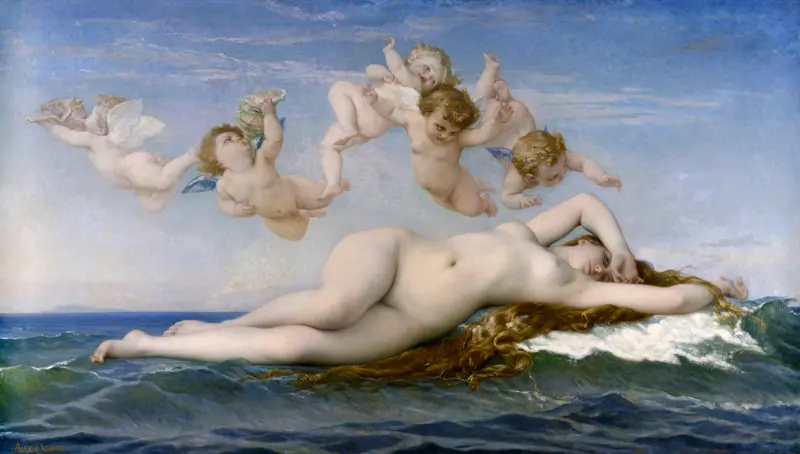
The Birth of Venus
Alexandre Cabanel
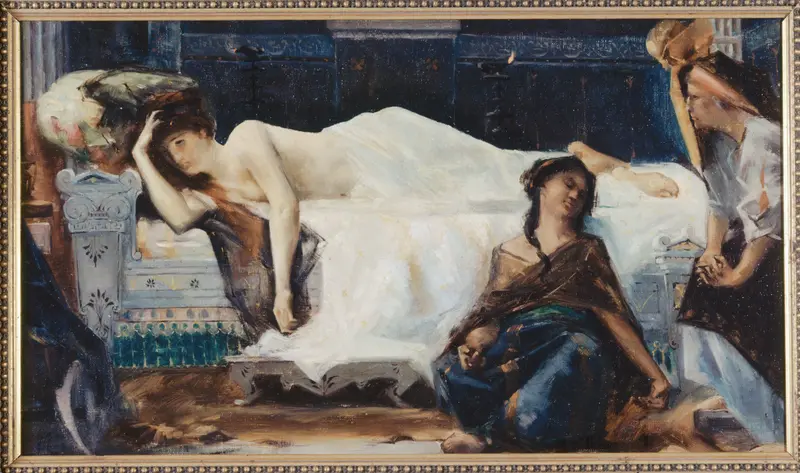
Phèdre
Alexandre Cabanel
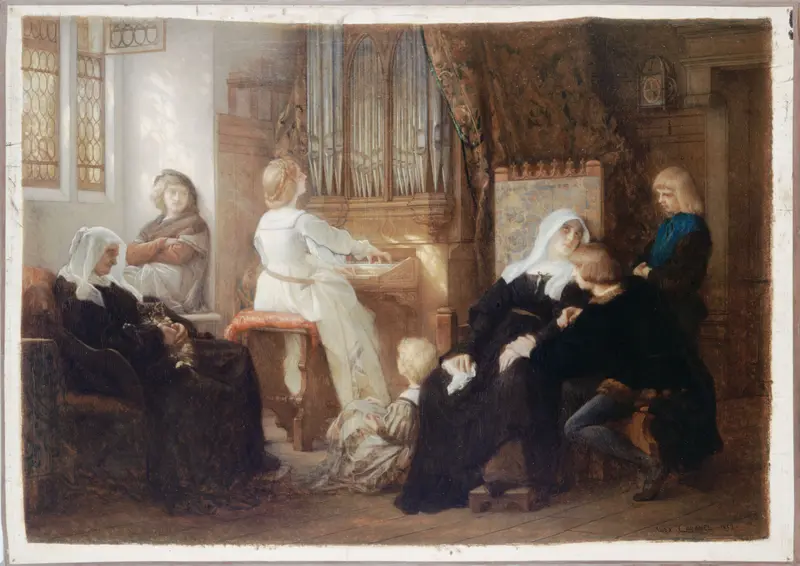
La veuve du maître de chapelle
Alexandre Cabanel
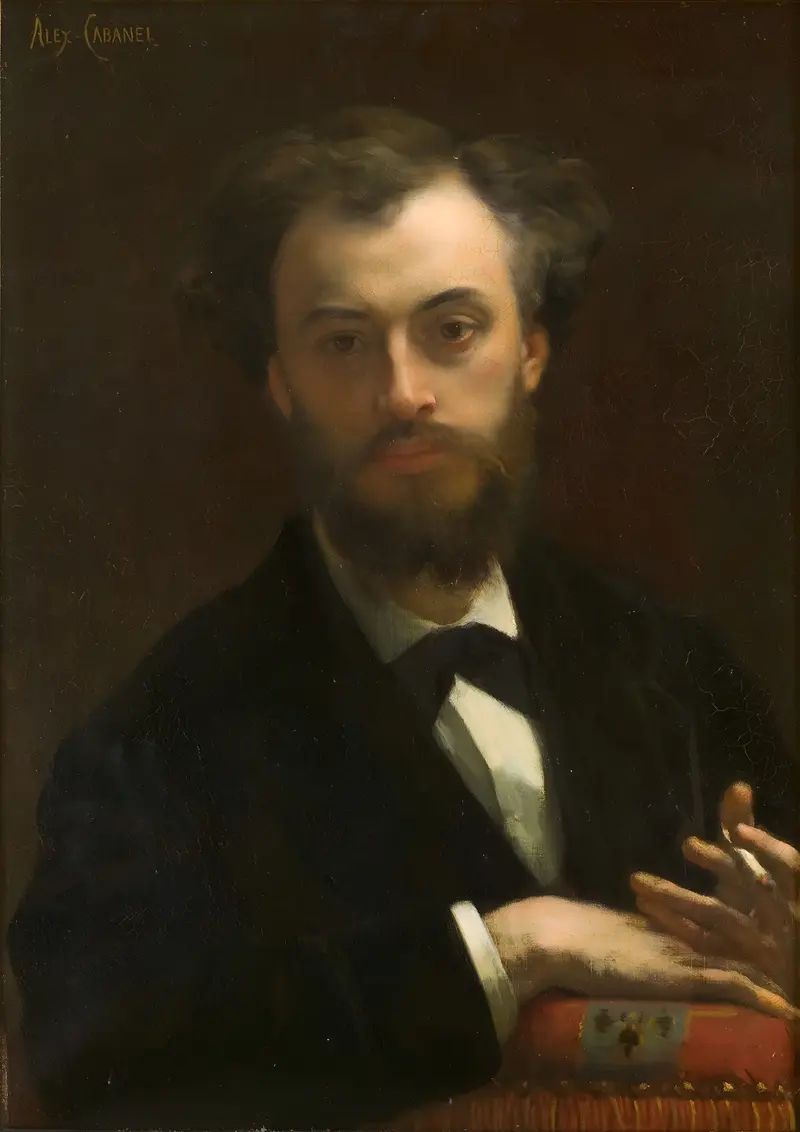
Portrait de M. Pierre Cabanel
Alexandre Cabanel
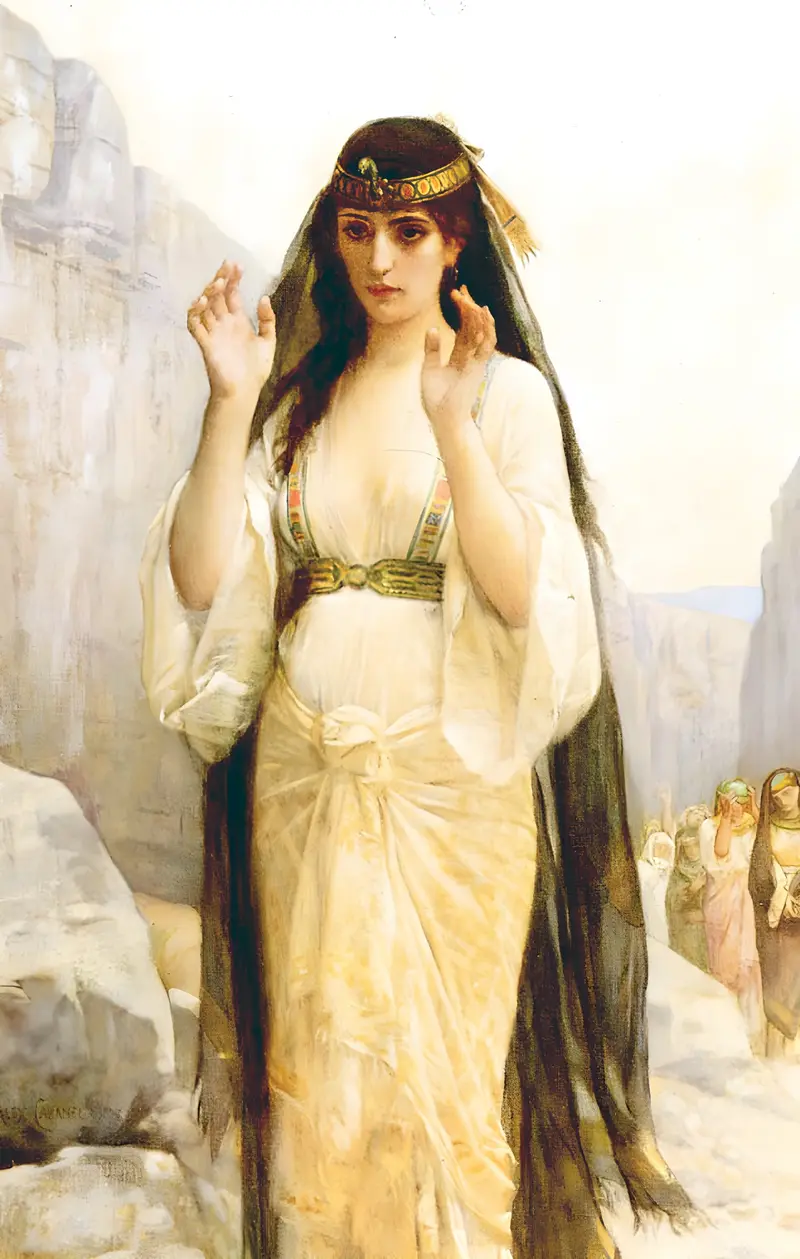
The Daughter of Jephthah
Alexandre Cabanel
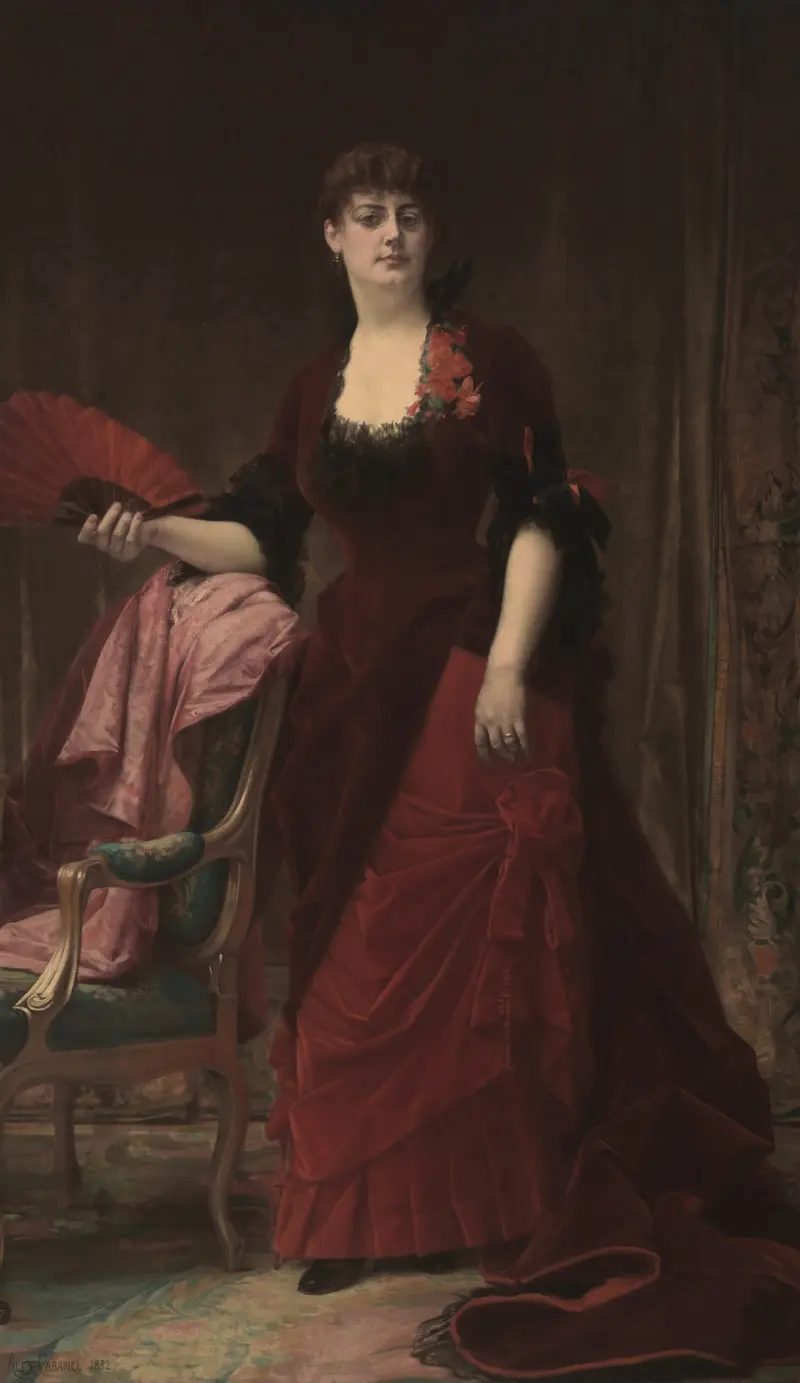
Portrait of Arabella Worsham (later Arabella Huntington)
Alexandre Cabanel
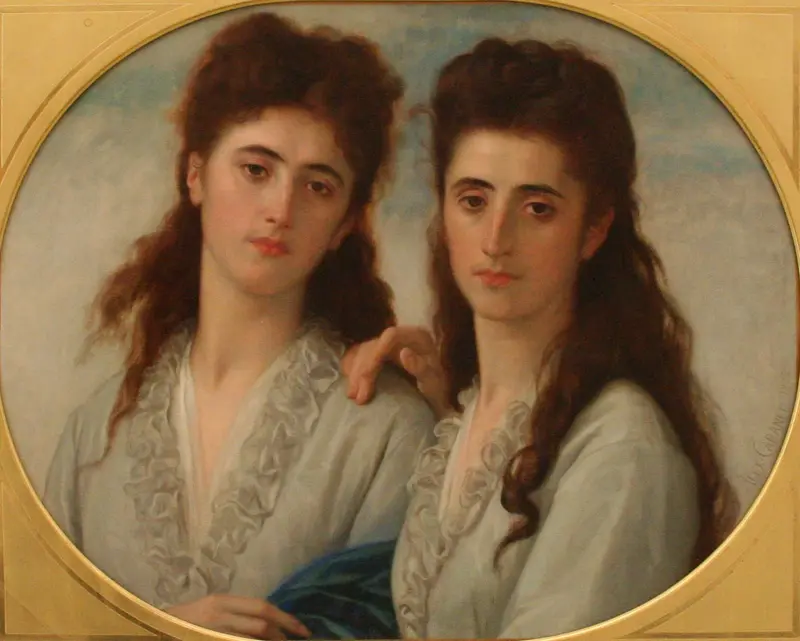
Portrait de mesdemoiselles Sophie et Berthe Cabanel
Alexandre Cabanel
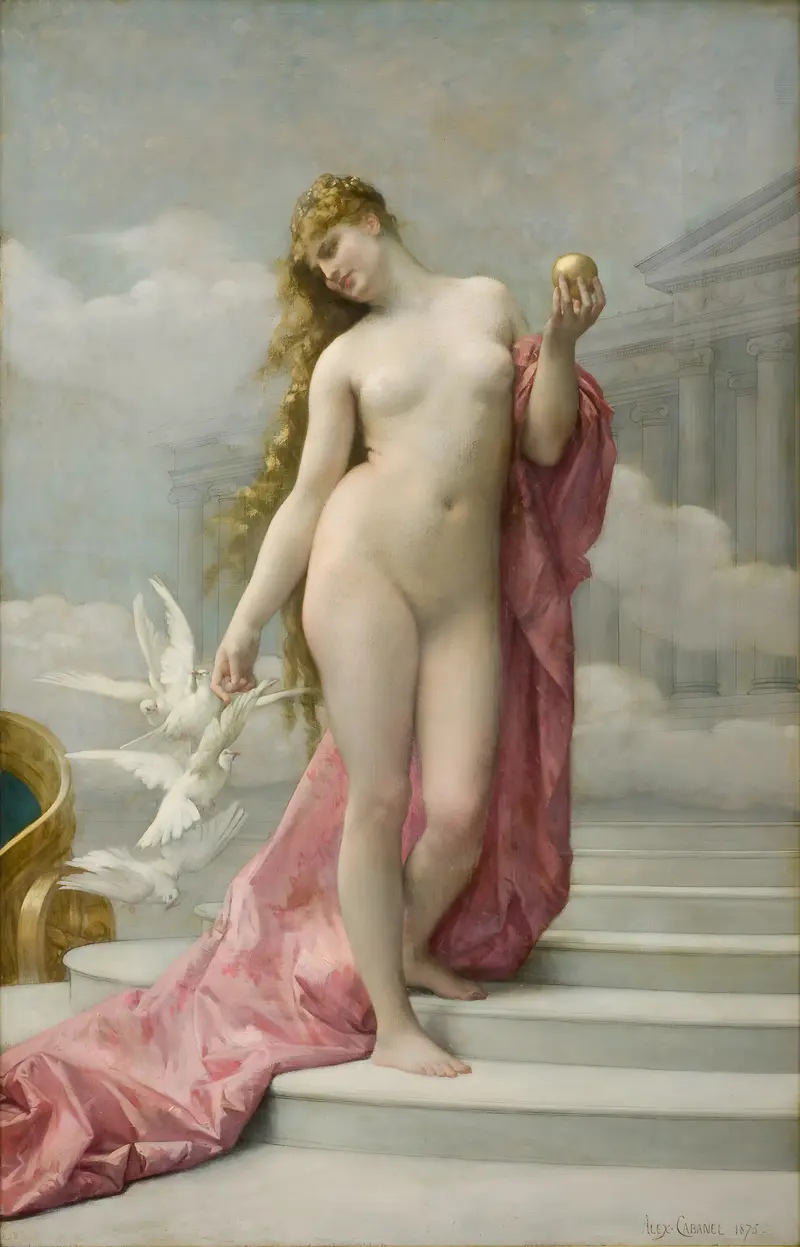
Vénus victorieuse
Alexandre Cabanel
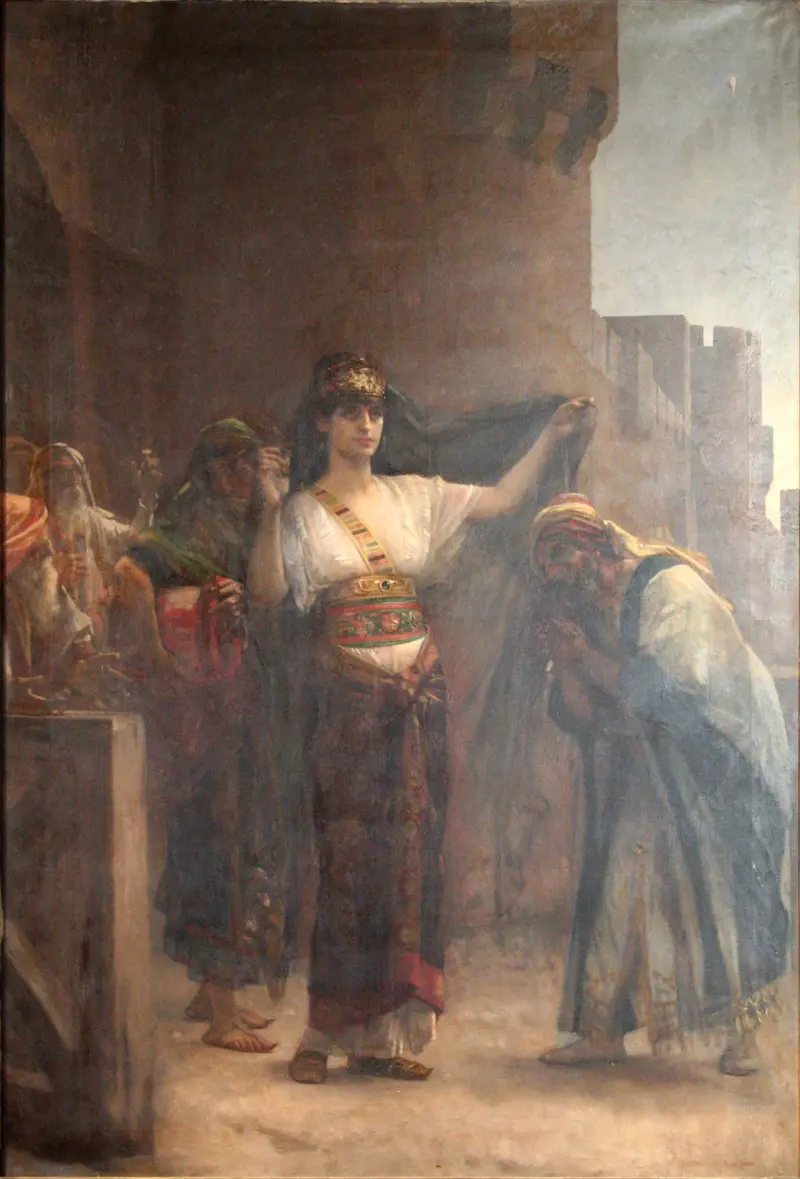
Judith
Alexandre Cabanel
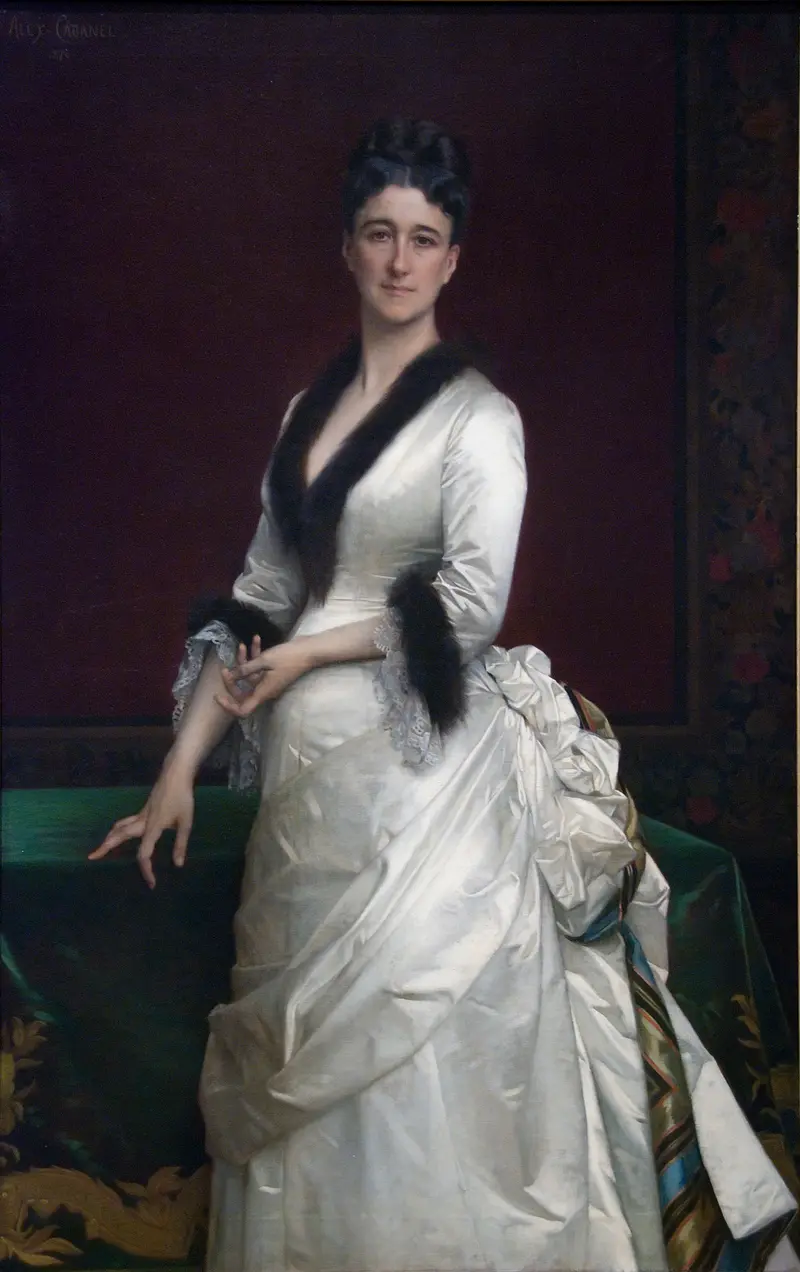
Catharine Lorillard Wolfe (1828–1887)
Alexandre Cabanel
More Genre Scene Art

Banquet of the Officers of the St George Civic Guard
Frans Hals

Rembrandt and Saskia in the Scene of the Prodigal Son
Rembrandt van Rijn

Bal du moulin de la Galette
Pierre-Auguste Renoir

Quadrille at the Moulin Rouge
Henri de Toulouse-Lautrec

A Burial at Ornans
Gustave Courbet

When Will You Marry?
Paul Gauguin