Renaissance Ornament No. 8 — History & Facts
What first catches the eye in Renaissance Ornament No. 8 by Owen Jones is the sense of rhythm and invention packed into every inch of the page. Each compartment offers a different flourish: a vase erupting with stylized foliage, a medallion profile framed by laurel, a scrolling acanthus leaf that seems to unfurl as you watch.
The golden hue unifies the whole, while the sharp black lines invite the viewer to trace the logic behind each motif. This is not a single story, but a gallery of possibilities—each panel a seed for a ceiling, a frieze, a doorway, or a book cover, waiting for a new life in the hands of a craftsman. This chromolithograph belongs to a world where ornament was not mere decoration, but a language of power, learning, and taste. In the mid-nineteenth century, as industrialization threatened traditional crafts, designers and architects turned to the Renaissance as a wellspring of forms and principles.
Owen Jones became a central figure in this revival, publishing works like The Grammar of Ornament to codify and disseminate these patterns. Printed in London and preserved today in collections such as the Polona Digital Library, this plate is both a teaching tool and a celebration of the Renaissance’s restless creativity. Let your eye wander from panel to panel, and you may find echoes of ancient Rome, glimpses of Florentine palaces, and the promise of ornament’s endless reinvention.
More Artworks by Owen Jones

Greek Ornament No. 1
Owen Jones
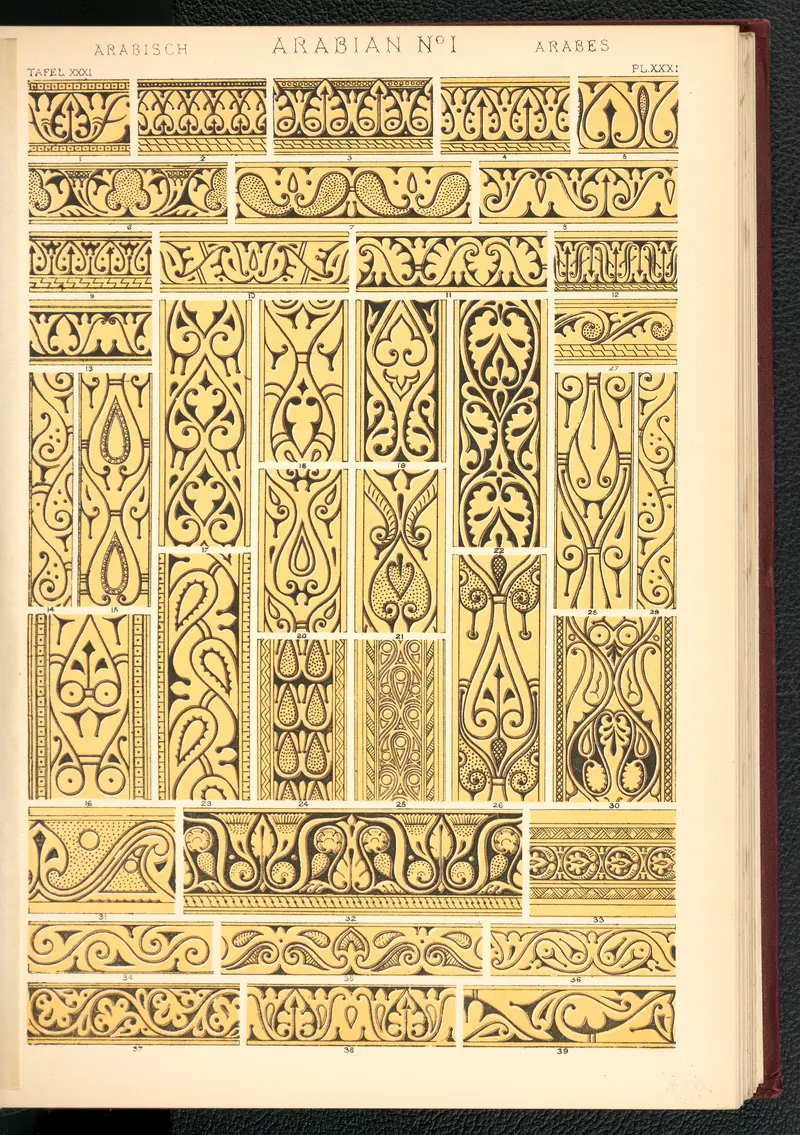
Arabian Ornament No. 1
Owen Jones
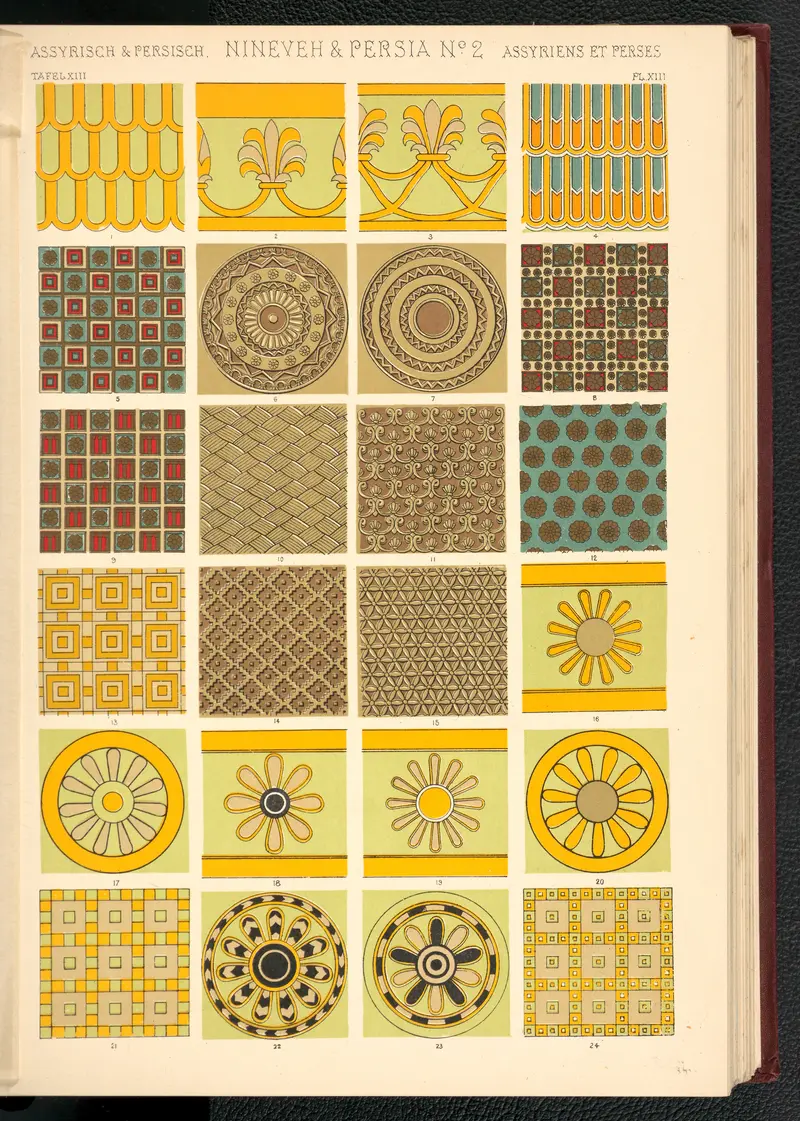
Assyrian Ornament No. 2
Owen Jones

Egyptian Ornament No. 3
Owen Jones
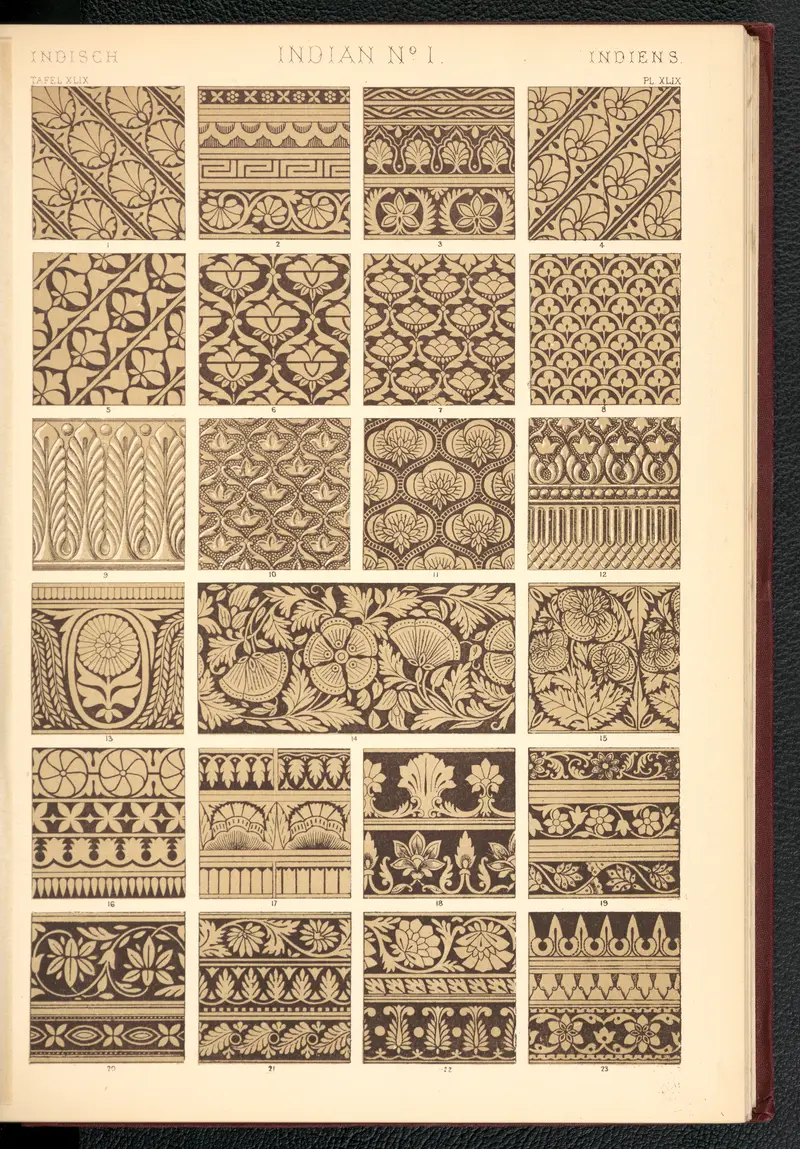
Indian Ornament No. 1
Owen Jones
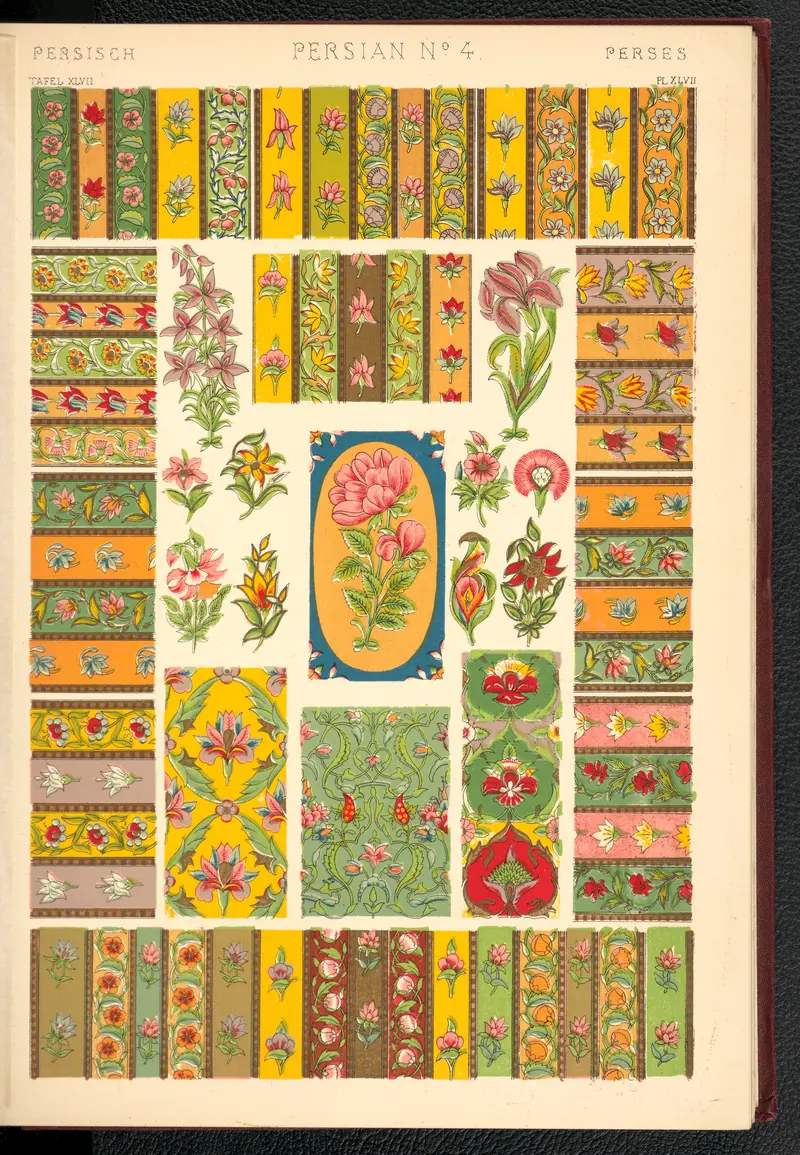
Persian Ornament No. 4
Owen Jones
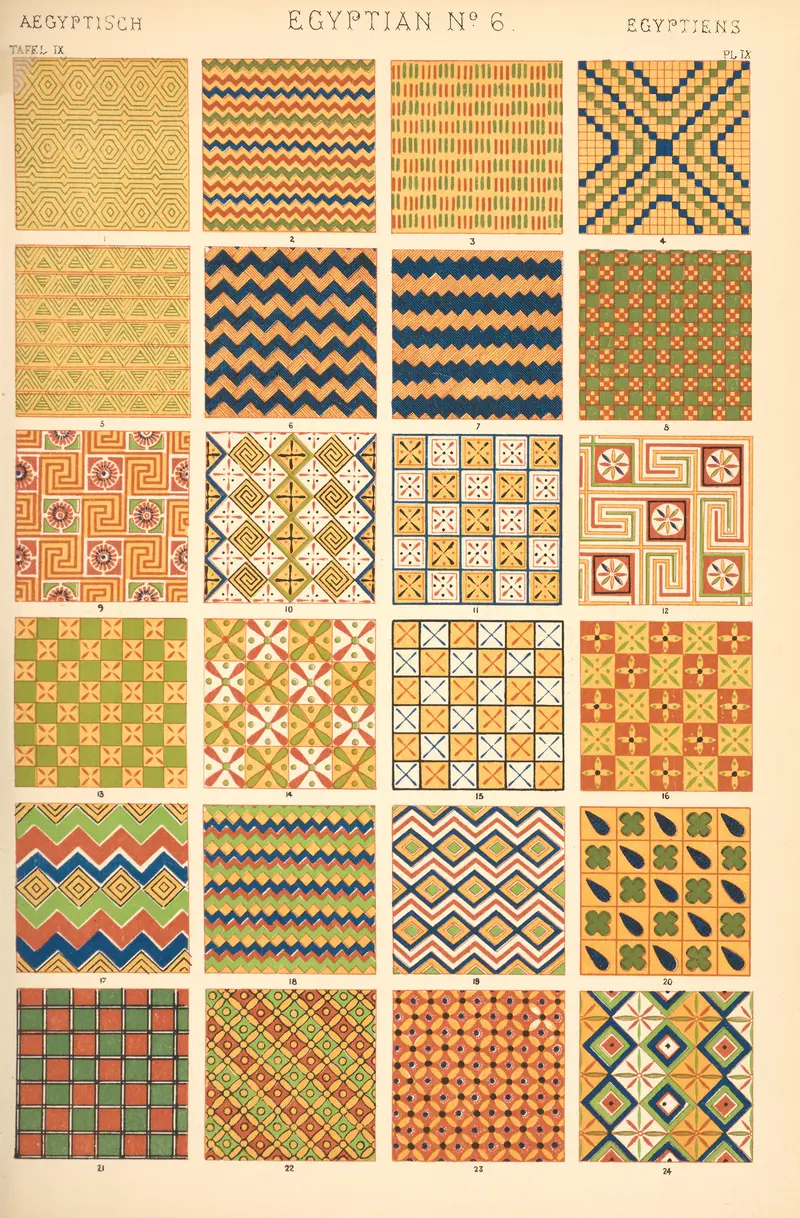
Egyptian Ornament No. 6
Owen Jones
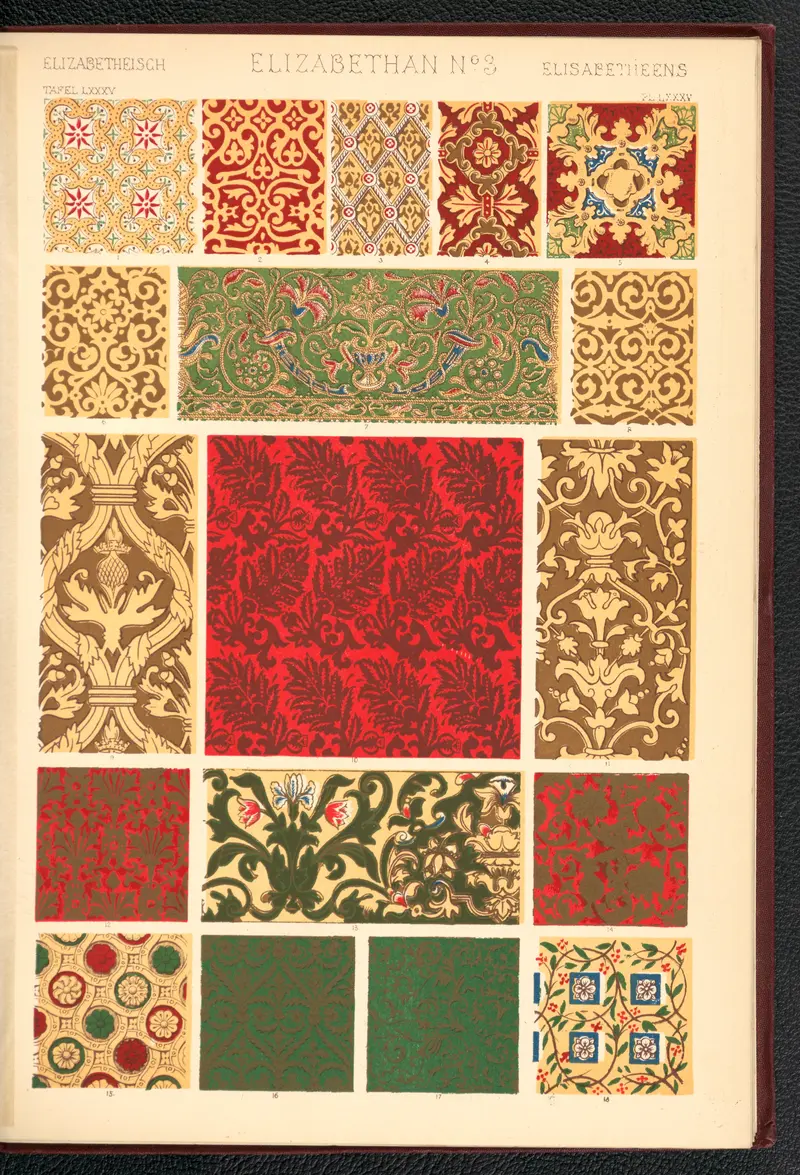
Elizabethan Ornament No. 3
Owen Jones
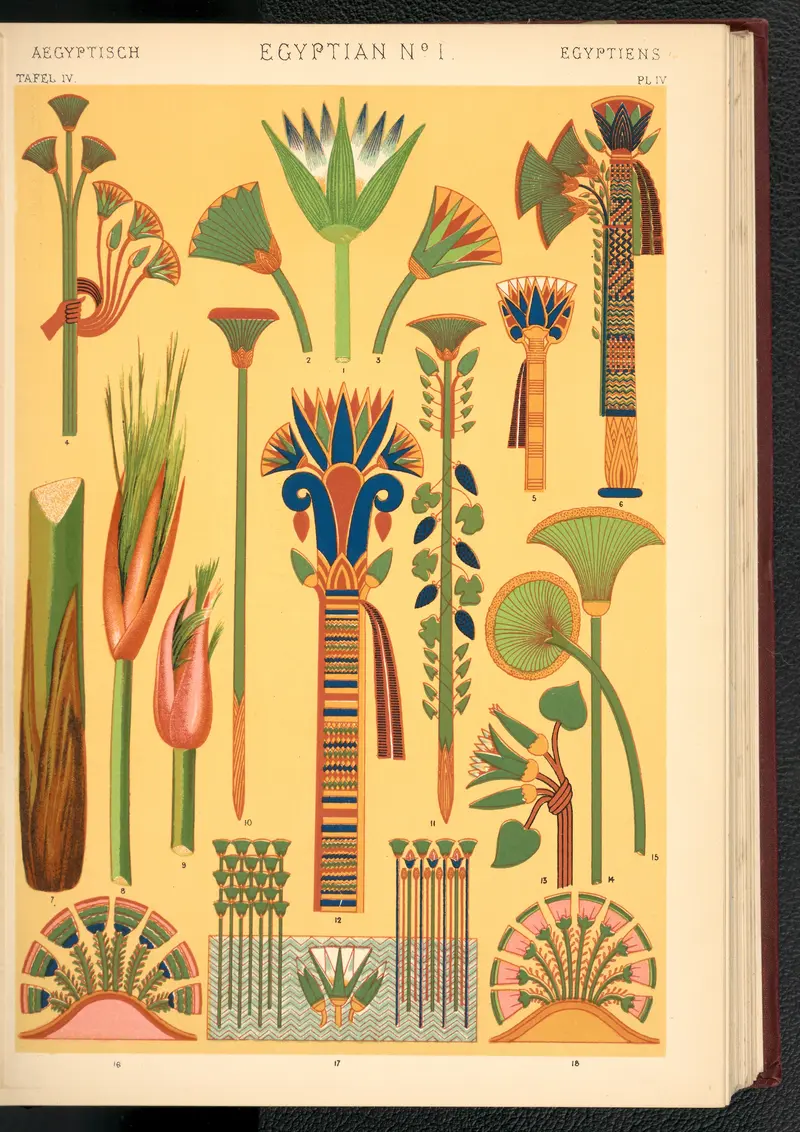
Egyptian Ornament No. 1
Owen Jones
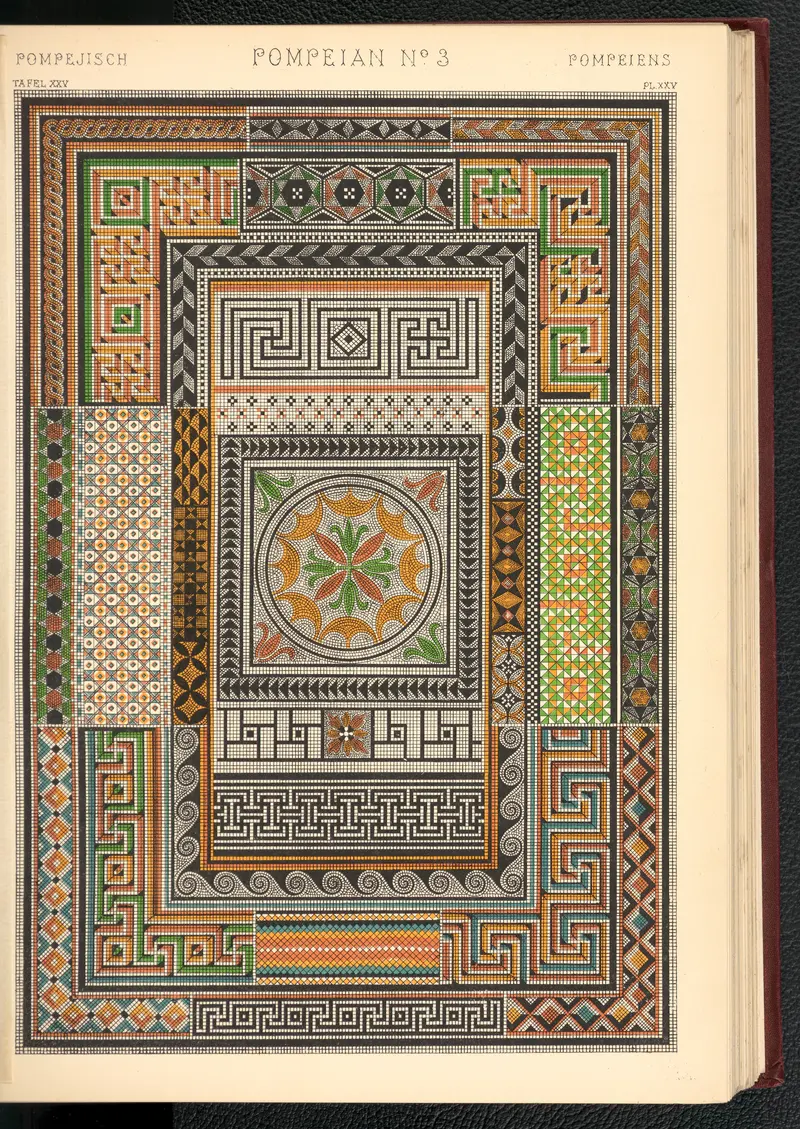
Pompeian Ornament No. 3
Owen Jones