
Retrato de señora — History & Facts
What first draws the eye in Retrato de señora is the sitter’s confident gaze, meeting us directly, as if inviting a silent conversation across centuries. Her dark dress, trimmed with delicate lace, sets off the pale skin of her arms and face, while the gold jewelry and rings she wears speak of both status and personal taste. The artist, Antonio Maria Esquivel, has placed her in a richly carved chair, with a rose-colored drapery falling behind, softening the architectural lines glimpsed through the window at left.
The fan she holds, its tassel dangling, is both an accessory and a symbol—at once a marker of refinement and a subtle prop for her poised, relaxed posture. Every detail, from the ringlets in her hair to the faint blush in her cheeks, is chosen to present not just a likeness but a presence. Painted in 1842, this portrait belongs to a world in which such images were both social currency and private treasure. The early nineteenth century in Spain saw a growing middle class eager to assert its identity through portraiture, and artists like Esquivel responded with works that balanced realism and idealization.
Portraits of this era were often commissioned to mark marriages, family alliances, or new prosperity, and the careful attention to costume and jewelry here reflects the importance of these signals. While history has kept few traces of this particular sitter or the journey of her portrait, the painting—now preserved in a documented collection—remains a vivid testament to the customs, ambitions, and quiet dramas of its time. Look again at her expression: it is both a record and an invitation to imagine the life behind the image.
More Artworks by Antonio Maria Esquivel

Baldomero Espartero
Antonio Maria Esquivel
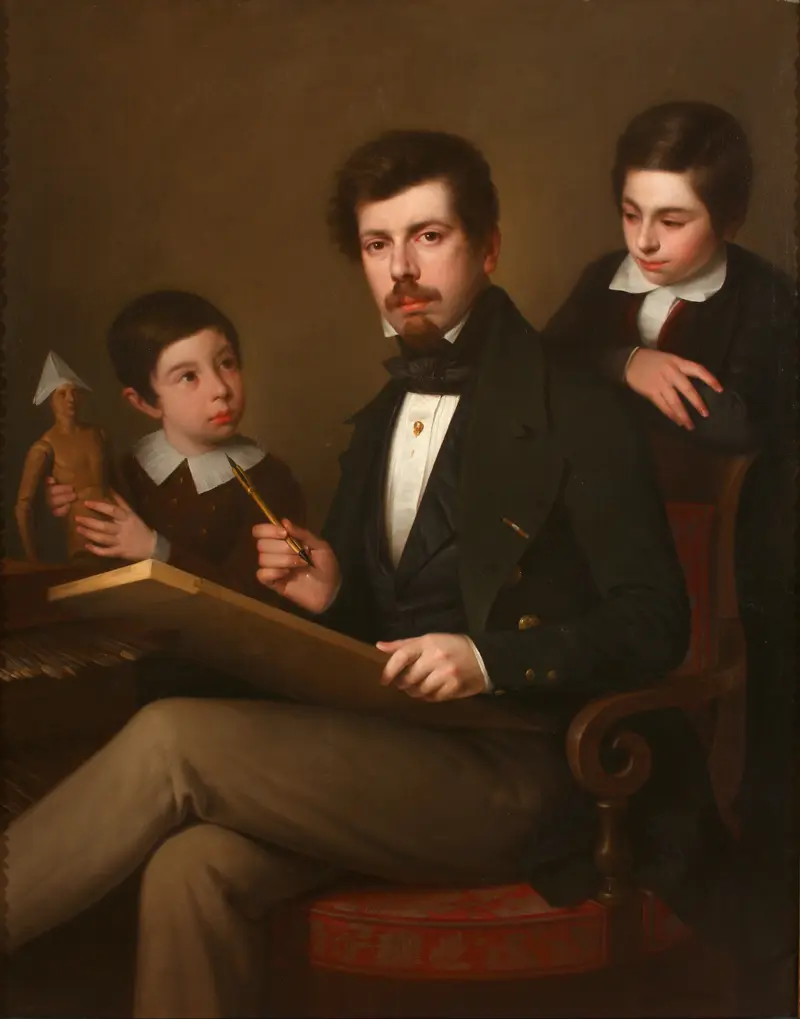
Self-portrait with his sons Carlos and Vicente
Antonio Maria Esquivel
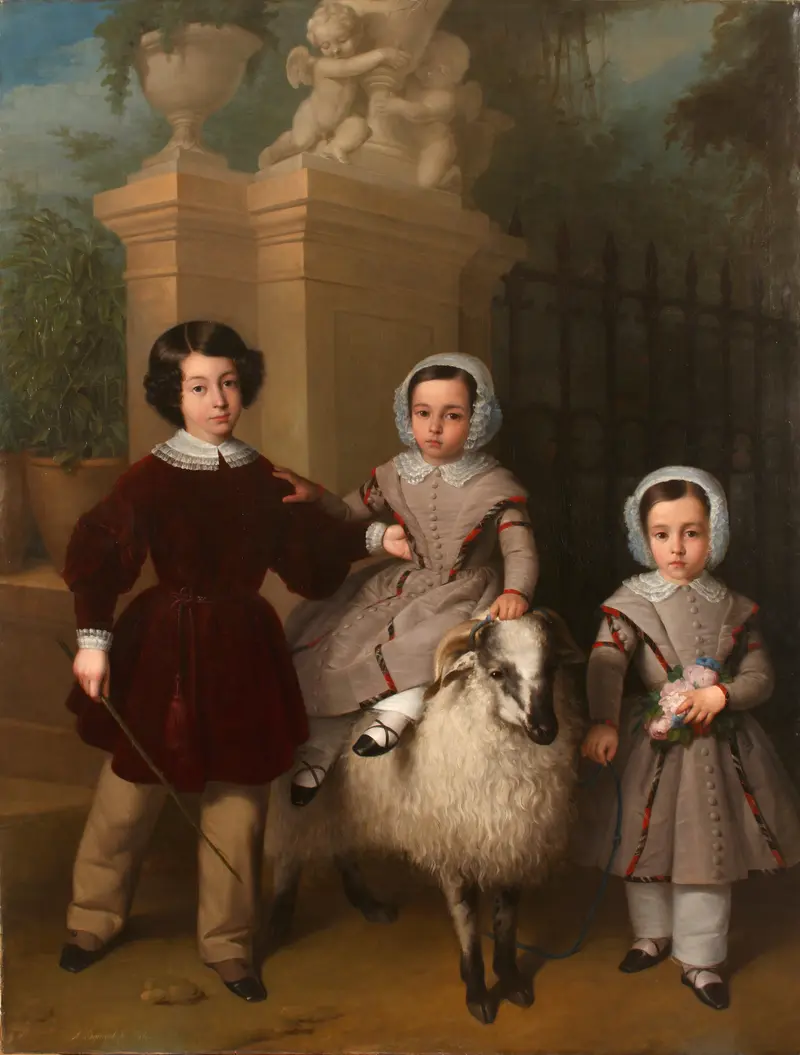
Children playing with a ram
Antonio Maria Esquivel
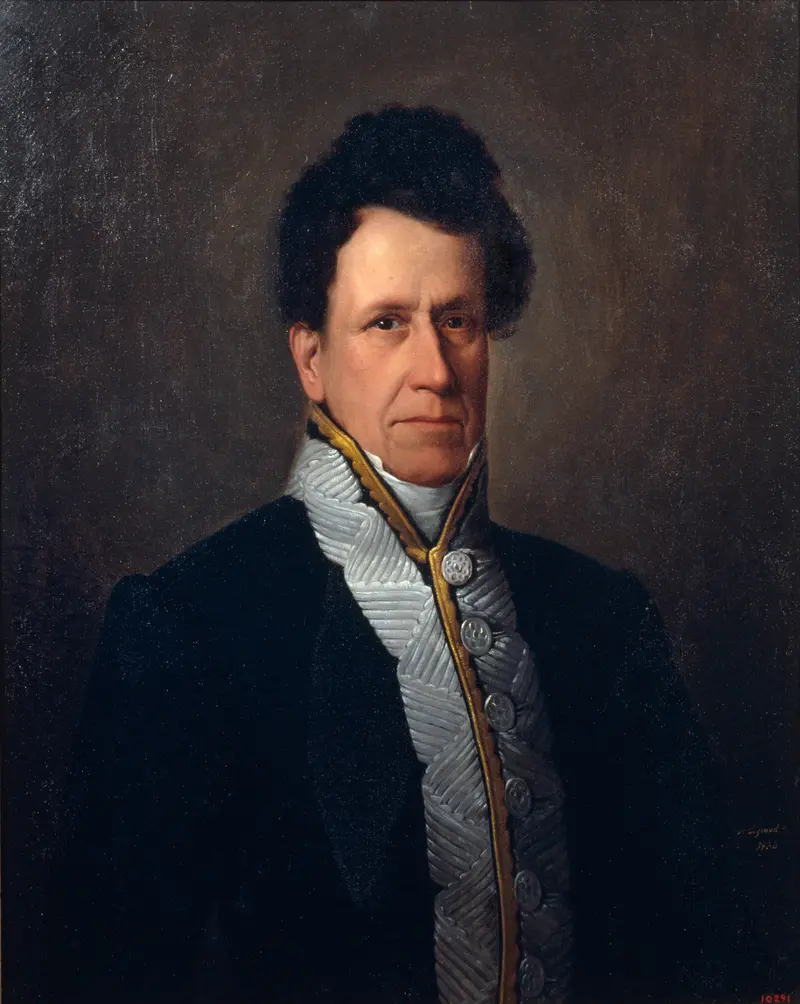
Portrait of Manuel Mª Gutiérrez
Antonio Maria Esquivel
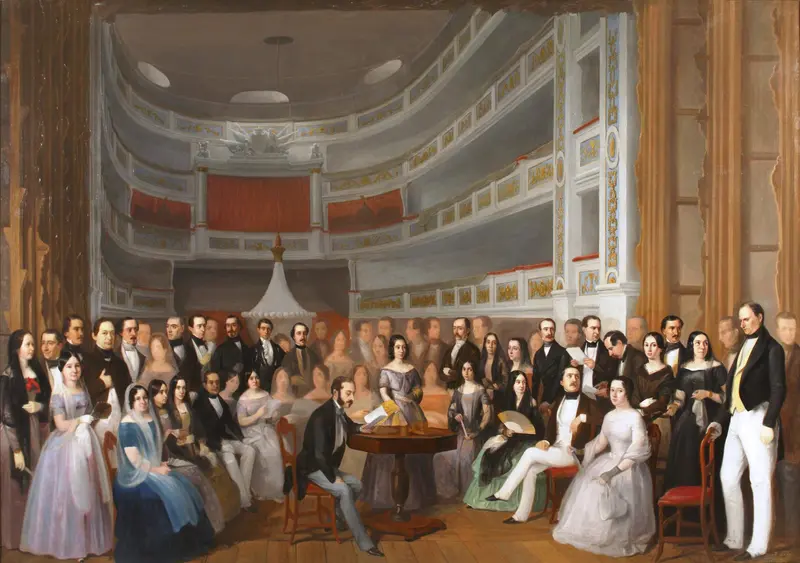
Ventura de la Vega reading a play at the Teatro del Príncipe
Antonio Maria Esquivel
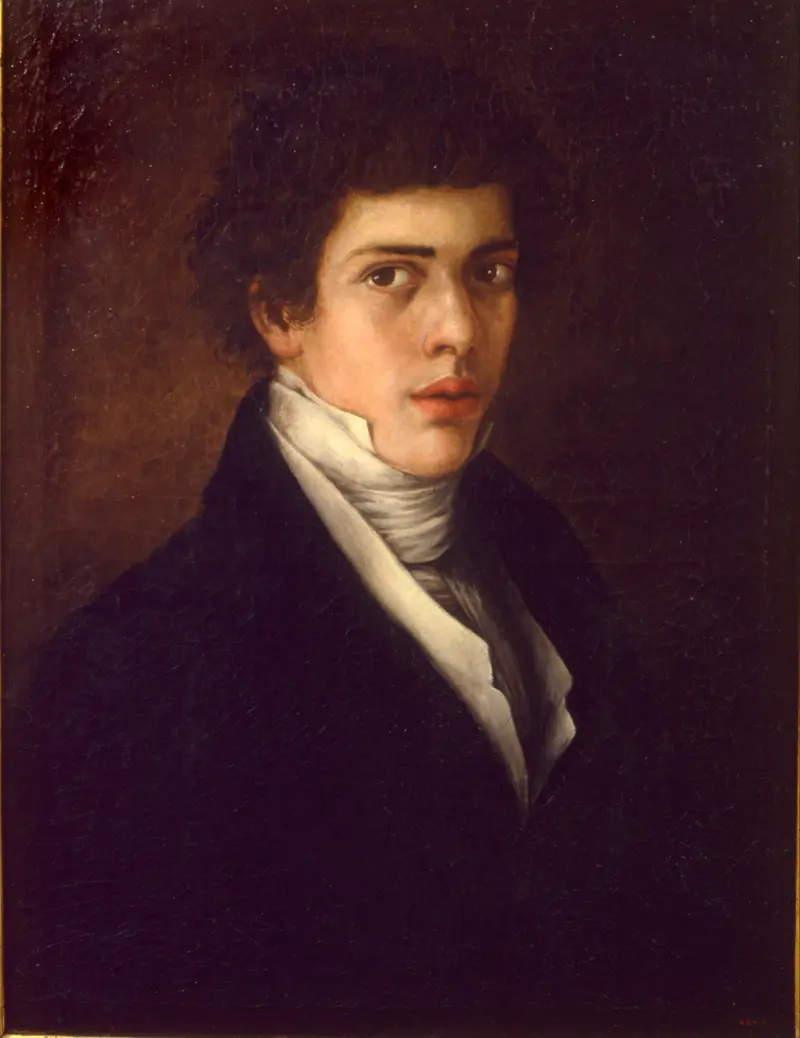
Self-portrait
Antonio Maria Esquivel
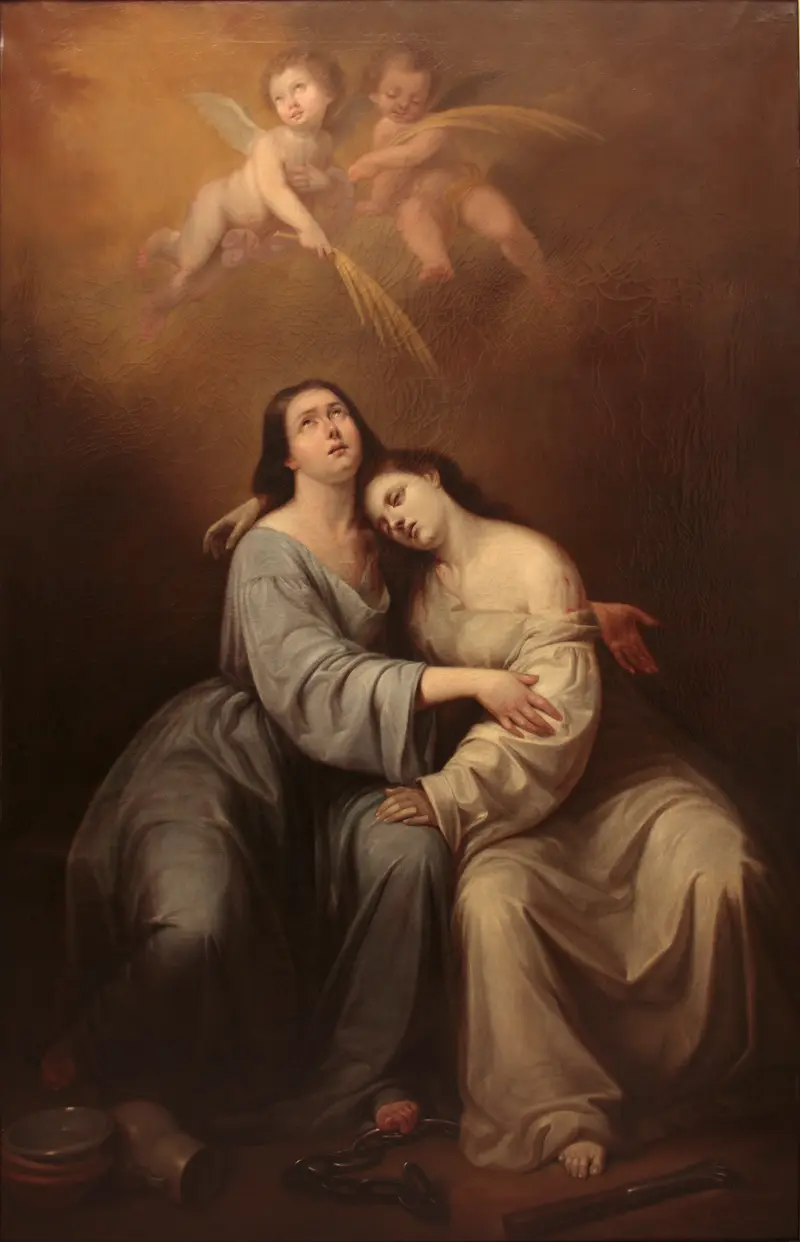
Saint Justa and Saint Rufina
Antonio Maria Esquivel
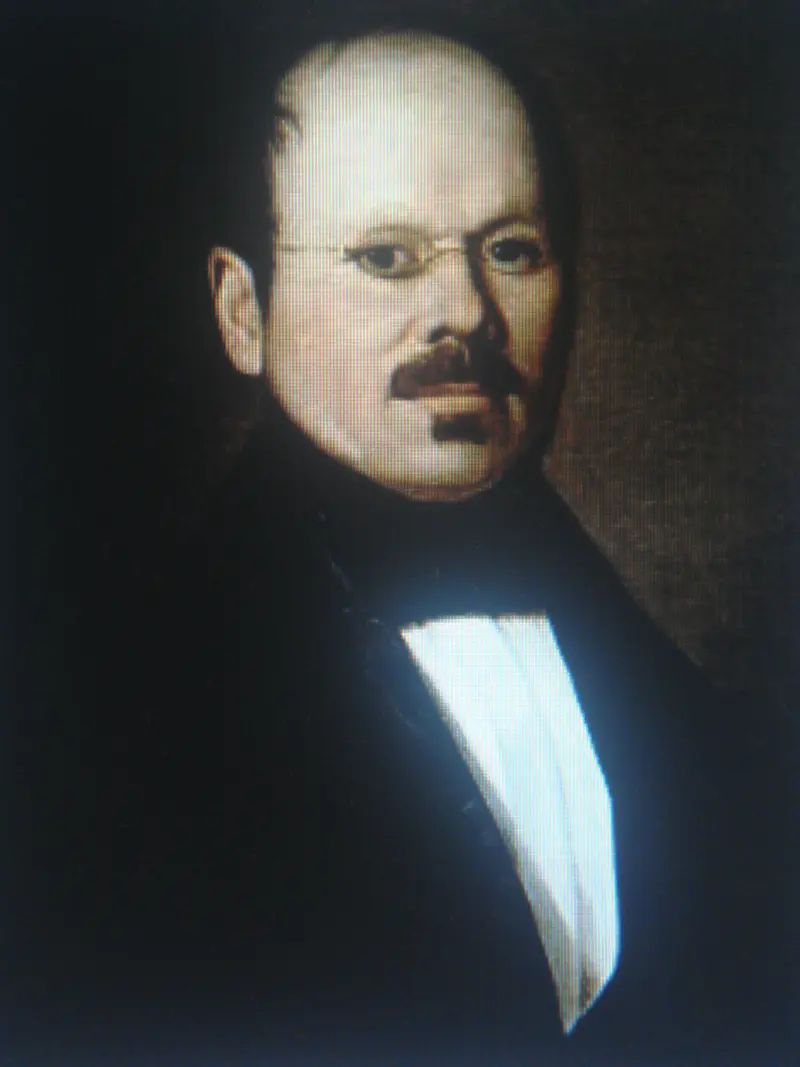
Antonio Benavides Fernández de Navarrete (Real Academia de la Historia)
Antonio Maria Esquivel
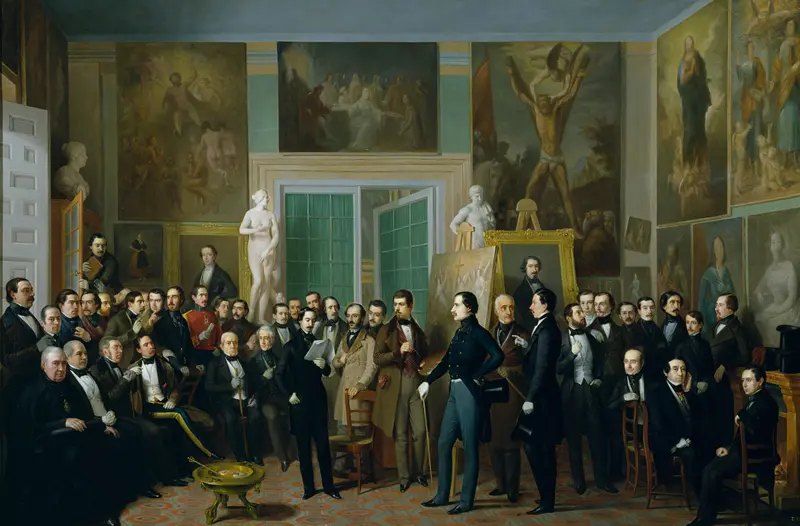
The Contemporary Poets. A Reading of Zorrilla in the Artist's Studio
Antonio Maria Esquivel
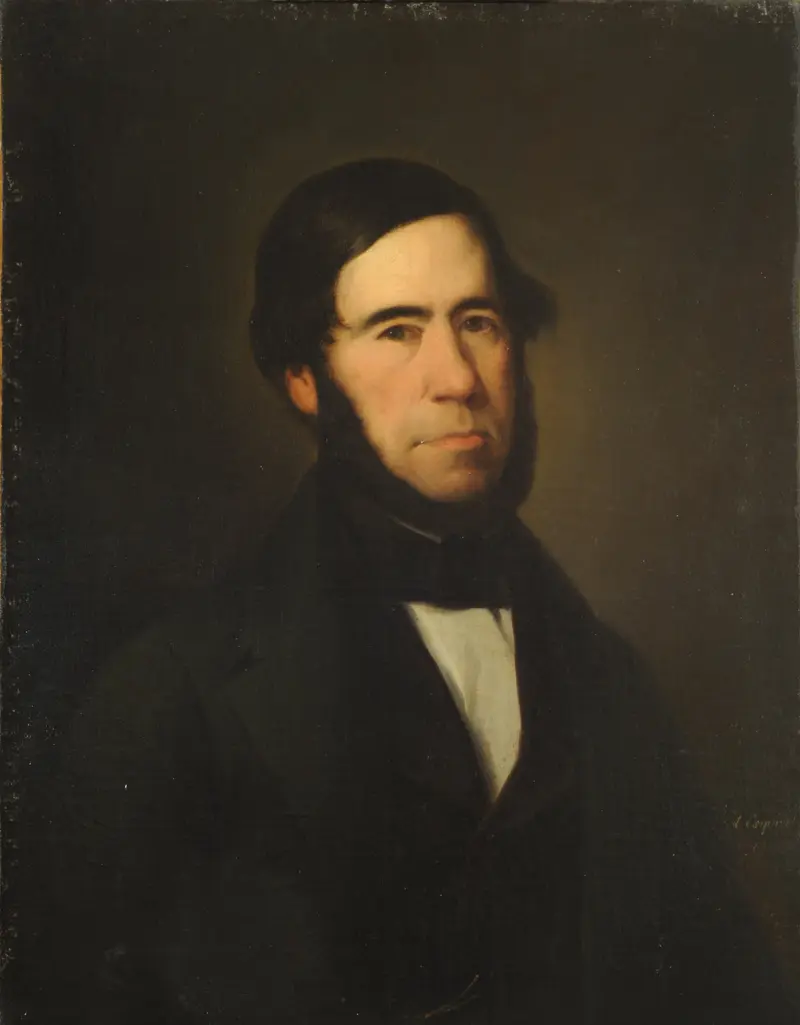
Portrait of Don Manuel José de Guerrico
Antonio Maria Esquivel





