
Riderless Horse Race — History & Facts
In 1817, Paris was electrified by a spectacle unlike any other: the annual race of riderless horses along the Champs-Élysées, a wild tradition that drew crowds and courted chaos. Théodore Géricault, then in his mid-twenties and already obsessed with the drama of the horse, found in this event a subject that captured both the thrill of modern life and the unpredictability of nature. The artist’s fascination with equestrian energy was well known—he had spent months sketching at stables and dissecting horses at veterinary schools.
When Riderless Horse Race appeared, it was recognized as a bold departure from the polite equestrian portraits of the day, offering instead a vision of raw, unbridled motion. The painting freezes the instant when the pack of horses, freed from their riders, surge forward in a tangle of muscle and flying manes. Géricault’s brushwork is urgent, almost reckless, echoing the chaos of the race itself. The horses’ eyes are wide, nostrils flared, bodies contorted as they jostle for position, while the crowd at the sidelines blurs into a backdrop of excitement and danger.
Unlike the stately, controlled horses of Jacques-Louis David or the calm parades of George Stubbs, Géricault’s animals are all instinct and panic—a living force that cannot be tamed. The light catches on sweat and dust, heightening the sense of immediacy and risk. Little is known about the early history of Riderless Horse Race, including its original patron or its first public display; it is not mentioned in the records of the 1817 Salon, though Géricault’s interest in equestrian themes was widely noted in Parisian circles. The painting’s dynamic style foreshadows the artist’s later triumph, The Raft of the Medusa, and marks a turning point in his career from academic studies to the turbulent subjects that would define Romanticism.
Today, Riderless Horse Race is recognized as a vital early work, offering a glimpse into Géricault’s restless imagination and the energy of a city on the brink of modernity. Its current whereabouts remain uncertain, adding to the aura of legend that surrounds both the painting and its creator.
More Artworks by Théodore Géricault
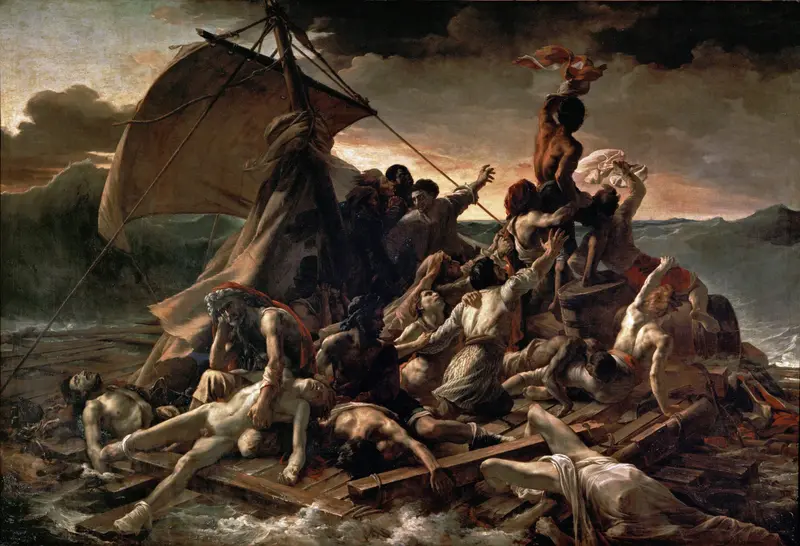
The Raft of the Medusa
Théodore Géricault

Géricault - Le naufrage du radeau de la Méduse, MBA 790
Théodore Géricault
Cattle Market
Théodore Géricault
Evening; Landscape with an Aqueduct
Théodore Géricault
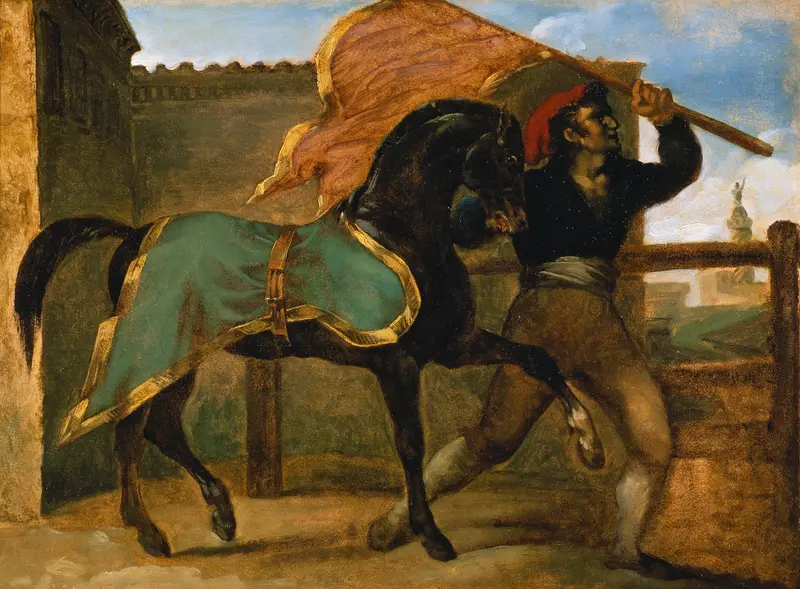
Horse Race
Théodore Géricault

Horses Standing in a Mews
Théodore Géricault
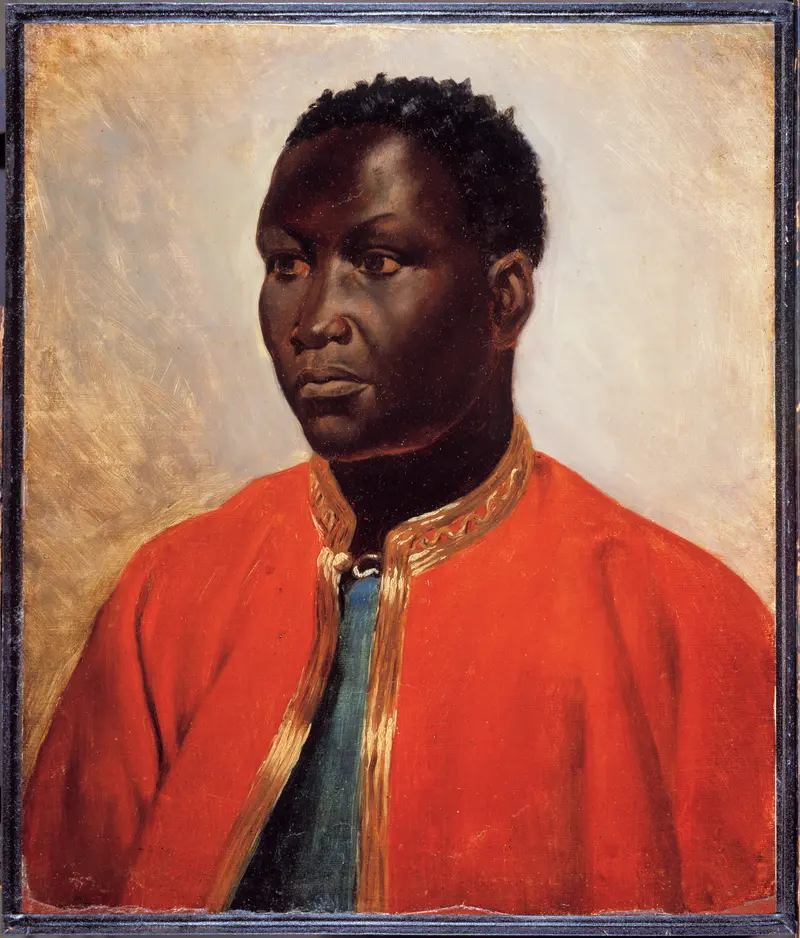
Portrait of a Negro
Théodore Géricault
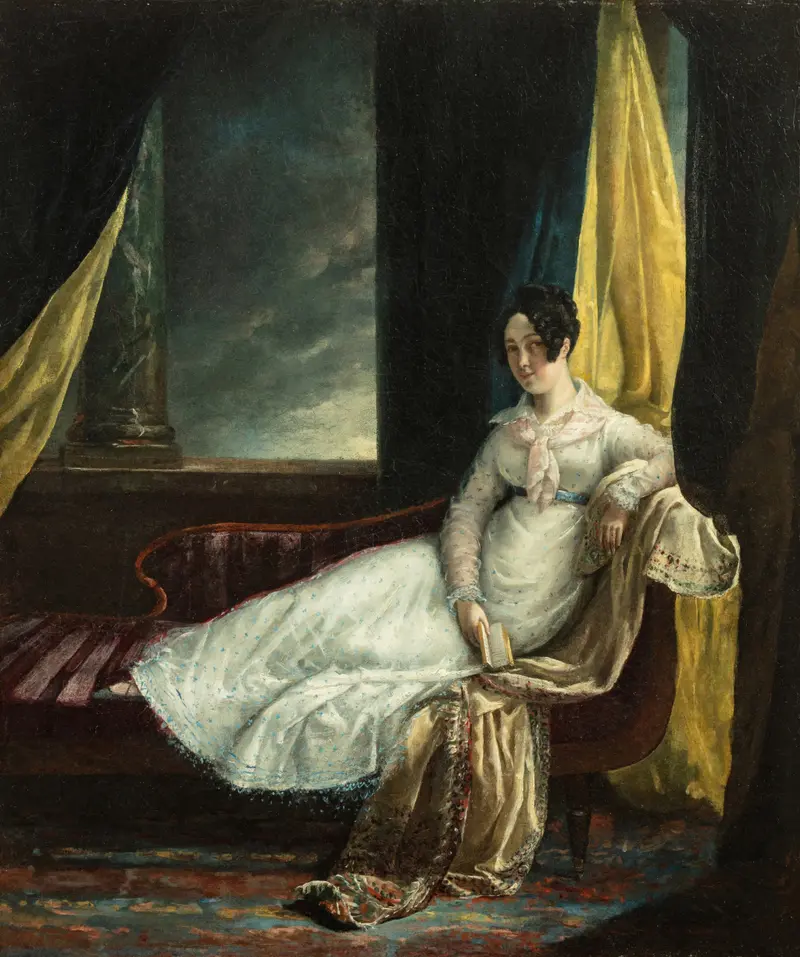
Portrait of Zoë Elmore
Théodore Géricault
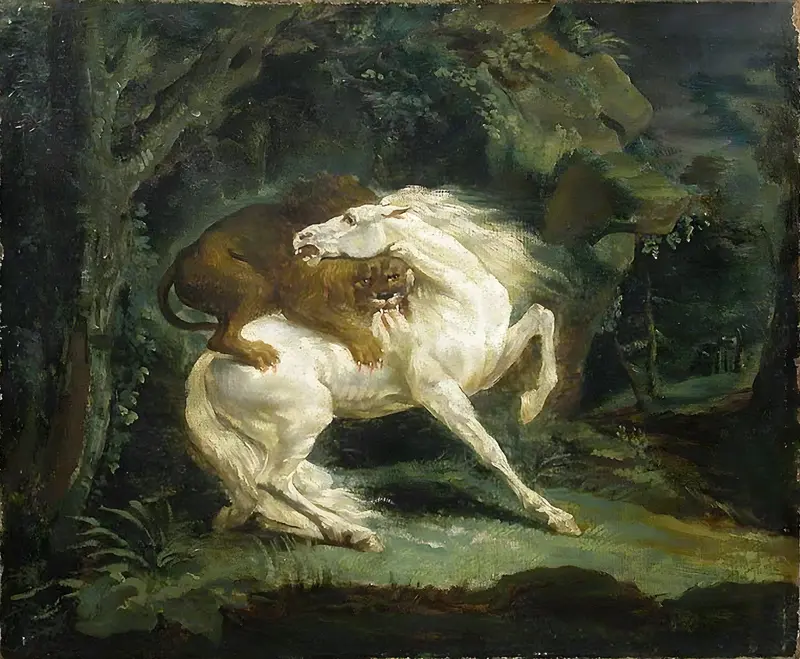
Cheval attaqué par un lion
Théodore Géricault
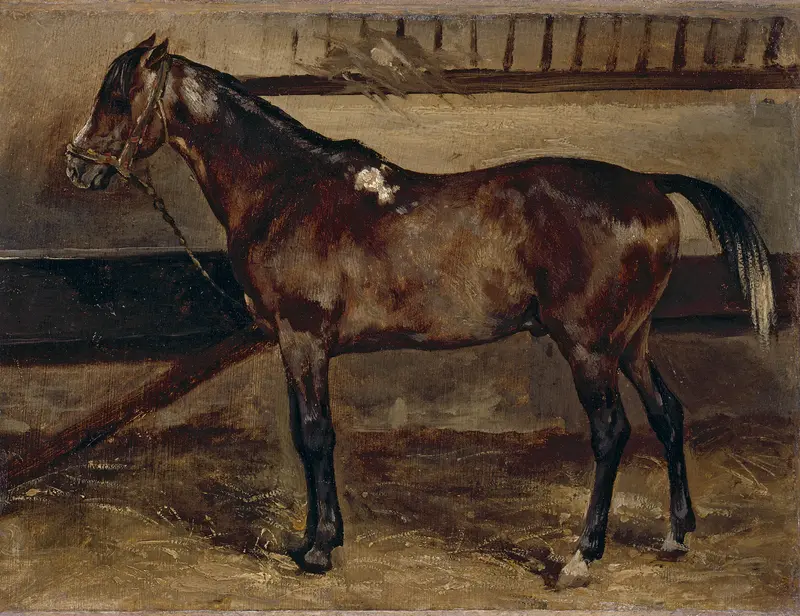
Cheval brun à l'écurie
Théodore Géricault





