
Right half of Gijsbert Claesz. van Campen family portrait — History & Facts
Few paintings have been literally split in two, but the Right half of Gijsbert Claesz. van Campen family portrait by Frans Hals is just that: a surviving fragment of a once-unified vision. Sawn apart in the 19th century, the original canvas was divided to suit the tastes and walls of later collectors, leaving each half to tell only part of the family's story.
This act of separation has become a symbol of both the fortunes and fates of art across centuries, and today scholars work to virtually reunite the two halves, now held in different collections. In this right half, Frans Hals captures several of the van Campen children, their faces alight with the energy and spontaneity that set Hals apart from his contemporaries. The children lean in, some caught mid-gesture, their lively gazes directed just beyond the edge of the canvas—toward the now-missing left half, where their parents once sat. The loose brushwork, a hallmark of Hals’s early Dutch Golden Age style, gives the group a sense of immediacy and warmth.
The garden setting, with its lush foliage and open sky, signals the family's prosperity and progressive values, echoing the new Dutch taste for informal, outdoor portraiture. In contrast to the more rigid, hierarchical family portraits of Thomas de Keyser, Hals’s approach feels almost conversational. Commissioned by Gijsbert Claesz. van Campen, a prosperous Haarlem cloth merchant, the full-length portrait was originally intended to display the unity and status of his family.
After its division, the right half passed through private hands before entering the collection of the Royal Museums of Fine Arts of Belgium. The left half, meanwhile, resides in the Toledo Museum of Art in Ohio. This painting marks an early moment in Frans Hals’s career, when he was experimenting with group portraiture and the lively, direct style that would later define his work.
The painting’s journey—fragmented yet celebrated—mirrors the shifting tastes and fortunes of art collectors and museums through the centuries.
More Artworks by Frans Hals

Banquet of the Officers of the St George Civic Guard
Frans Hals

Portrait of Jacob Pietersz Olycan (1596-1638)
Frans Hals
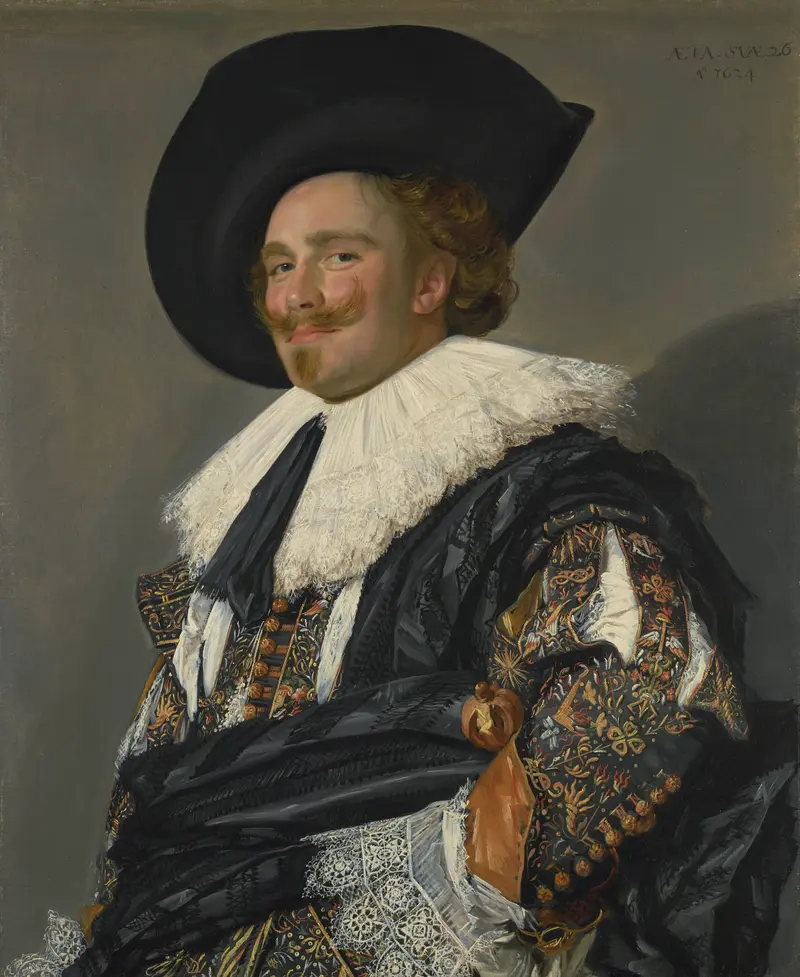
Laughing Cavalier
Frans Hals

Militia Company of District XI under the Command of Captain Reynier Reael, Known as ‘The Meagre Company’
Frans Hals
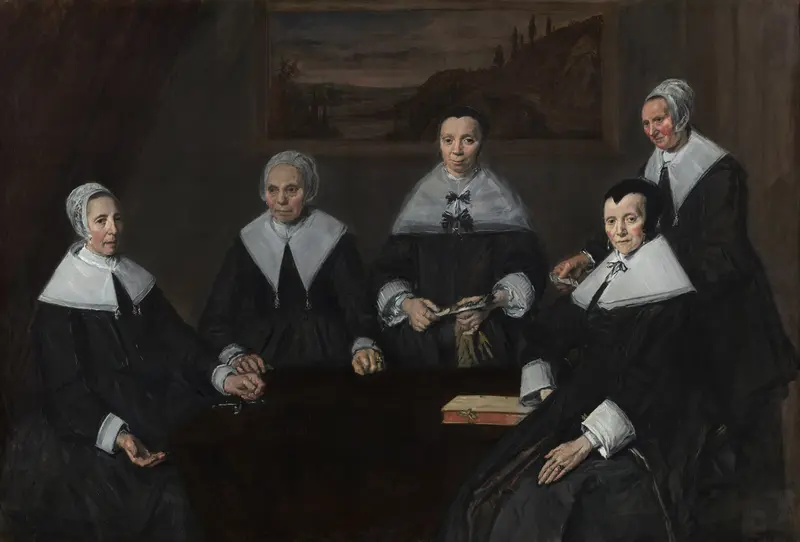
Regentesses of the Old Men's Alms House
Frans Hals
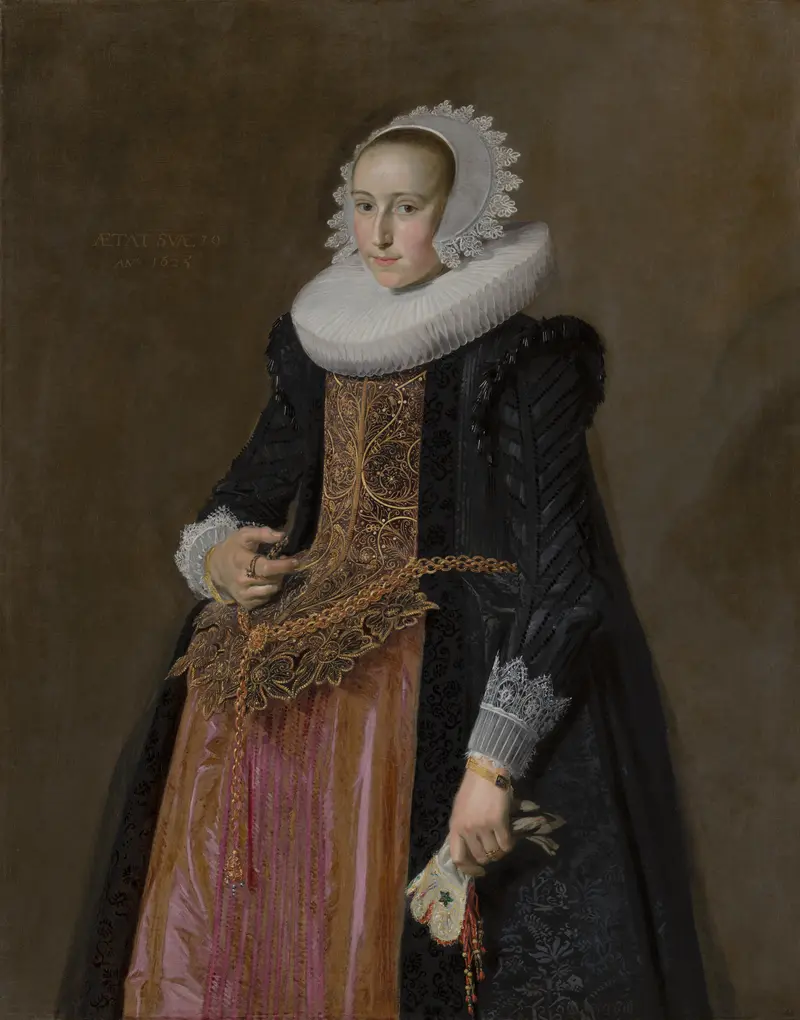
Portrait of Aletta Hanemans (1606–1653)
Frans Hals
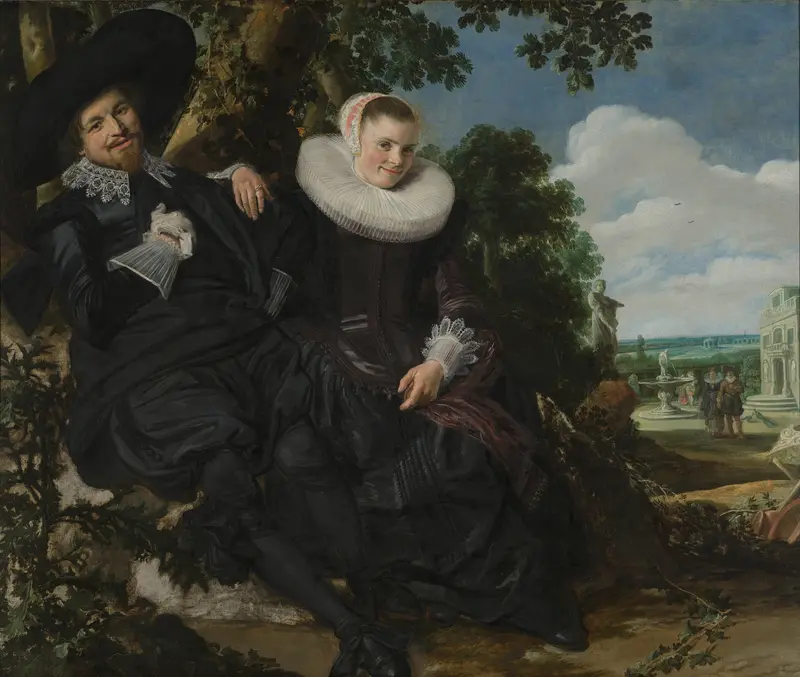
Portrait of a Married Couple, Likely Isaac Abrahamsz Massa and Beatrix van der Laen
Frans Hals
The Merry Drinker
Frans Hals
Portrait of Paulus Verschuur
Frans Hals
Portrait of Pieter van den Broecke
Frans Hals





