Road to Bankov — History & Analysis
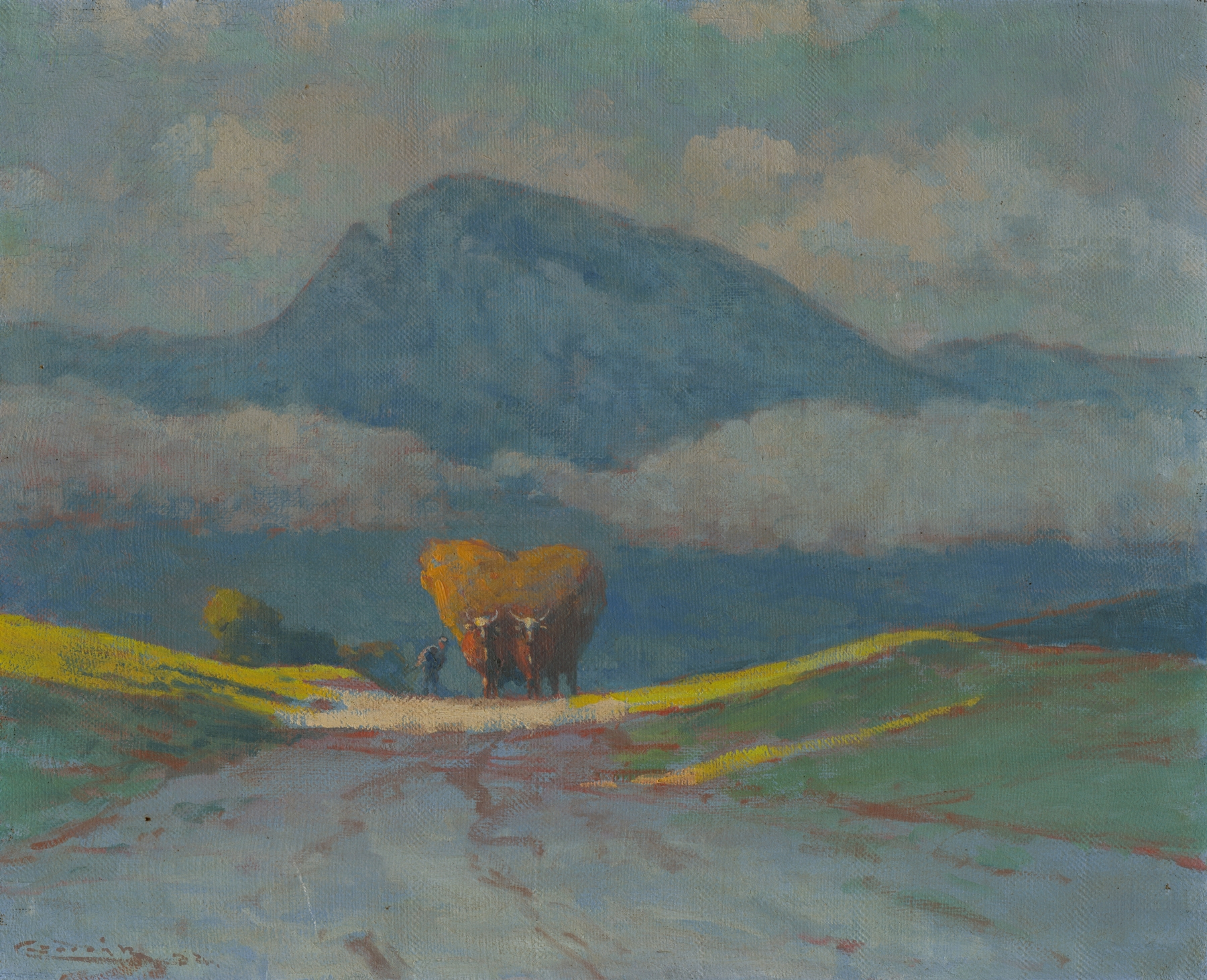
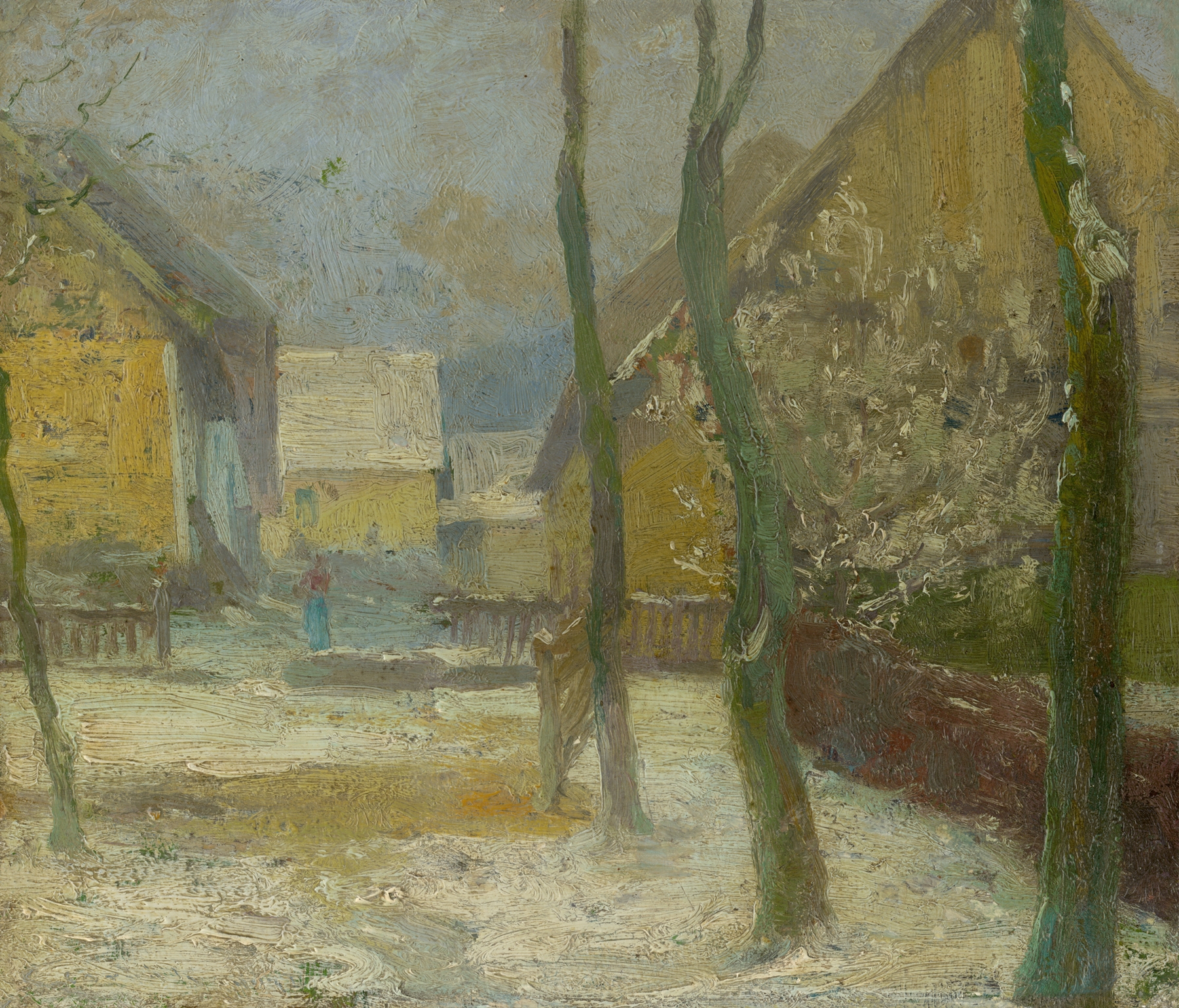
Under the brush, chaos becomes grace. The journey along the winding path reveals the quest for truth, where every brushstroke invites the viewer into a world of quiet contemplation. Focus on the foreground, where the road disappears into the distance, flanked by lush greenery. Notice how the light plays upon the foliage, casting dappled shadows that dance across the path.
The artist's palette, dominated by earthy tones and vibrant greens, evokes a sense of tranquility while guiding the eye deeper into the landscape. Each brushstroke feels deliberate, crafting a harmonious dialogue between nature and the viewer. As you explore the painting further, subtle contrasts emerge—between the solidity of the road and the ephemeral quality of the surrounding flora. The way the colors shift from warm to cool hints at the passage of time, suggesting a deeper narrative of life’s progression.
There’s a tension between the inviting path and the unknown that lies beyond, encapsulating the duality of journeying toward enlightenment and the uncertainties that accompany it. Ľudovít Čordák created Road to Bankov between 1909 and 1913, during a period marked by the rise of modernism in Slovakia. This was a time when artists began to explore new ways of expressing their cultural identity amidst the broader European movement. Čordák himself was influenced by the natural beauty surrounding him, and his approach to landscape painting sought to convey both the immediacy of experience and the deeper truths that nature embodies.