
Rowing to the Shore — History & Facts
What first catches the eye in Rowing to the Shore is the sense of pause—an oarsman, caught between water and land, his gaze meeting ours with a quiet directness. The boat drifts in the shallows, its prow just beginning to break the ripple of the lake, the water’s surface painted with swift, broken strokes that shimmer with reflected sky and the deep brown of the hull. The man’s red jacket stands out against the cool palette, anchoring the composition and drawing us into his world.
Each brushstroke in the water seems to record a moment of movement, yet the figure himself is still, as if waiting for something unspoken before the final approach to shore. Painted in 1891, this work by Akseli Gallen-Kallela belongs to a moment in Finnish art when national identity and the everyday landscape were gaining new importance. Artists of the late nineteenth century, especially in the Nordic countries, often turned to scenes of rural labor and local nature as a way to capture the spirit of their homeland. While history has kept few traces of this specific painting’s journey, its presence in a contemporary online collection invites us to see it as both a record of a particular place and a meditation on arrival.
The viewer is left with the gentle tension of the crossing—so close to land, yet still afloat—urged to linger over the play of light and water that makes the scene so immediate.
More Artworks by Akseli Gallen-Kallela
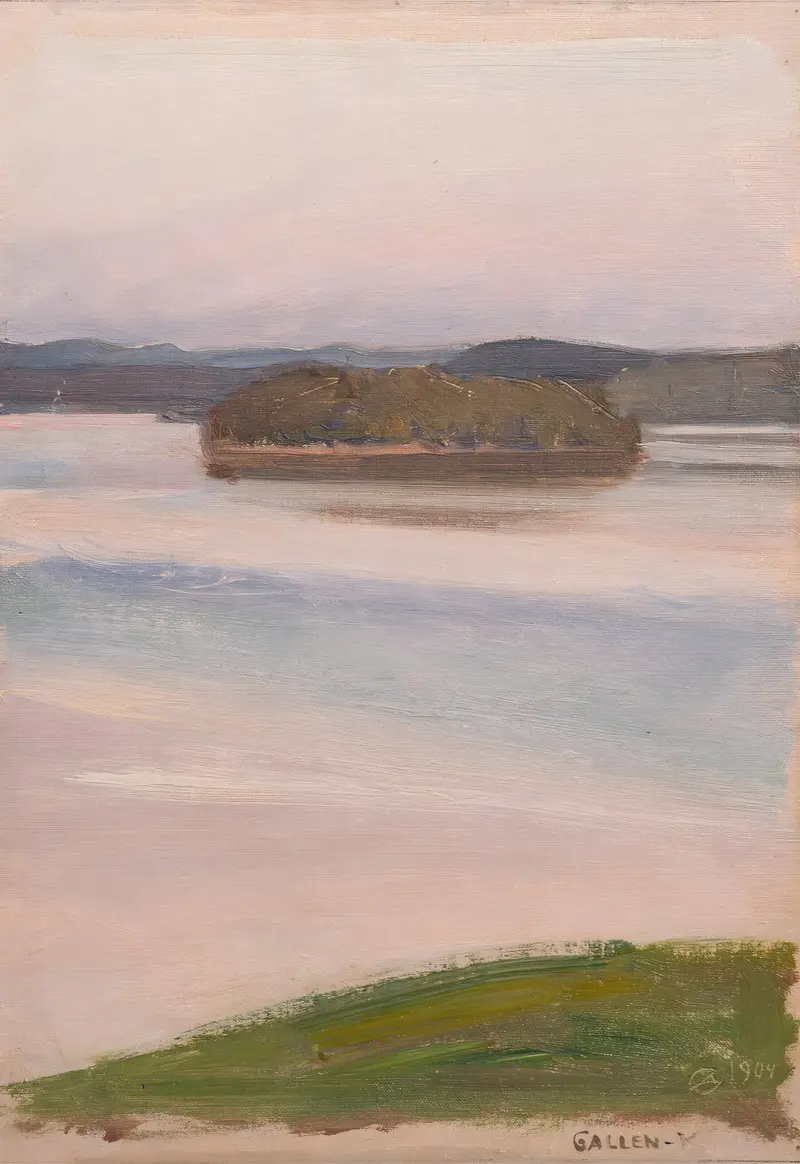
Lake Keitele
Akseli Gallen-Kallela
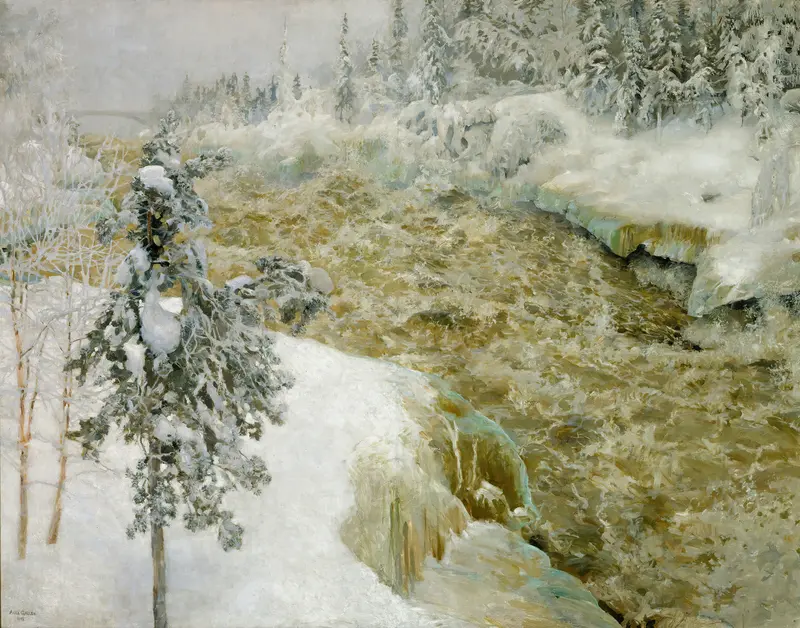
Imatra Falls in Snow ; Imatra in Winter
Akseli Gallen-Kallela
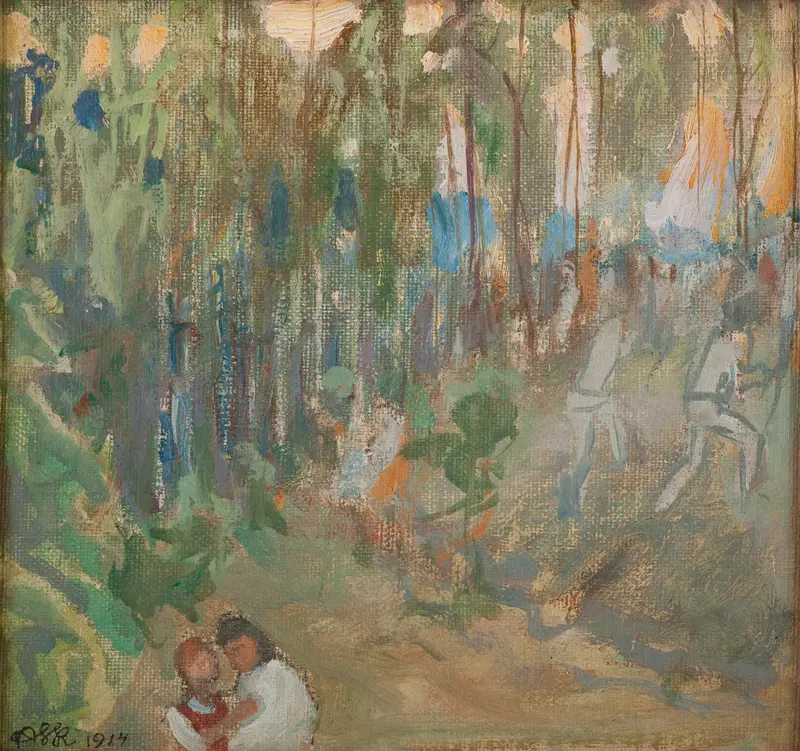
Vainovalkeat
Akseli Gallen-Kallela
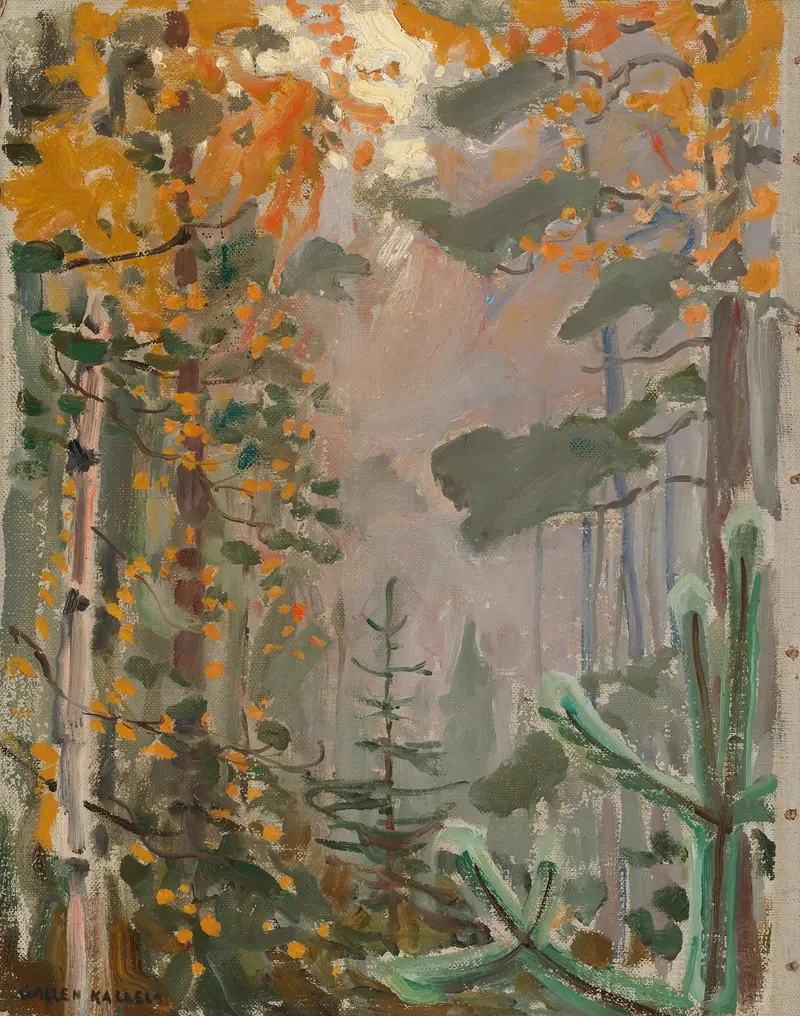
Autumn Landscape
Akseli Gallen-Kallela
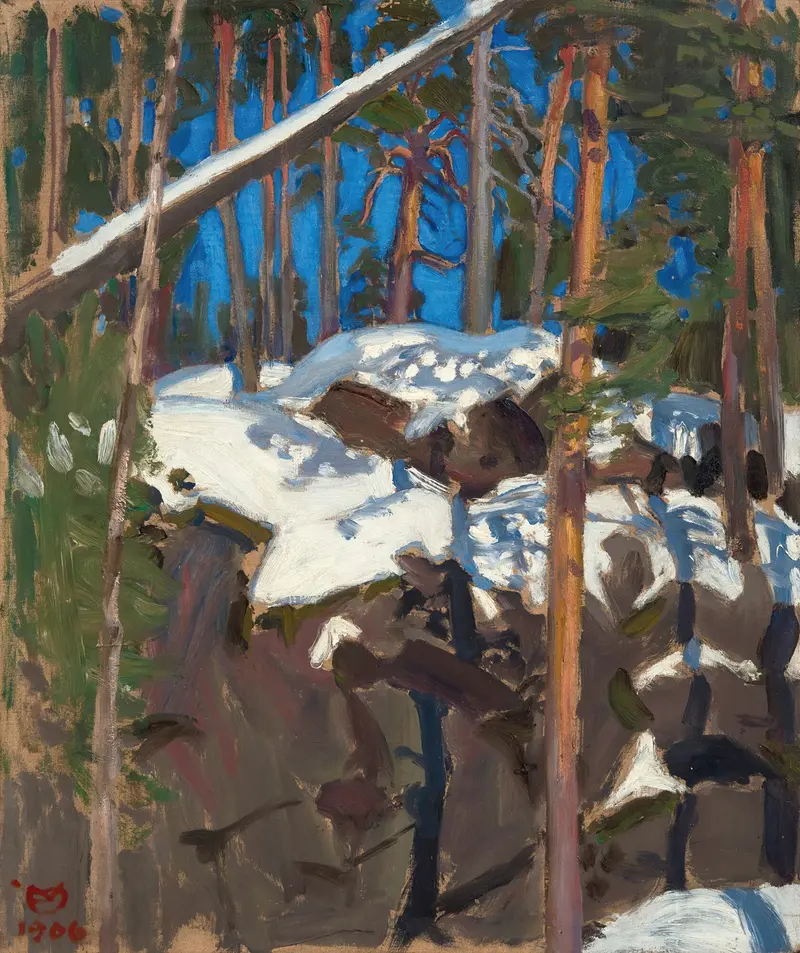
Spring Sun At Konginkangas
Akseli Gallen-Kallela
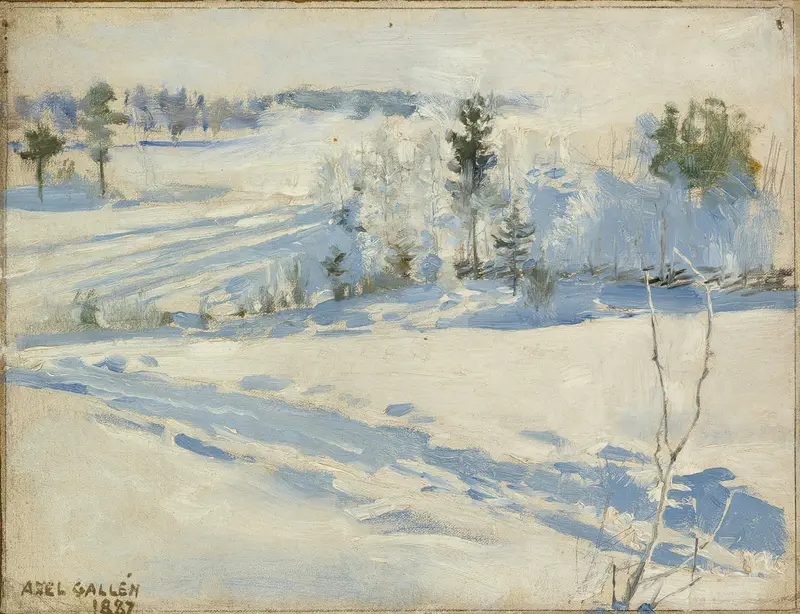
Winter Landscape
Akseli Gallen-Kallela

First Snow
Akseli Gallen-Kallela
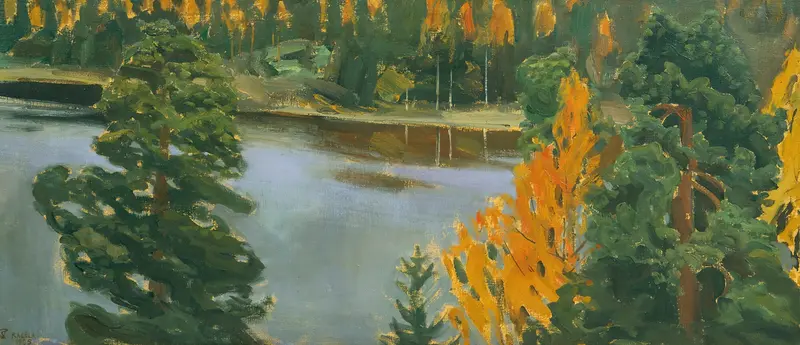
Lake View In Autumn
Akseli Gallen-Kallela
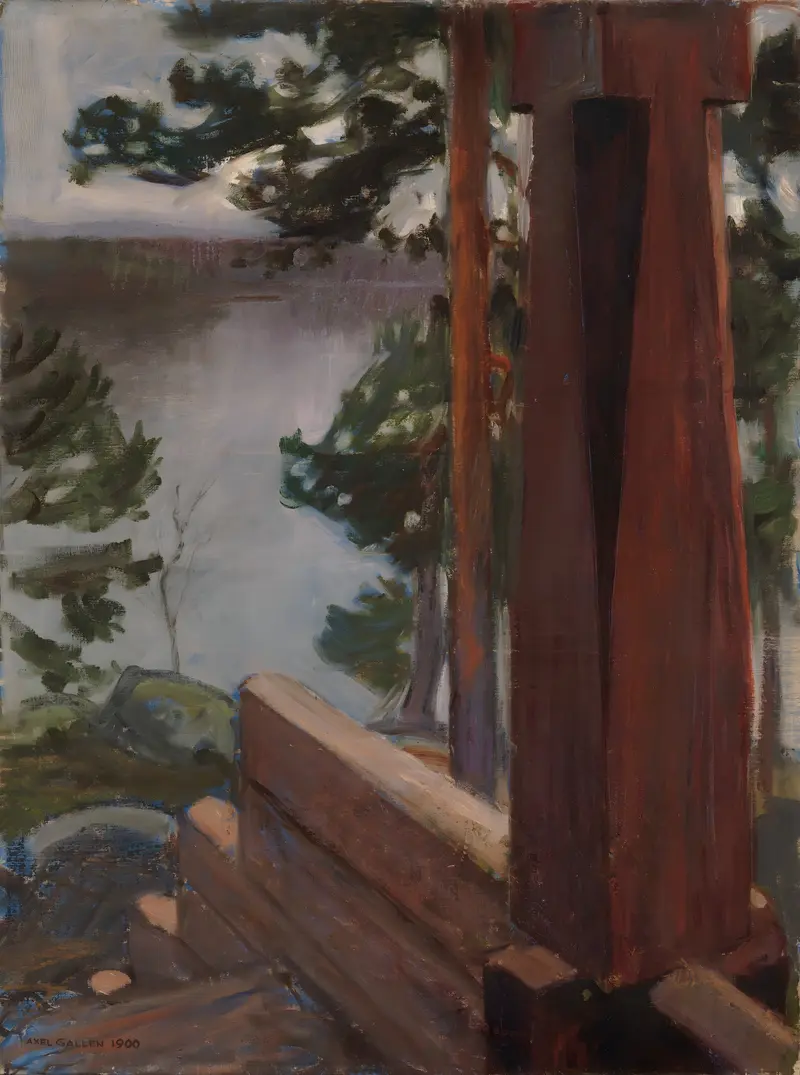
The Kalela Porch
Akseli Gallen-Kallela

Light Behind The Clouds
Akseli Gallen-Kallela





