Discover insights about this artwork
Sailboats near Trouville — History & Facts
In Sailboats near Trouville, Eugène Boudin presents a lively marine scene filled with sailboats gliding across the water. The colors are vibrant, with blues and whites dominating the canvas, reflecting the sky and the sea. The boats are depicted in various sizes, some close to the shore while others venture further out.
The background features a soft horizon, suggesting a warm, sunny day at the seaside. The painting is executed in oil on canvas, a common medium for Boudin, known for his ability to capture light and movement. The brushwork is loose and fluid, characteristic of the Impressionism style, allowing the viewer to feel the gentle breeze and the rippling water. The composition draws the eye towards the boats, creating a sense of depth and perspective.
The use of light is particularly notable, as it plays across the water and illuminates the sails. Eugène Boudin is often regarded as a precursor to the Impressionist movement, and this work exemplifies his influence on later artists. Created around the 1860s, Sailboats near Trouville showcases Boudin's love for marine subjects and his keen observation of nature. An interesting fact about this painting is that Boudin was one of the first artists to paint en plein air, or outdoors, which allowed him to capture the changing light and atmosphere of the coastal landscape.
His work paved the way for the Impressionists who followed.
More Artworks by Eugène Boudin
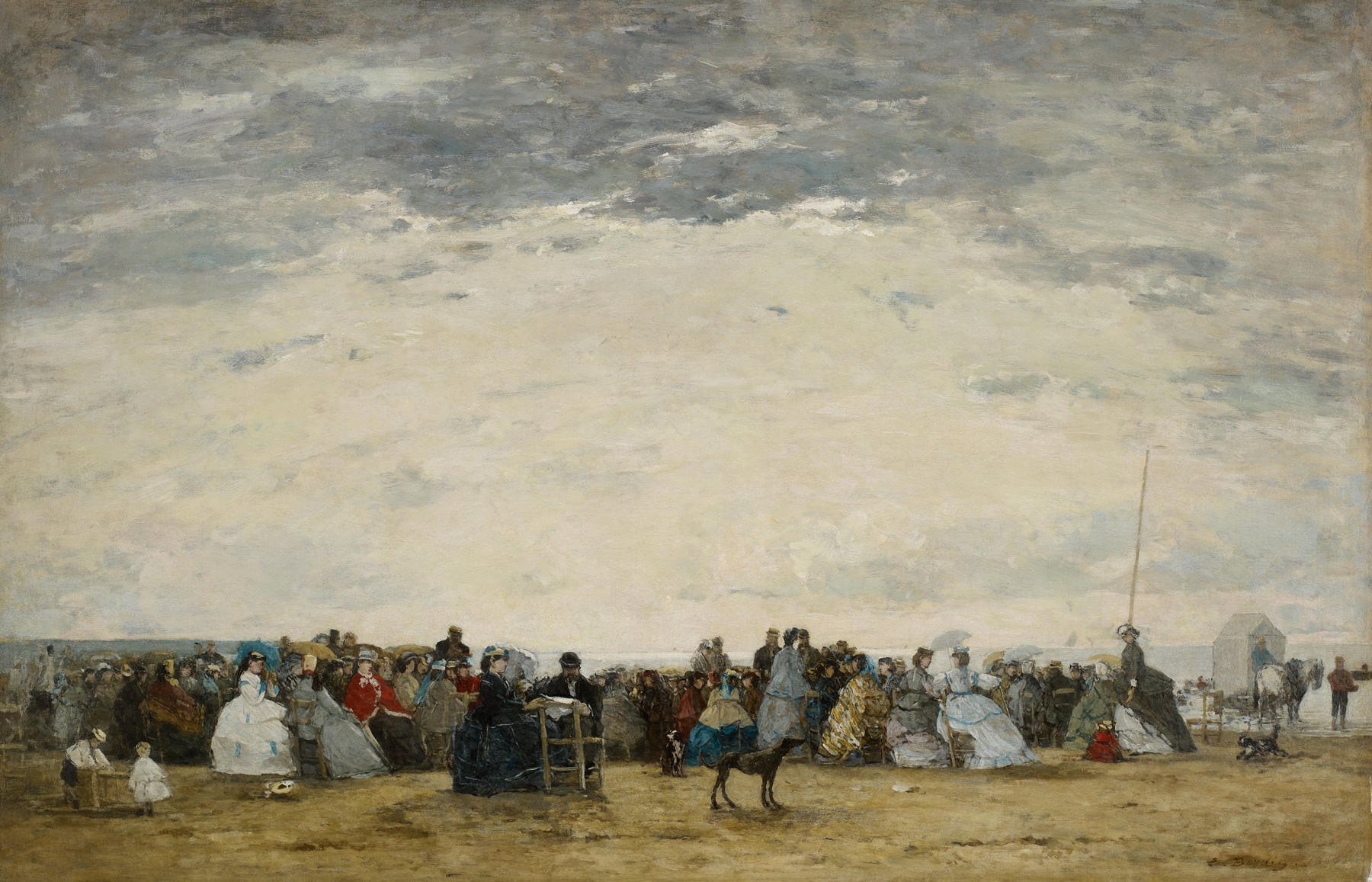
Vacationers on the Beach at Trouville
Eugène Boudin
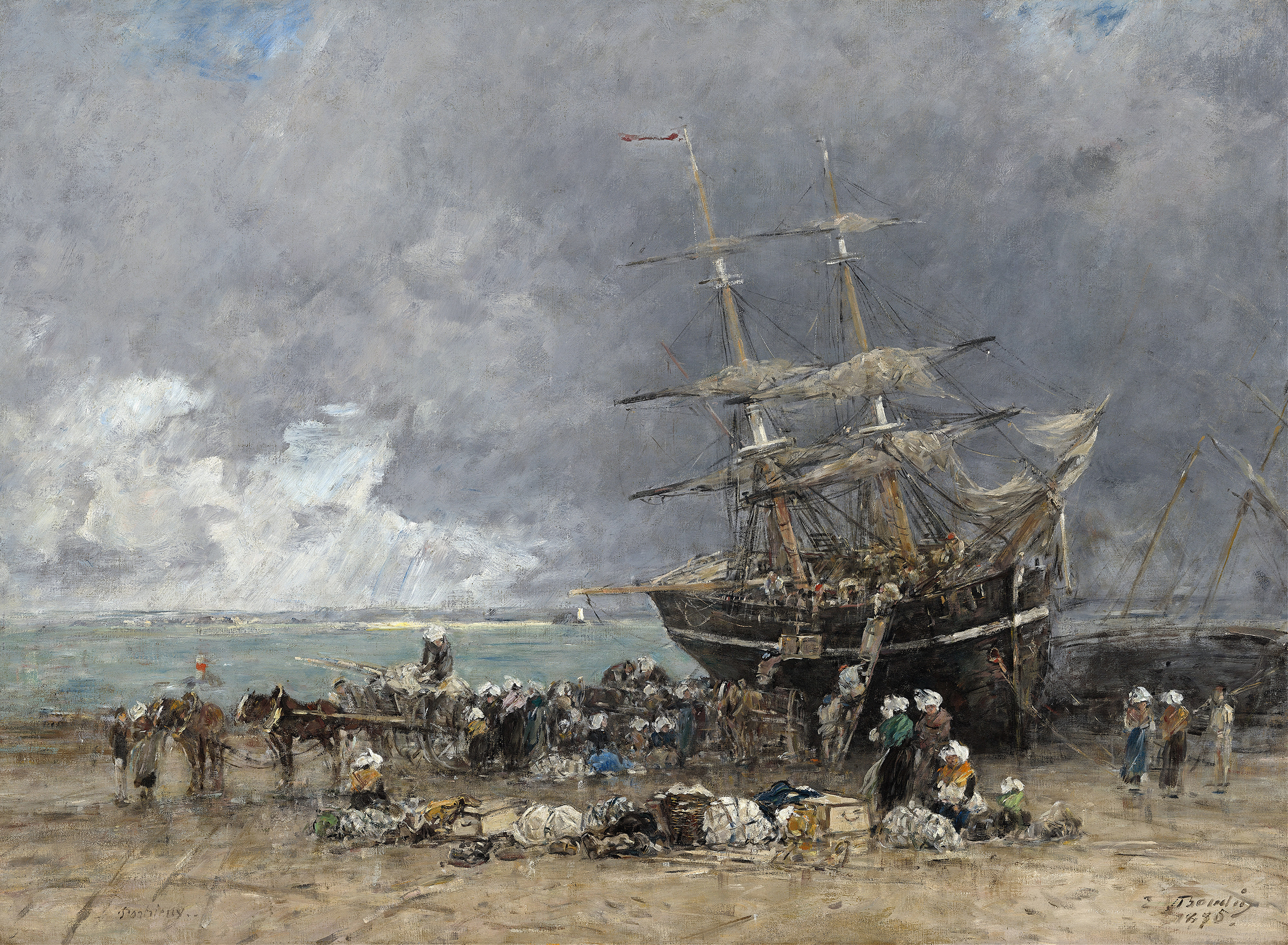
Return of the Terre-Neuvier
Eugène Boudin
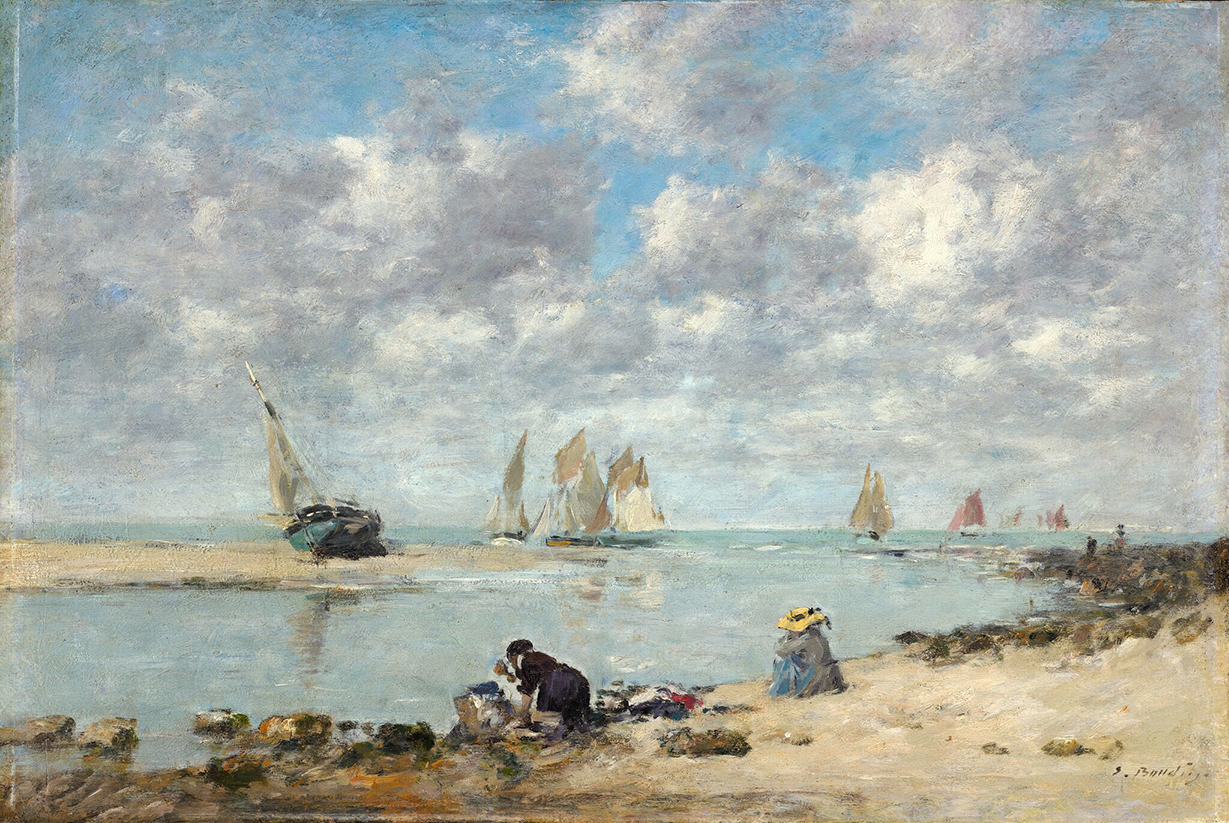
Washerwoman near Trouville
Eugène Boudin
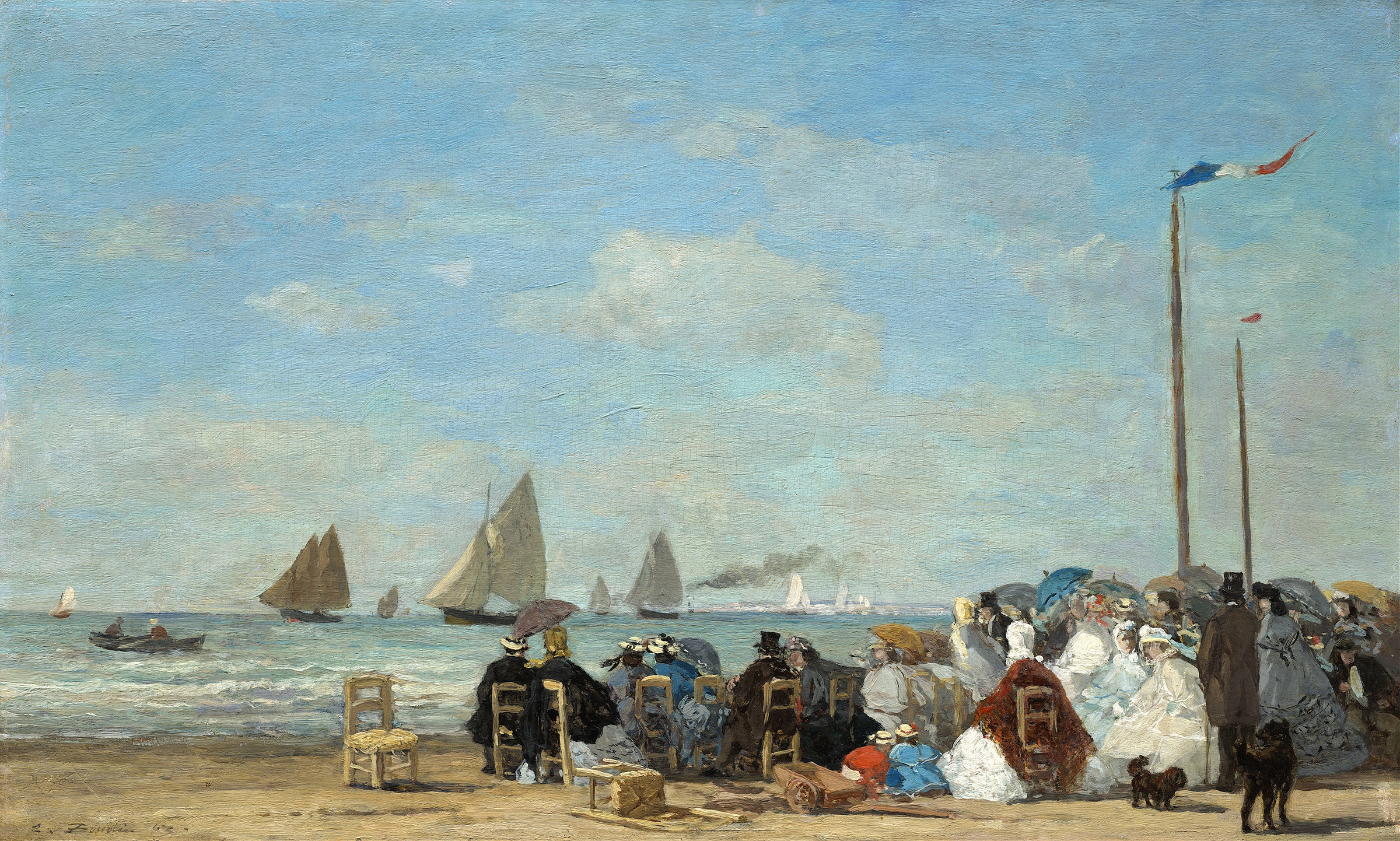
Beach Scene at Trouville
Eugène Boudin
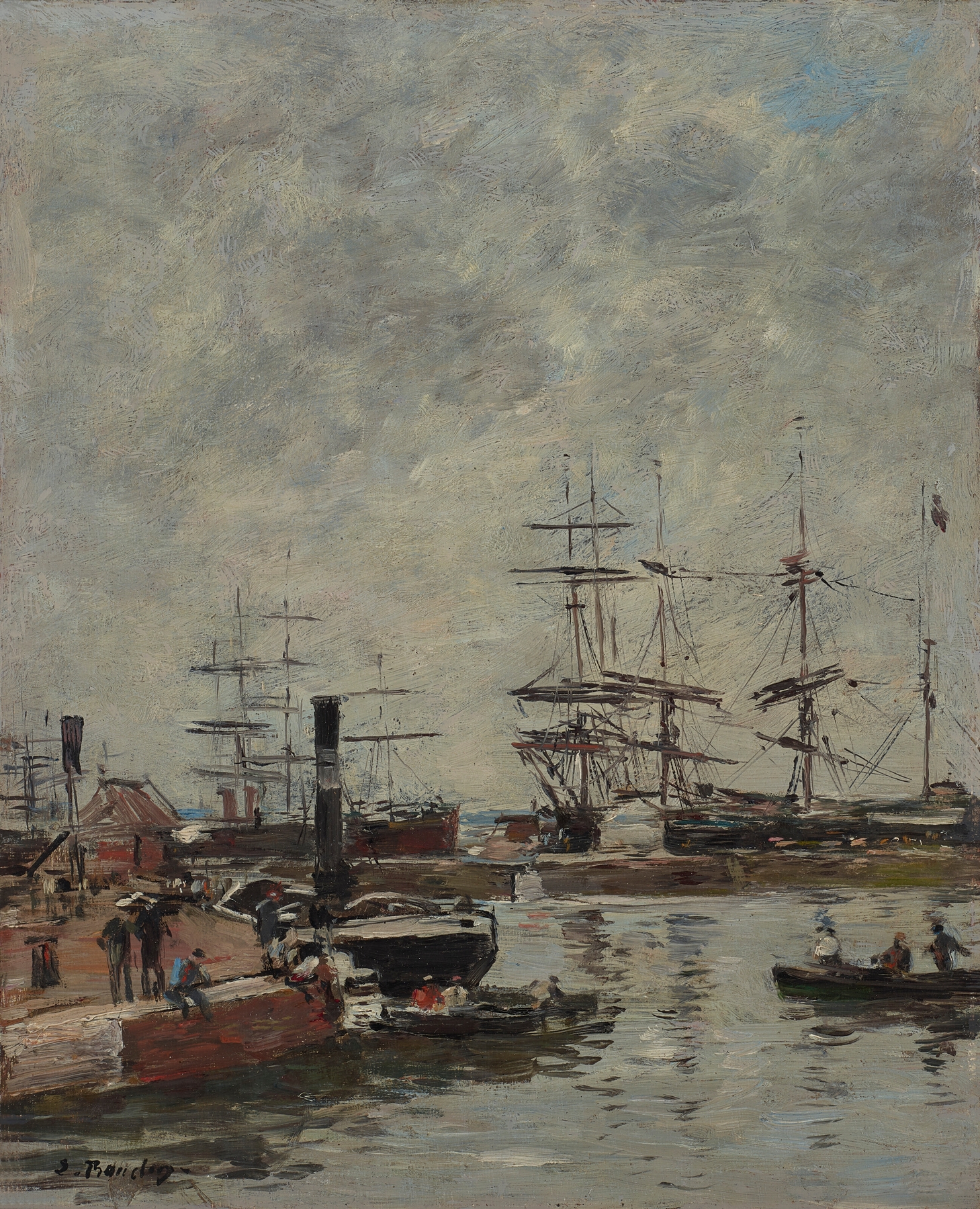
Port, navires à quai
Eugène Boudin
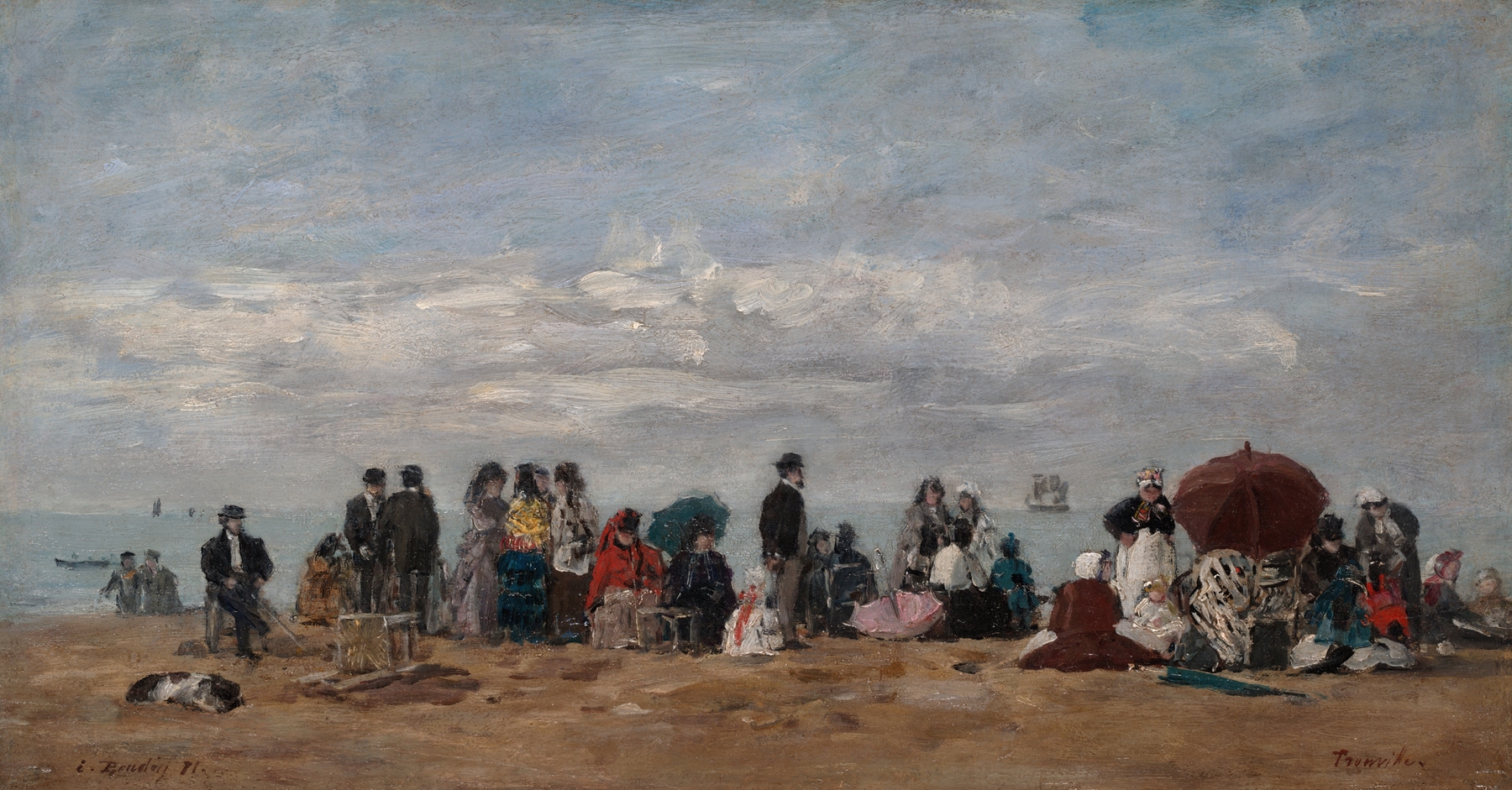
The Beach at Trouville
Eugène Boudin
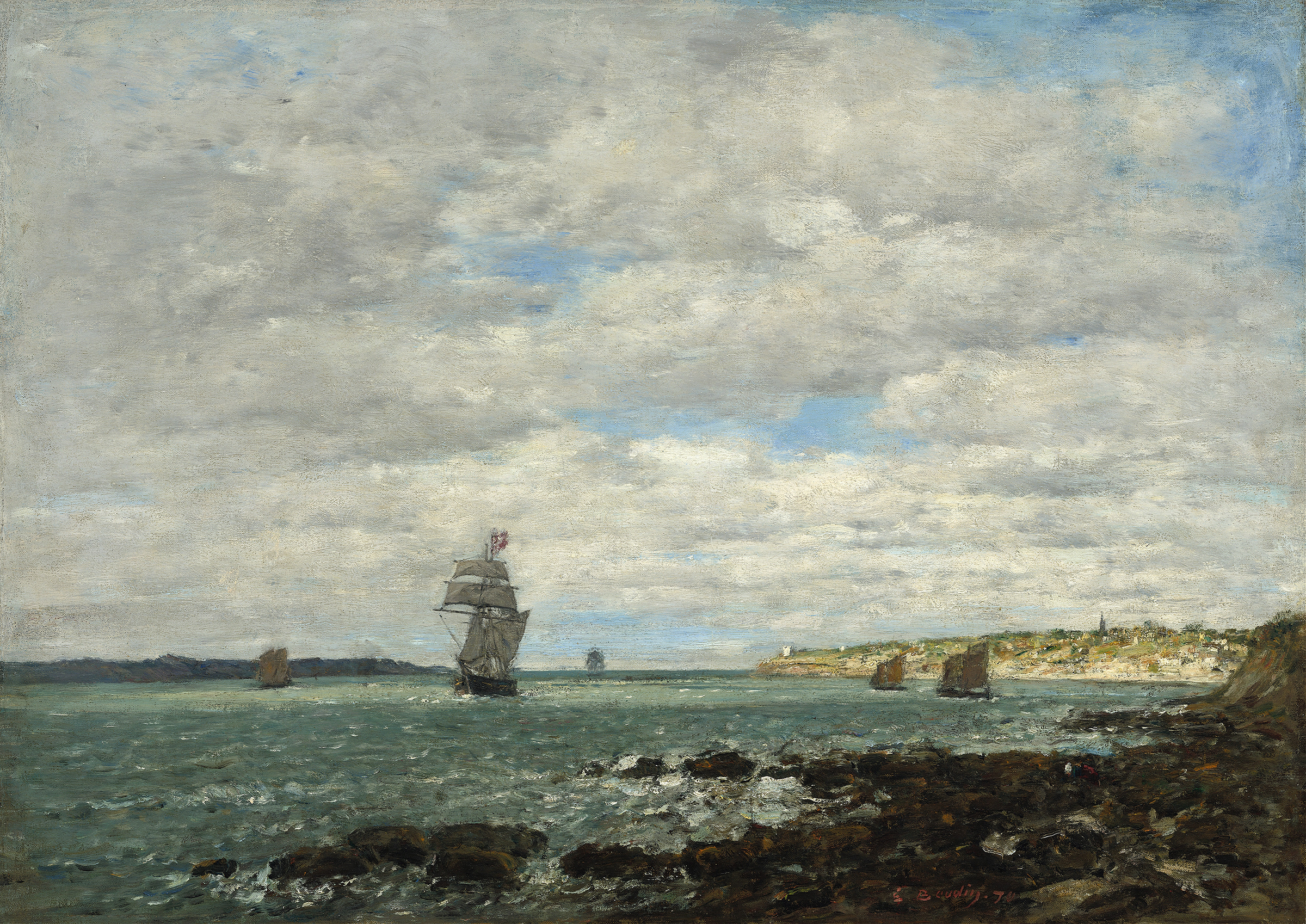
Coast of Brittany
Eugène Boudin
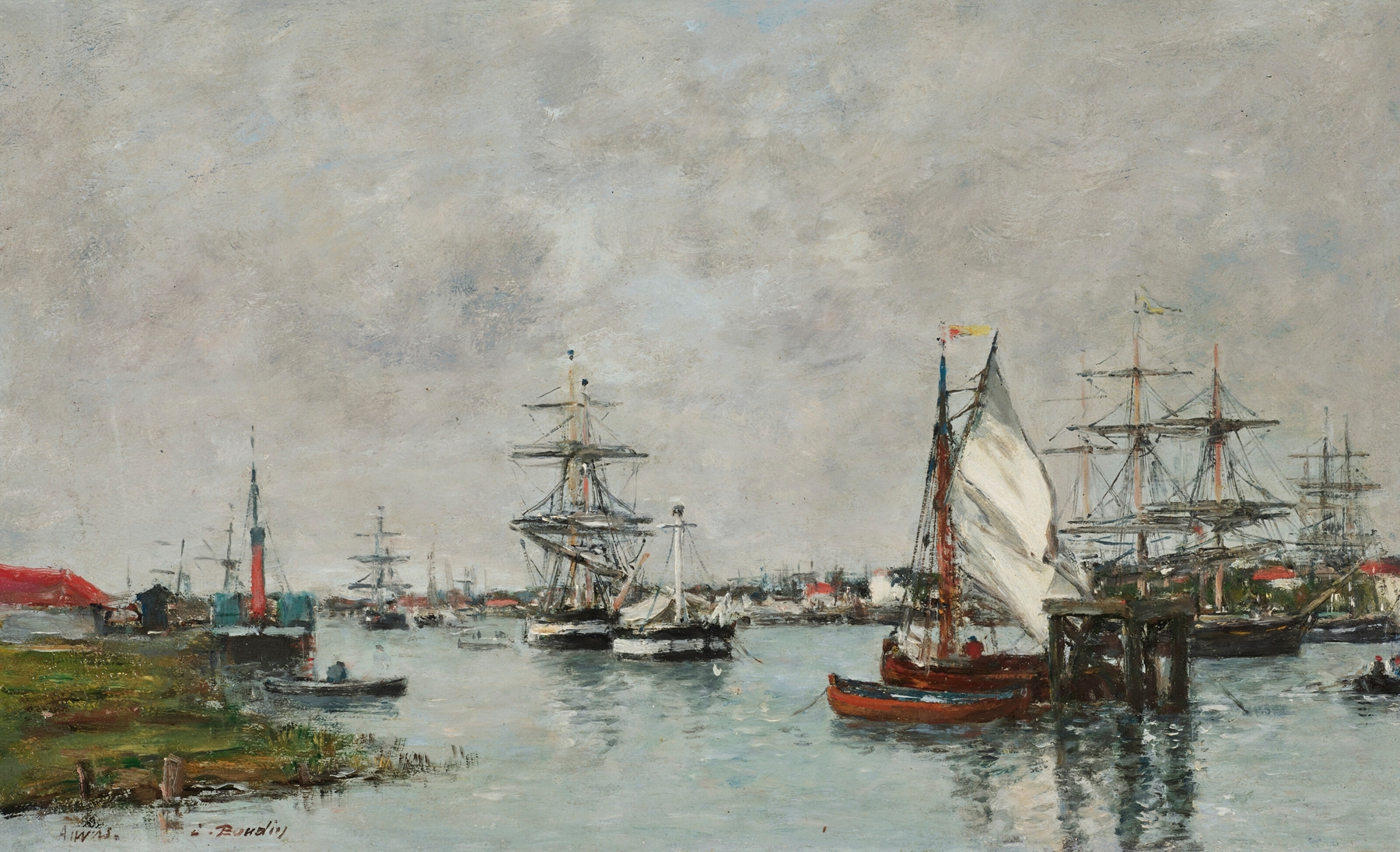
Port d’Anvers
Eugène Boudin
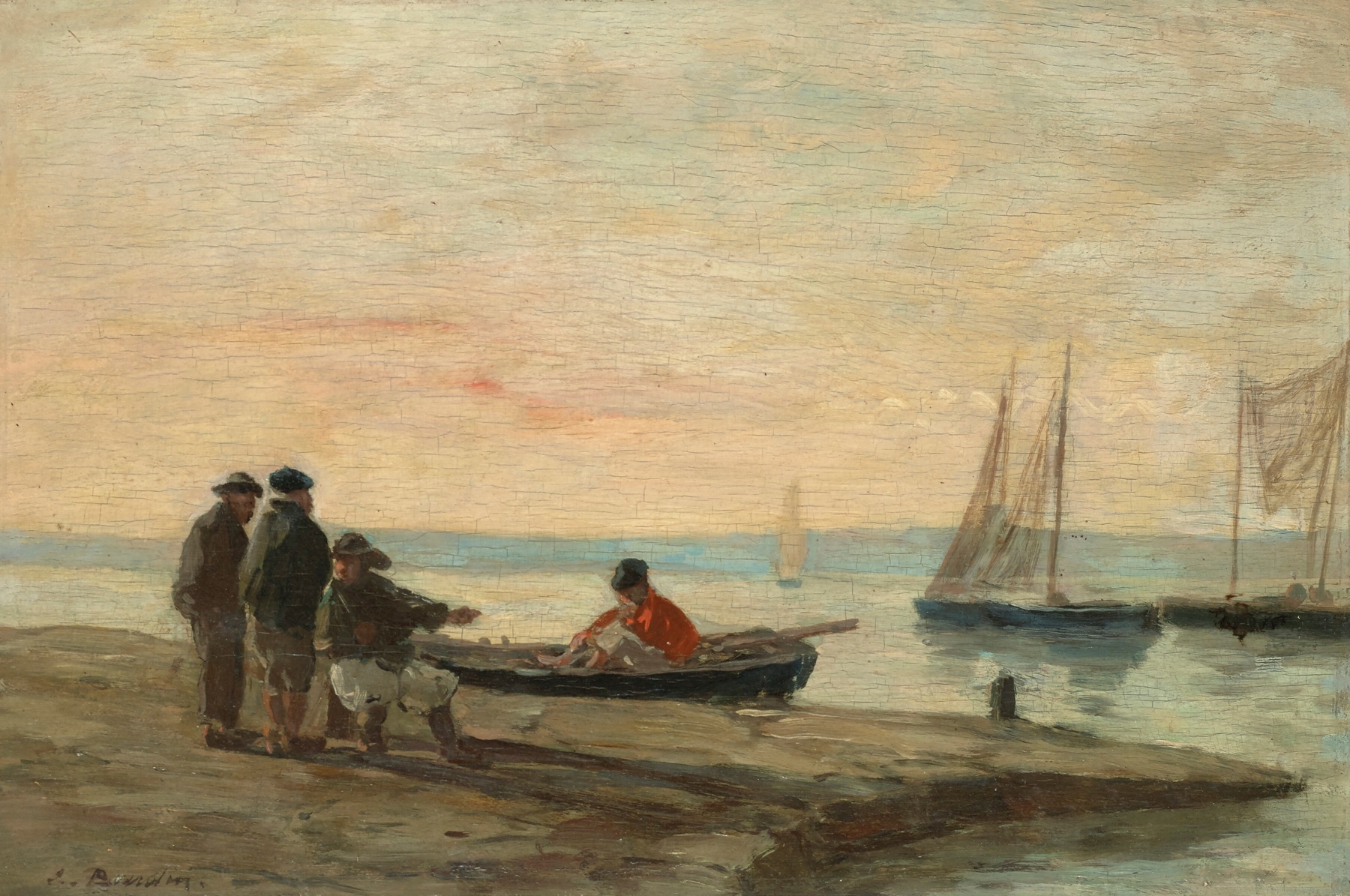
Port aux environs d’Honfleur
Eugène Boudin
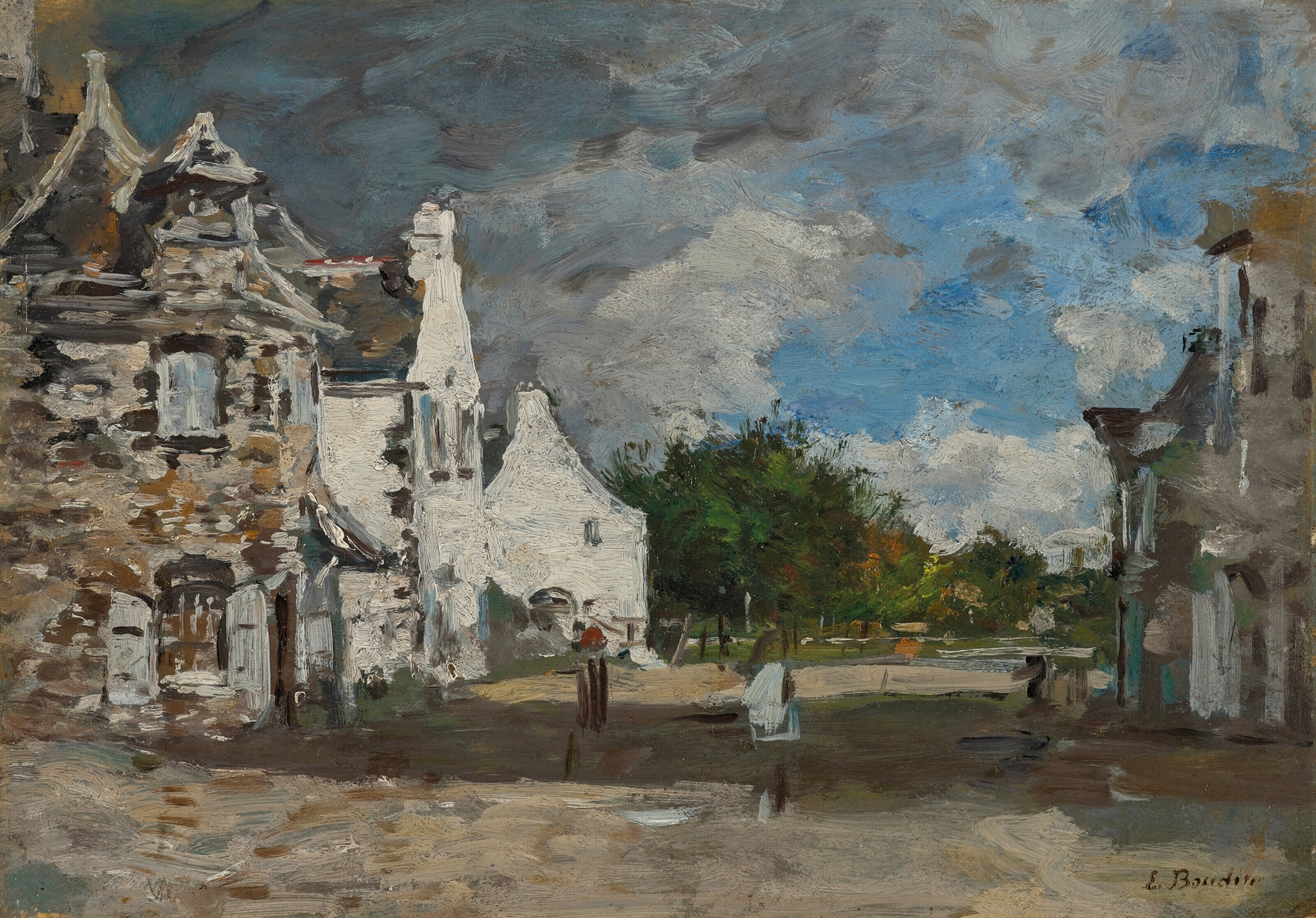
Le Faou, un coin du village
Eugène Boudin