
Saint Agatha Attended by Saint Peter and an Angel in Prison — History & Facts
What first draws the eye in Alessandro Turchi’s Saint Agatha Attended by Saint Peter and an Angel in Prison is the hush of midnight drama: a young woman, weary and wounded, sits chained in a barren cell, her body illuminated by a single torch. The light, held by a winged angel, carves the scene from darkness, drawing a sharp line between suffering and hope. Saint Agatha’s bowed head and exposed shoulder speak of recent torment, while the gentle, almost paternal gesture of the older man—Saint Peter—signals the moment of miraculous intervention.
The angel’s red drapery flares across the gloom, a flash of the divine in a world of stone and shadow. This painting belongs to the world of early seventeenth-century religious art, where stories of martyrdom were painted not only to instruct, but to move and console. Turchi’s use of slate as a support, letting the gray stone show through, gives the prison wall an unyielding permanence—a fitting backdrop for a tale of faith under siege. Such works were often commissioned for private devotion or church altars, reminders of steadfastness in the face of persecution.
Created between 1640 and 1645, and now in the Walters Art Museum, this painting stands as a testament to the era’s fascination with the miraculous and the power of light to reveal, console, and transform. Look again, and see how the torch’s glow not only reveals wounds, but promises healing.
More Artworks by Alessandro Turchi

The Flood
Alessandro Turchi

Judgment of Paris
Alessandro Turchi
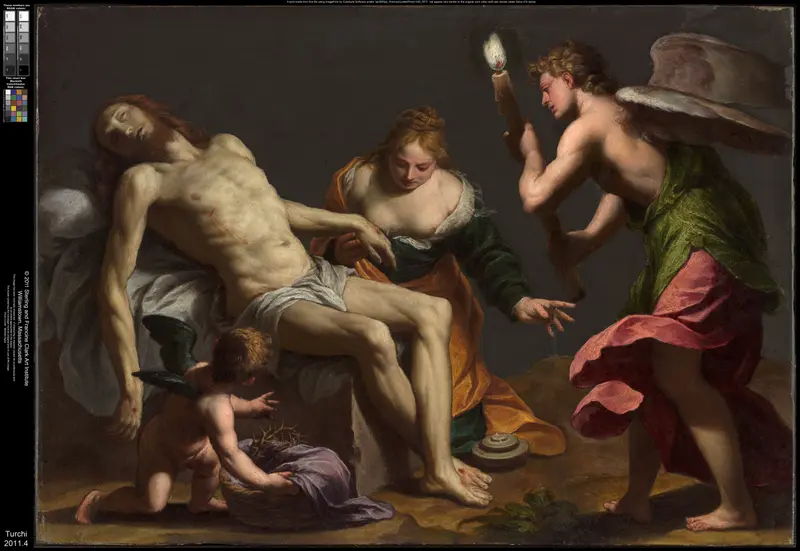
Lamentation over the Body of Christ
Alessandro Turchi
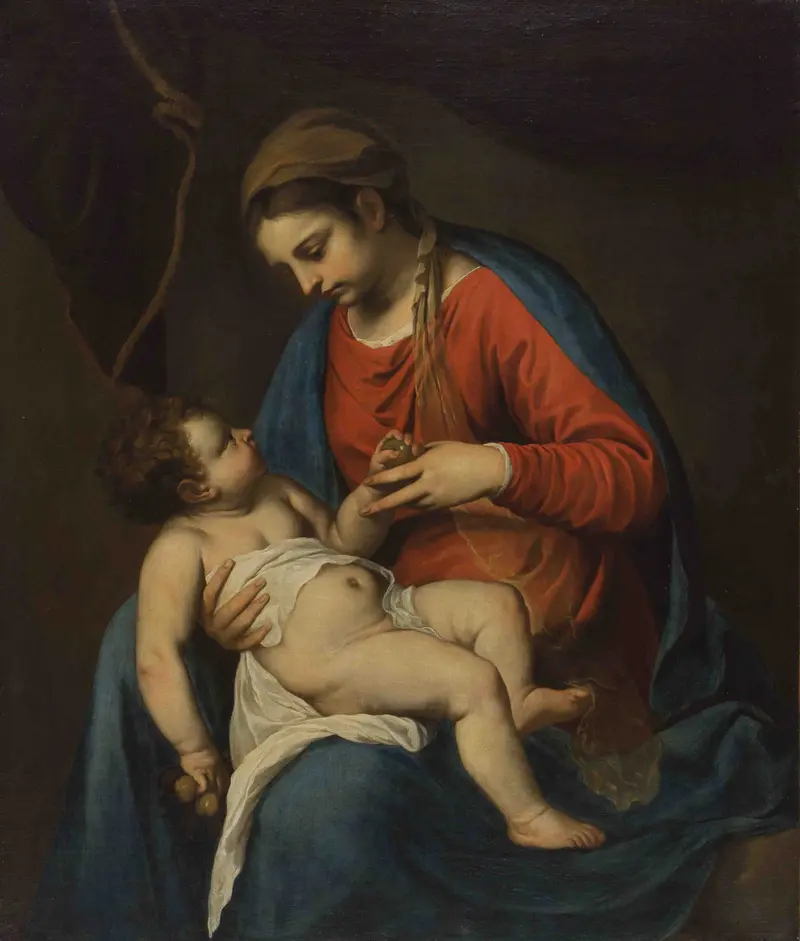
Maria with Child
Alessandro Turchi

Saint Peter visits Saint Agatha in her Prison
Alessandro Turchi
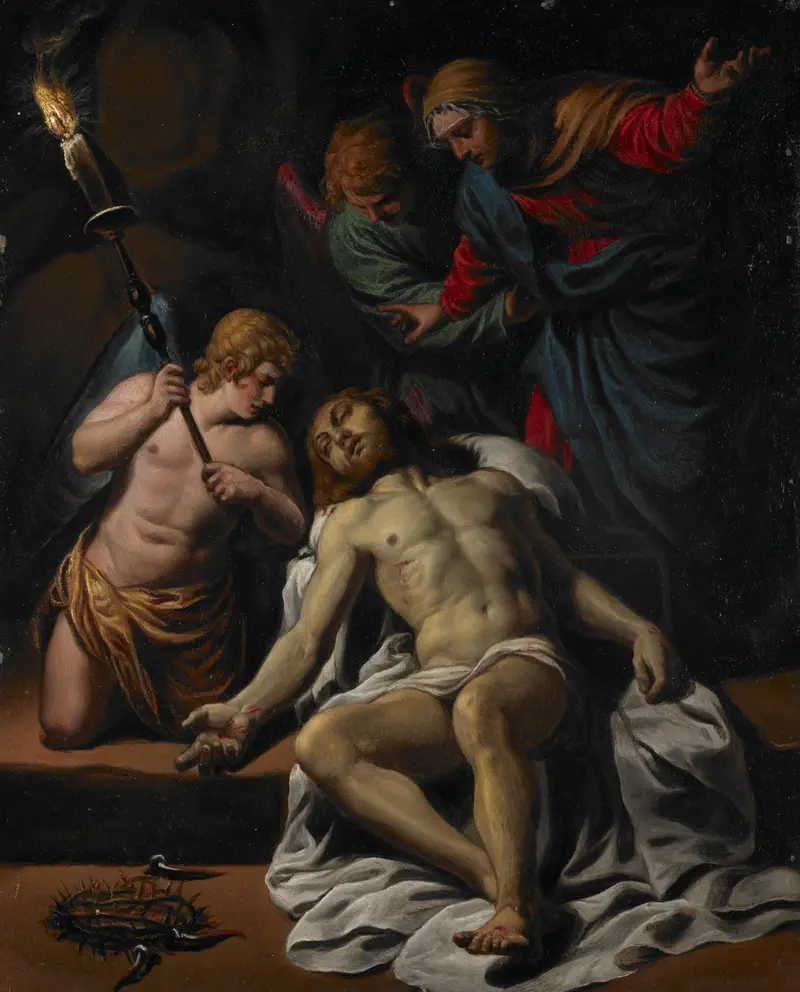
The Lamentation
Alessandro Turchi
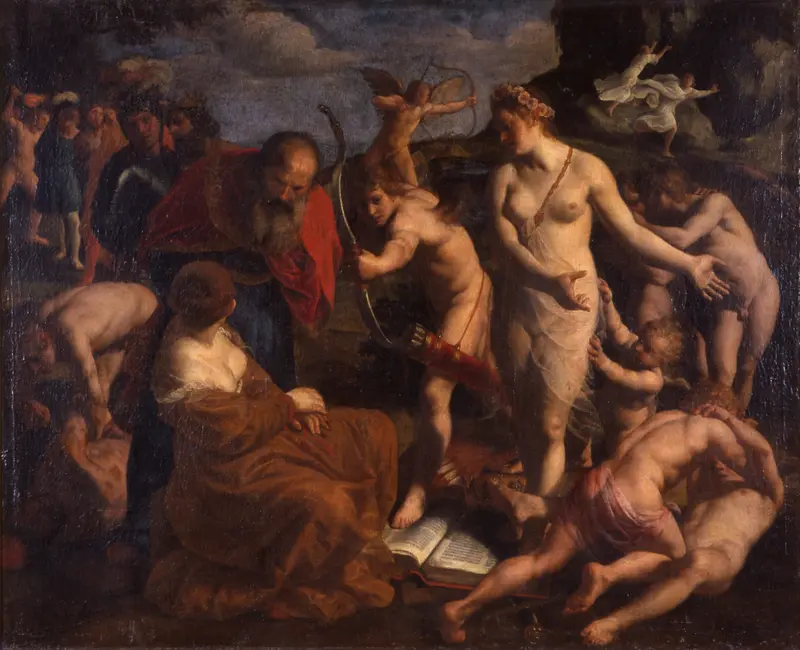
Allegory on the Power of Love ('Omnia Vincit Amor')
Alessandro Turchi

Allegory of Music
Alessandro Turchi
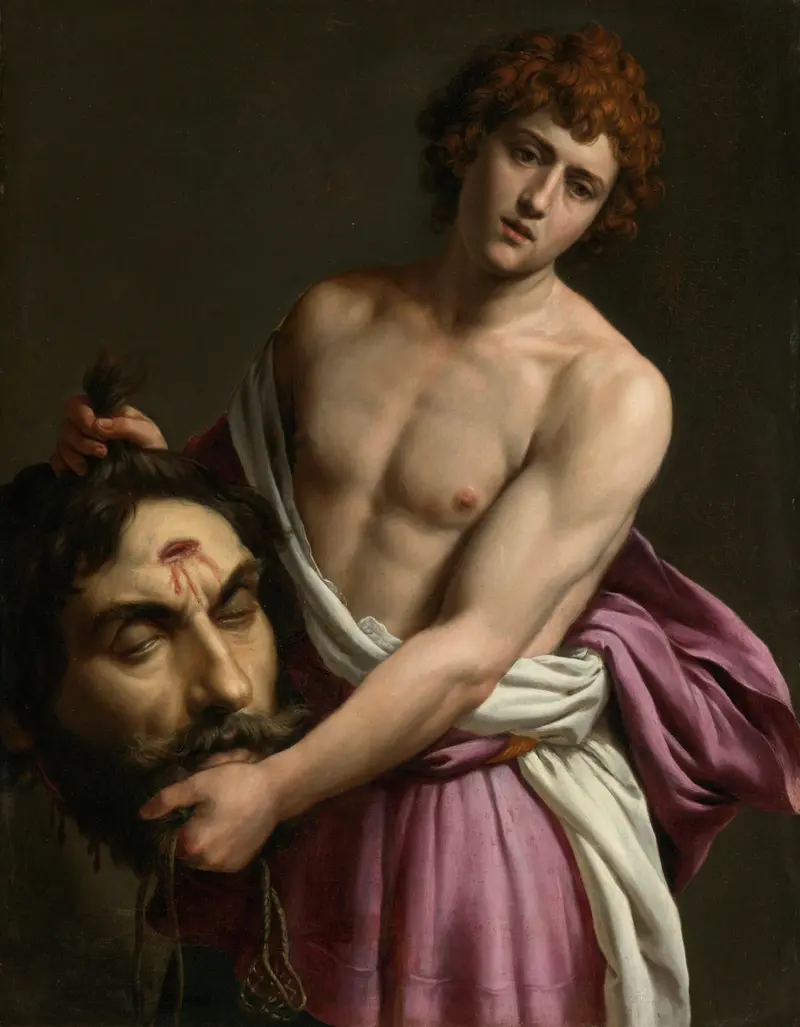
David with the Head of Goliath
Alessandro Turchi

Venus and Cupid
Alessandro Turchi





