
Saint Anthony of Padua — History & Facts
The most intriguing aspect of Saint Anthony of Padua is its place at the very dawn of Raphael’s independent career, painted around 1502 when he was barely twenty. At this time, Raphael was still under the influence of his teacher Perugino, yet already experimenting with his own voice. The painting’s authorship has long been a subject of scholarly debate, with some attributing it to Raphael’s early hand and others suggesting a close follower; however, the delicate modeling of the saint’s face and the gentle rhythm of the composition have convinced many that it is indeed the young master’s work.
No contemporary documentation survives to clarify its commission or original location, leaving an air of mystery around its origins. The painting captures Saint Anthony of Padua at a moment of serene contemplation, holding the Christ Child tenderly in his arms—a vision the saint was said to have experienced during prayer. The infant’s small hand reaches up to touch Anthony’s chin, a gesture of intimacy and spiritual connection. The saint’s brown habit and the lily he holds are traditional symbols: the habit marks his Franciscan order, while the lily stands for purity.
Soft, golden light bathes the figures, setting them apart from the subdued background and focusing the viewer’s attention on their quiet exchange. Unlike Donatello’s robust sculptures of the same saint, Raphael’s approach is gentle, emphasizing the saint’s humility and warmth. Little is known of the painting’s early history, and its medium remains uncertain—panel or canvas, tempera or oil. It likely originated as a private devotional image for a patron in Umbria, before passing through various collections over the centuries.
The painting’s attribution to Raphael was not firmly established until the nineteenth century, when art historians began to trace the hallmarks of his early style. Today, Saint Anthony of Padua is recognized as a rare glimpse into the formative years of one of the High Renaissance’s defining artists, and it continues to intrigue scholars and visitors alike with its quiet beauty and enigmatic past.
More Artworks by Raphael

Madonna of the Goldfinch
Raphael

Madonna with the Fish
Raphael
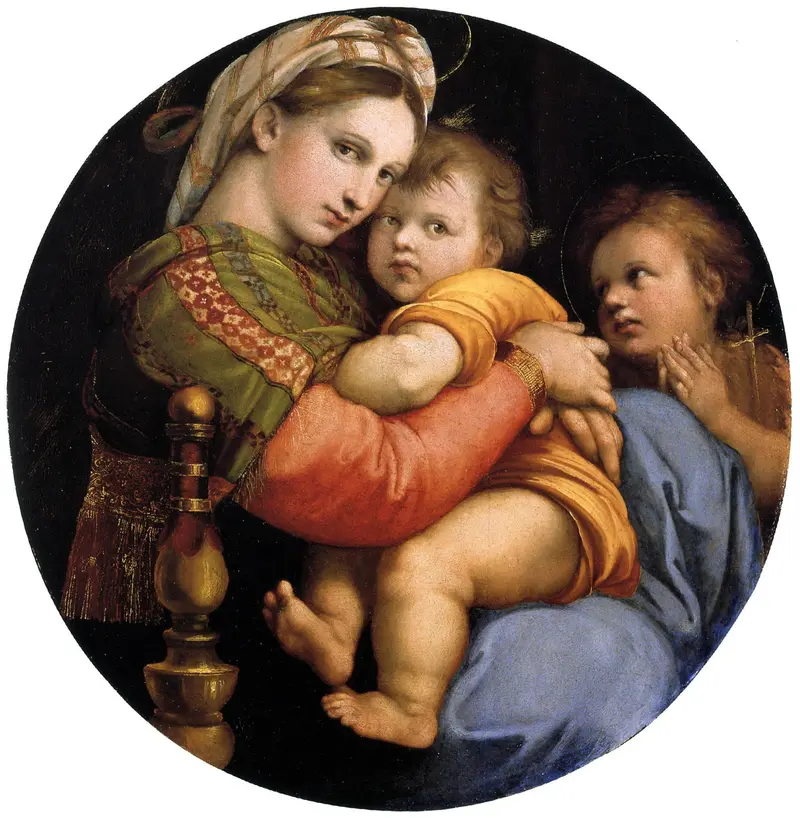
Madonna and Child (Madonna della Seggiola)
Raphael
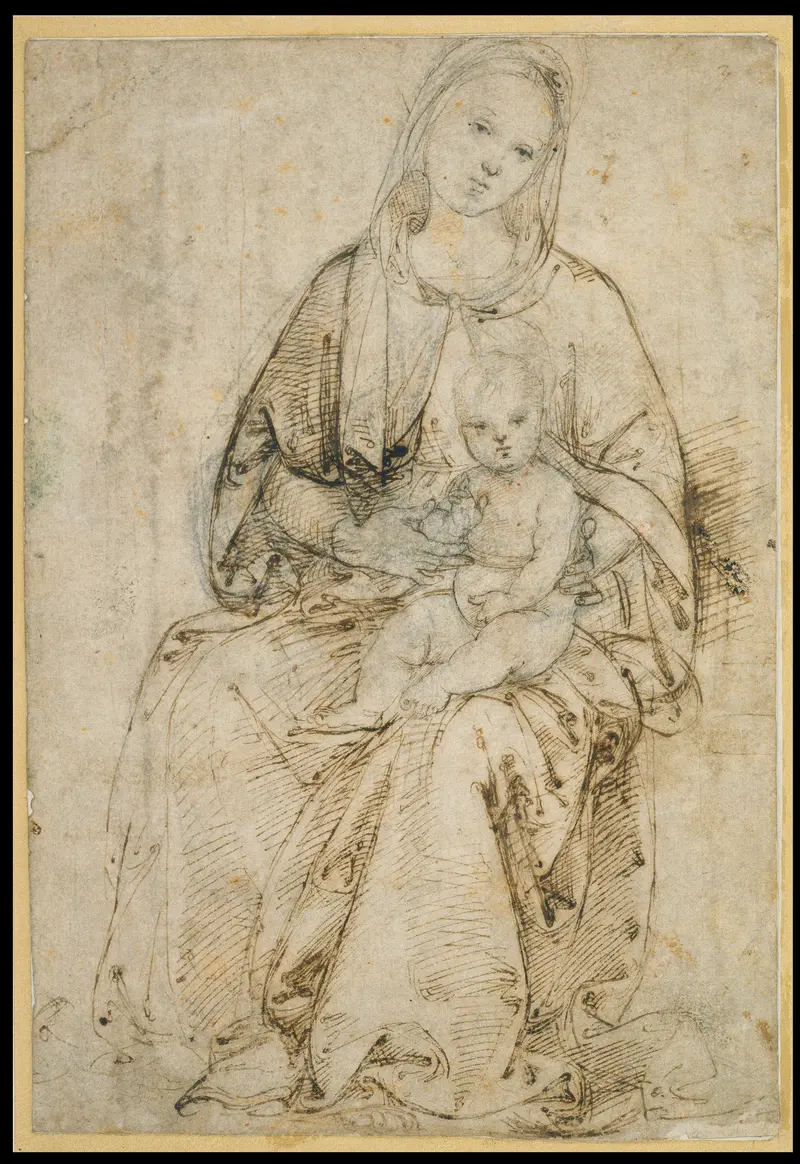
Seated Madonna and Child
Raphael
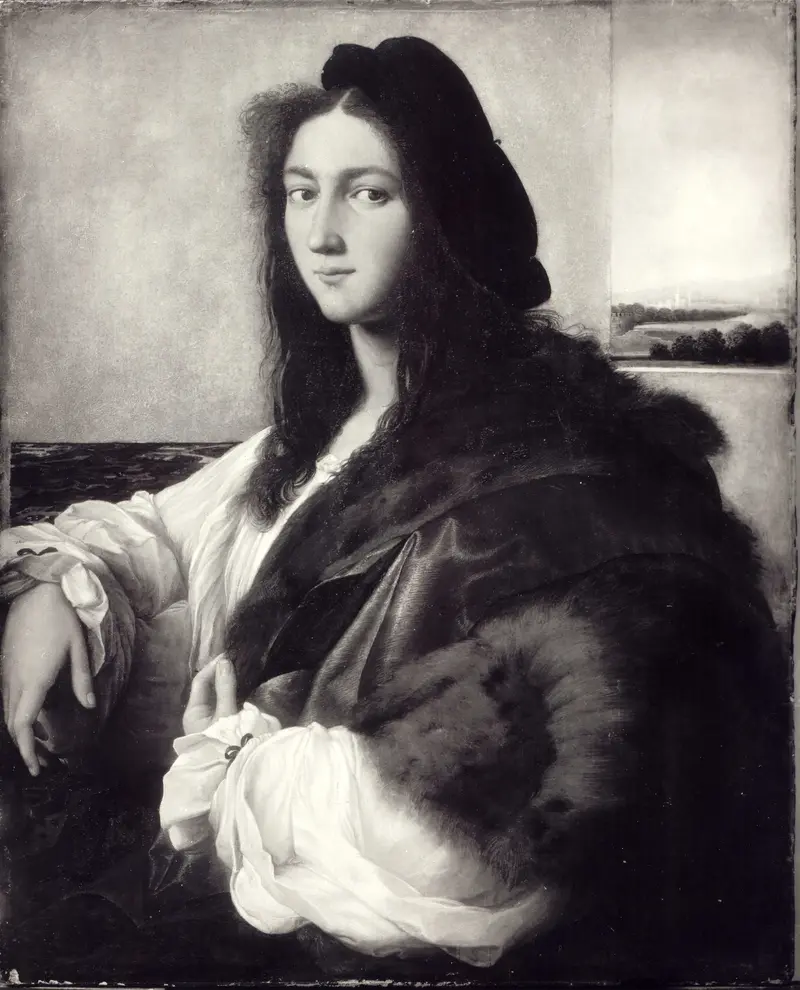
Portrait of a Young Man
Raphael
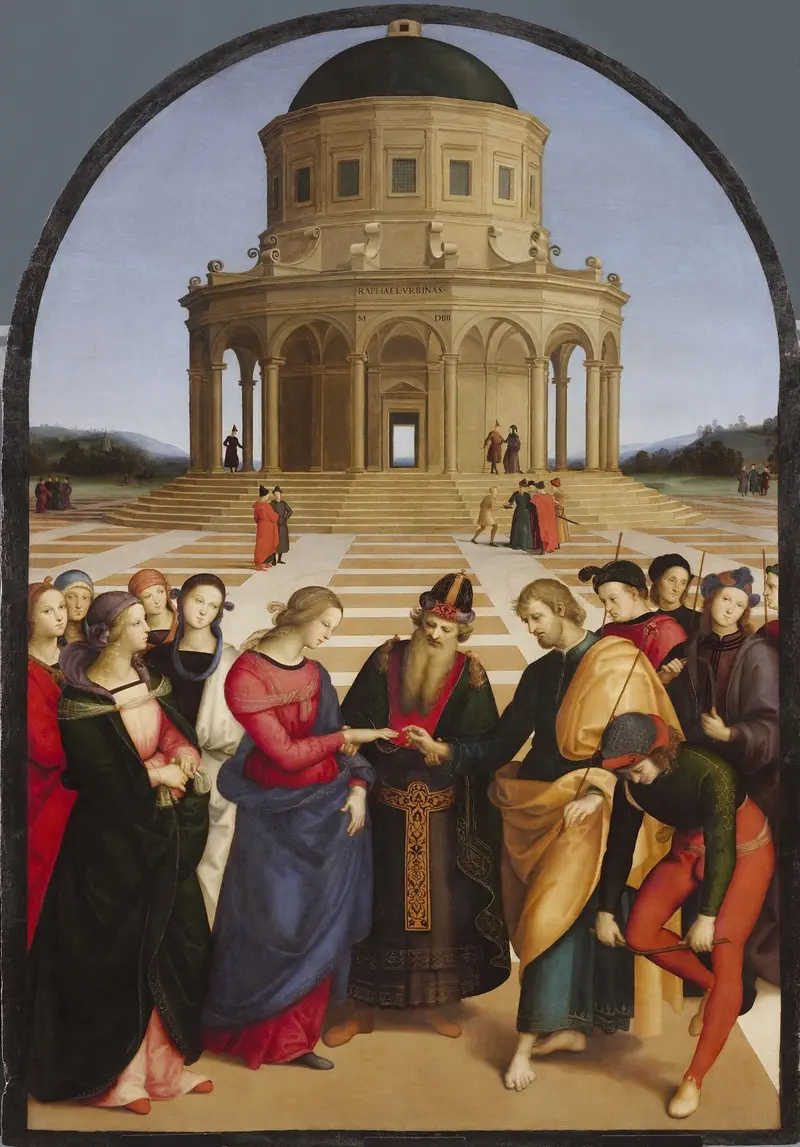
The Marriage of the Virgin
Raphael
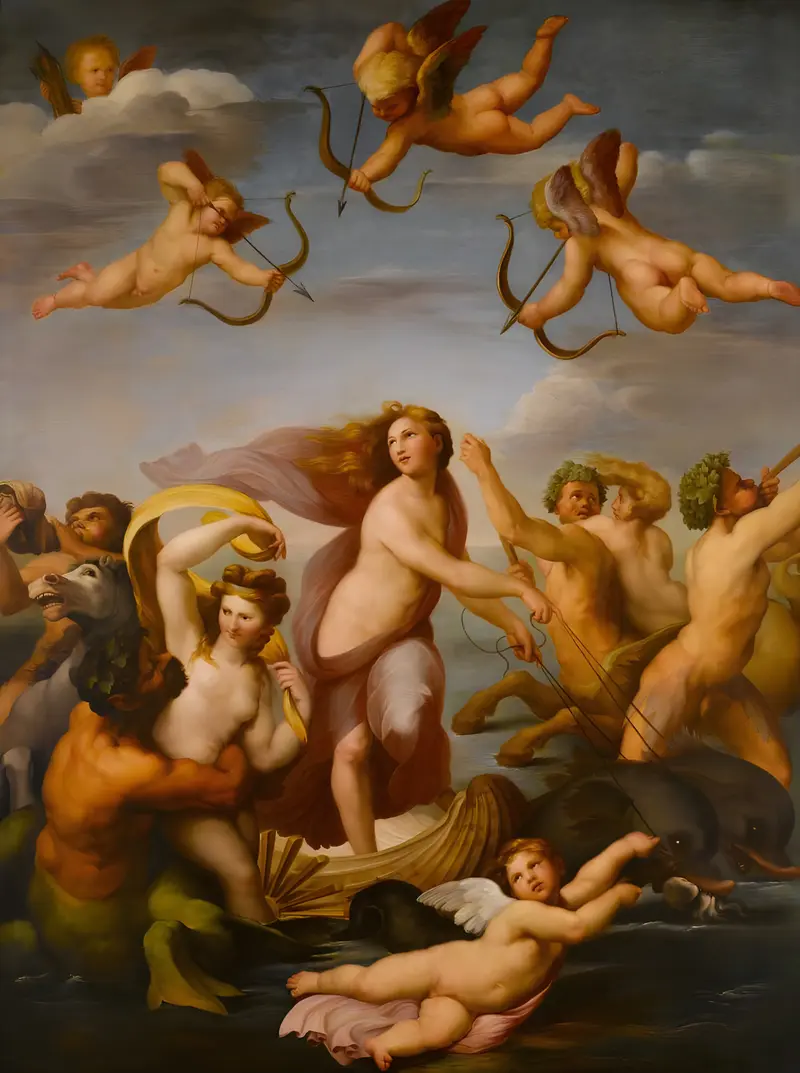
The Triumph of Galatea (copy after Raphael)
Raphael
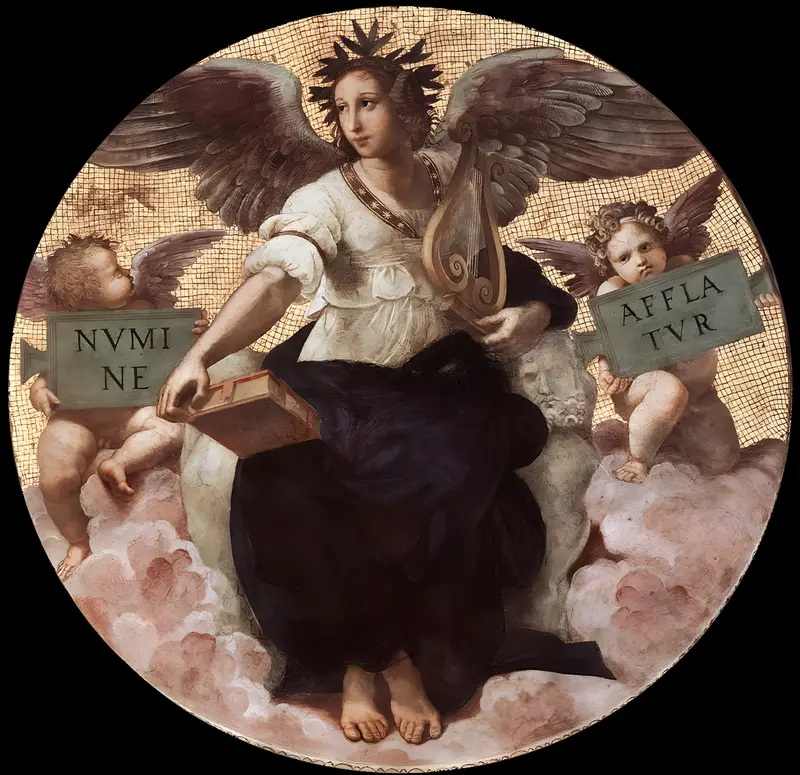
Poetry
Raphael
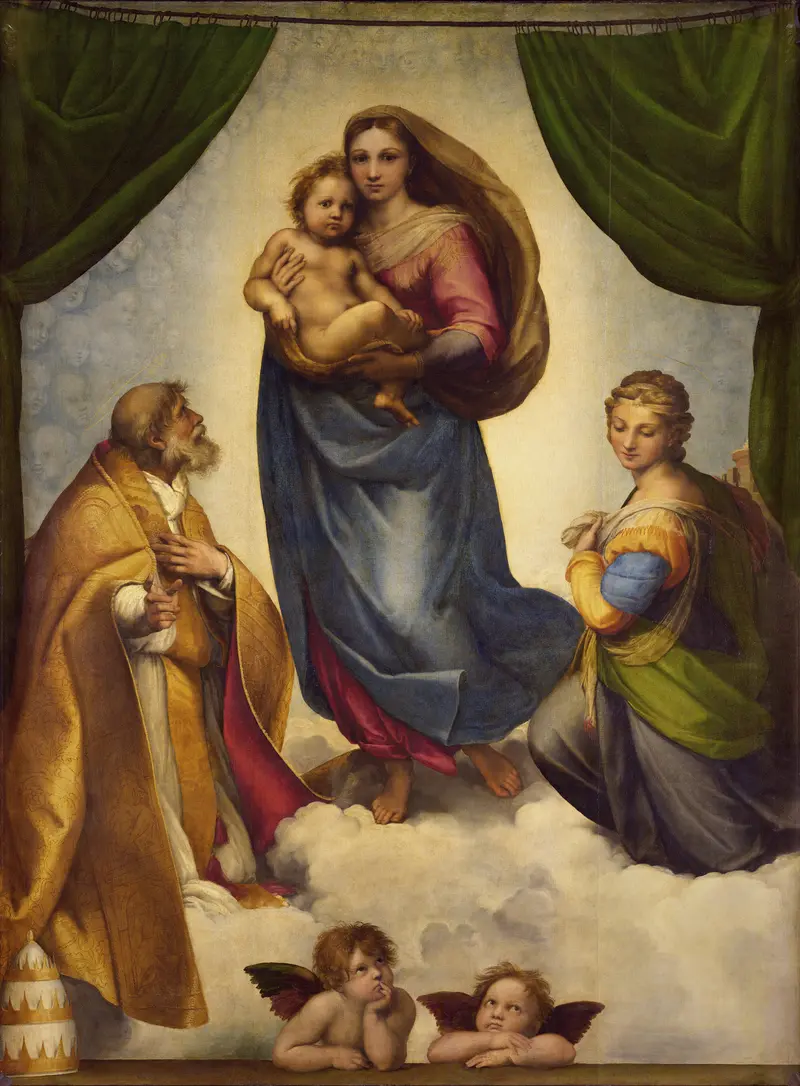
Sistine Madonna
Raphael
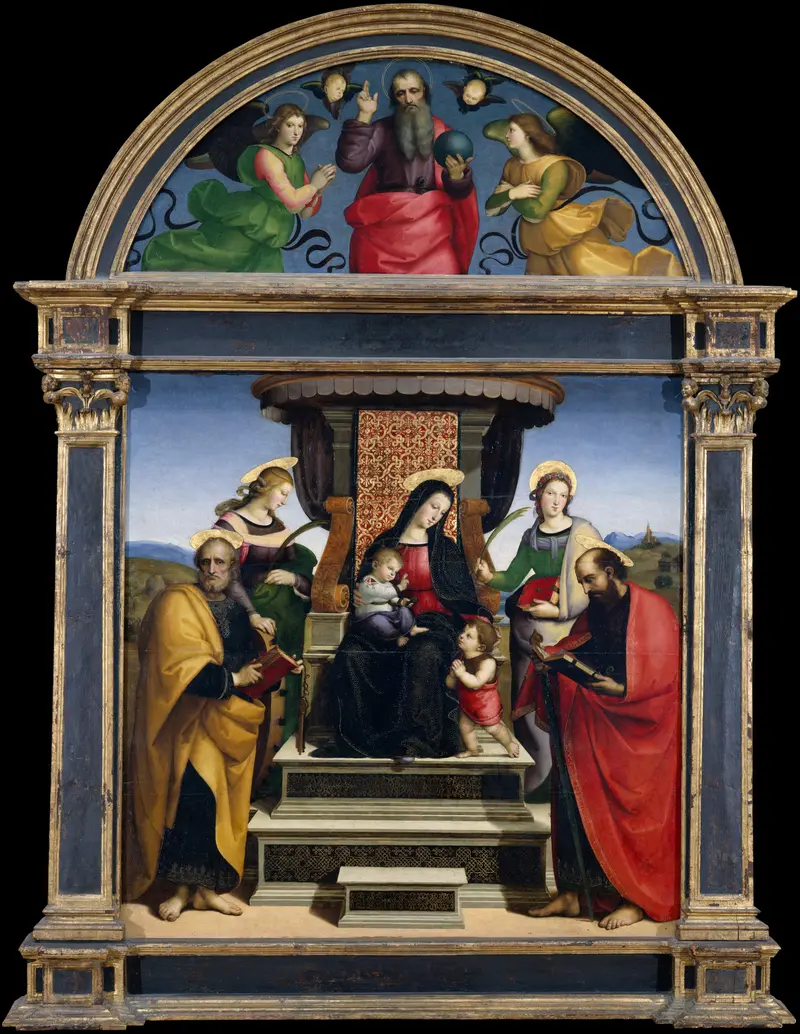
Madonna and Child Enthroned with Saints
Raphael




