
Saint Jadwiga among the Poor — History & Facts
When Jan Matejko completed Saint Jadwiga among the Poor in 1855, he was just seventeen years old, yet the work already hinted at the historical ambition that would define his later career. The painting draws on the life of Jadwiga of Poland, canonized centuries later, and was created during a period of rising Polish national sentiment under foreign rule. Its early exhibition in Kraków reportedly drew attention for the young artist’s ability to fuse national history with intimate human drama, setting him apart from his academic peers. At the heart of the scene is Queen Jadwiga, pausing in her regal walk to kneel among a group of peasants and beggars.
Matejko captures the moment when, legend holds, Jadwiga removed her own golden slippers to give to a barefoot child, an act of humility and charity that endeared her to the people. The queen’s delicate hand, extended with a shoe, contrasts with the rough, outstretched hands of the poor, while the soft light isolates her face in a gentle halo, underscoring her sanctity. The composition’s crowded, almost theatrical arrangement recalls the narrative density of Rembrandt’s biblical scenes, yet Matejko’s figures are distinctly Polish in costume and setting, rooting the story in his homeland. The painting’s early history is not fully documented, though it is believed to have been kept in private collections in Kraków before entering public view.
Scholars note that while the medium remains uncertain, the work’s detailed finish and careful modeling are characteristic of Matejko’s student period, before his later monumental canvases. Today, Saint Jadwiga among the Poor is valued as a rare glimpse into the formative years of Poland’s most celebrated history painter, and as an early testament to his lifelong dedication to national subjects.
More Artworks by Jan Matejko
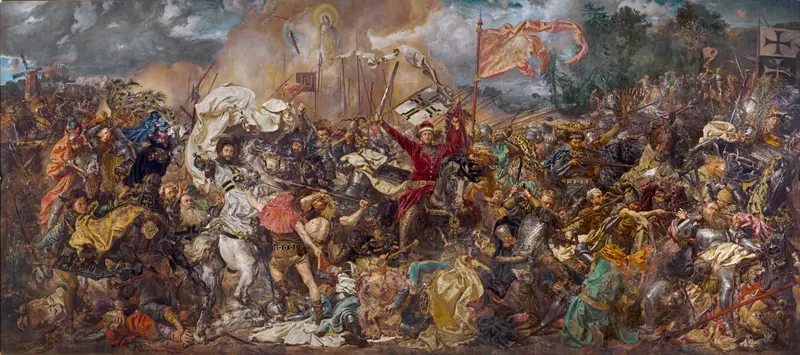
Battle of Grunwald
Jan Matejko

Stańczyk
Jan Matejko

Battle of Raclawice
Jan Matejko
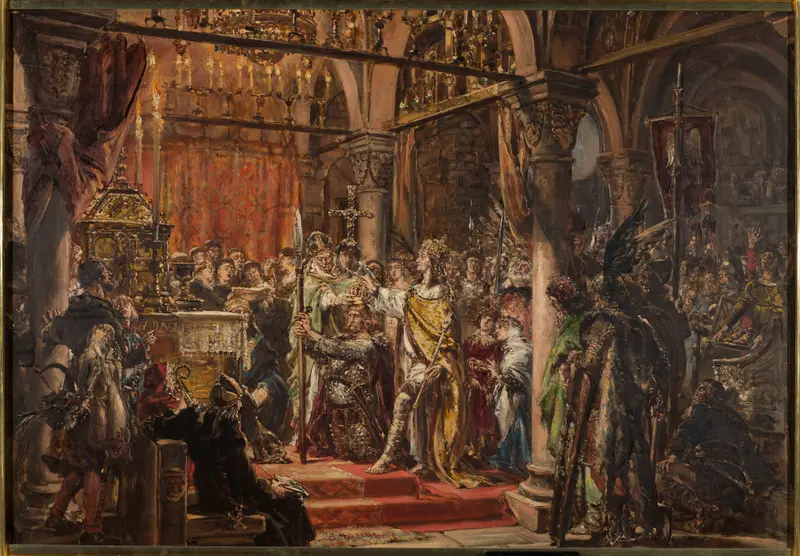
Coronation of the First King, 1001 AD, from the series “History of Civilization in Poland”
Jan Matejko
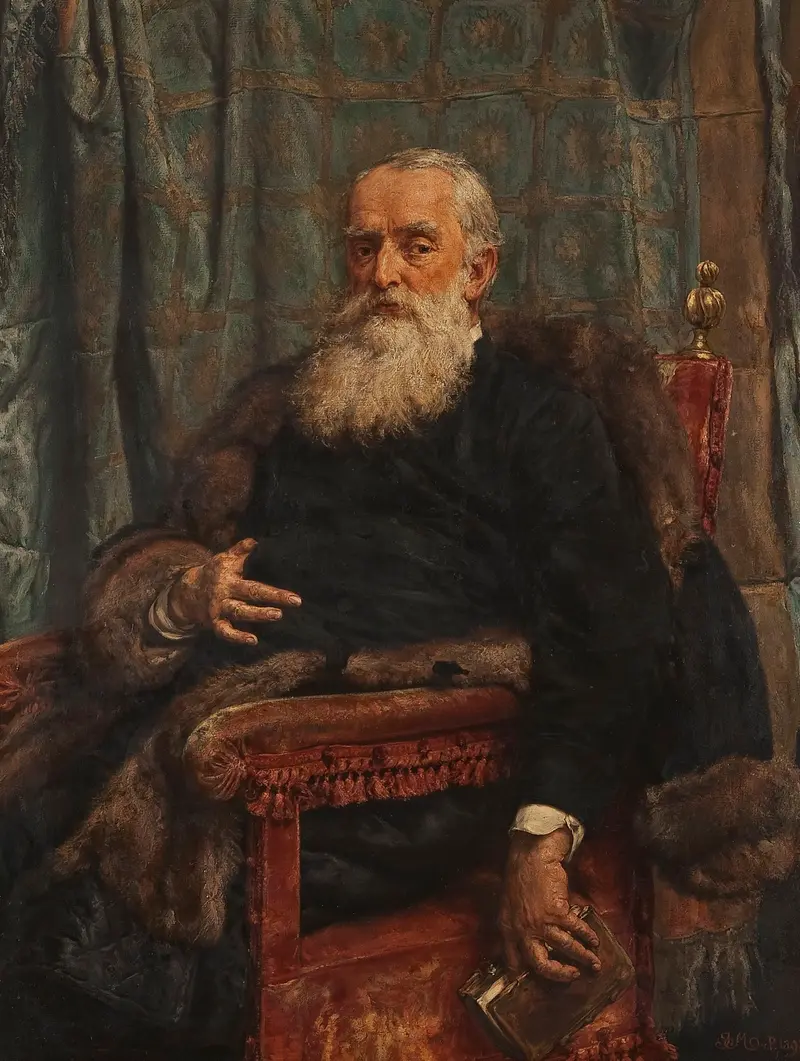
Portrait of Henryk Krajewski
Jan Matejko
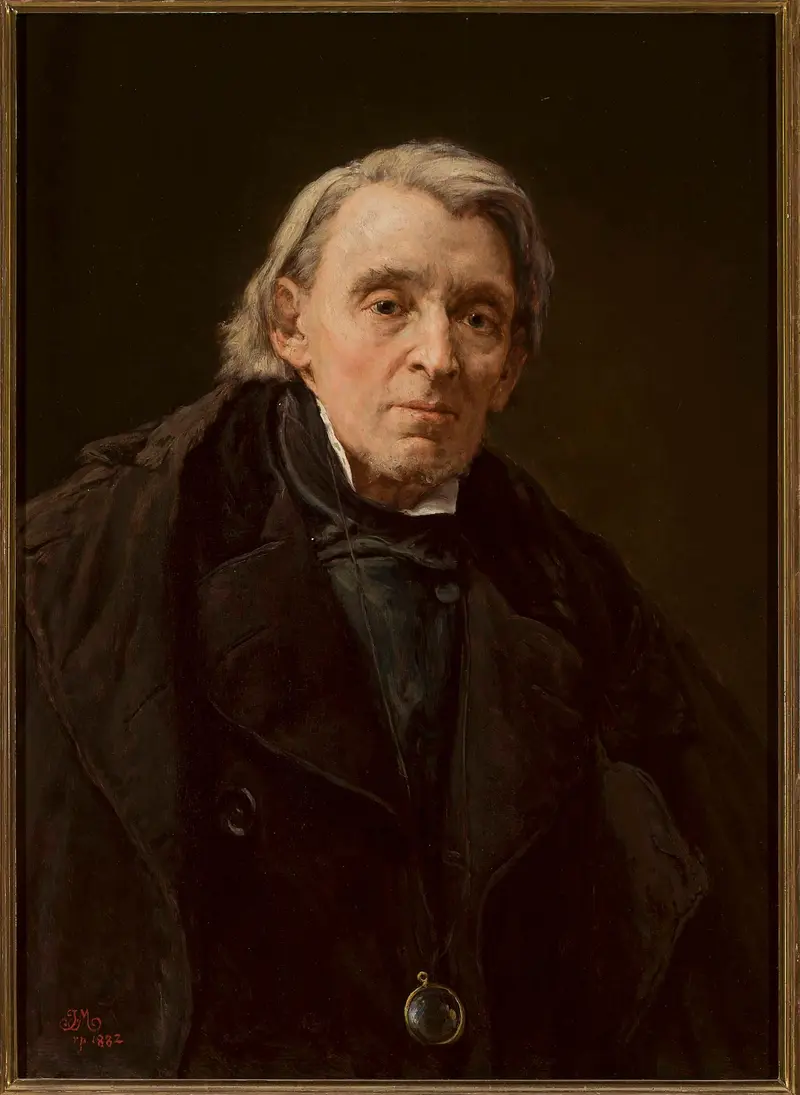
Portrait of Karol Podlewski
Jan Matejko
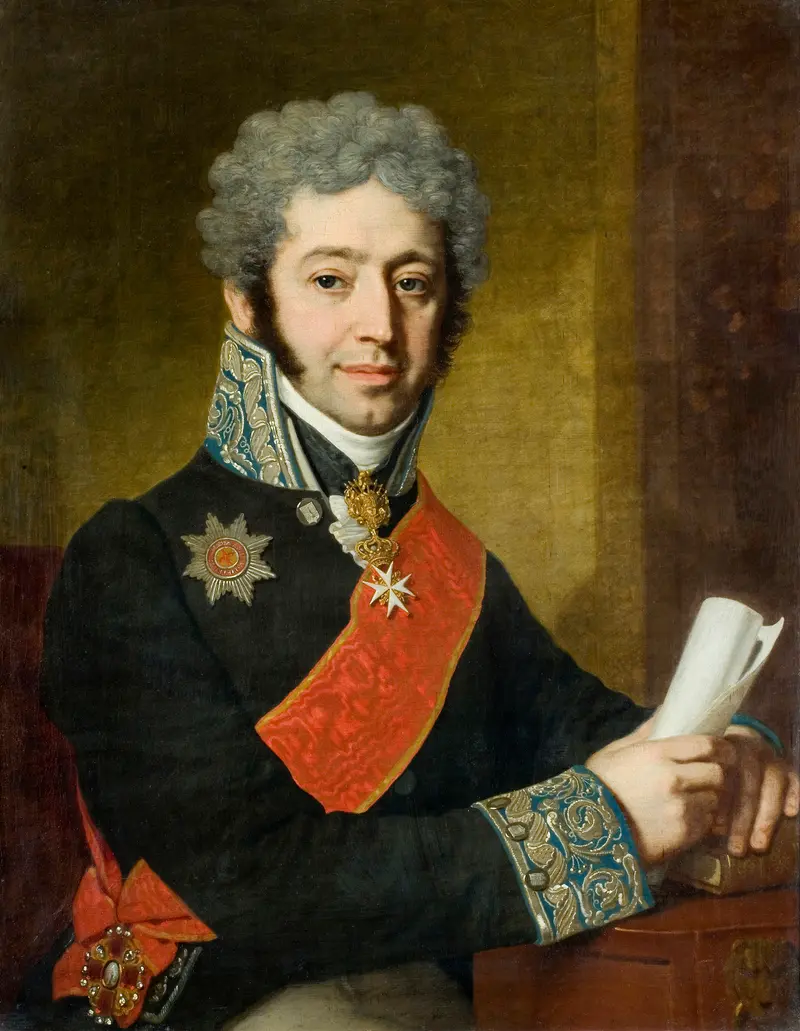
Portrait of Potocki and Poninski
Jan Matejko
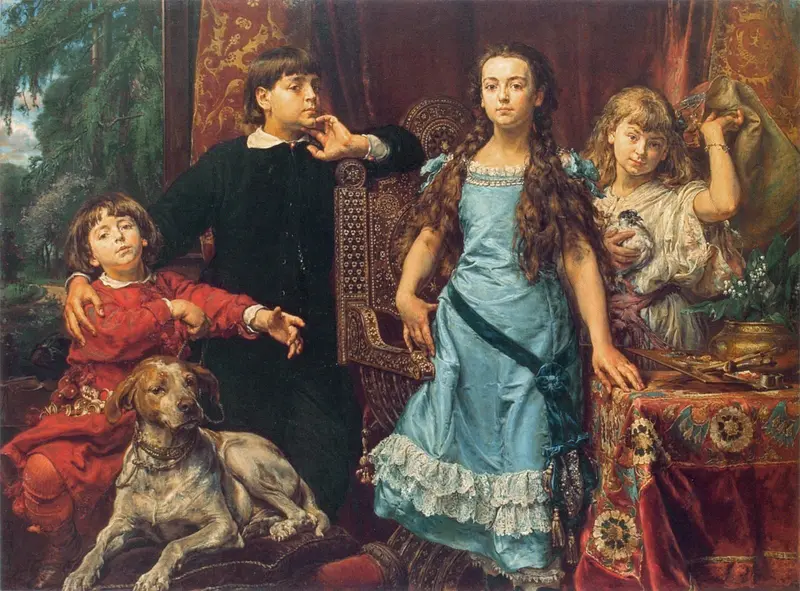
Portrait of the artist's four children
Jan Matejko
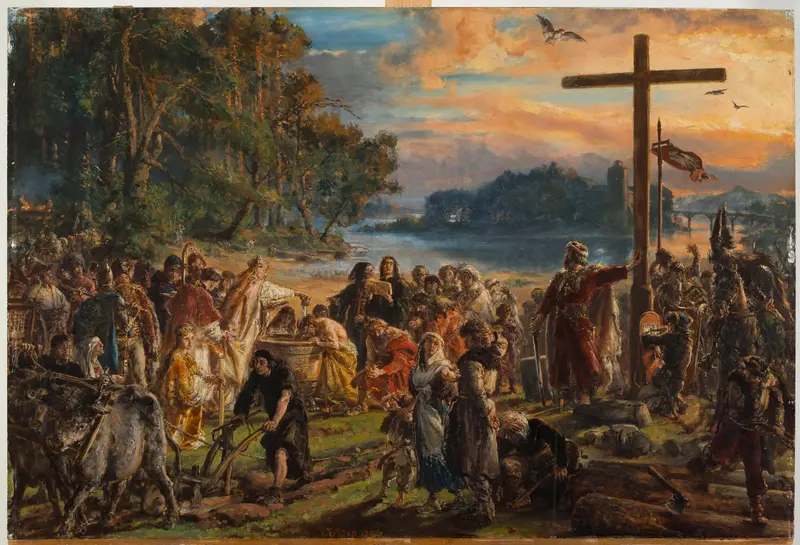
Introduction of Christianity in Poland
Jan Matejko
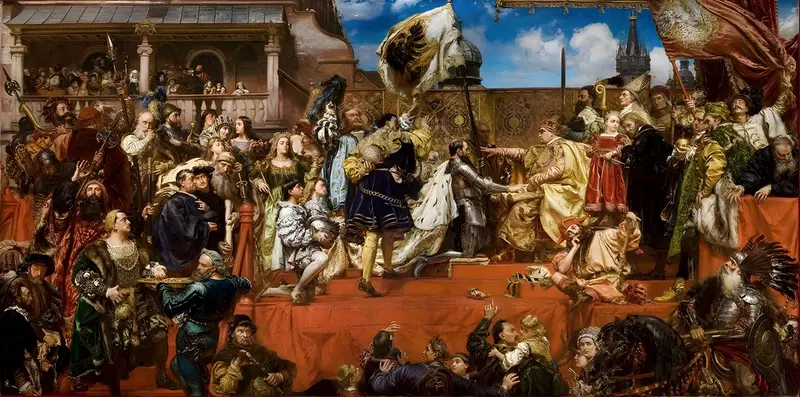
Prussian Homage
Jan Matejko





