
Saint Sebastian tended by Saint Irene — History & Facts
Few subjects in seventeenth-century art were as rarely painted as the moment after Saint Sebastian’s martyrdom, when Saint Irene arrives to save him. Yet in 1630, Artemisia Gentileschi—one of the few celebrated women painters of the Baroque—chose this unusual episode for her canvas. The story had gripped Catholic Europe since the Counter-Reformation, but most artists, from Andrea Mantegna to Guido Reni, focused on Sebastian’s suffering, not his rescue.
Artemisia’s version stands out not only for its focus on female compassion but also because it is one of several treatments she made of the subject, each with subtle differences. Scholars still debate how many versions she painted and for which patrons. The scene unfolds in the dim aftermath of violence: Sebastian, once a Roman soldier, lies wounded and bound to a tree, his body pierced by arrows. Instead of angels or executioners, it is Irene—her face intent, her hands gentle—who dominates the composition.
She leans over Sebastian, removing arrows and tending his wounds, her gesture a quiet act of courage and care. The interplay of light and shadow, hallmarks of Baroque drama, isolates the two figures against a dark background, drawing the eye to Irene’s steady resolve and Sebastian’s exhausted vulnerability. Unlike Caravaggio’s martyrs, Artemisia’s Sebastian is not a passive victim; the painting’s focus on the healer transforms the martyrdom into a scene of hope and solidarity. The precise journey of this painting remains partly shrouded: its earliest provenance is uncertain, and the original patron is not recorded, though Artemisia was active in Naples at the time and often worked for local aristocrats and religious orders.
Over the centuries, versions of Saint Sebastian tended by Saint Irene have appeared in collections across Europe, sometimes misattributed or confused with copies by her followers. Today, this work is celebrated as a rare example of Artemisia’s mature religious painting, reflecting both her technical command and her distinct perspective on stories of suffering and survival. Its survival and recognition mark an important chapter in the rediscovery of Artemisia Gentileschi as a leading figure of the Italian Baroque.
More Artworks by Artemisia Gentileschi

Judith Beheading Holofernes
Artemisia Gentileschi
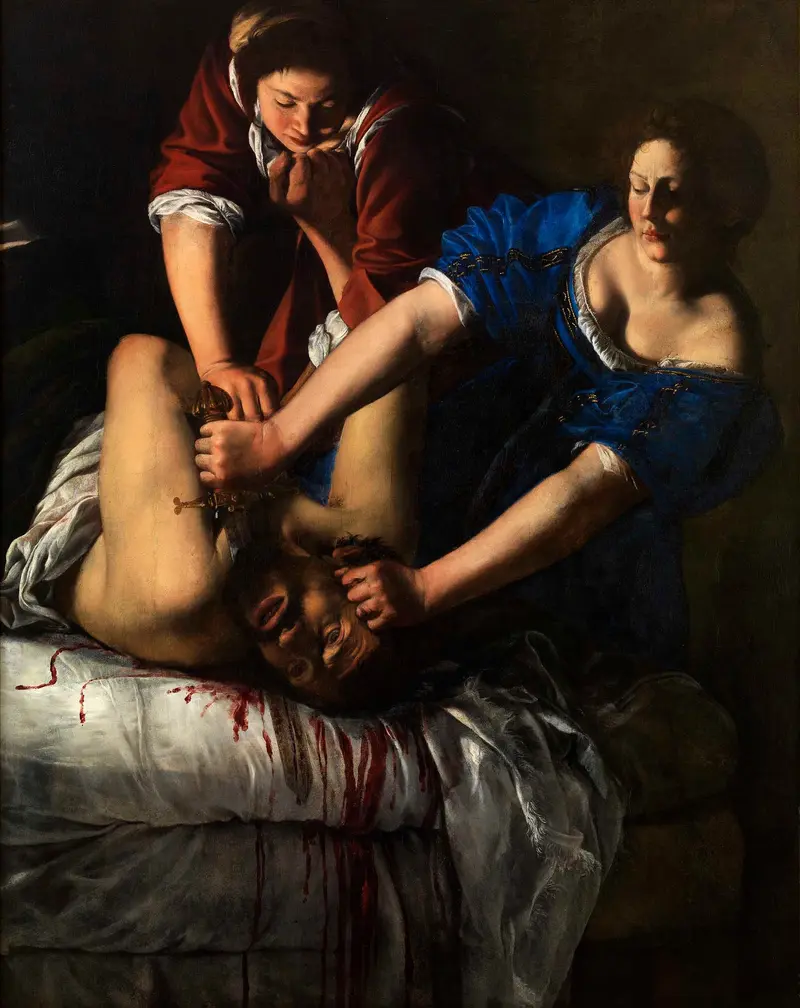
Judith Slaying Holofernes
Artemisia Gentileschi
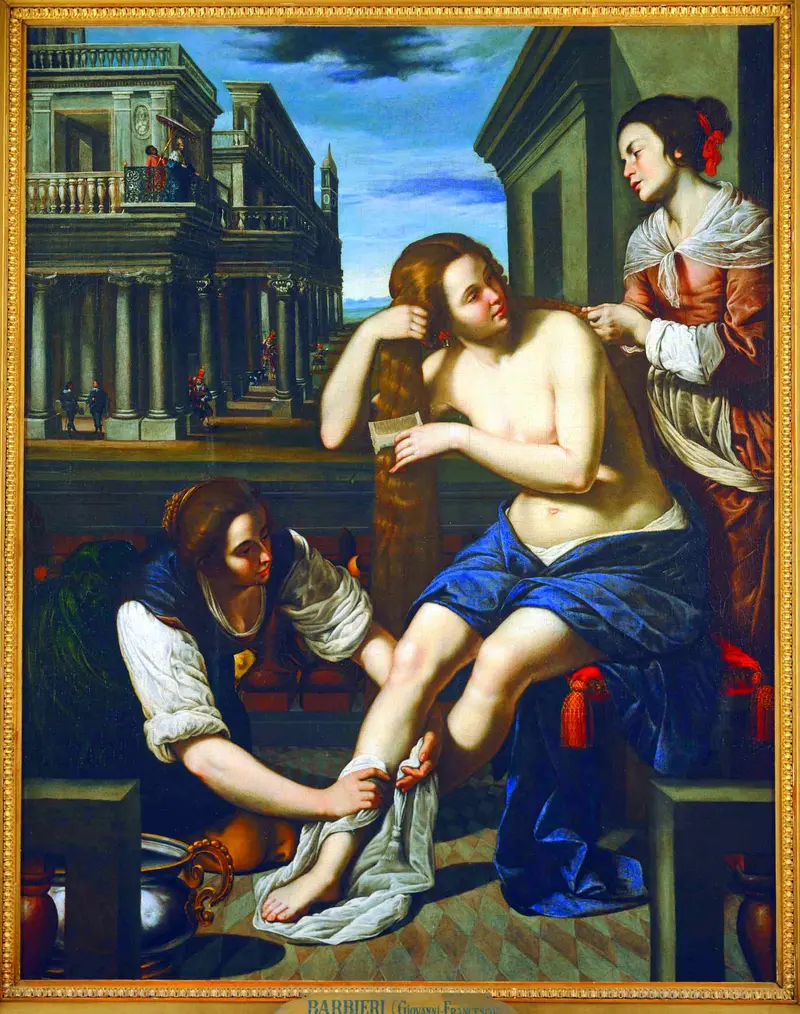
Bathsheba at Her Bath
Artemisia Gentileschi
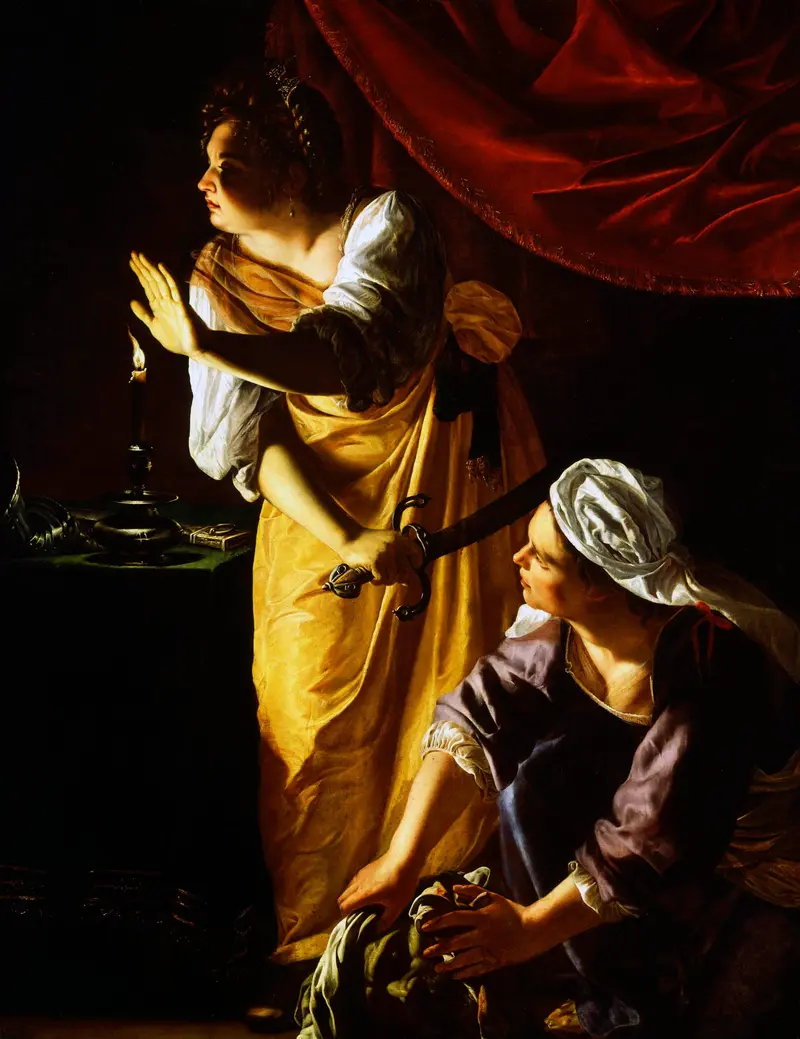
Judith and Maidservant with Head of Holofernes
Artemisia Gentileschi
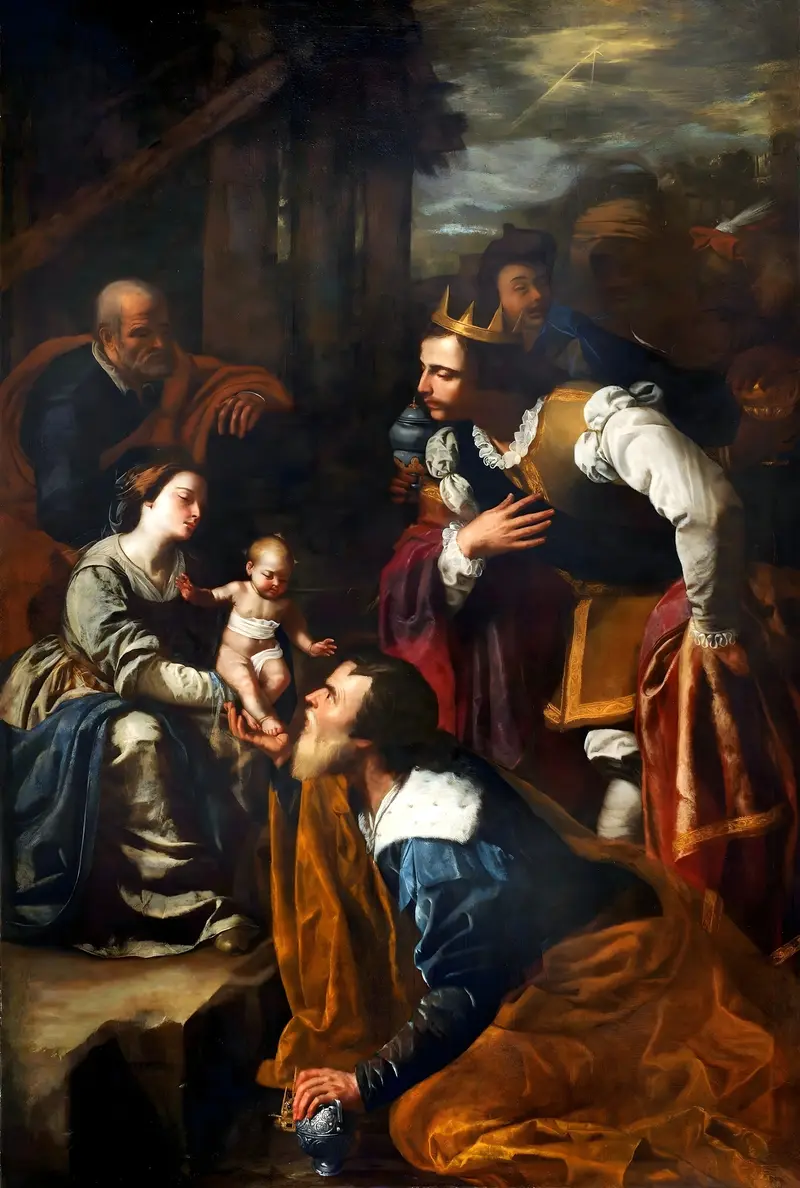
Adoration of the Magi
Artemisia Gentileschi
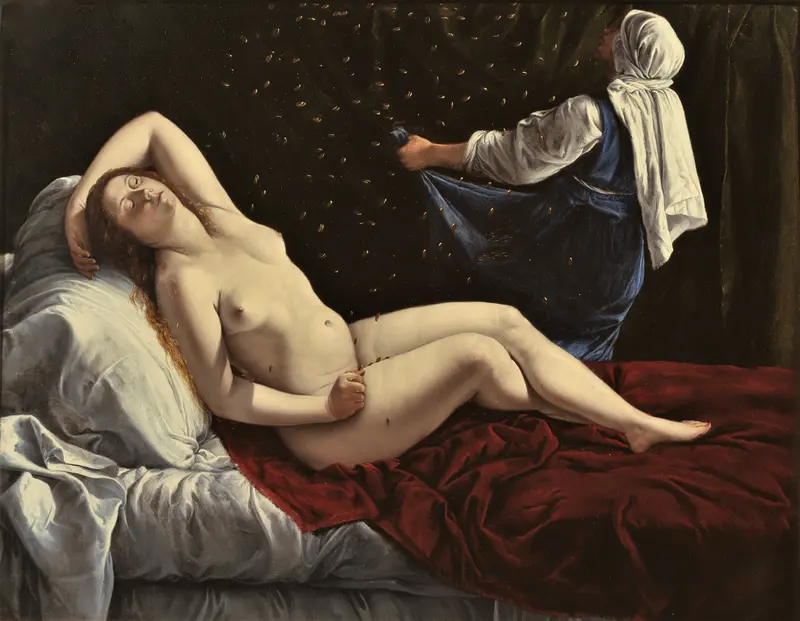
Danaë
Artemisia Gentileschi
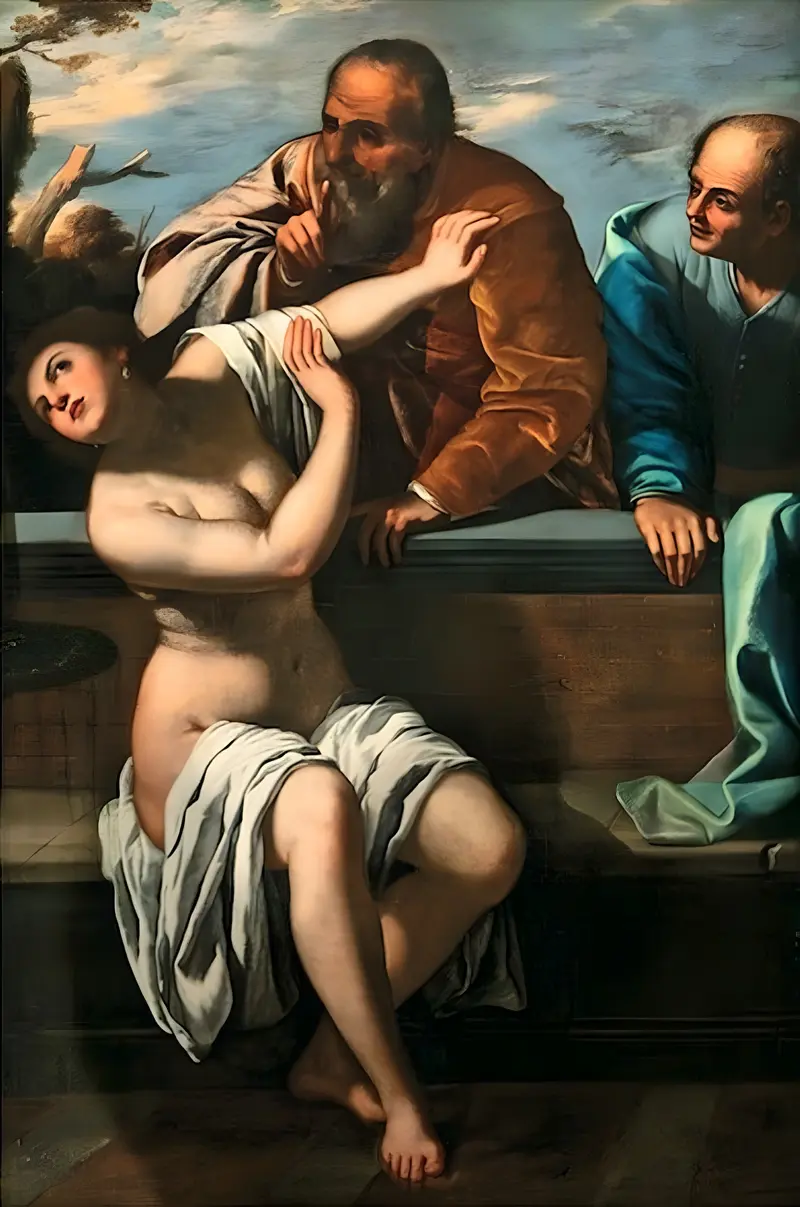
Susannah and the Elders
Artemisia Gentileschi

Judith and her Servant with the Head of Holofernes
Artemisia Gentileschi
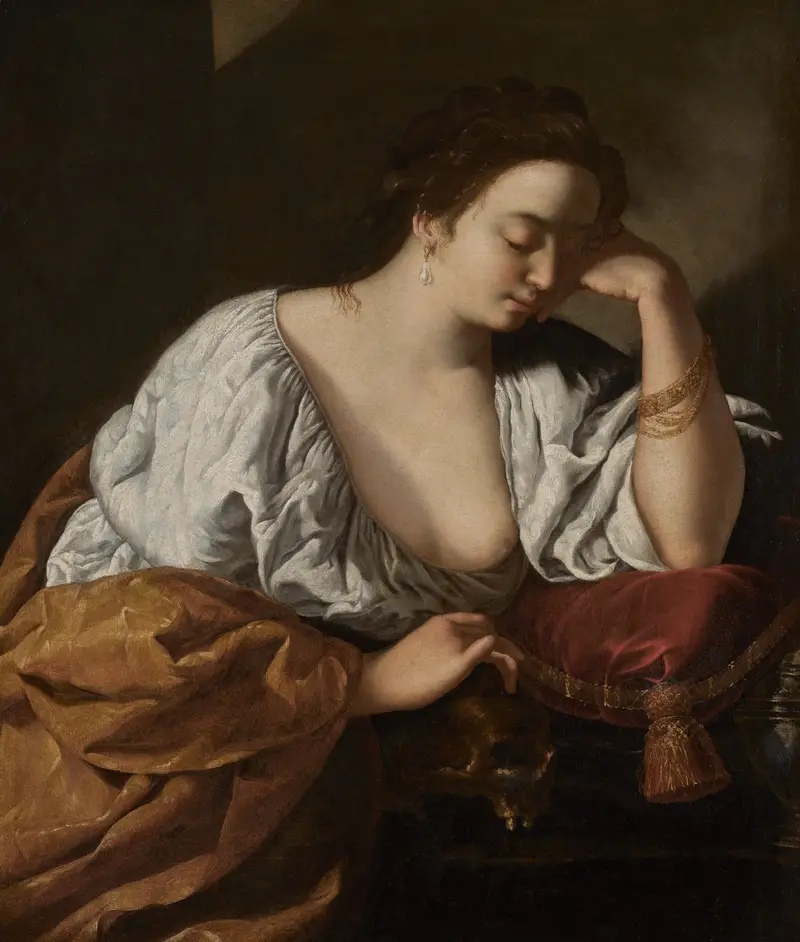
Madeleine pénitente, par
Artemisia Gentileschi
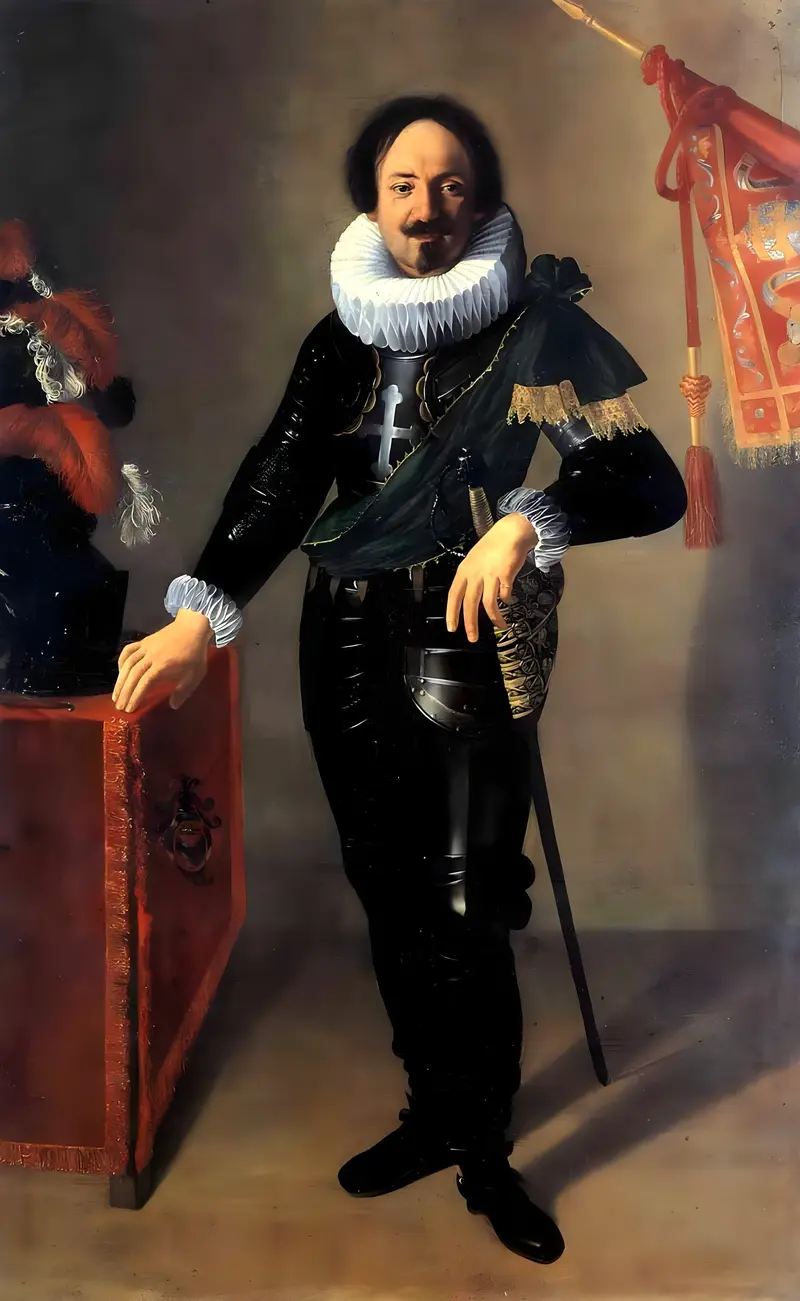
Portrait of a Gonfaloniere
Artemisia Gentileschi





