
Salome with the Head of Saint John the Baptist — History & Facts
Few paintings by Artemisia Gentileschi have sparked as much discussion as her Salome with the Head of Saint John the Baptist, painted around 1615. The subject was a favorite among Baroque artists, but Artemisia’s version stands out for its intense psychological charge and the commanding presence of its female figures. Scholars have long debated whether the work reflects Artemisia’s personal history—especially her experiences as a woman in a male-dominated world—though no direct evidence links her biography to this particular subject.
What is certain is that this painting is one of several versions she created of Salome, each time reimagining the infamous biblical scene with new emotional depth. At the heart of the painting is the chilling moment after Salome has received the severed head of John the Baptist, a story recounted in the Gospels. Salome, aided by her maid, holds the platter with a calm, almost resigned expression, while the executioner stands nearby, his task complete. The sharp contrast of light and shadow, a hallmark of the Baroque movement, draws the viewer’s eye to Salome’s face and the grisly trophy she carries.
Artemisia’s Salome is neither triumphant nor remorseful; instead, she is enigmatic, her gaze averted from the viewer. Unlike Caravaggio’s version, in which Salome appears squeamish and detached, Artemisia’s heroine is composed, her strength quietly asserted through posture and gesture. The exact early history of this painting remains unclear, as records of its original patron or commission have not survived. Over the centuries, Salome with the Head of Saint John the Baptist has passed through various private collections, sometimes misattributed to male contemporaries due to prevailing biases against women artists.
Only in the 20th century did scholars firmly re-establish Artemisia’s authorship, recognizing her distinctive style and approach. Today, the painting stands as a testament to her skill and vision, emblematic of her broader contribution to the Baroque movement and the ongoing reassessment of women’s roles in art history.
More Artworks by Artemisia Gentileschi

Judith Beheading Holofernes
Artemisia Gentileschi
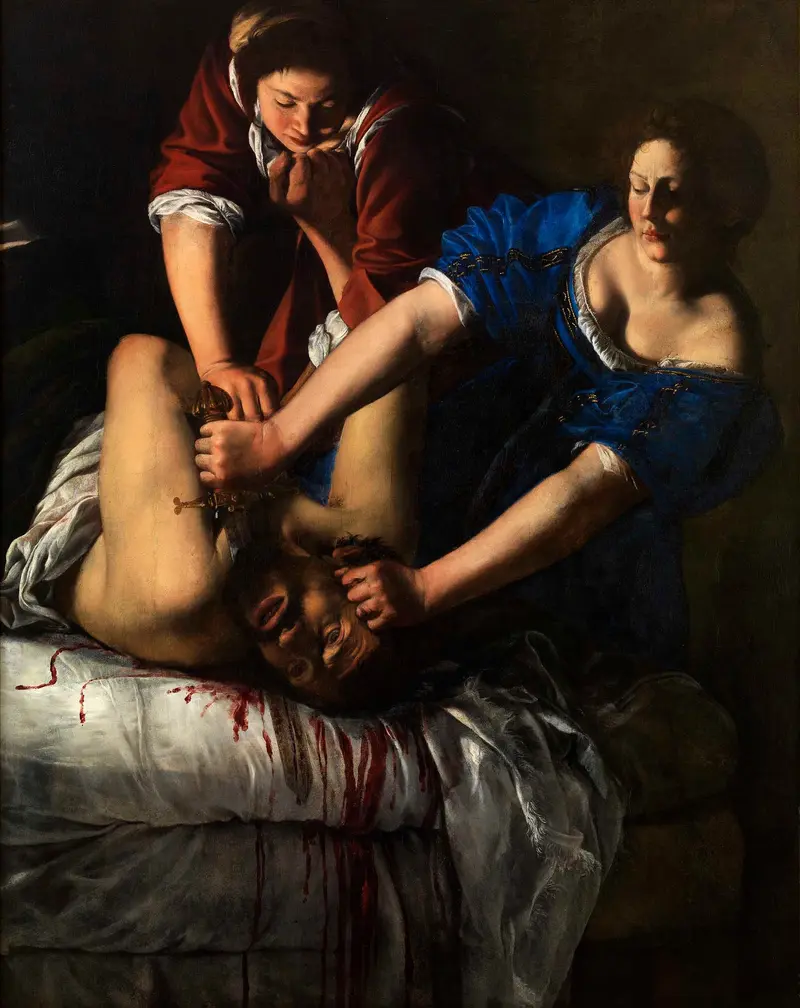
Judith Slaying Holofernes
Artemisia Gentileschi
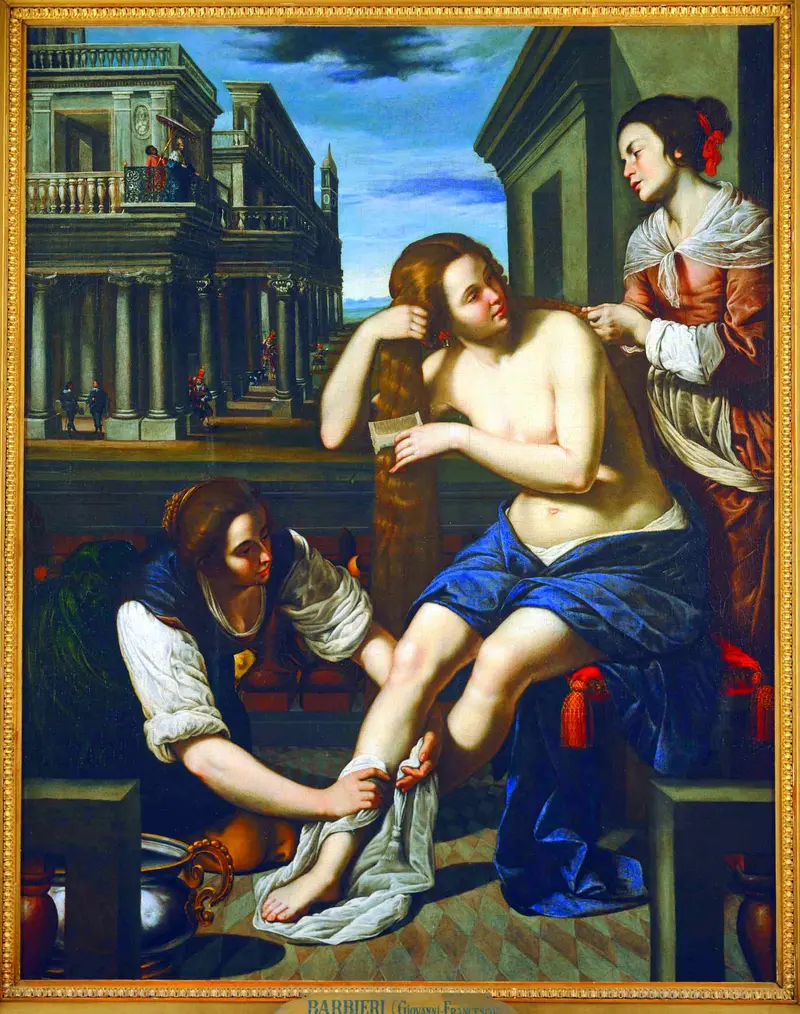
Bathsheba at Her Bath
Artemisia Gentileschi
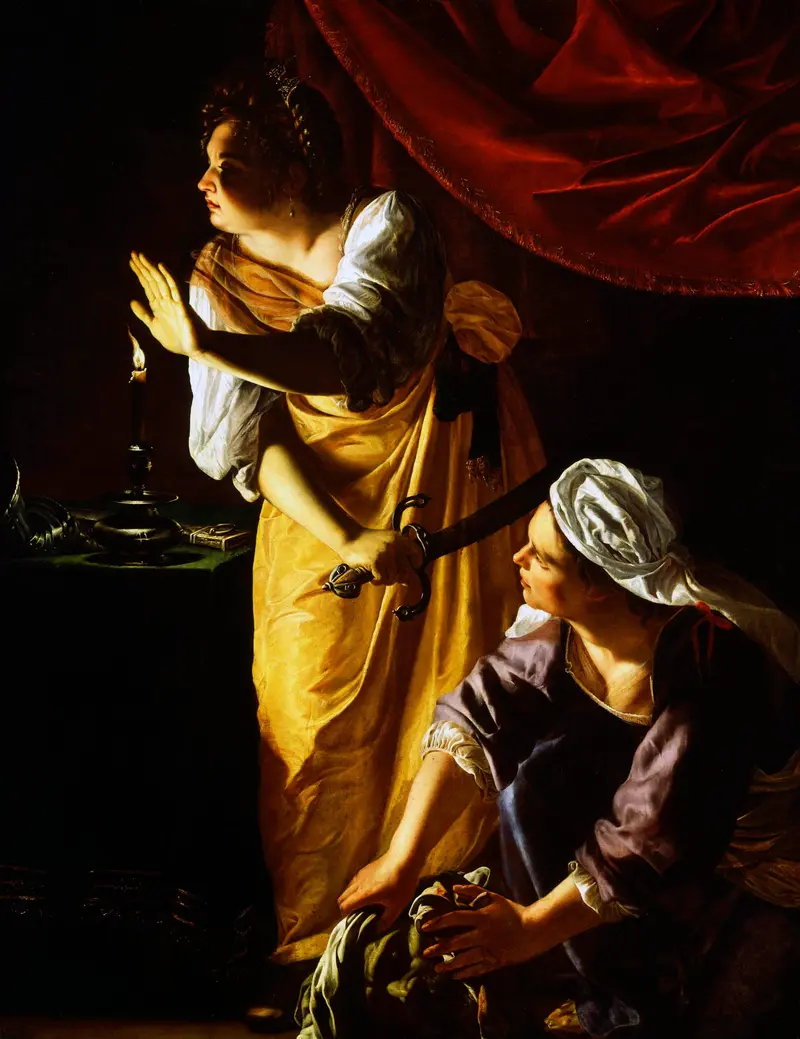
Judith and Maidservant with Head of Holofernes
Artemisia Gentileschi
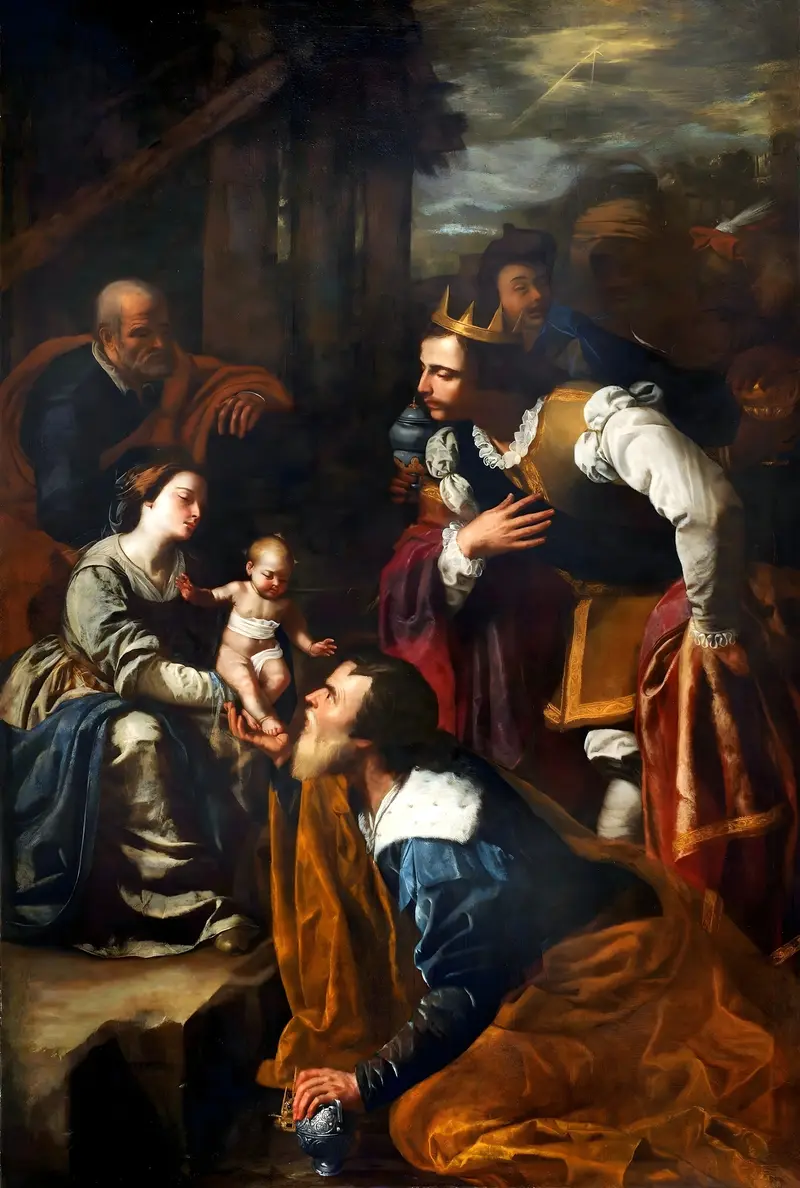
Adoration of the Magi
Artemisia Gentileschi
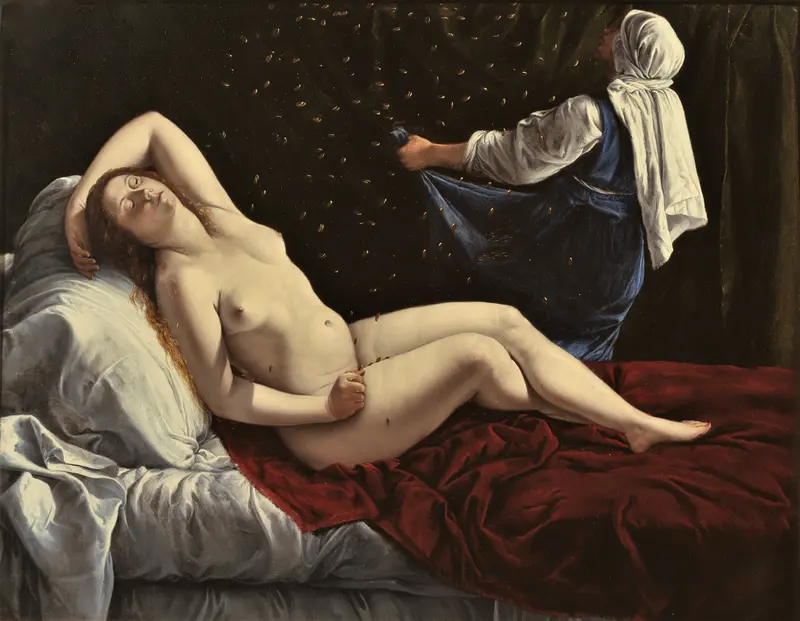
Danaë
Artemisia Gentileschi
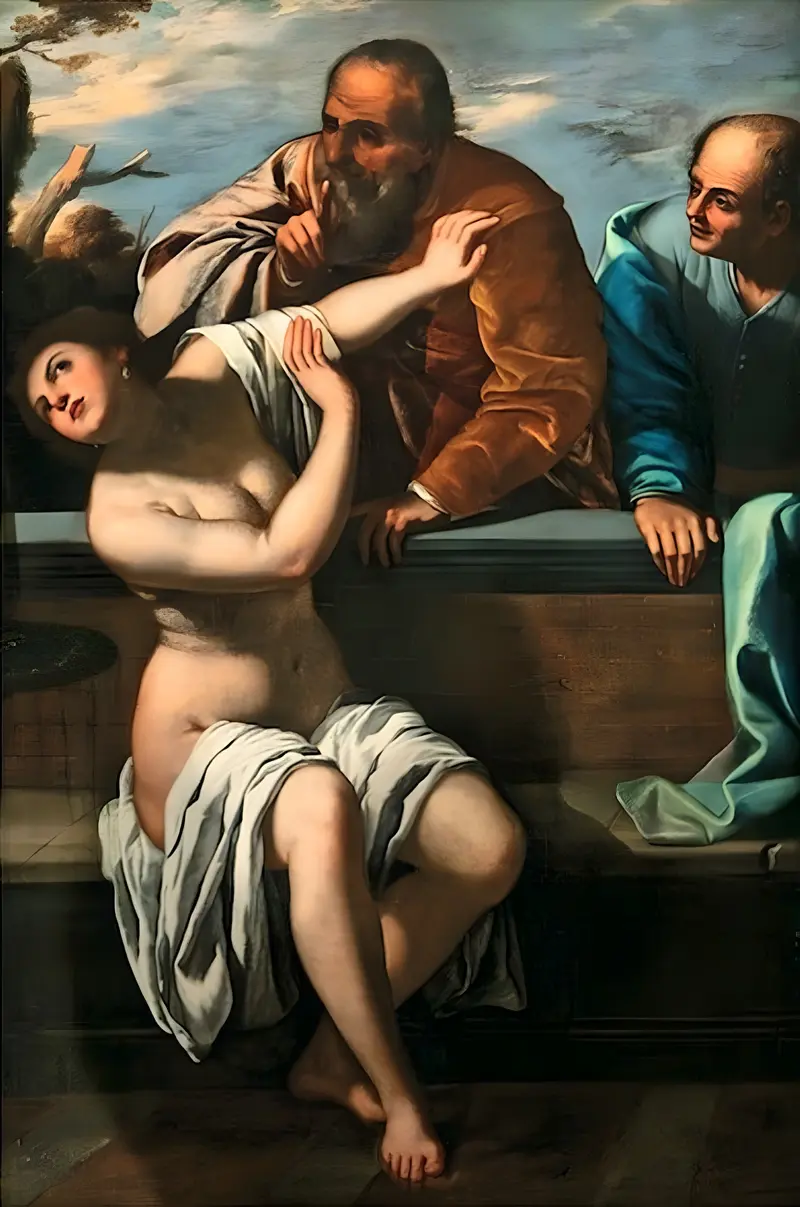
Susannah and the Elders
Artemisia Gentileschi

Judith and her Servant with the Head of Holofernes
Artemisia Gentileschi
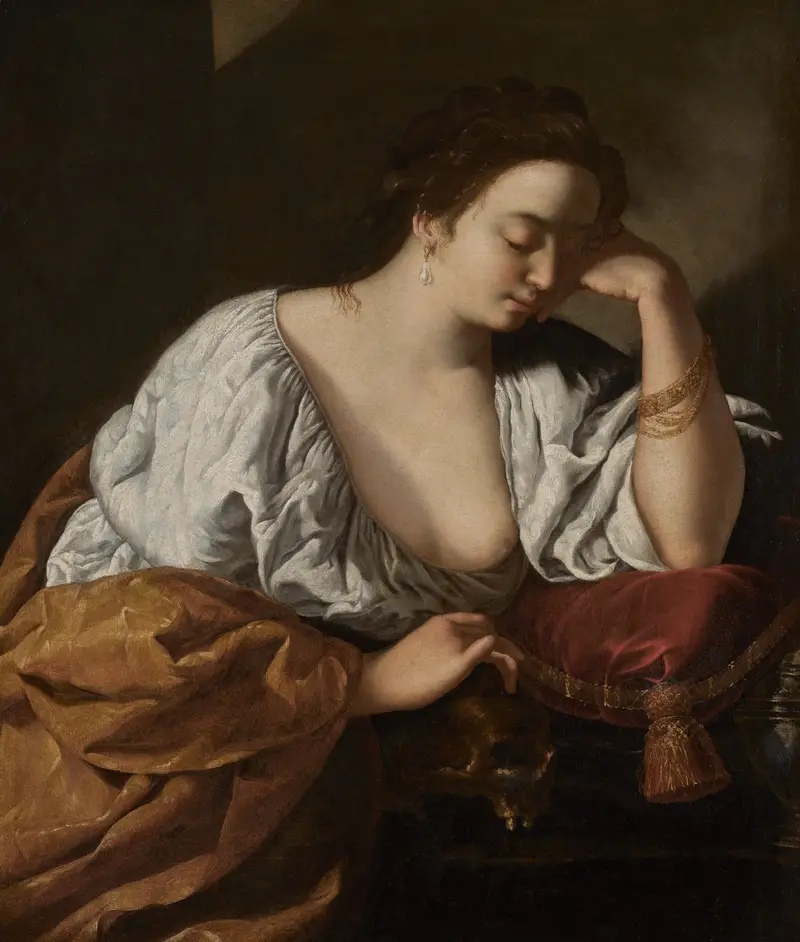
Madeleine pénitente, par
Artemisia Gentileschi
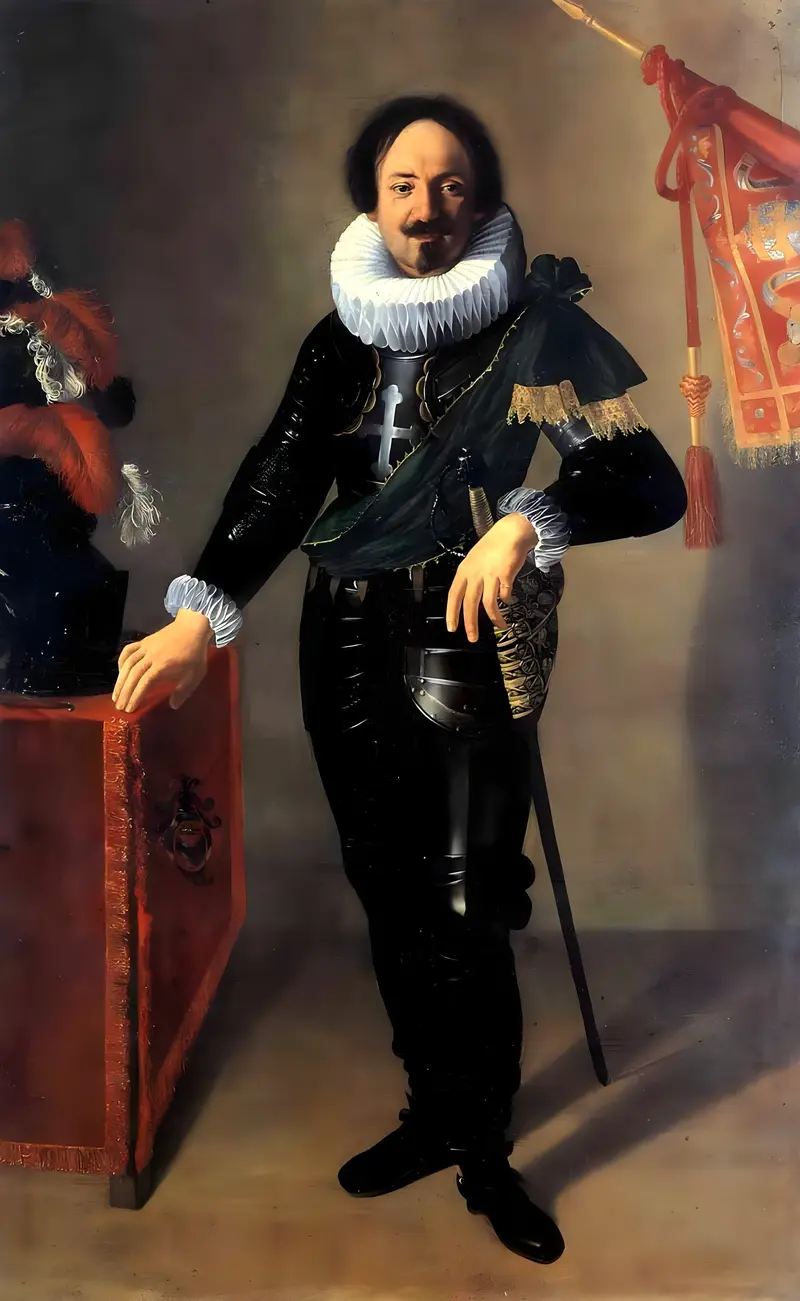
Portrait of a Gonfaloniere
Artemisia Gentileschi





