
Scenes in and around the Capital — History & Facts
Scenes in and around the Capital is a pair of six-panel folding screens from the 17th century, attributed to an unknown artist. The screens are executed in ink, color, gold, and gold leaf on paper, and depict an expansive panoramic view of an urban landscape interspersed with rivers, bridges, temples, and residential areas. The composition is densely populated with figures engaged in various activities, suggesting the depiction of a bustling city, likely Kyoto, during the early Edo period. The screens are characterized by their intricate detail and use of gold leaf to delineate clouds, which separate different scenes and structures across the panels.
Architectural elements such as pagodas, temple complexes, and bridges are rendered with careful attention to perspective and spatial arrangement. The figures are shown in a variety of poses and groupings, participating in daily life, religious observances, and festivities, while the landscape is punctuated by green hills and waterways, creating a sense of depth and movement throughout the composition. Folding screens of this type, known as rakuchū rakugai zu (scenes in and around the capital), were popular in Japan during the 16th and 17th centuries, serving both decorative and documentary purposes. These works often celebrated the prosperity of Kyoto and its cultural landmarks, and were commissioned by wealthy patrons or as diplomatic gifts.
This particular pair dates to the 17th century and reflects the technical and artistic conventions of the period, including the extensive use of gold leaf and the depiction of contemporary urban life.
More Artworks by Unknown Artist

The Tale of Genji Scroll: Yadorigi
Unknown Artist
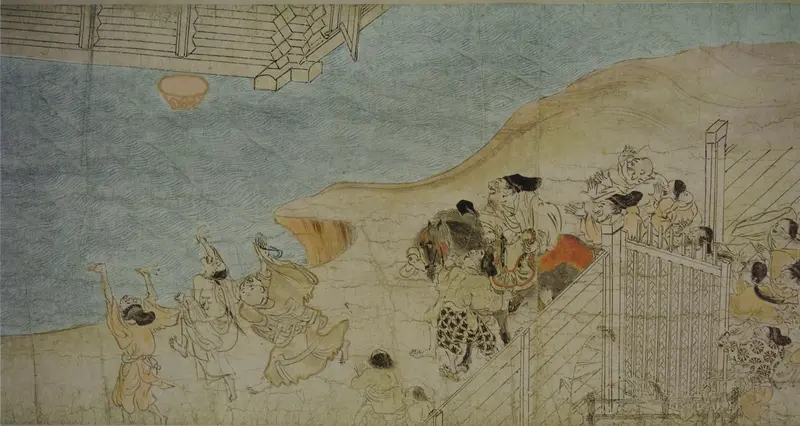
Legends of Mount Shigi: The Flying Granary
Unknown Artist
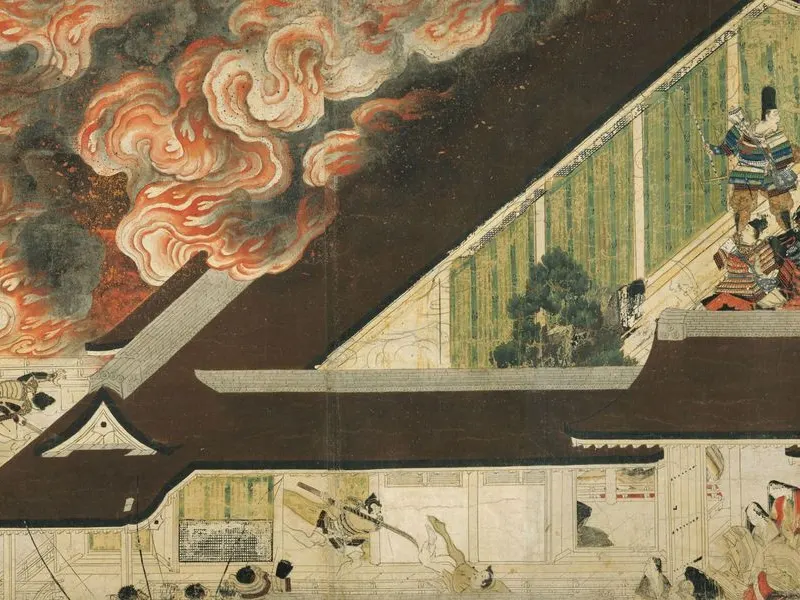
Night Attack on the Sanjō Palace
Unknown Artist
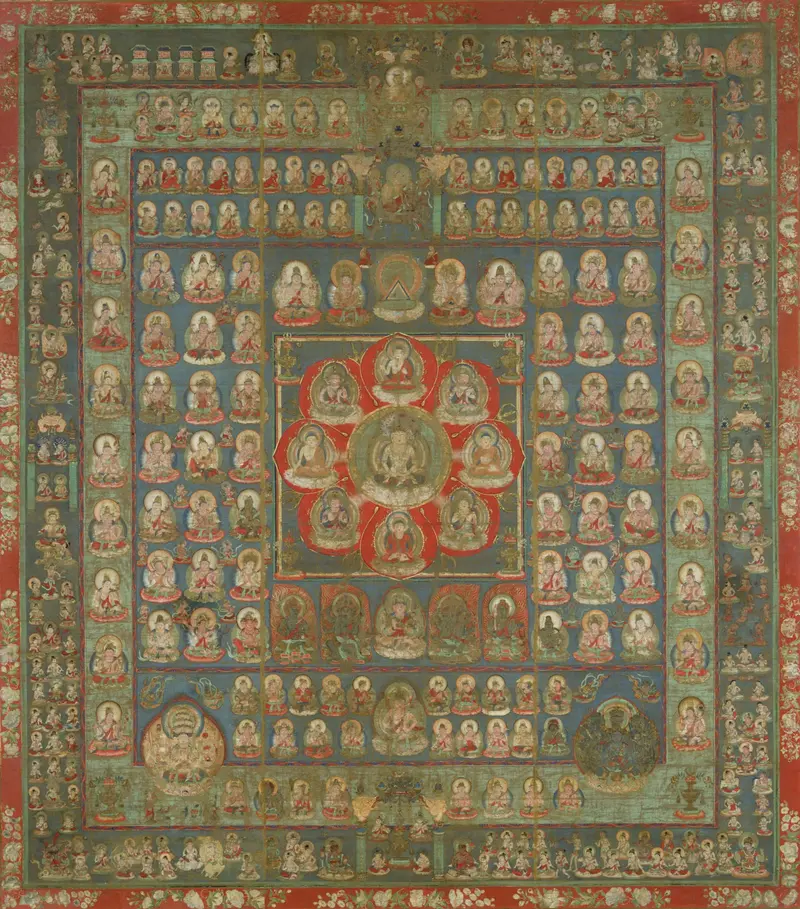
Womb World Mandala (Mandala of the Two Realms)
Unknown Artist
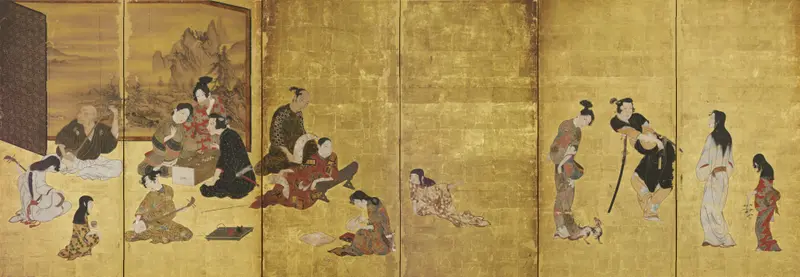
Hikone Screen
Unknown Artist
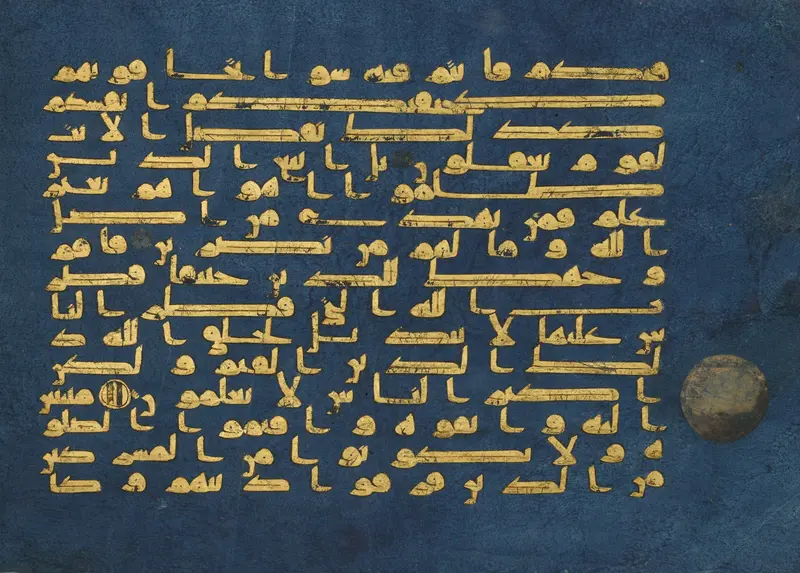
Folio from the Blue Qur'an
Unknown Artist
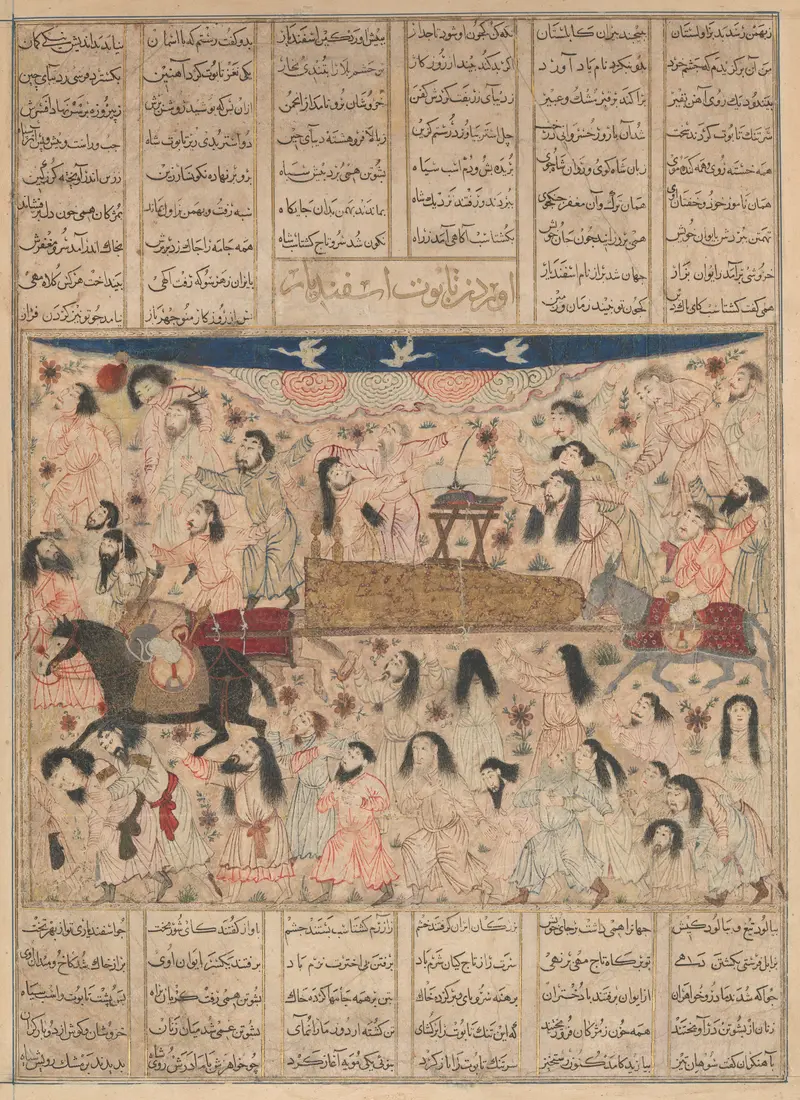
The Funeral of Isfandiyar (Great Mongol Shahnama)
Unknown Artist

The Ideal City
Unknown Artist
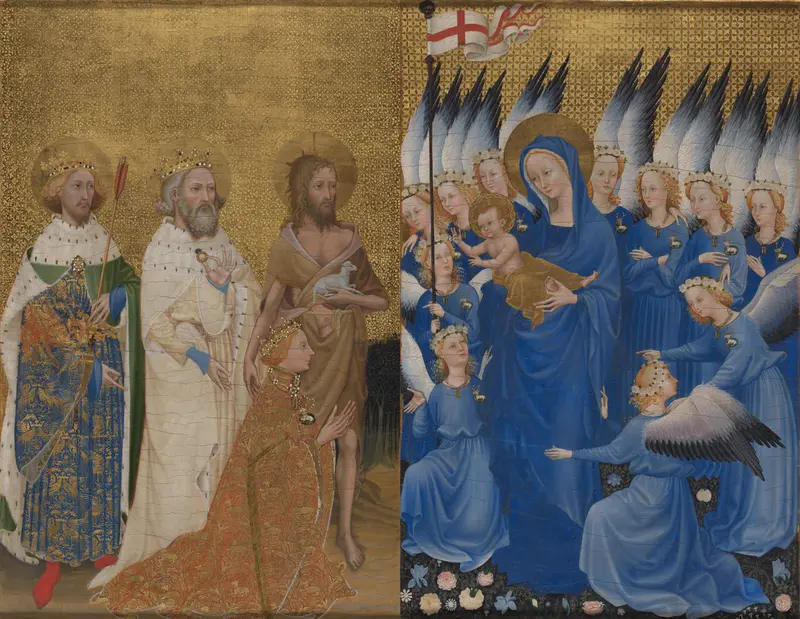
The Wilton Diptych
Unknown Artist

Ridder, Dood en Duivel
Unknown Artist
More Genre Scene Art

Banquet of the Officers of the St George Civic Guard
Frans Hals

Rembrandt and Saskia in the Scene of the Prodigal Son
Rembrandt van Rijn

Bal du moulin de la Galette
Pierre-Auguste Renoir

Quadrille at the Moulin Rouge
Henri de Toulouse-Lautrec

A Burial at Ornans
Gustave Courbet

When Will You Marry?
Paul Gauguin