
Selbstporträt / Portrait of a Man Holding a Skull — History & Facts
The first thing to seize the eye in Selbstporträt / Portrait of a Man Holding a Skull is the unflinching gaze of its subject, a man whose lined face and steady hand seem to weigh the skull as much as hold it. The green background offers no distraction, forcing us to confront the directness of his look and the pale, hollowed bone he cradles. The fur collar and dark clothing speak of a certain status, but it is the gesture—two fingers poised as if making a point, or perhaps caught in thought—that draws us into the painting’s quiet drama.
The skull is no mere prop: it is a memento mori, a reminder of mortality, and the sitter’s expression is one of sober reflection rather than fear or regret. Painted in the early sixteenth century, around 1519-1524, this work belongs to an age when portraits were not only likenesses but meditations on life’s brevity and the soul’s fate. The tradition of holding a skull, especially in Northern European art, signaled wisdom and the acceptance of life’s impermanence—a theme that resonated in a world marked by religious upheaval and humanist thought. Such paintings were often commissioned by those wishing to display learning or piety, and the artist, Aelbert Bouts, was known for his meticulous realism and psychological insight.
Today, the painting resides in the Brukenthal National Museum, its origins and sitter still shrouded in mystery, inviting us to wonder about the man who once looked out from this panel, and to measure our own gaze against his.
More Artworks by Aelbert Bouts
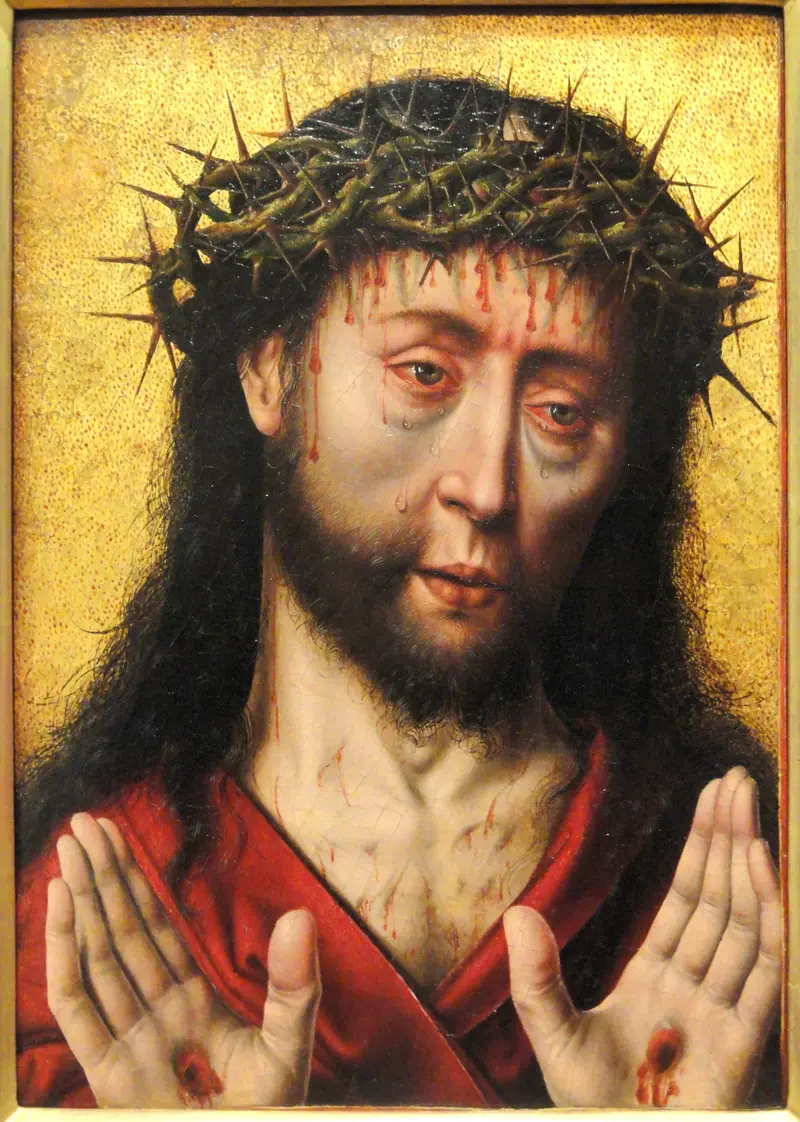
The Man of Sorrows
Aelbert Bouts
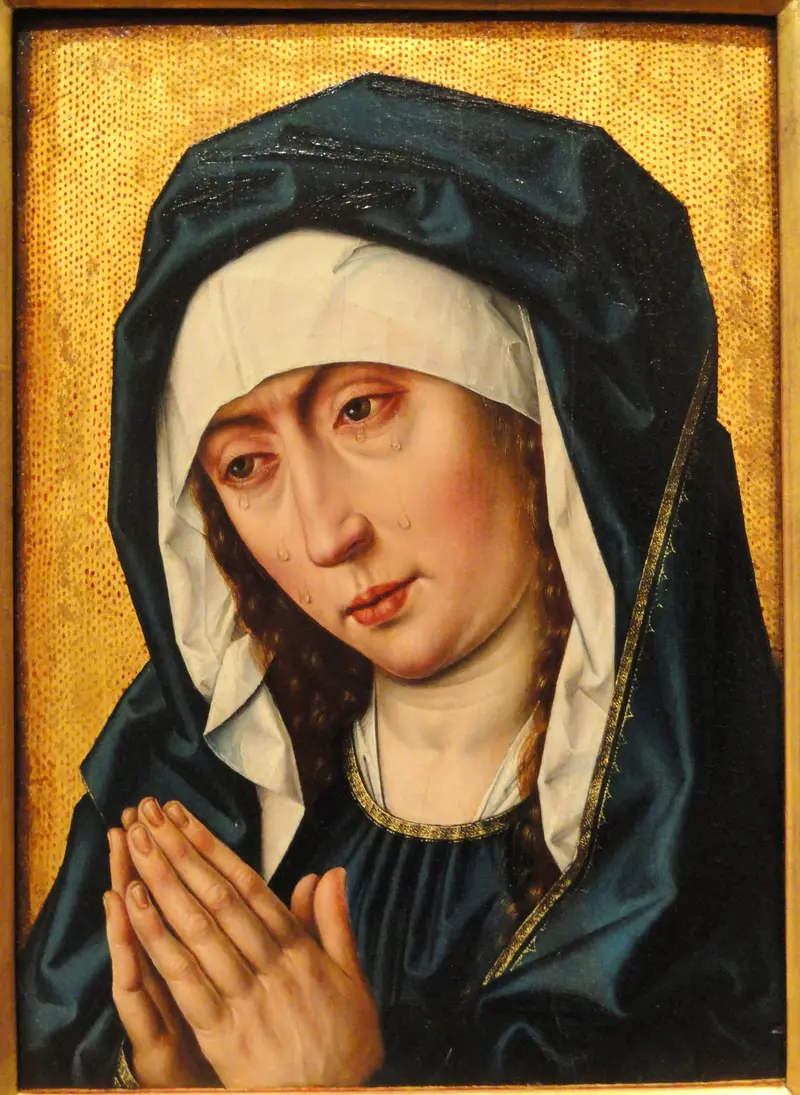
The Mater Dolorosa
Aelbert Bouts
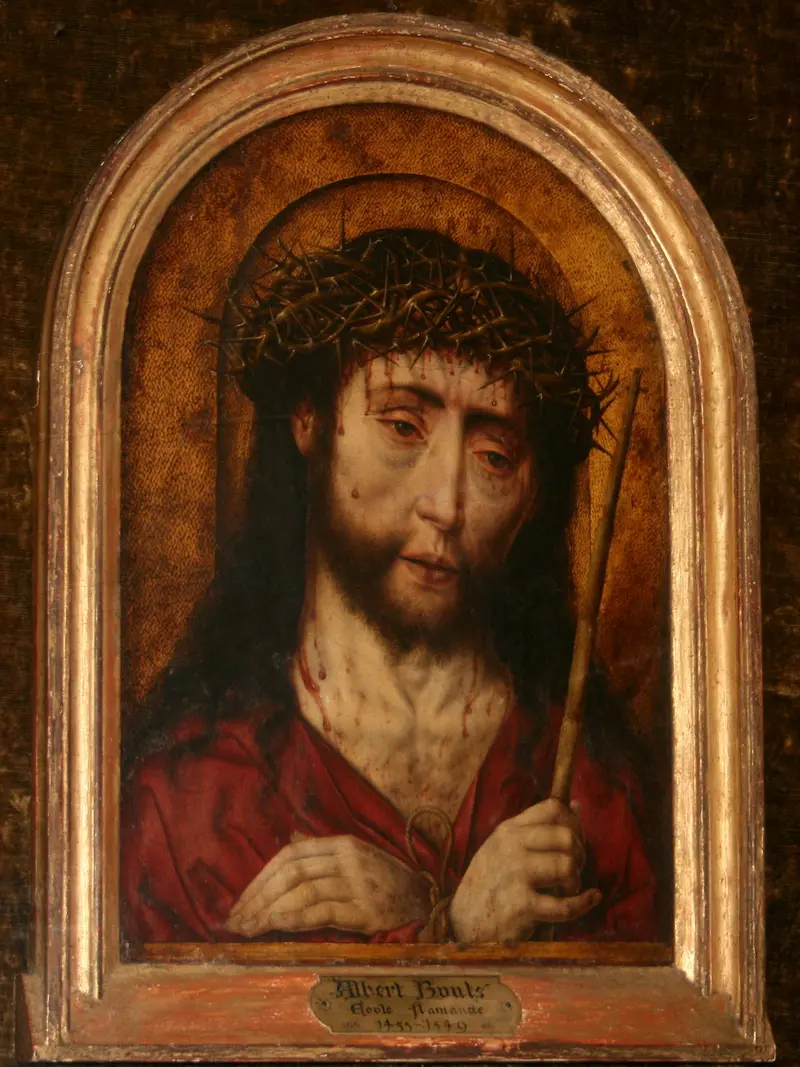
The Mocking of Christ
Aelbert Bouts
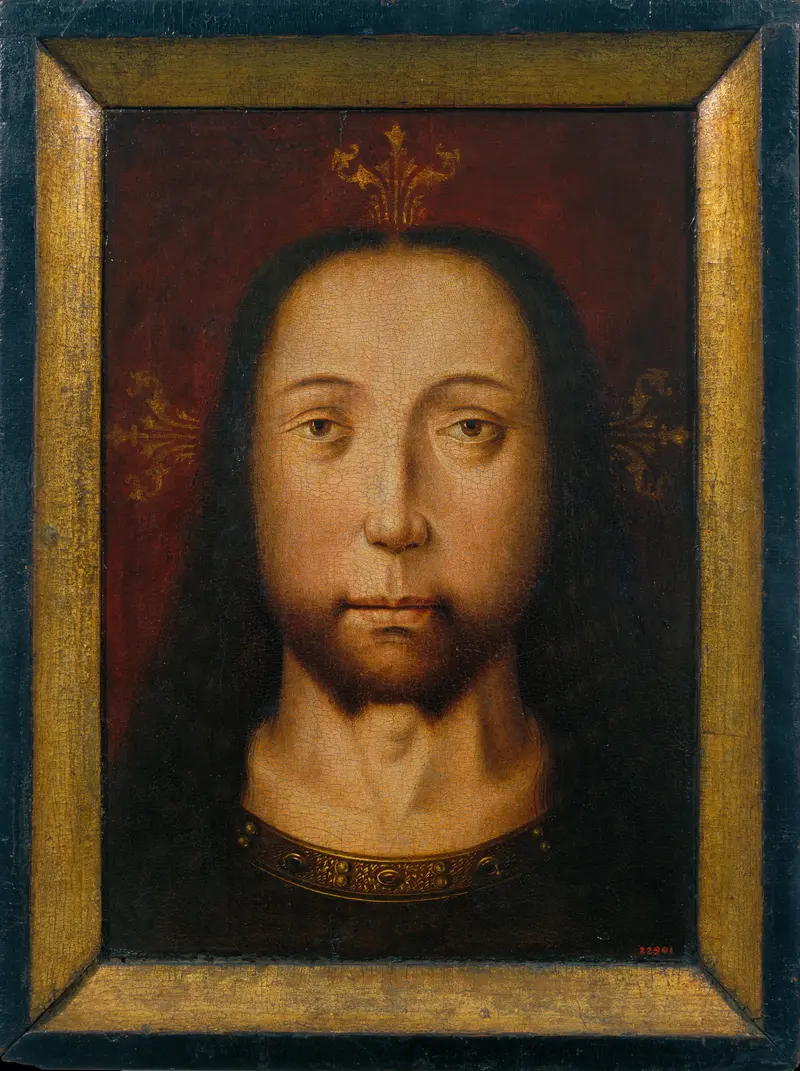
Holy Countenance
Aelbert Bouts
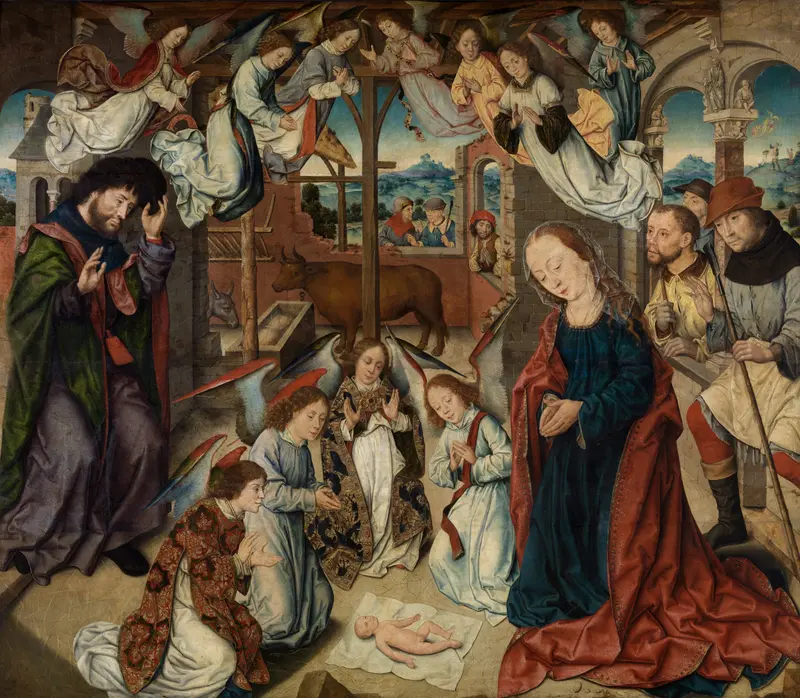
The Adoration of the Shepherds
Aelbert Bouts
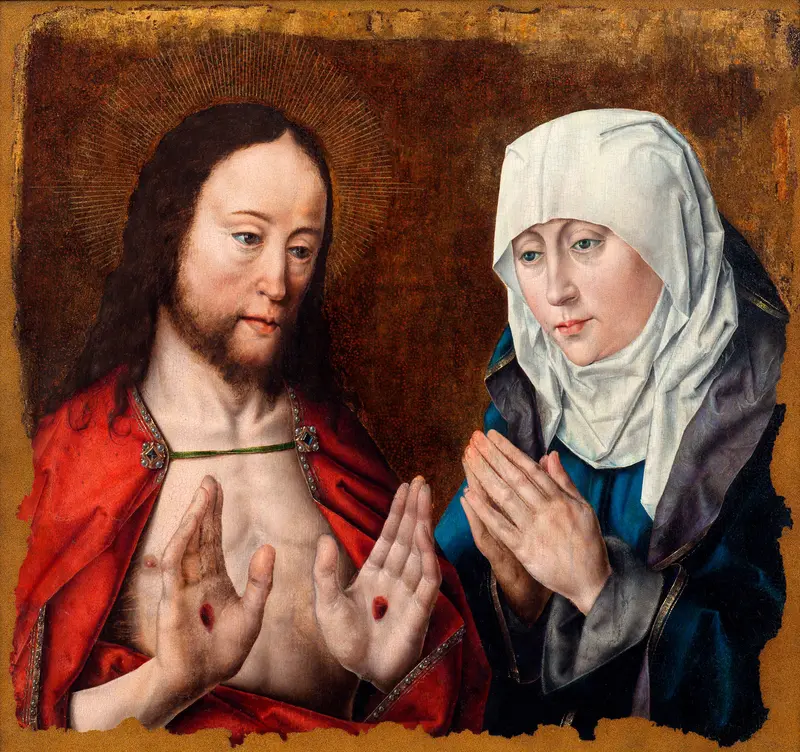
Christ appears to Mary
Aelbert Bouts
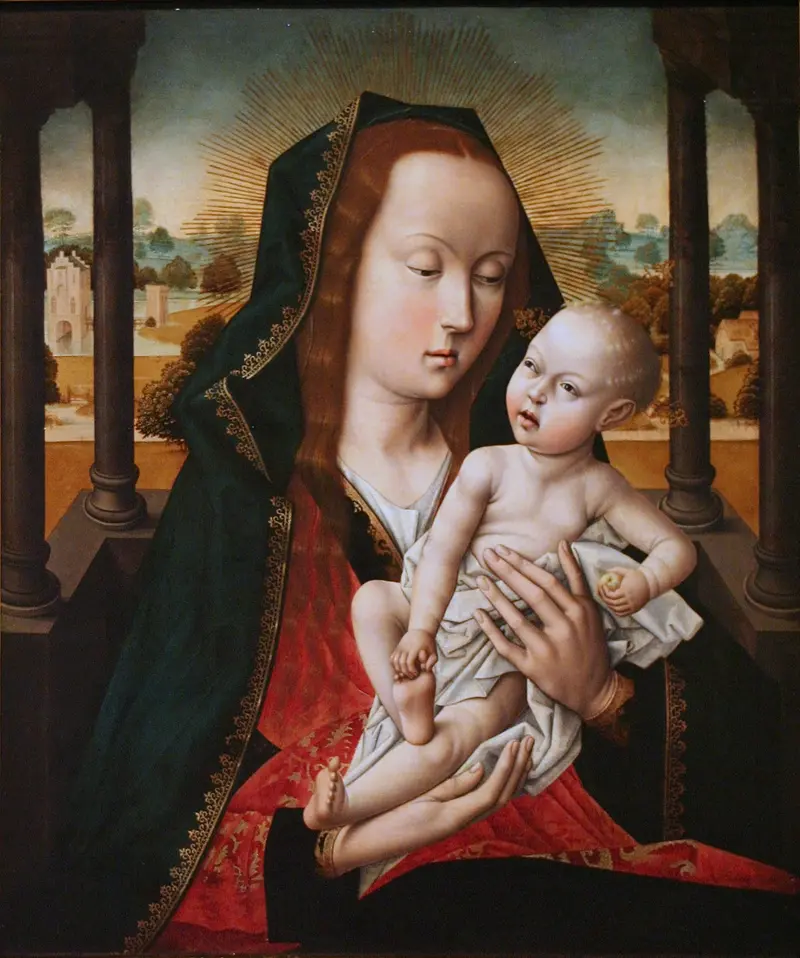
Madonna and Child
Aelbert Bouts
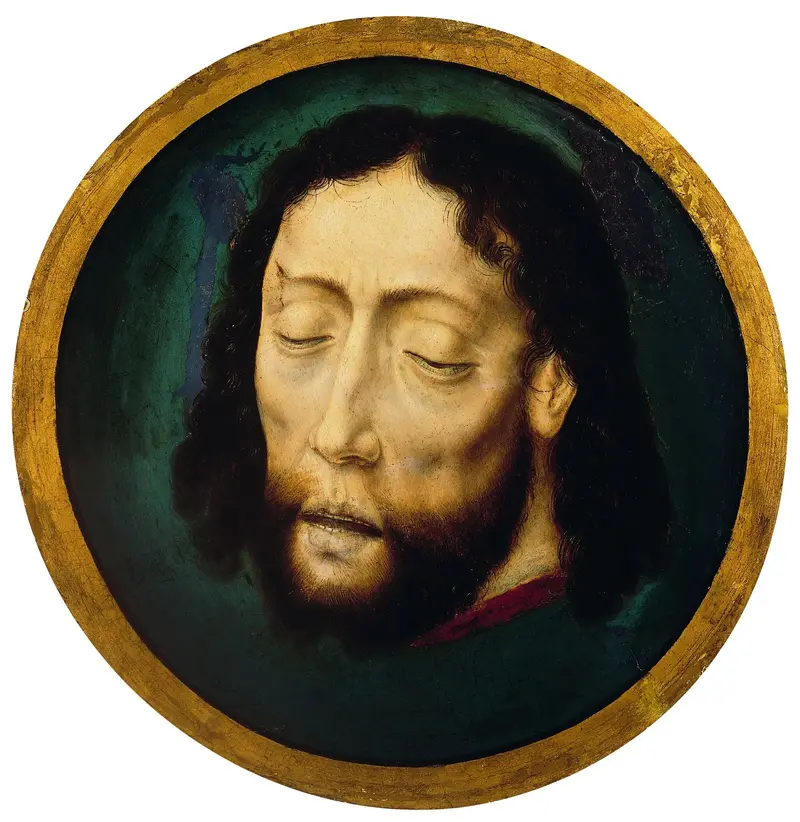
Head of St. John the Baptist
Aelbert Bouts
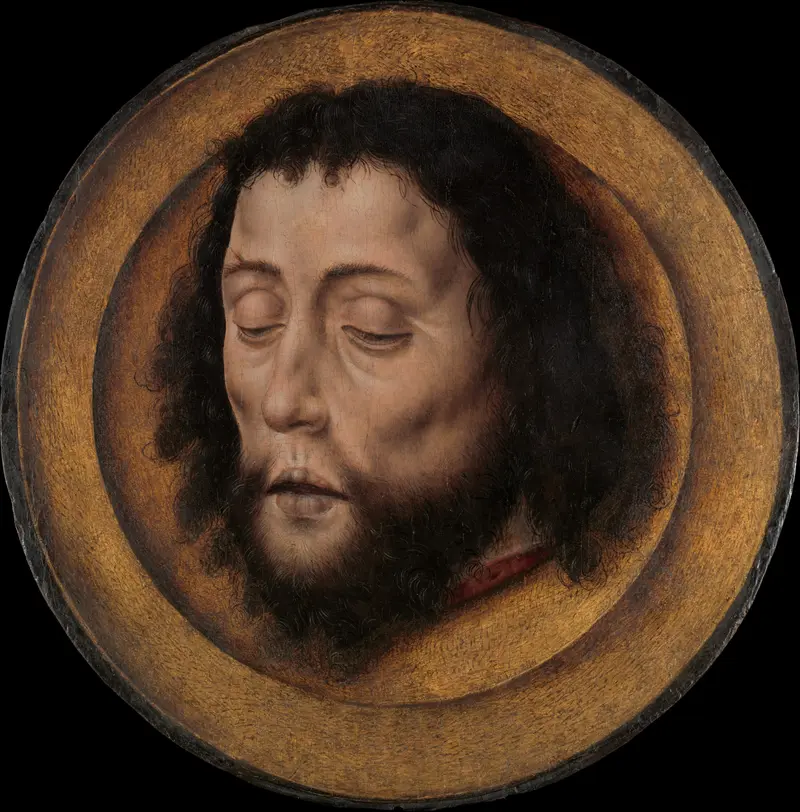
Head of Saint John the Baptist on a Charger
Aelbert Bouts
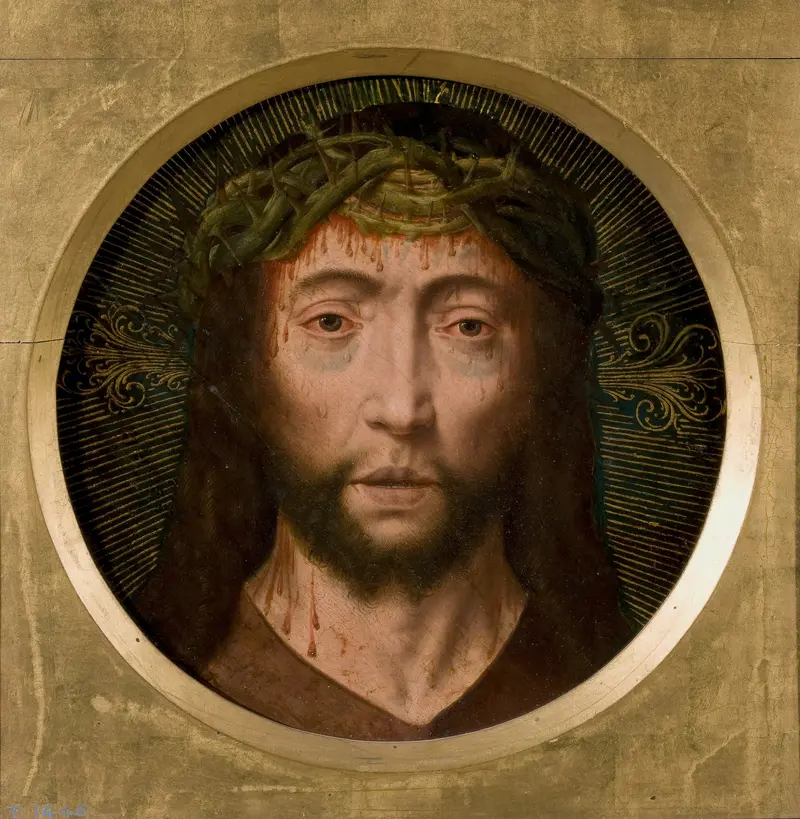
Head of Christ
Aelbert Bouts





