
Self-portrait — History & Facts
Few self-portraits have provoked as much speculation about their creator’s inner world as Self-portrait by Gustave Van de Woestijne. The painting’s date and medium remain uncertain, and the artist himself never recorded its making, leaving scholars to piece together its context from stylistic clues and the evolution of his technique. This air of mystery has only deepened its allure, with some suggesting it marks a turning point in Van de Woestijne’s career, when he shifted from Symbolist influences toward a more introspective realism.
The absence of documentation has led to lively debate: is this a work from his early years in Sint-Martens-Latem, or a later reflection shaped by the traumas of the First World War? Van de Woestijne presents himself not as a distant observer, but as a figure caught in a moment of private reckoning. The gaze is direct, searching, and the features are rendered with a careful, almost sculptural attention—each line and shadow suggesting the weight of thought. The background, often subdued in his portraits, isolates the figure, focusing the viewer’s attention on the eyes and the set of the mouth.
A comparison with Vincent van Gogh’s self-portraits reveals a striking difference: where Van Gogh’s brushwork pulses with agitation, Van de Woestijne’s surfaces are calm, almost severe, inviting us to contemplate the psychological depth rather than the drama of paint. The palette, restrained and cool, hints at the melancholy that often pervades his work. The physical journey of Self-portrait is as enigmatic as its creation. Without records of a commission or early exhibition, the painting likely remained in the artist’s possession or within his family for some years.
Over time, it has become an important reference point for understanding Van de Woestijne’s development, especially among works from the Latem School, a group that sought new forms of spiritual expression in Belgian art. Today, the painting is held in a public collection, where it continues to invite close looking and fresh interpretations. Its uncertain origins have not diminished its status; rather, they have made it a touchstone for those seeking to understand the private struggles and ambitions of one of Belgium’s most enigmatic painters.
More Artworks by Gustave Van de Woestijne
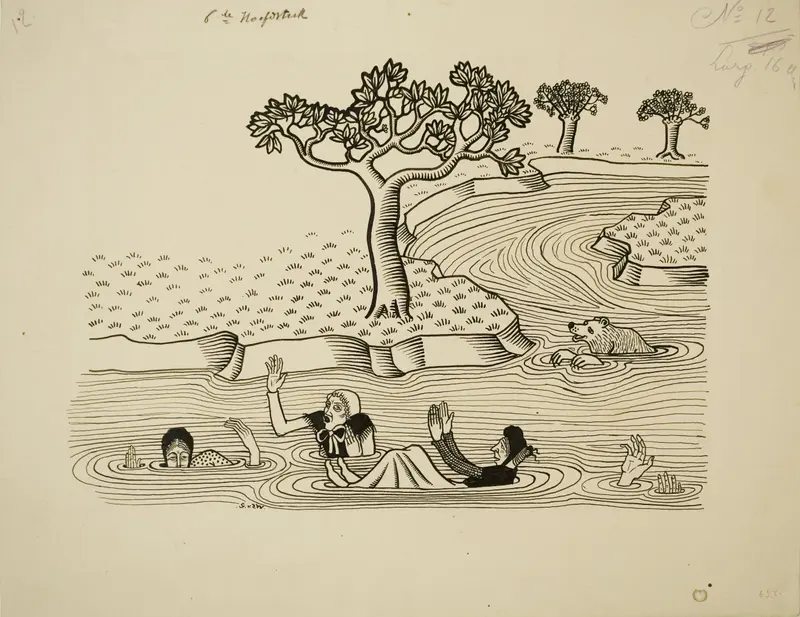
How Brown went out with Reynard where he thought he was eating honey and how he was caught by head and feet and suffered further misfortune
Gustave Van de Woestijne
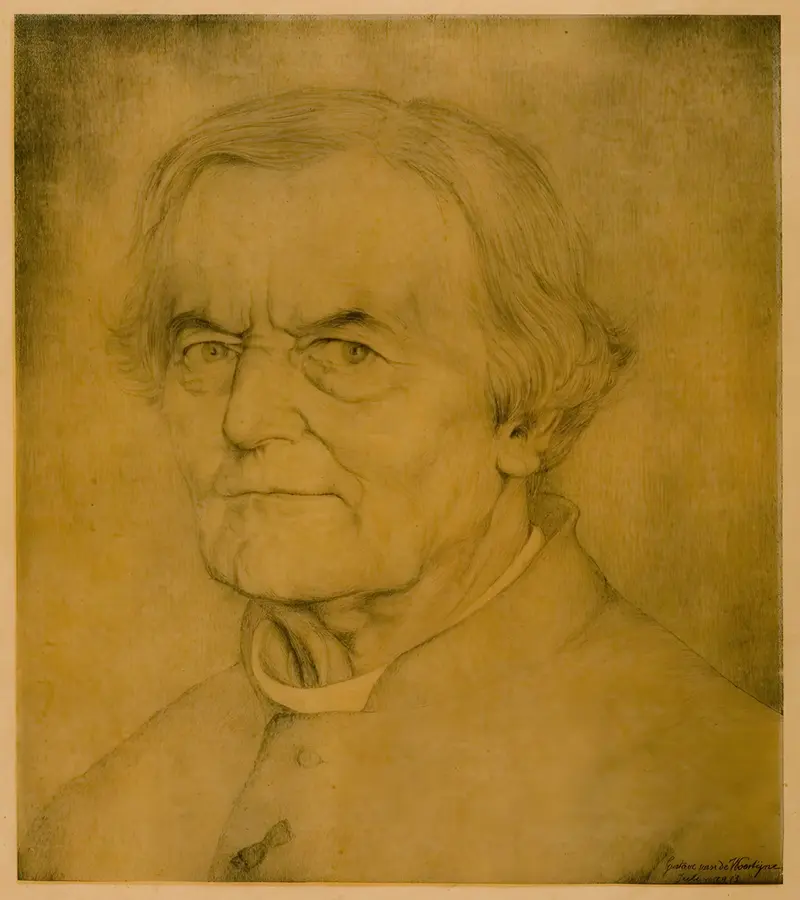
Portrait of Hugo Verriest
Gustave Van de Woestijne
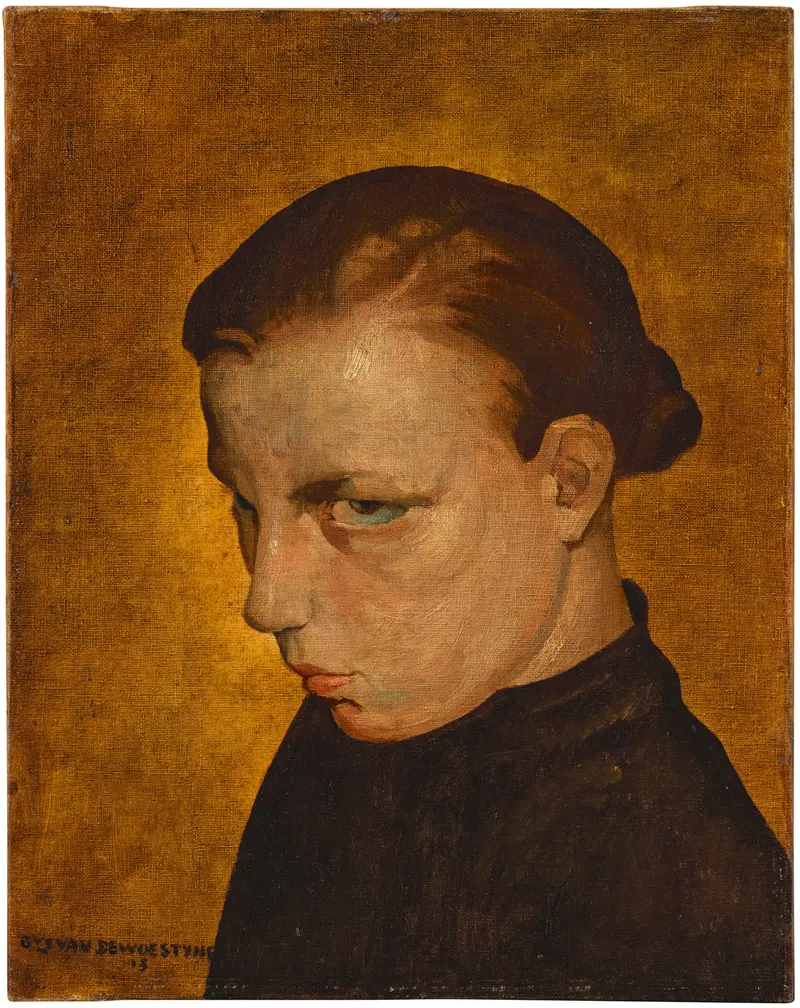
Angèle
Gustave Van de Woestijne
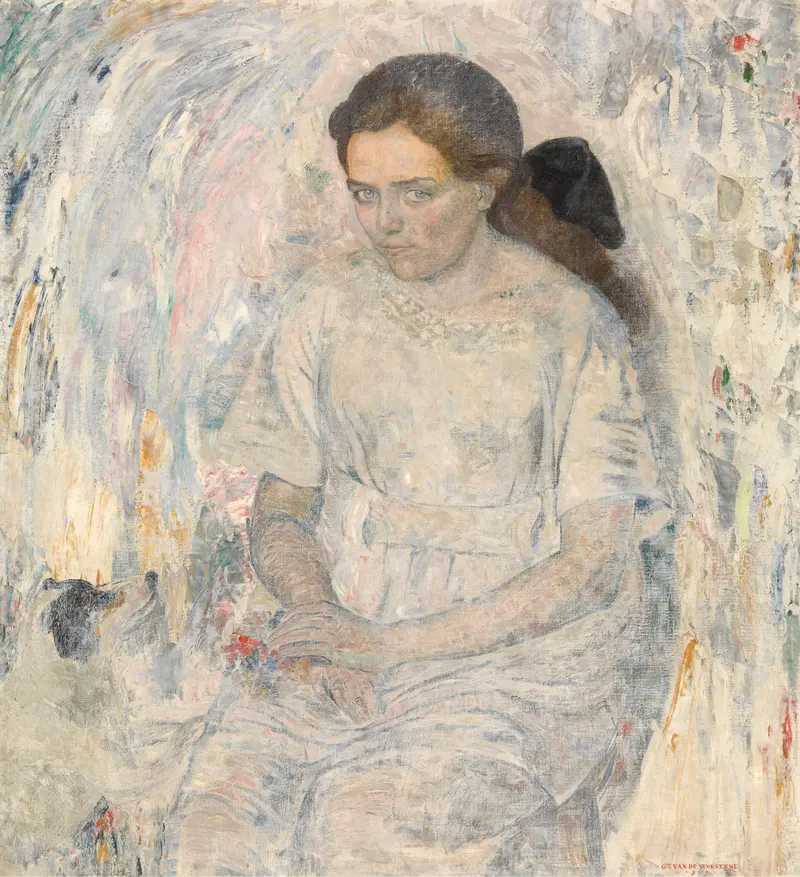
Adrienne
Gustave Van de Woestijne
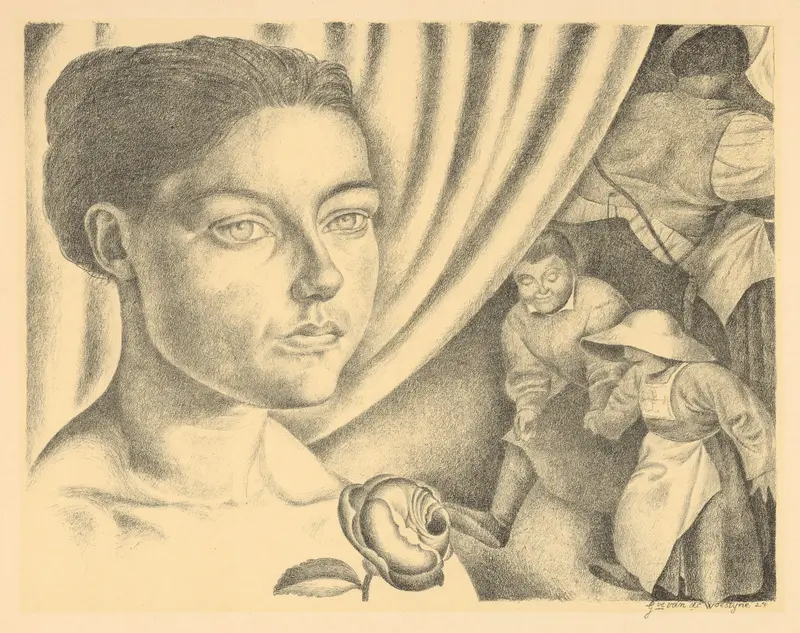
Jeune Femme
Gustave Van de Woestijne
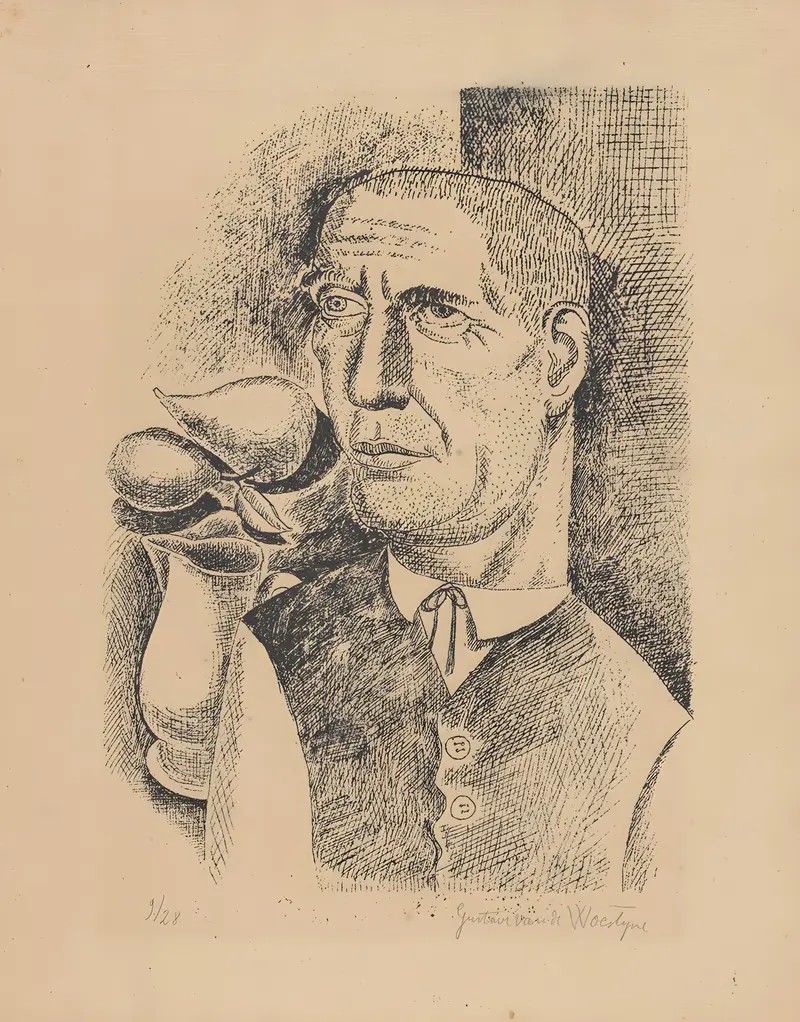
Boer op zijn zondags (Paysan endimanché)
Gustave Van de Woestijne
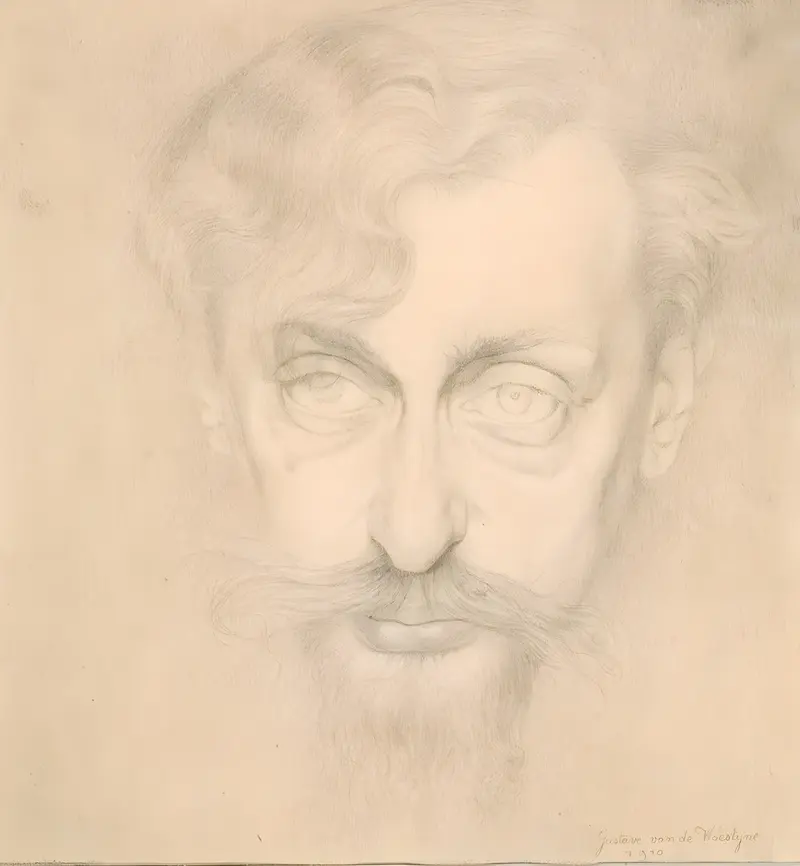
Portrait of the Writer Karel van de Woestijne
Gustave Van de Woestijne
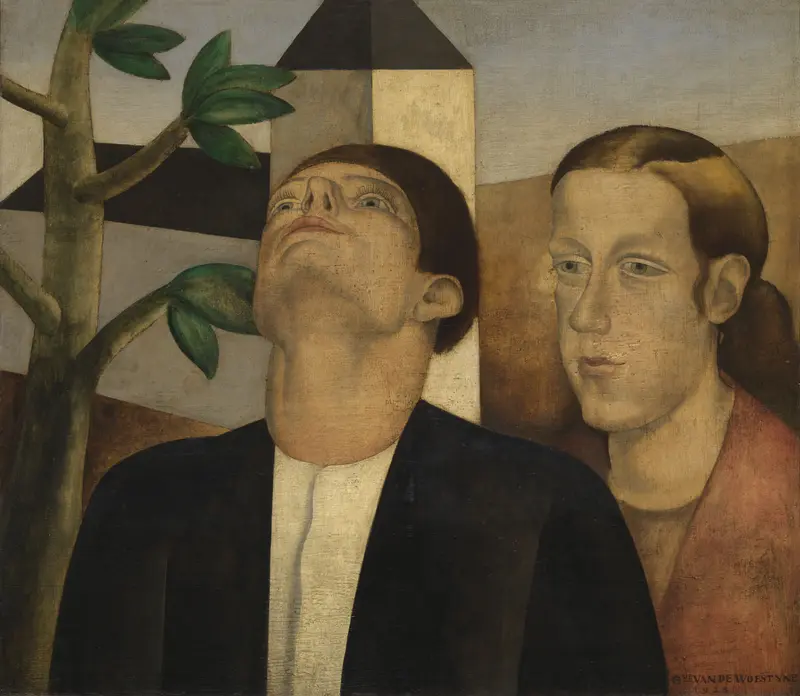
Azure
Gustave Van de Woestijne
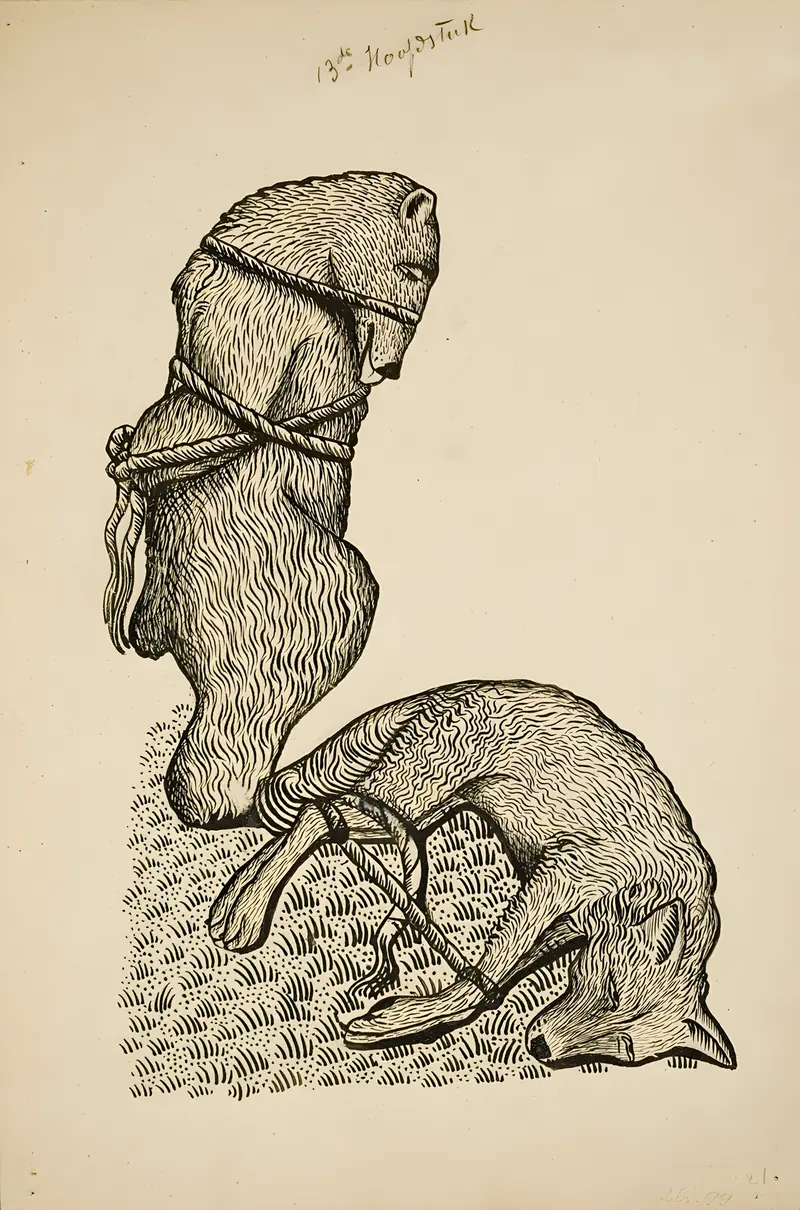
How Reinaert devises a new trick to get free and exterminate his enemies
Gustave Van de Woestijne
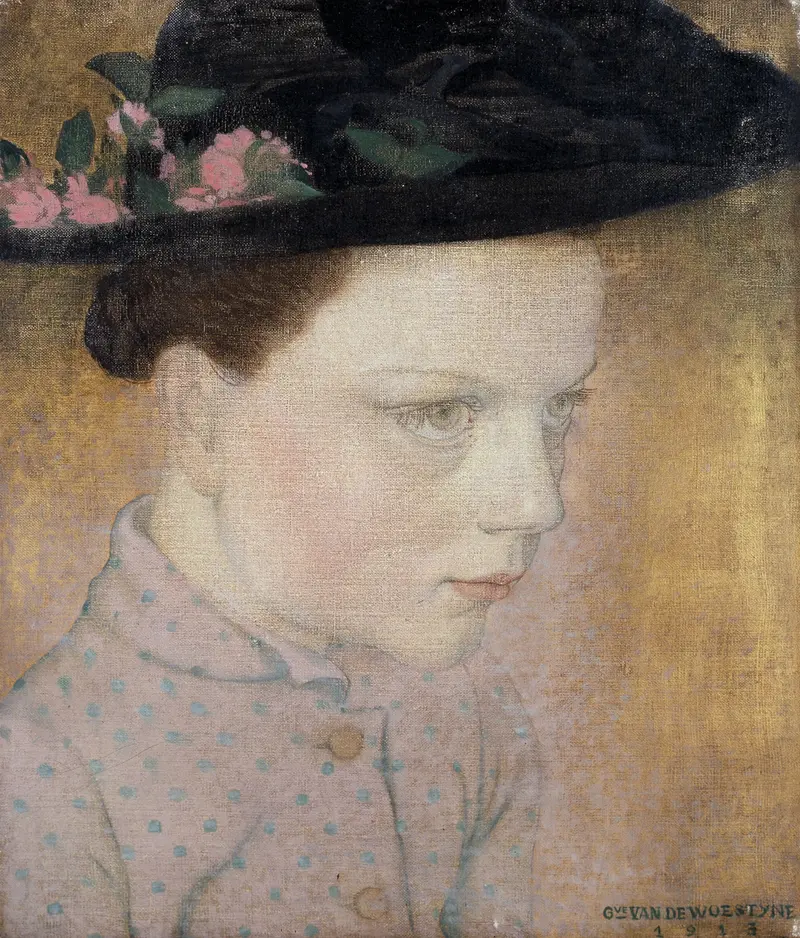
Country Girl
Gustave Van de Woestijne





