
Self-Portrait, with black hat — History & Facts
A black hat casts a thoughtful shadow over the artist’s brow, but it is the direct, searching gaze that commands the viewer’s attention. In Self-Portrait, with black hat, Thérèse Schwartze presents herself not as a distant icon, but as a presence—alert, self-possessed, and quietly appraising. The crisp white scarf at her neck and the cool blue of her garment cut sharply through the earthy, swirling background, drawing the eye upward to the steady, intelligent face.
Every stroke seems to serve a purpose: the soft modeling of the cheeks, the glint of spectacles, the unfinished lower half that fades into the paper as if to remind us that identity is always partly in flux. This is a portrait that invites us to meet the artist’s gaze and wonder what she sees in herself—and in us. Created in 1917, this work belongs to a moment when self-portraiture was both a statement of artistic confidence and a subtle act of self-invention, especially for women painters navigating a changing world. The early twentieth century saw artists across Europe grappling with tradition and modernity, and Schwartze’s image stands as a testament to that tension: the old-world elegance of her attire set against the loose, almost impressionistic handling of the background.
History has kept few traces of the circumstances behind this particular self-portrait, now in the Rijksmuseum’s collection, but its frankness and immediacy speak across time. Look again at the eyes behind those round glasses; they seem to ask us what it means to truly see—and to be seen.
More Artworks by Thérèse Schwartze

Self-portrait
Thérèse Schwartze
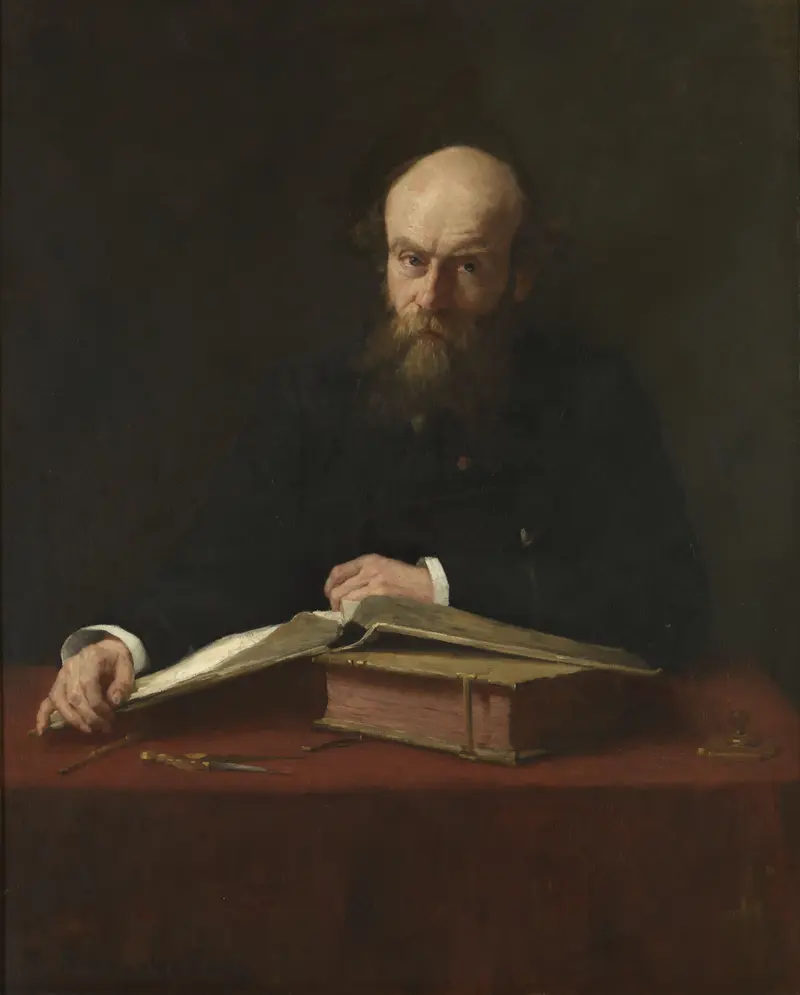
Portrait of Dr. P.J.H. Cuypers (1827-1921)
Thérèse Schwartze
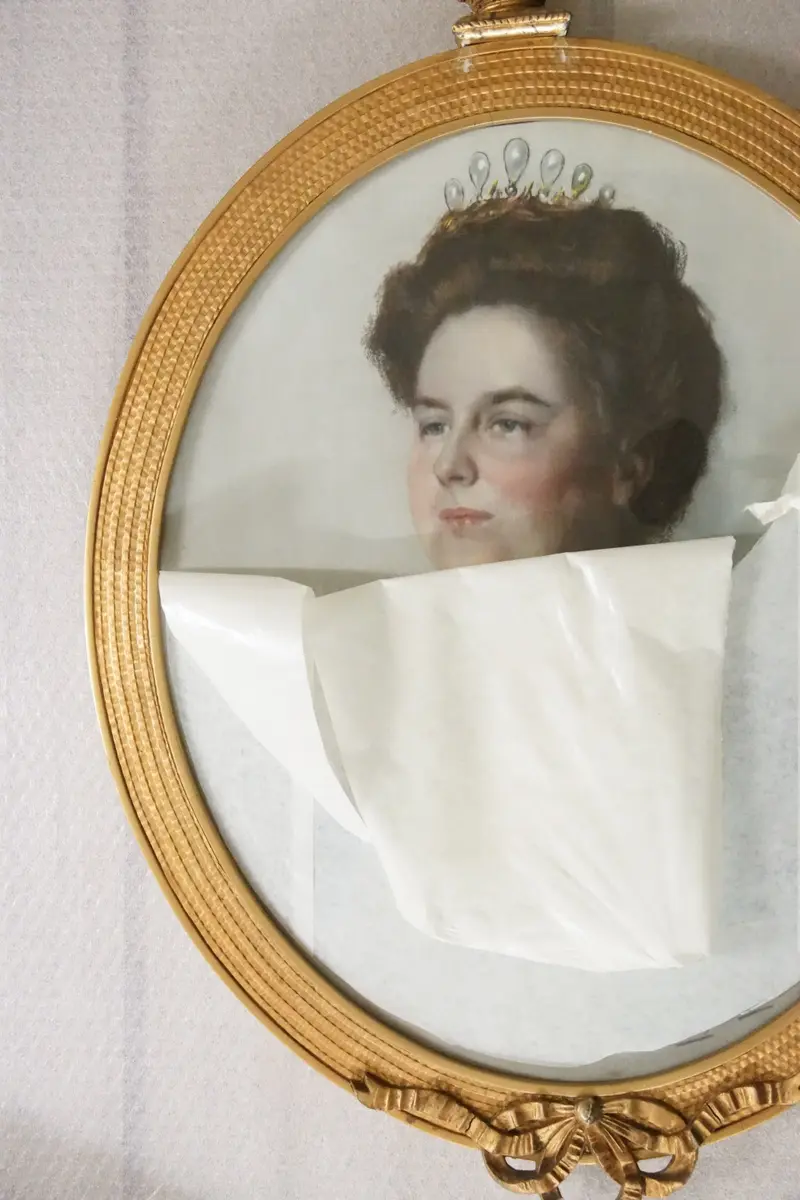
Portret Wilhelmina 020904 Stedelijk Museum Alkmaar
Thérèse Schwartze
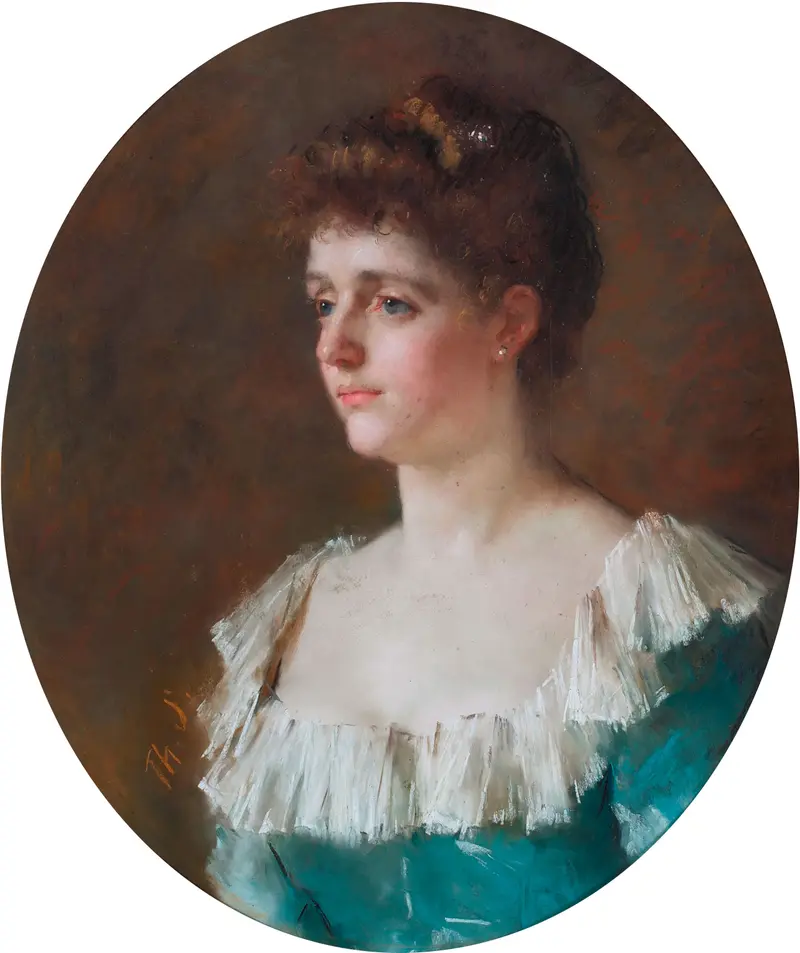
Portrait of Maria Cornelia Schimmelpenninck van der Oye (1857-1891)
Thérèse Schwartze
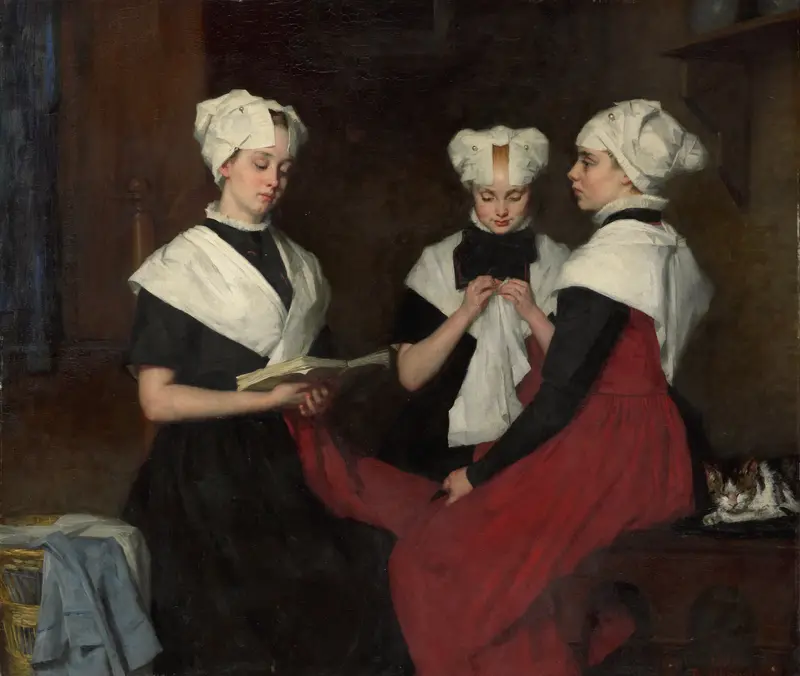
Three girls from the Amsterdam Orphanage
Thérèse Schwartze
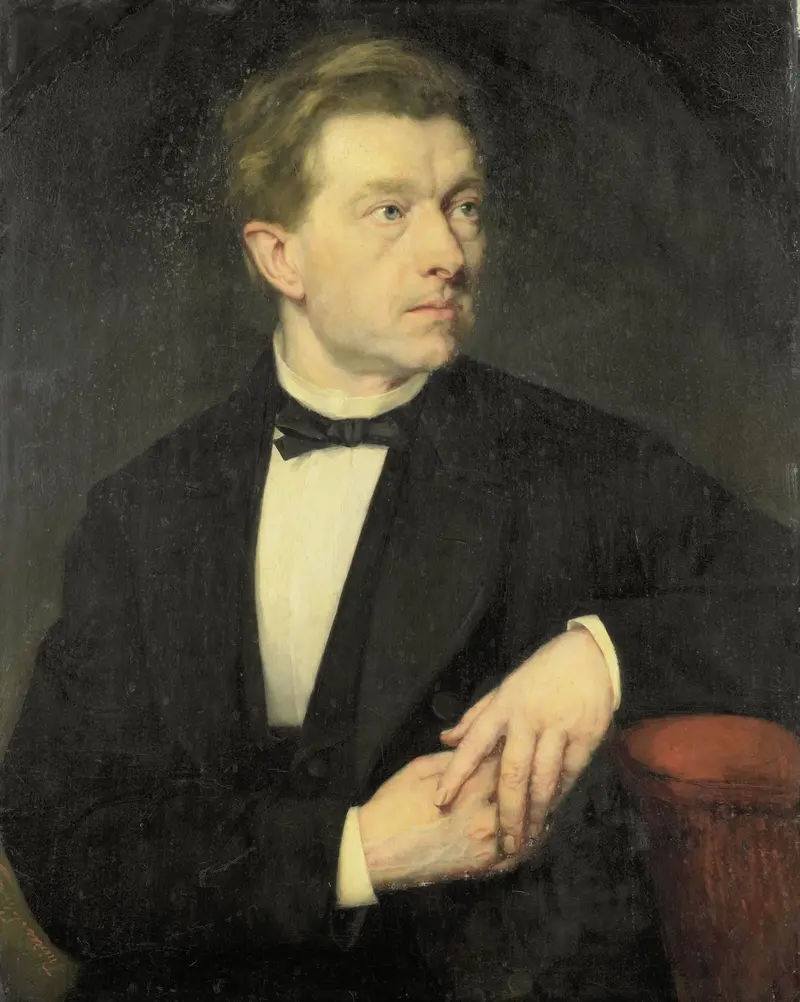
Portrait of Dr. J. L. Dusseau
Thérèse Schwartze
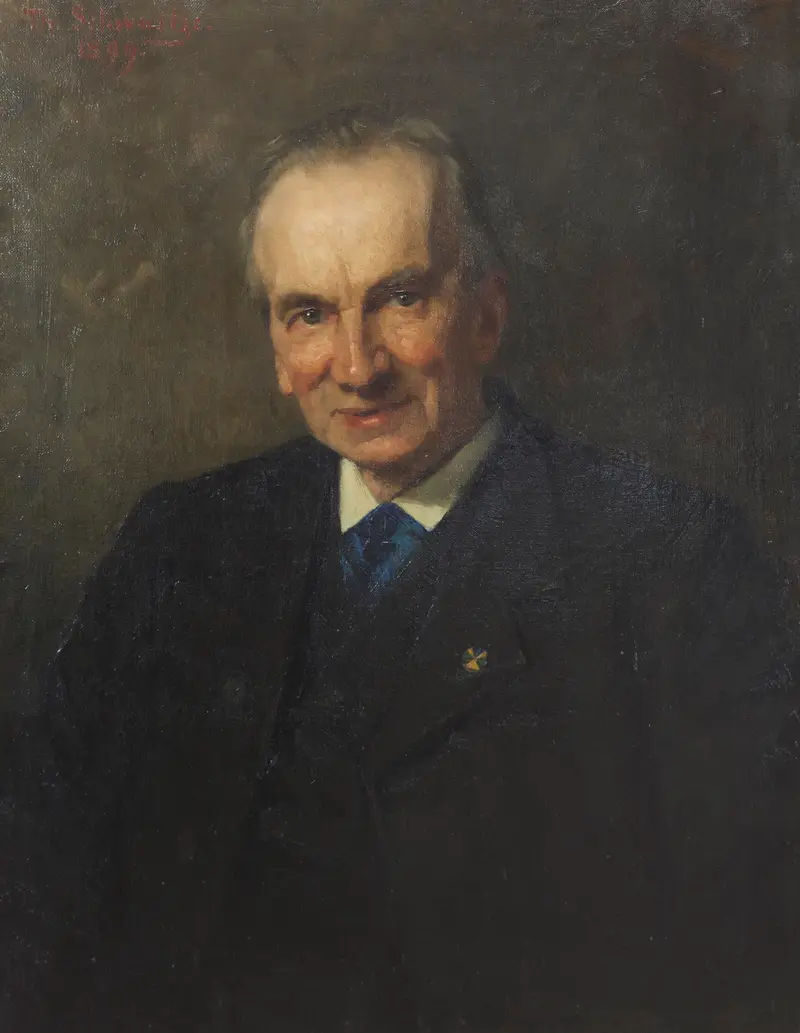
Portrait of Frederik Willem van Eeden
Thérèse Schwartze
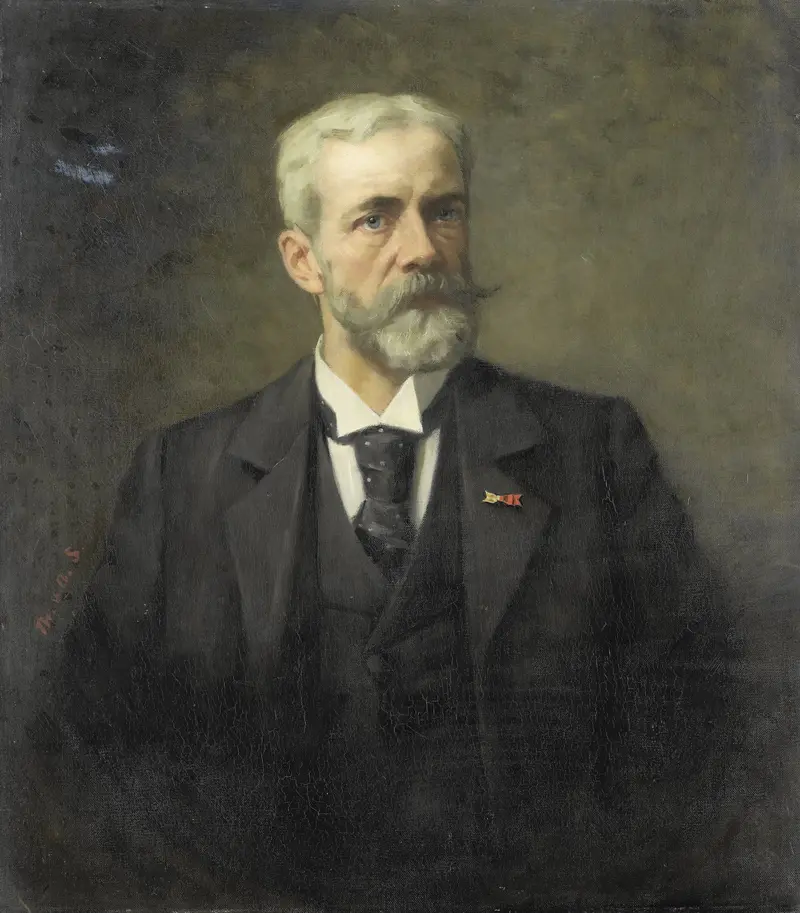
Portrait of Frederik Daniël Otto Obreen (1840-96), director Rijksmuseum
Thérèse Schwartze
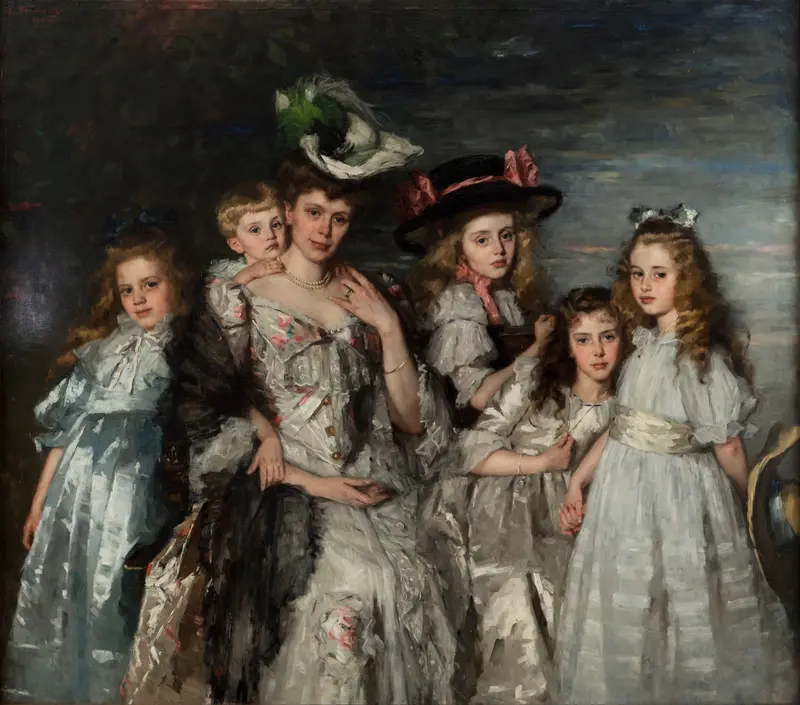
Portrait of Mrs. A.G.M. van Ogtrop-Hanlo (1871-1944) and her five children
Thérèse Schwartze
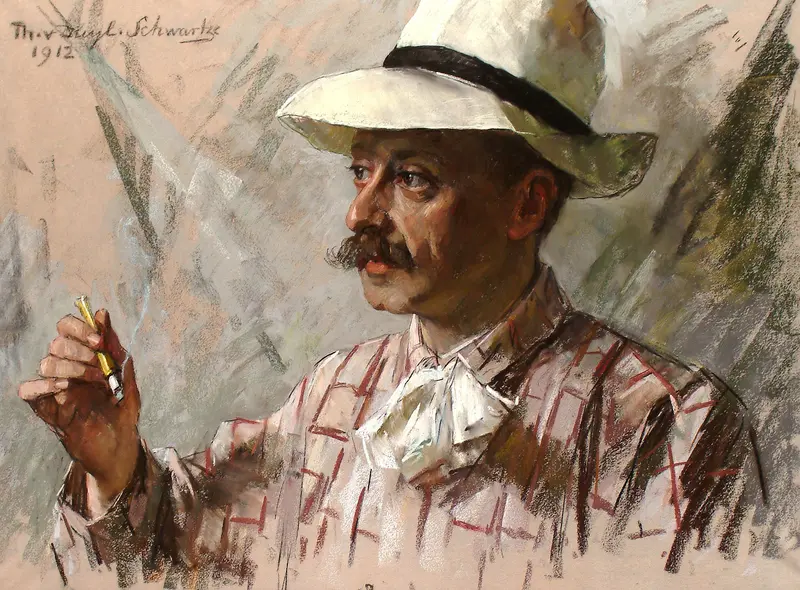
Portrait of Dr. Salomon Benjamin Druif
Thérèse Schwartze





