
Ships in a Squall — History & Facts
A sky that seems to churn as fiercely as the sea below draws the viewer’s gaze first, the clouds rolling in thick, urgent masses, their shadow casting a silvery light over the chaos beneath. The eye is pulled downward to the cresting waves, painted with quick, foaming strokes that threaten to swallow the fragile boats scattered across the water. At the center, a small vessel is packed with figures, each man braced against the elements, their bodies angled with the tension of survival.
The distant ships, sails taut and flags streaming, are dwarfed by the immensity of the sky, their fate uncertain. Every detail—the diagonal thrust of the masts, the wild whitecaps, the birds wheeling overhead—serves to amplify the sense of smallness and struggle, the drama of men at the mercy of nature. Painted between 1645 and 1650, Ships in a Squall by Abraham van Beyeren belongs to a world where Dutch artists turned their eyes to the sea, capturing both its beauty and its peril. In the booming Dutch Republic, maritime scenes like this were prized by merchants and shipowners who saw their fortunes—and their risks—reflected in such images.
These paintings were not just decoration, but reminders of the power and unpredictability of the waters that made the Netherlands rich. While history has kept few traces of this particular work’s journey, its presence in the Boijmans collection today lets us witness the era’s fascination with the sea’s shifting moods. The painting invites a second look, asking us to measure ourselves against the vastness and volatility that shaped a nation.
More Artworks by Abraham van Beyeren

Still Life
Abraham van Beyeren
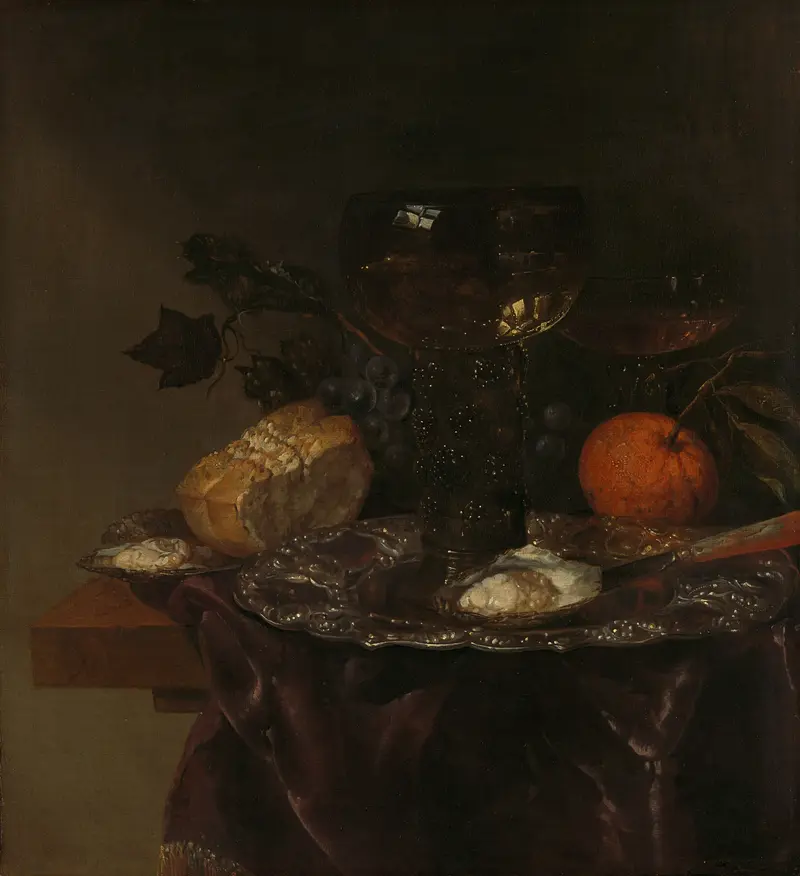
Still Life
Abraham van Beyeren
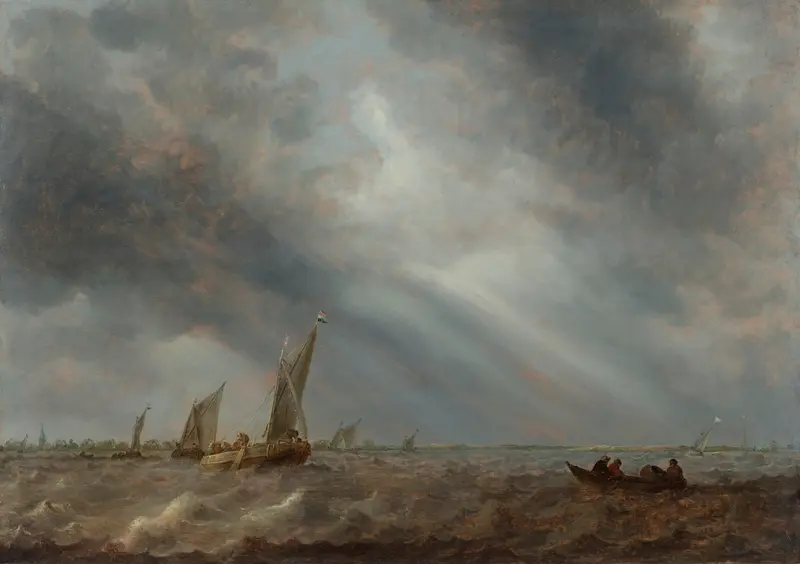
Various sailing vessels and a rowing boat with fishermen on choppy waters under a stormy sky
Abraham van Beyeren
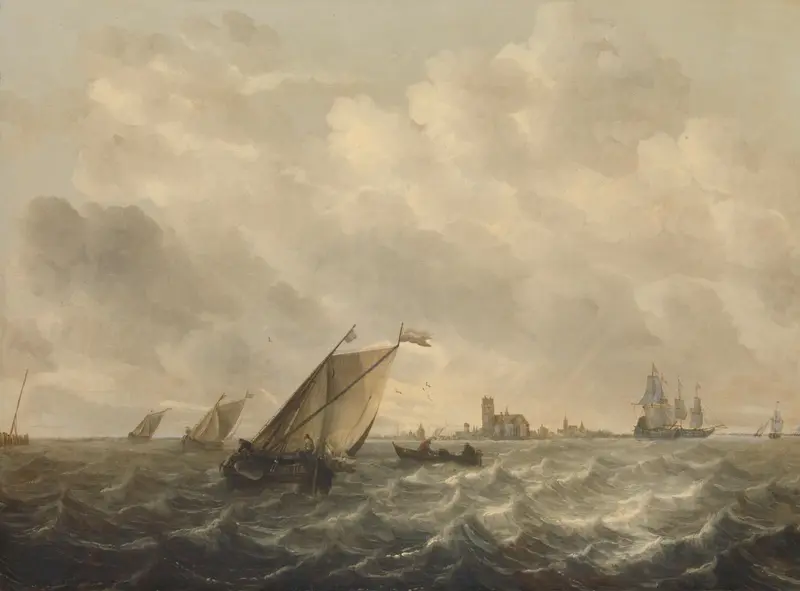
River View
Abraham van Beyeren
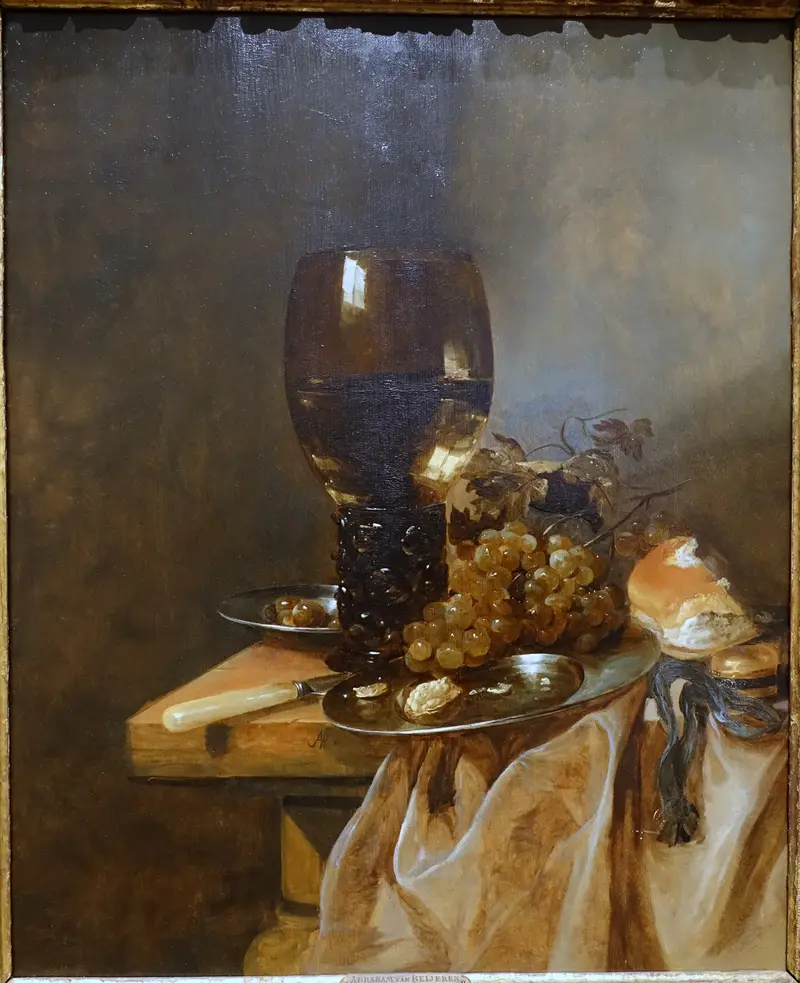
A Roemer with Grapes, a Pewter Plate and a Roll
Abraham van Beyeren
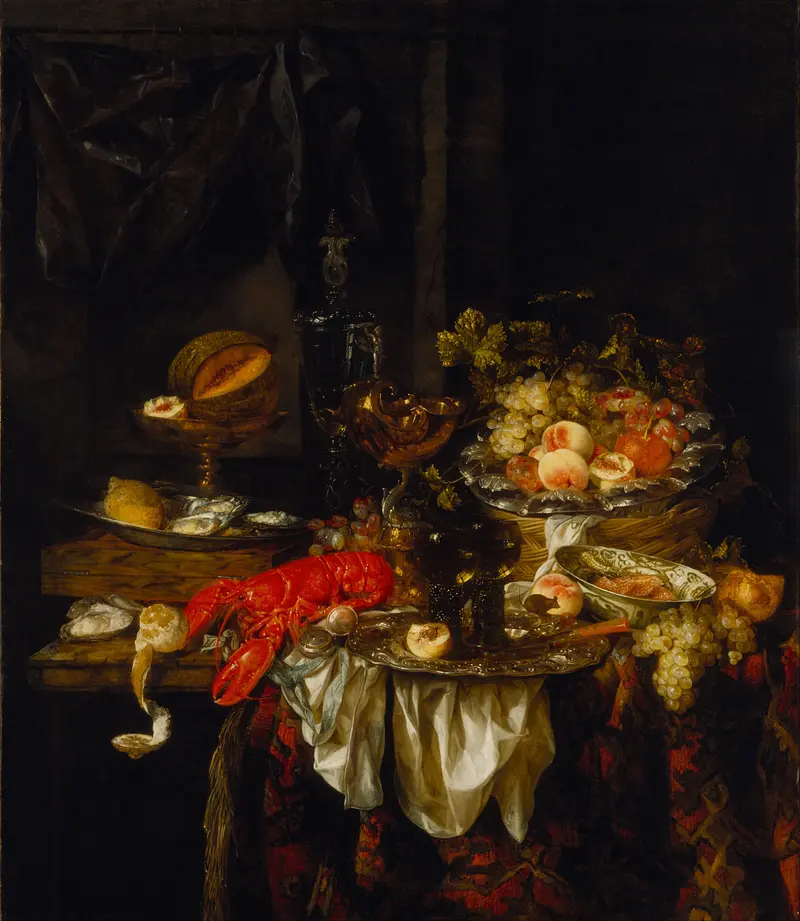
Banquet Still Life
Abraham van Beyeren
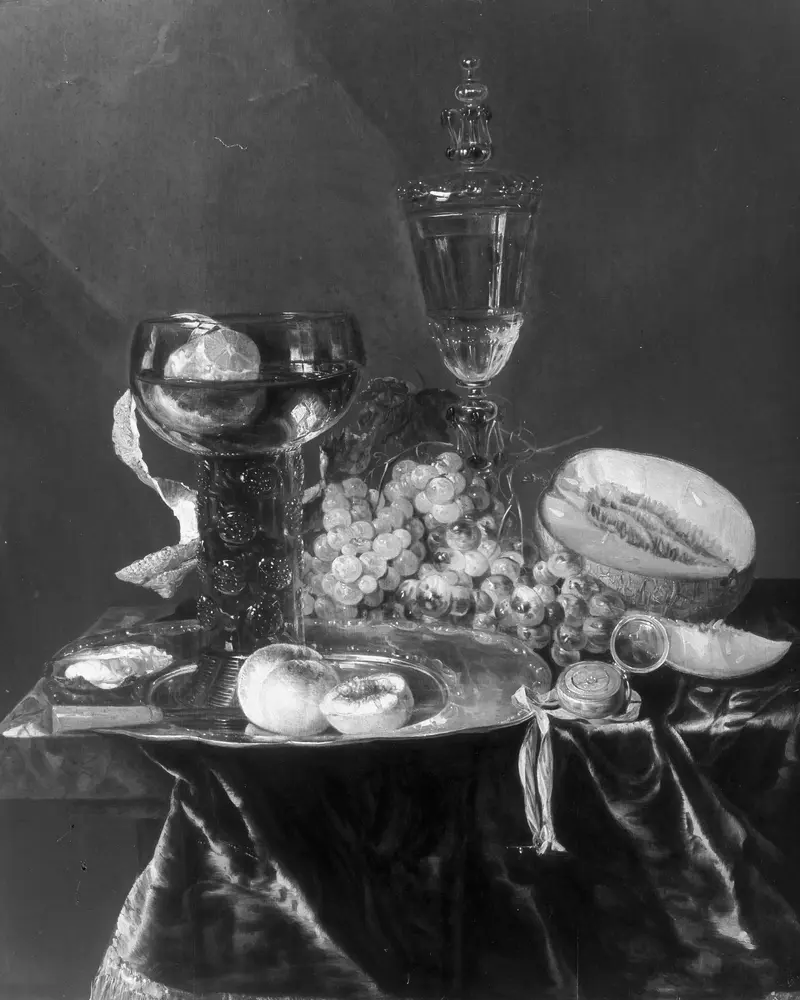
Still life with a glass lid goblet
Abraham van Beyeren
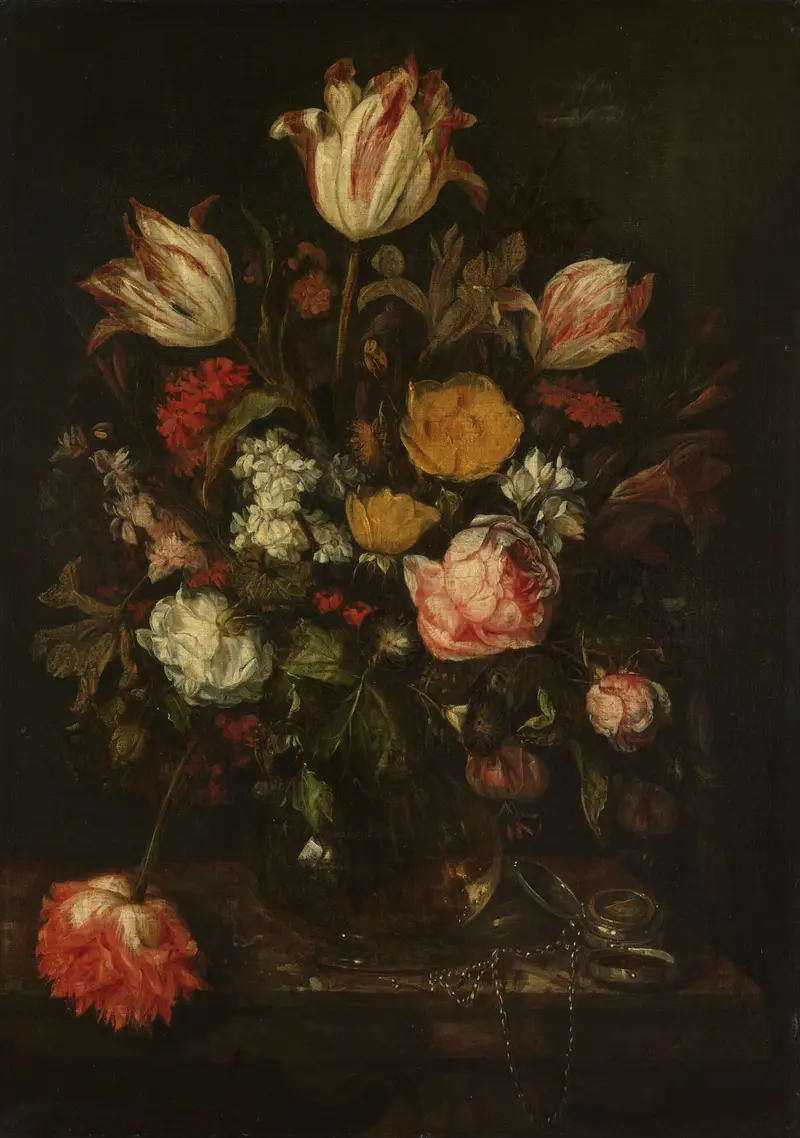
Still life with flowers
Abraham van Beyeren
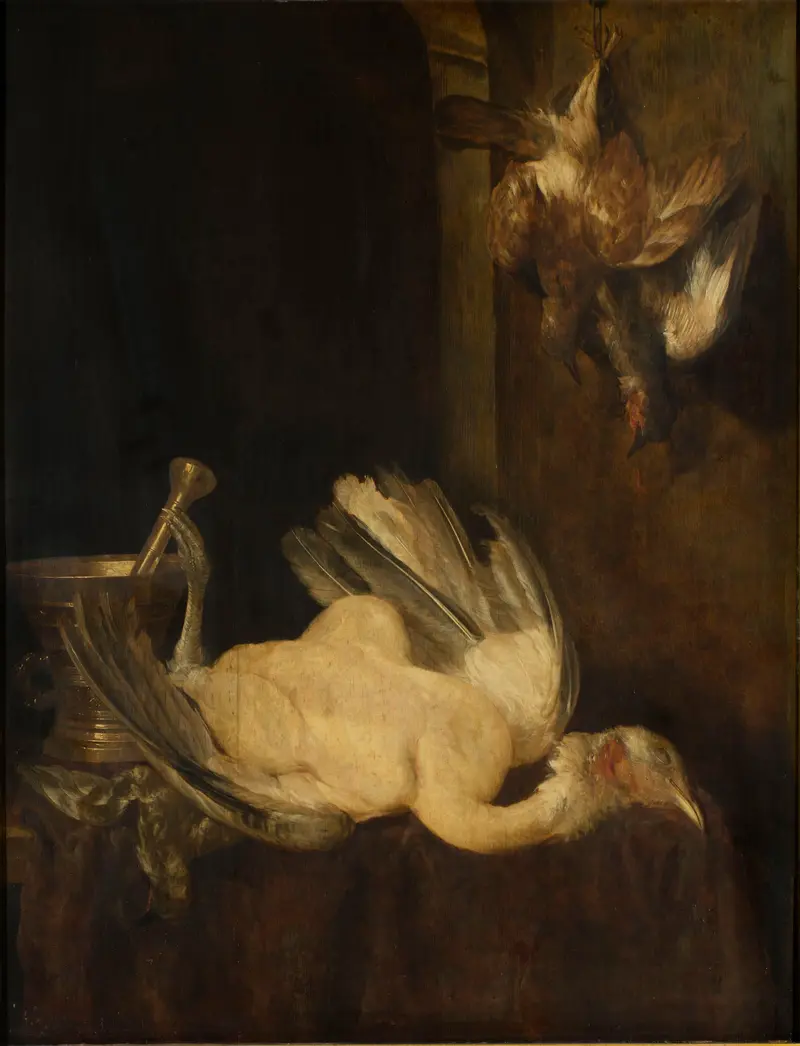
Still life with dead birds
Abraham van Beyeren
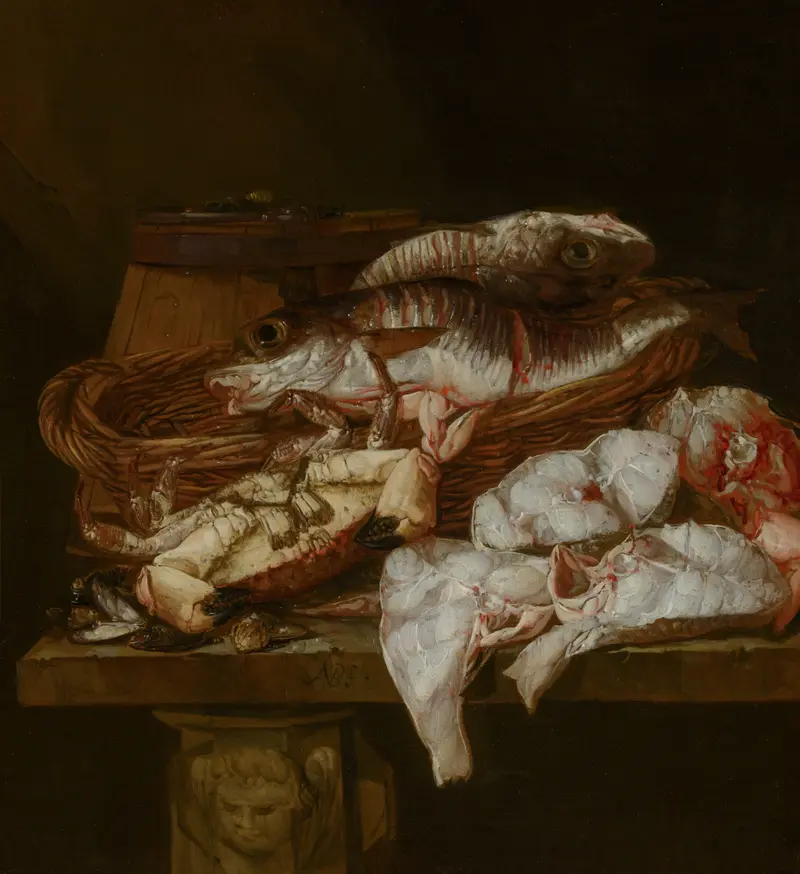
Still Life with Seafood
Abraham van Beyeren





