
Sir James Montgomery, Second Baronet of Stanhope — History & Facts
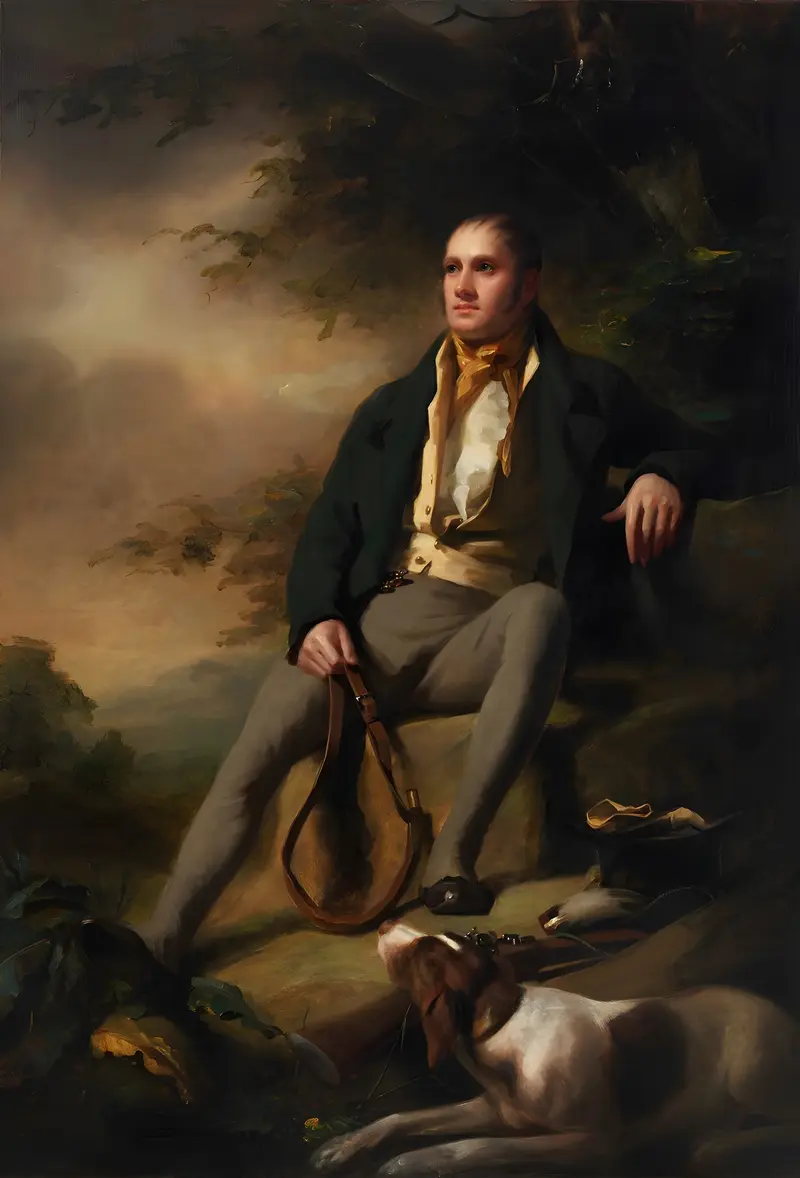
Few portraits by Sir Henry Raeburn have sparked as much curiosity as Sir James Montgomery, Second Baronet of Stanhope. The sitter, a prominent Scottish landowner and politician, was a figure of local and national importance in the late eighteenth and early nineteenth centuries. The painting’s exact date remains uncertain, adding to its mystique, and no records survive detailing the original commission.
Scholars have noted that the work’s provenance is unusually obscure for a Raeburn portrait, with its early history lost to time. This sense of mystery has only heightened interest in the painting, especially as it captures a man whose family shaped the landscape of Scotland’s Borders for generations. Raeburn’s portrait fixes Sir James at the height of his confidence and authority. The sitter’s direct gaze and upright posture convey a sense of duty and self-assurance, while his attire—rich but restrained—signals both wealth and a certain Scottish reserve.
The light falls gently across Sir James’s face, illuminating his features and lending a sense of immediacy to the encounter. Unlike the theatricality of Thomas Lawrence’s portraits, Raeburn’s approach is quieter, focusing on psychological presence rather than grand gestures. The background is subdued, drawing the viewer’s attention entirely to the sitter’s expression and stance, which seem to invite the viewer into a silent conversation about power and responsibility. The painting’s physical history is as enigmatic as its origins.
Without clear records of its early ownership, it is likely that the work remained in private hands, possibly within the Montgomery family, before entering the public sphere. Today, it stands as a representative example of Raeburn’s mature portrait style, celebrated for its clarity and insight into character. While the lack of documentation leaves some questions unanswered, the portrait’s survival and continued display allow new generations to encounter both the sitter and the artist in a direct and personal way.
In the broader context of Raeburn’s career, it exemplifies his gift for capturing the stature and humanity of Scotland’s elite.
More Artworks by Sir Henry Raeburn

Portrait of Hugh Hope
Sir Henry Raeburn
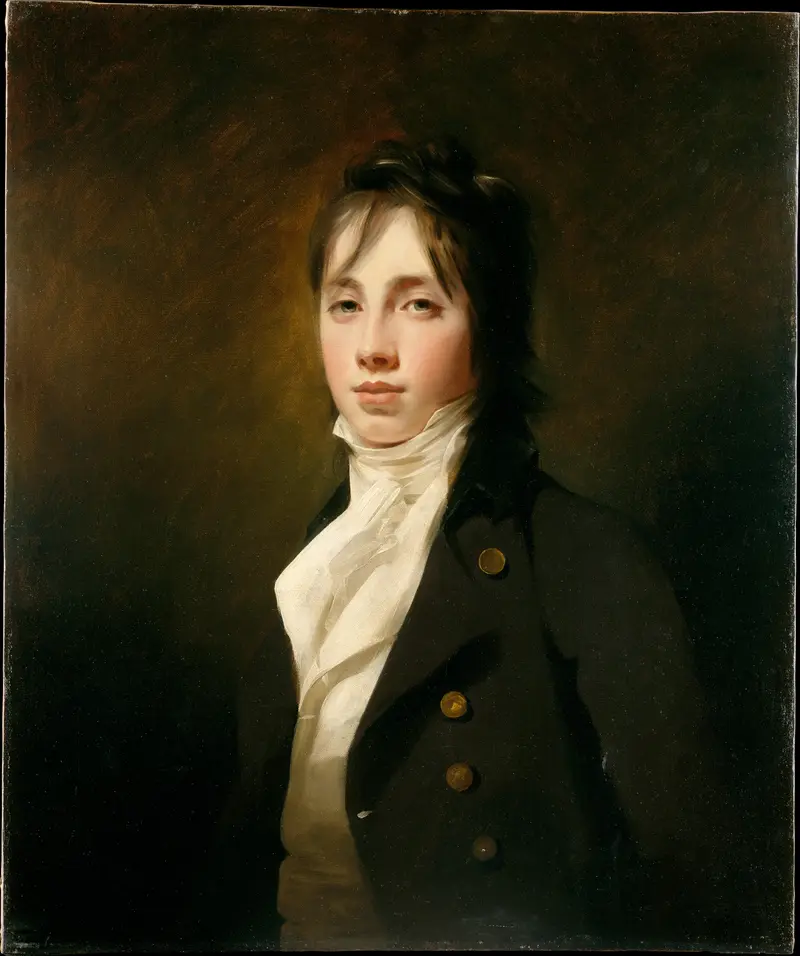
William Fraser of Reelig (1784–1835)
Sir Henry Raeburn
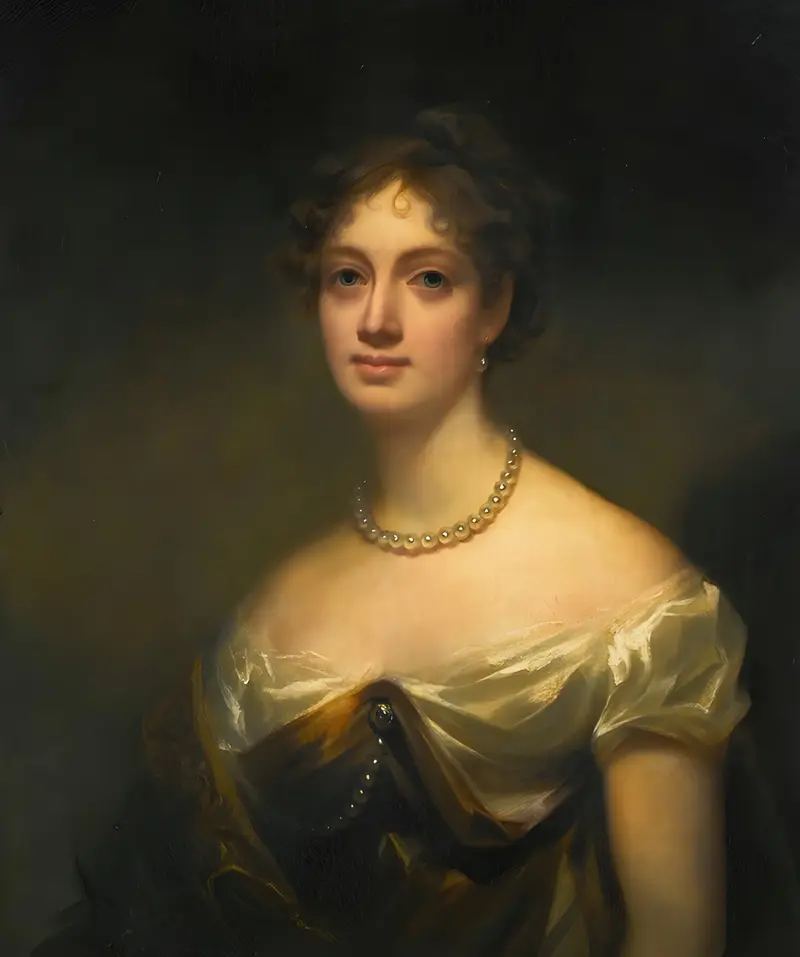
Portrait Of Anne Blair Maconochie Welwood Of Garvock, Lady Meadowbank (1784–1866)
Sir Henry Raeburn
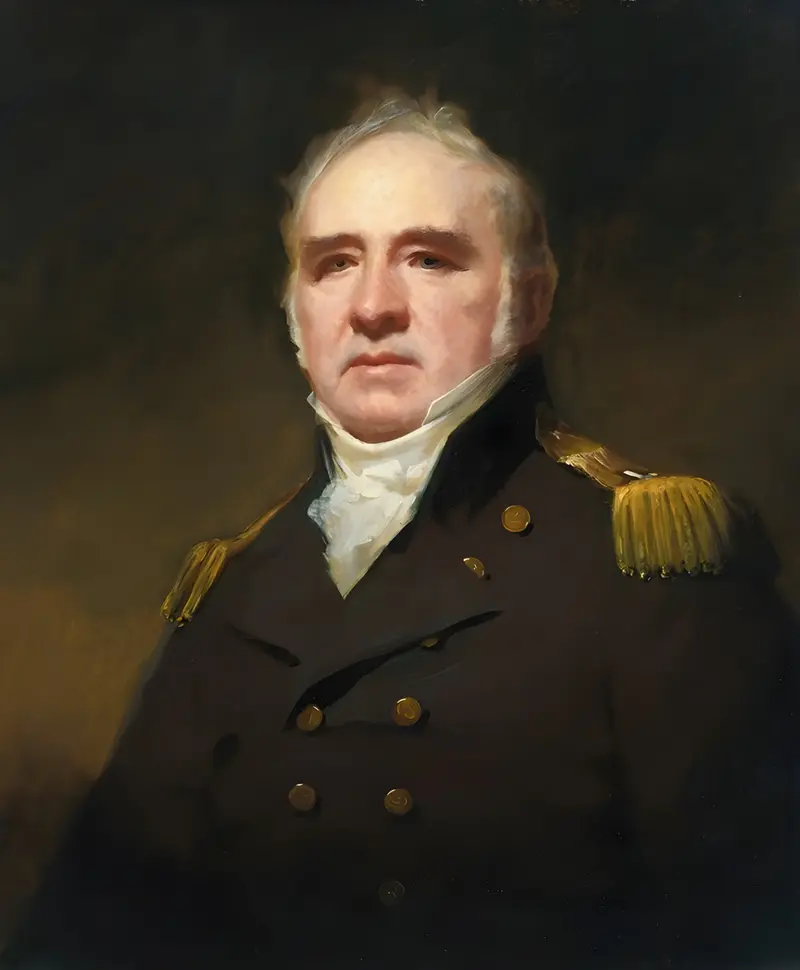
Portrait Of Captain James Forbes-Drummond, R.N., Of Hawthornden
Sir Henry Raeburn
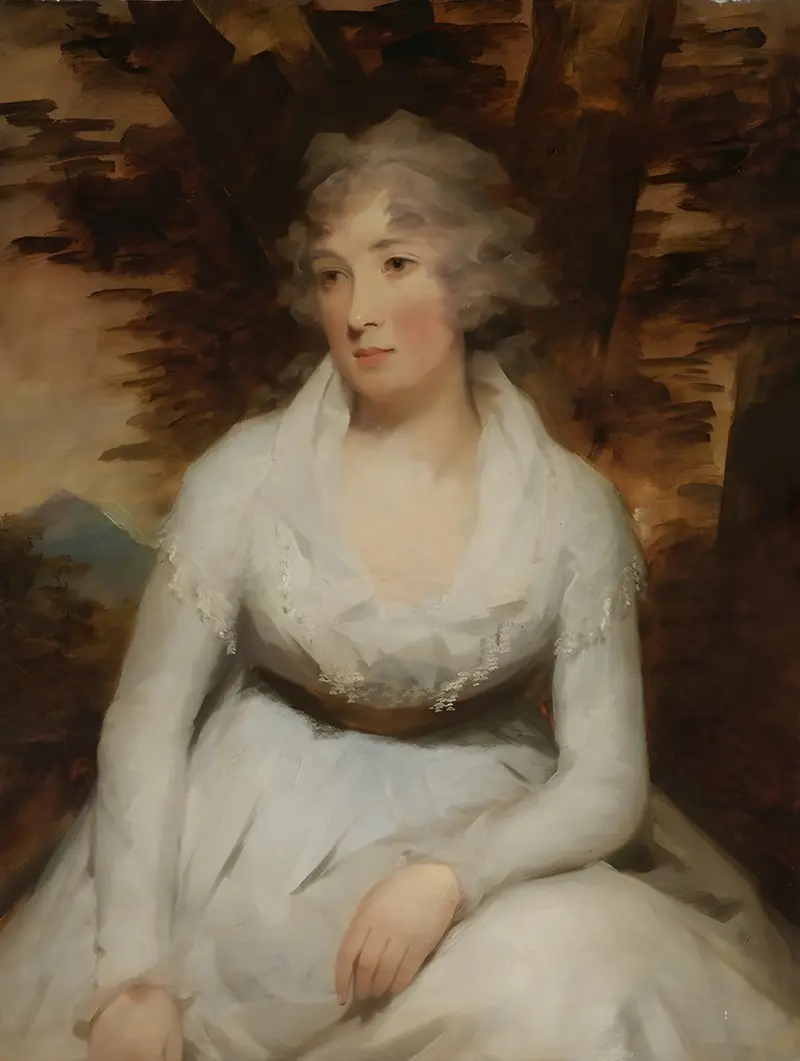
Miss Elizabeth Dalrymple (afterwards Mrs. George Leith)
Sir Henry Raeburn
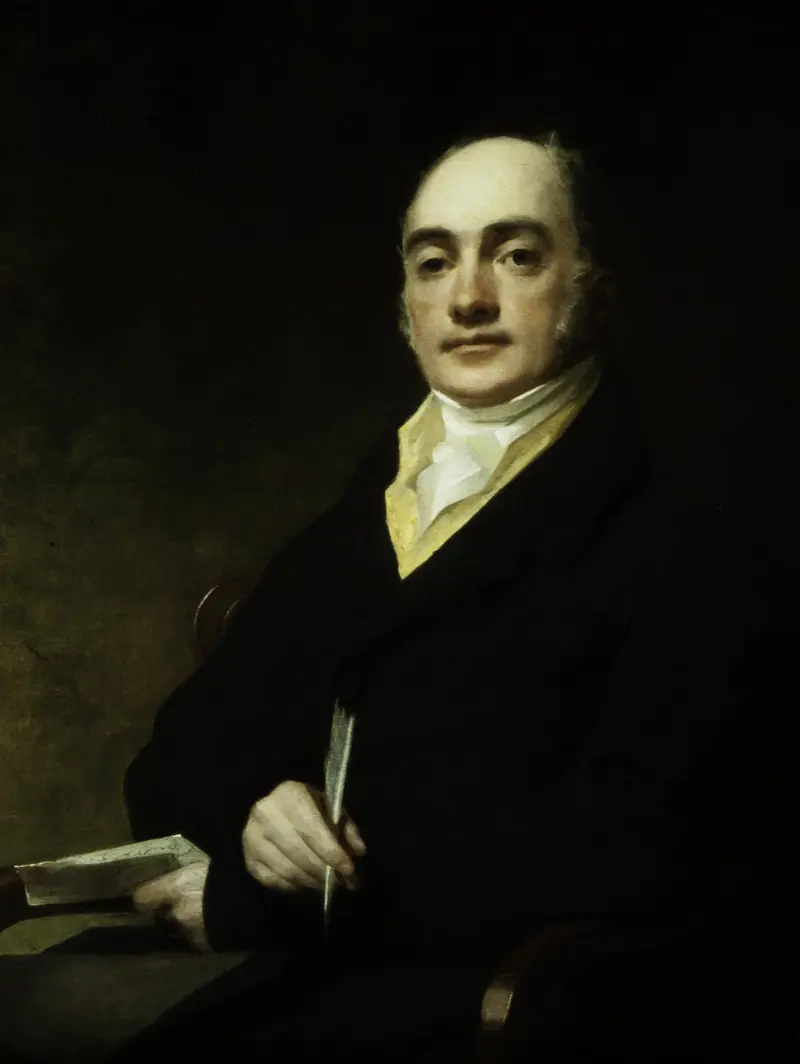
Portrait of John Baillie (1772-1833)
Sir Henry Raeburn
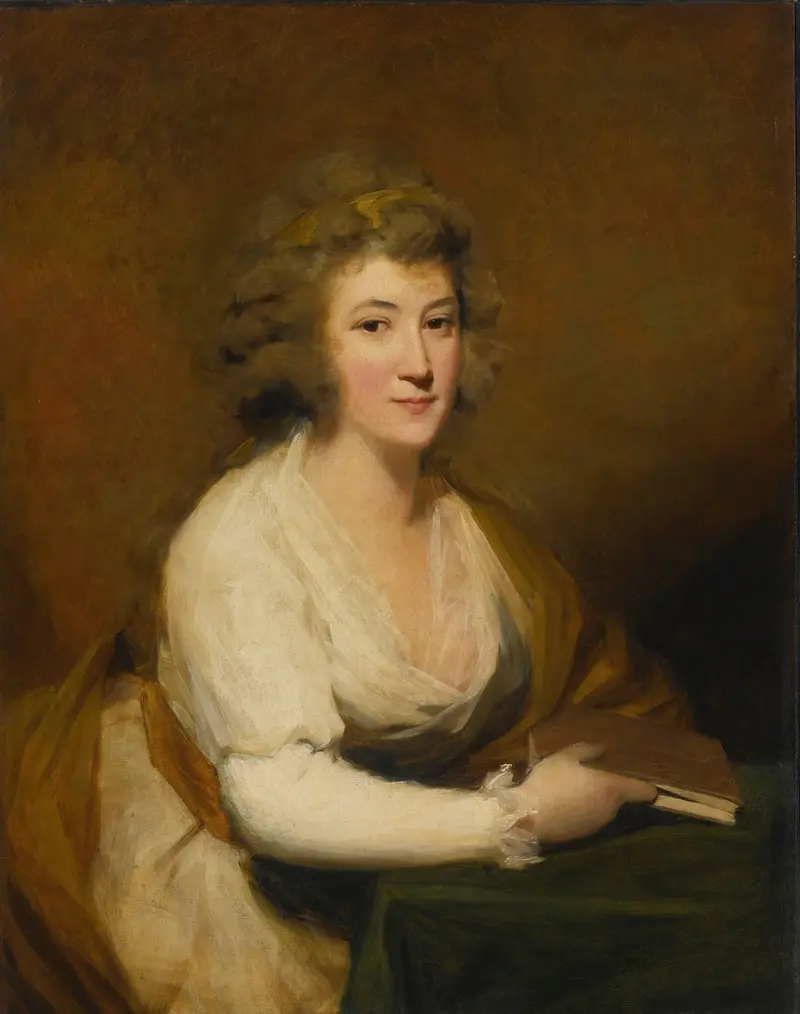
Portrait Of Lady Nasmyth, In A White Dress And Brown Shawl, Seated At A Table, Holding A Book
Sir Henry Raeburn
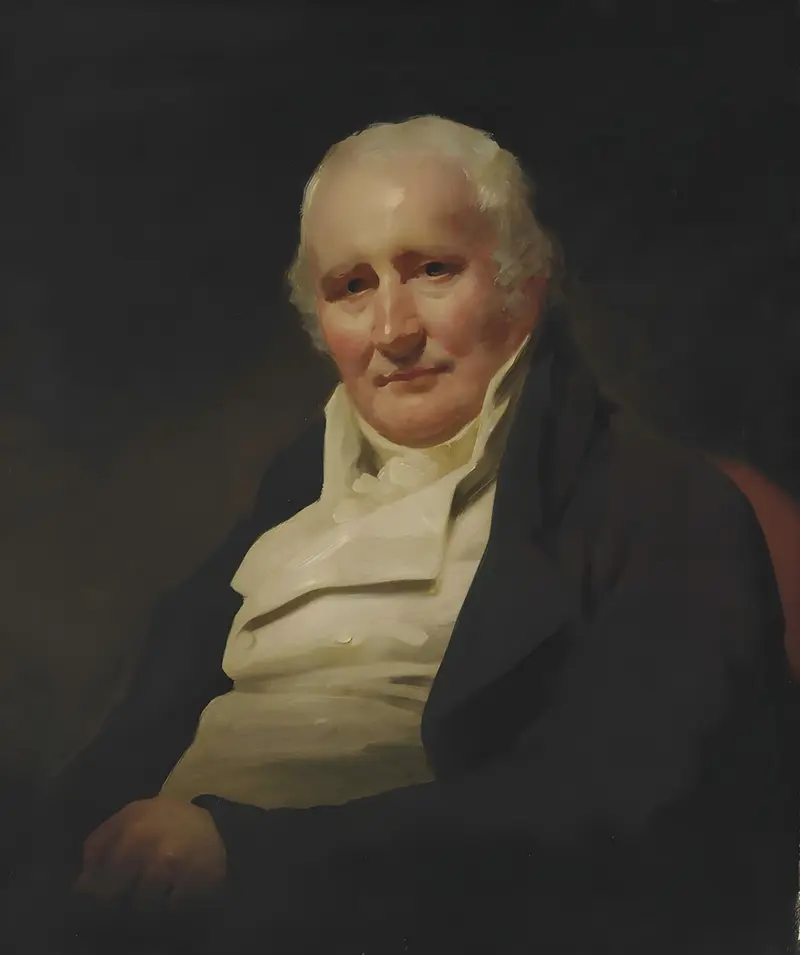
Portrait Of Mr. Spottiswood
Sir Henry Raeburn
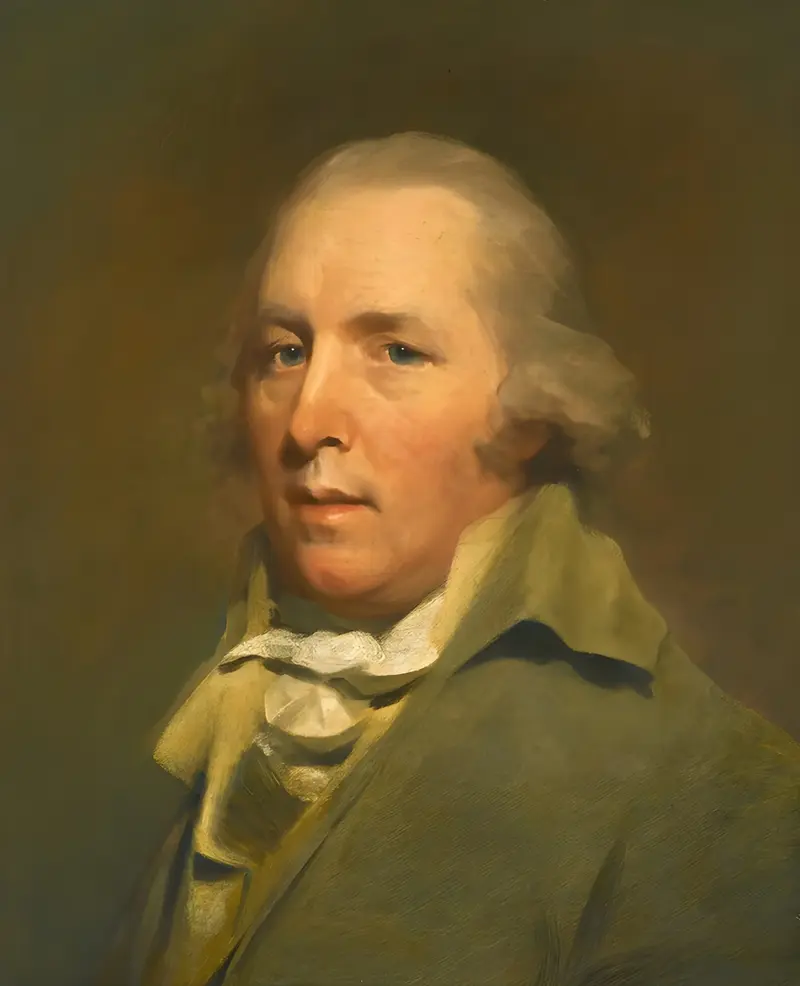
Portrait Of The Reverend John Home (1722-1808)
Sir Henry Raeburn
Portrait of William Hunt (c.1796-1854), Pittencrief House, Dunfermline
Sir Henry Raeburn





