
Six-day race in Berlin — History & Facts
Did the painter know this moment would outlive them? In Six-day race in Berlin, a vivid tableau captures the fervor of competition and the unwavering human spirit, immortalizing a fleeting instance steeped in faith and determination. Focus first on the dynamic movement of the cyclists, their muscular forms straining against the confines of their machines. Notice how Slevogt employs swift, sweeping brushstrokes that suggest both speed and urgency, drawing your eyes to the athletes racing around the track. The vibrant palette of reds and yellows contrasts sharply with the muted tones of the spectators, creating a sense of intensity that envelops the scene.
The chiaroscuro enhances the figures, bringing forth their determination while simultaneously casting shadows that whisper of the challenges they confront. Delve deeper to uncover the emotional undercurrents at play. The spectators, a motley crew of faces, embody a spectrum of hope, anxiety, and exhilaration, each expression contributing to the collective tension of the race. The juxtaposition of the cyclists' fierce concentration against the crowd’s varied reactions speaks to a communal belief in the extraordinary—a faith that transcends mere sport.
This moment, teeming with aspiration, echoes the essence of perseverance amidst uncertainty. In 1909, while living in Germany, Max Slevogt painted this piece during a vibrant time for the art world, where expressionism was beginning to take root. The artist was a prominent member of the Berlin Secession, a movement that sought to push the boundaries of artistic expression. Amidst the backdrop of a rapidly modernizing society, Six-day race in Berlin encapsulates both the excitement of the era and the enduring human quest for victory and meaning.
More Artworks by Max Slevogt
Browse all →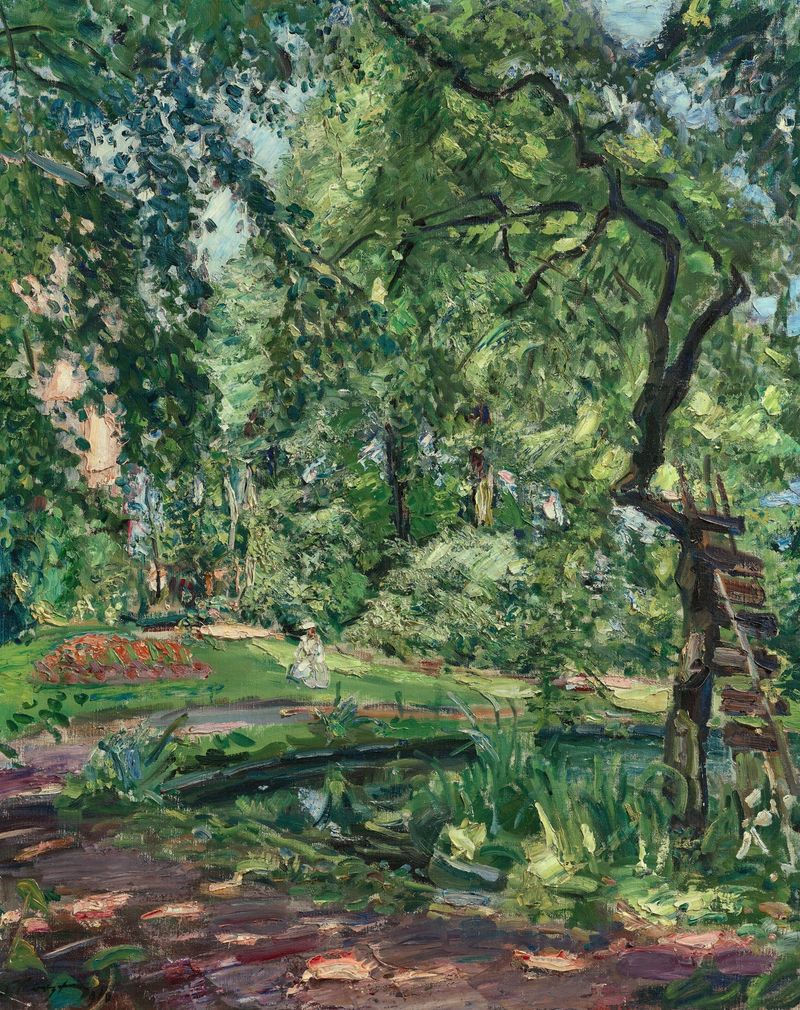
Garten in Godramstein mit verwachsenem Baum und Weiher
Max Slevogt
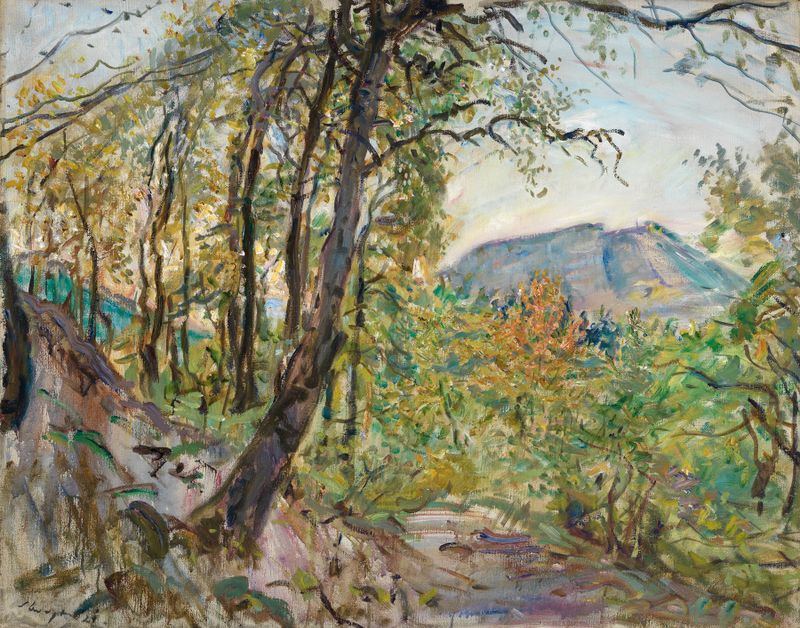
Pfälzische Landschaft
Max Slevogt
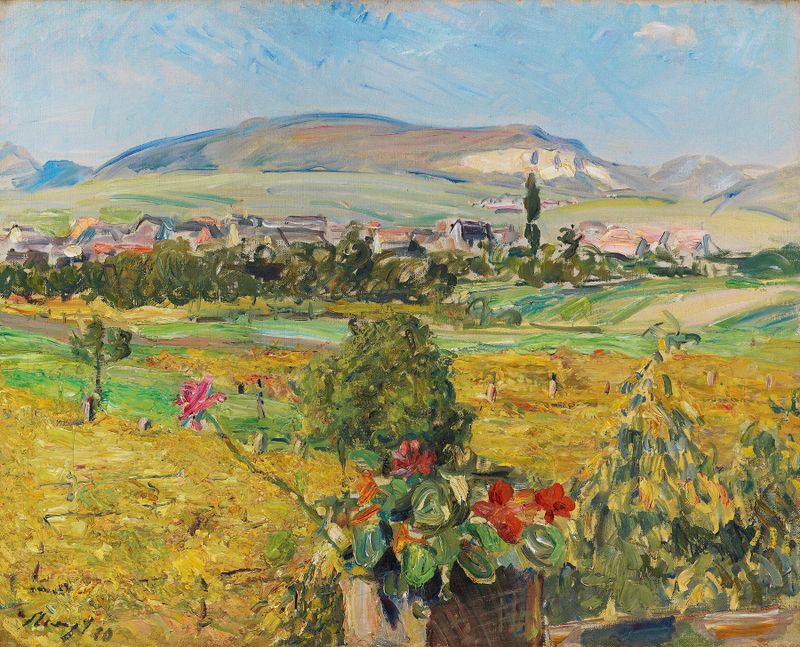
Pfälzer Landschaft
Max Slevogt

Kinder am Weiher (Garten in Godramstein)
Max Slevogt
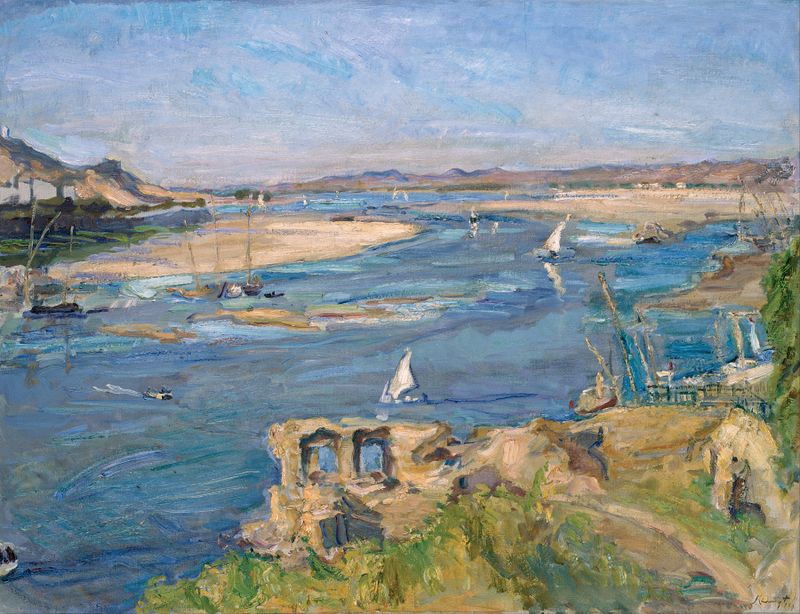
The Nile near Aswan
Max Slevogt
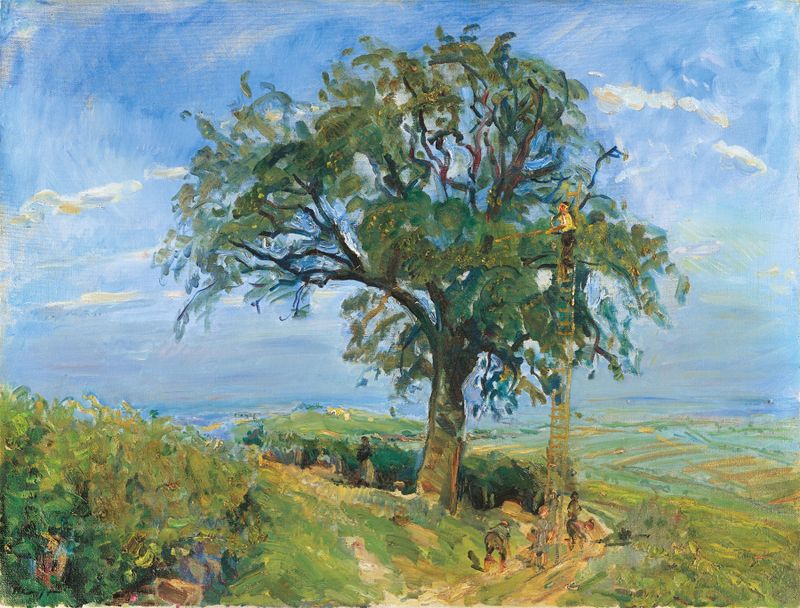
Fruit harvest in the Palatinate (The pear tree)
Max Slevogt
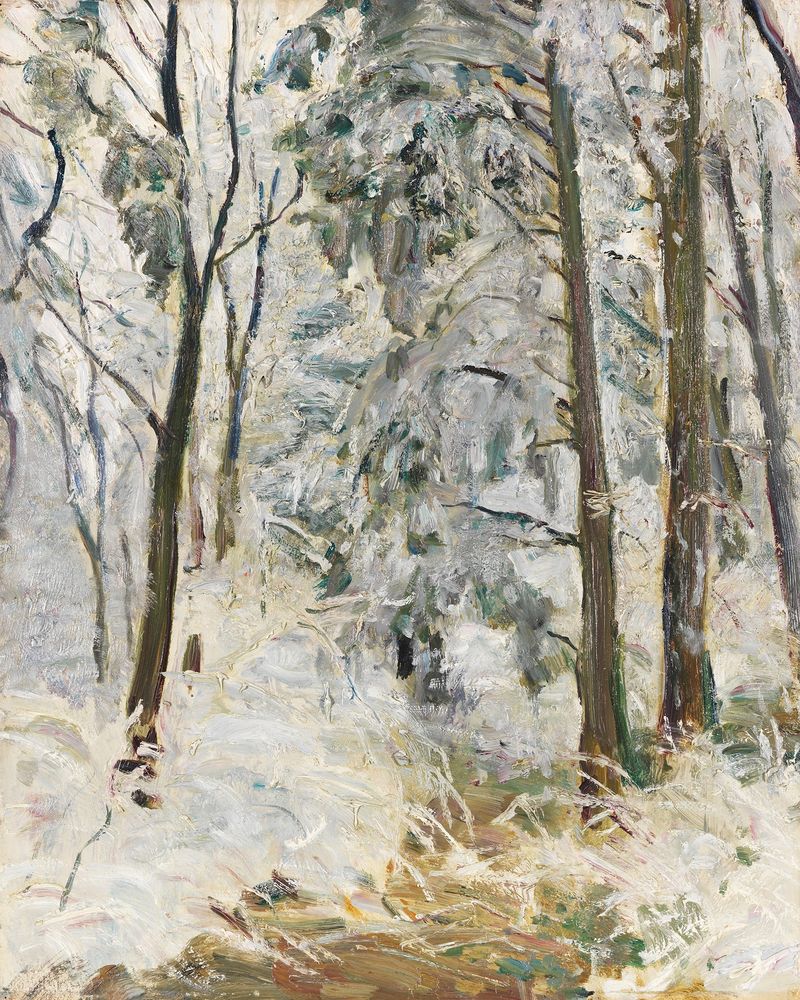
Verschneiter Waldweg
Max Slevogt
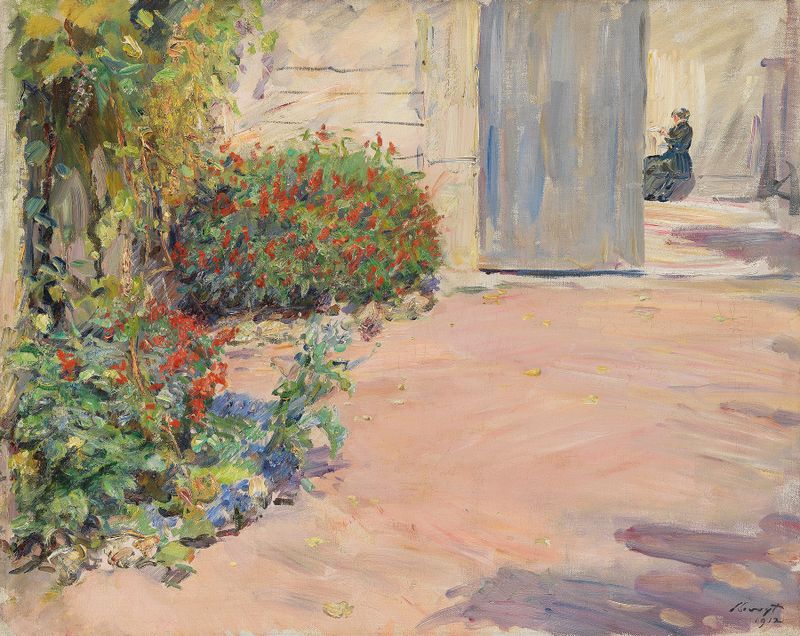
Gartenweg zum Sommerhaus (Godramstein)
Max Slevogt

Grape harvest at Neukastel
Max Slevogt
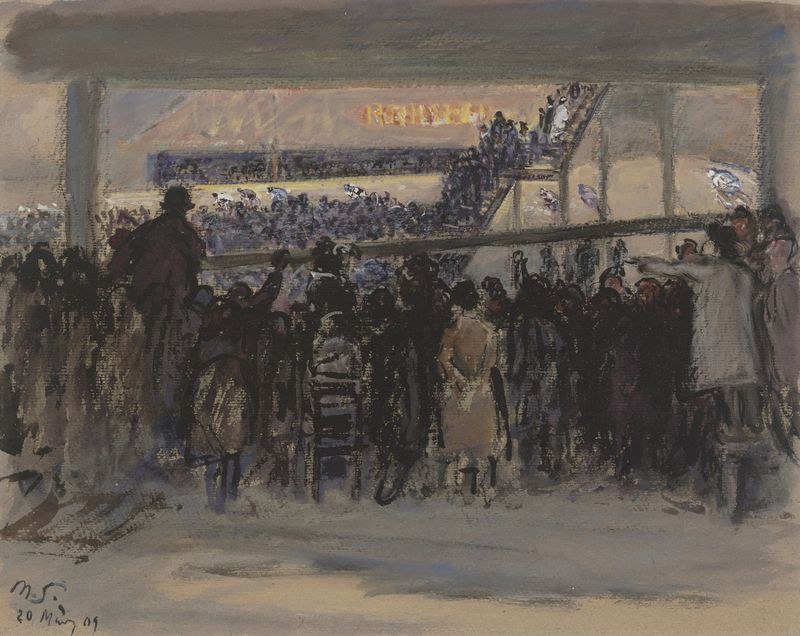
Berliner Sechstagerennen
Max Slevogt





