
Skeleton of a Camel — History & Facts
What first catches the eye in Skeleton of a Camel is not the starkness of death, but the way sunlight carves the bones into sculpture. The camel’s skeleton lies curled beneath a spindly tree, its ribcage thrown open to the sky, every bone edged in violet shadow. The painter draws you in with color: ochre sand, the cool blue of bone in shade, and the unexpected liveliness of yellow-green branches.
The tree’s trunk slices through the foreground, its presence as assertive as the remains at its feet, while the horizon shimmers with distant foliage and a suggestion of life continuing elsewhere. Here, the emptiness is not just absence—it is a stage for the drama of survival and decay, the camel’s story told in the language of light. Painted in 1909, this work stands at the crossroads of European fascination with Africa and the modernist urge to capture sensation over narrative. Akseli Gallen-Kallela was known for his explorations beyond his native Finland, and this painting belongs to a period when artists sought new landscapes and new ways of seeing.
The image is not a scientific study but a meditation on the harsh realities of the desert, filtered through the artist’s eye for pattern and color. History has kept few traces of this particular canvas, now documented in a Finnish collection, but it holds its own as a record of both an encounter with Africa and a moment in early twentieth-century art when the world seemed newly open to discovery. The camel’s bones, sun-bleached and silent, invite us to look again at life’s fragile hold on the land.
More Artworks by Akseli Gallen-Kallela
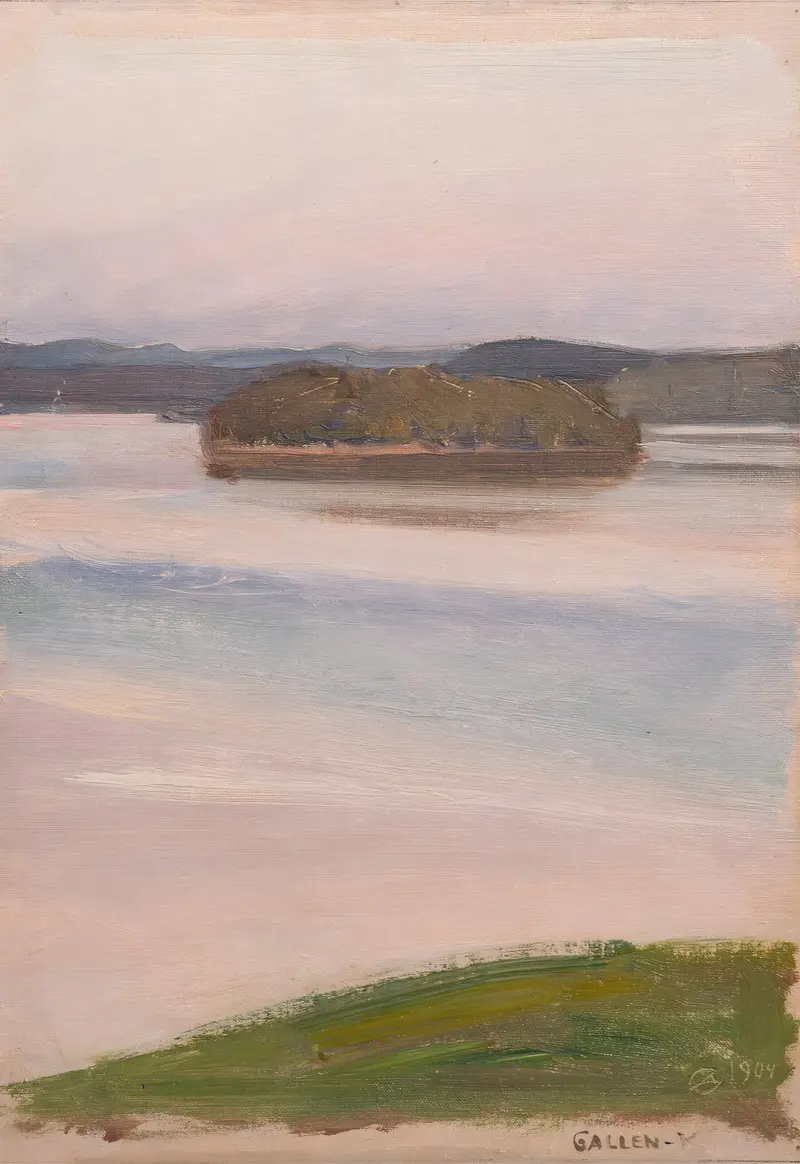
Lake Keitele
Akseli Gallen-Kallela
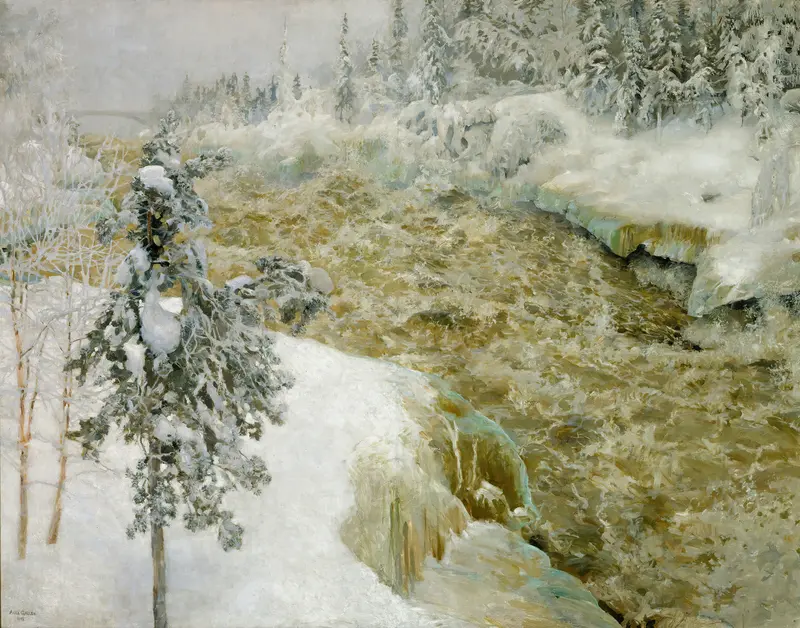
Imatra Falls in Snow ; Imatra in Winter
Akseli Gallen-Kallela
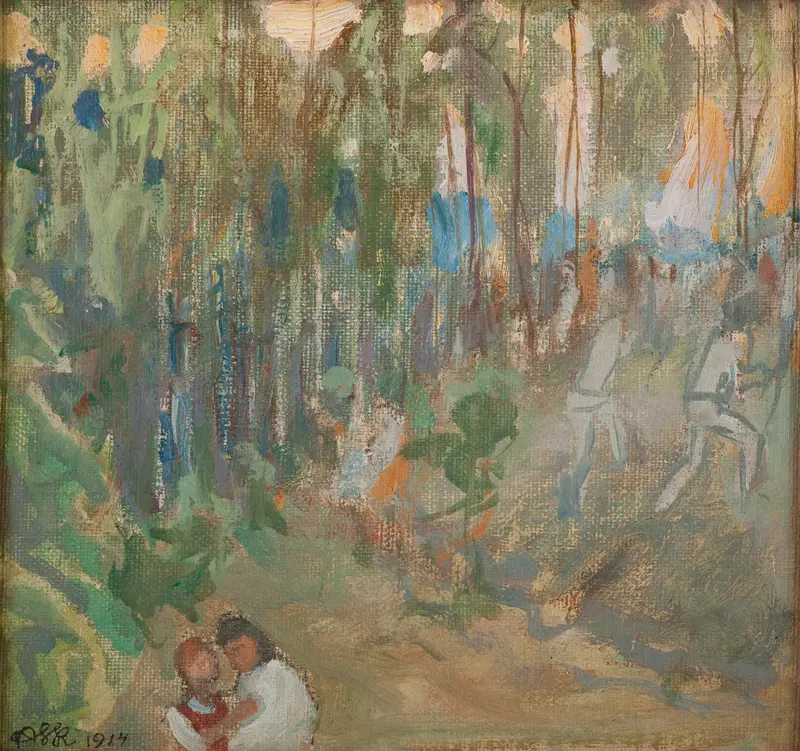
Vainovalkeat
Akseli Gallen-Kallela
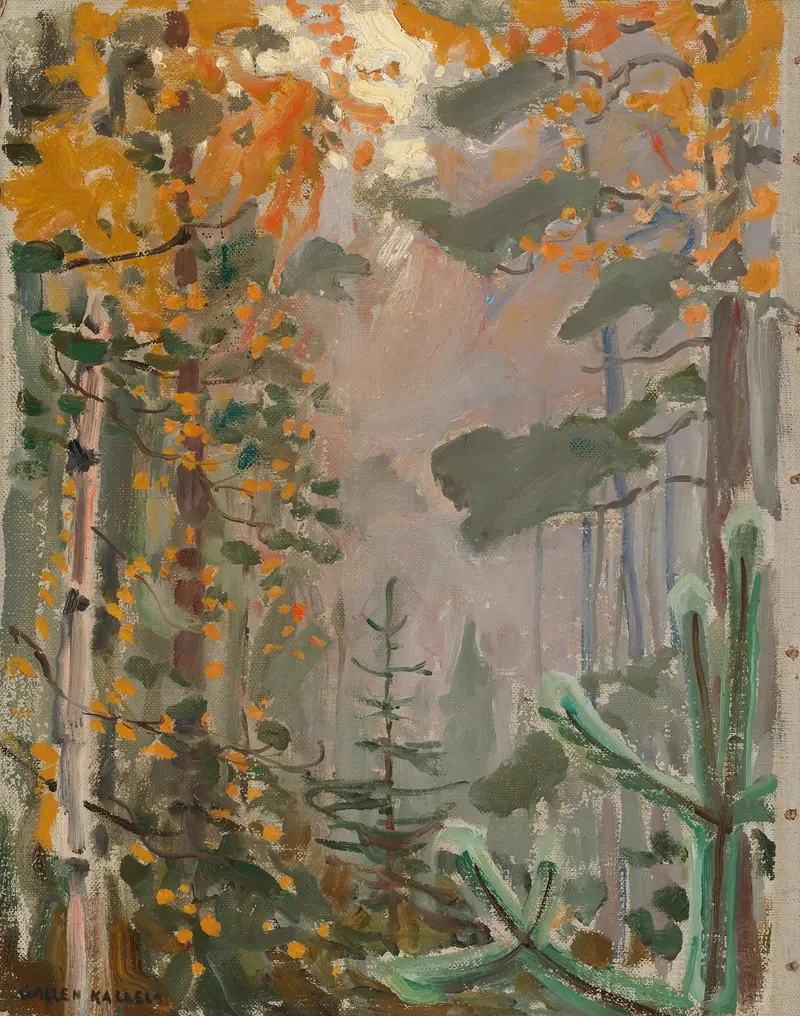
Autumn Landscape
Akseli Gallen-Kallela
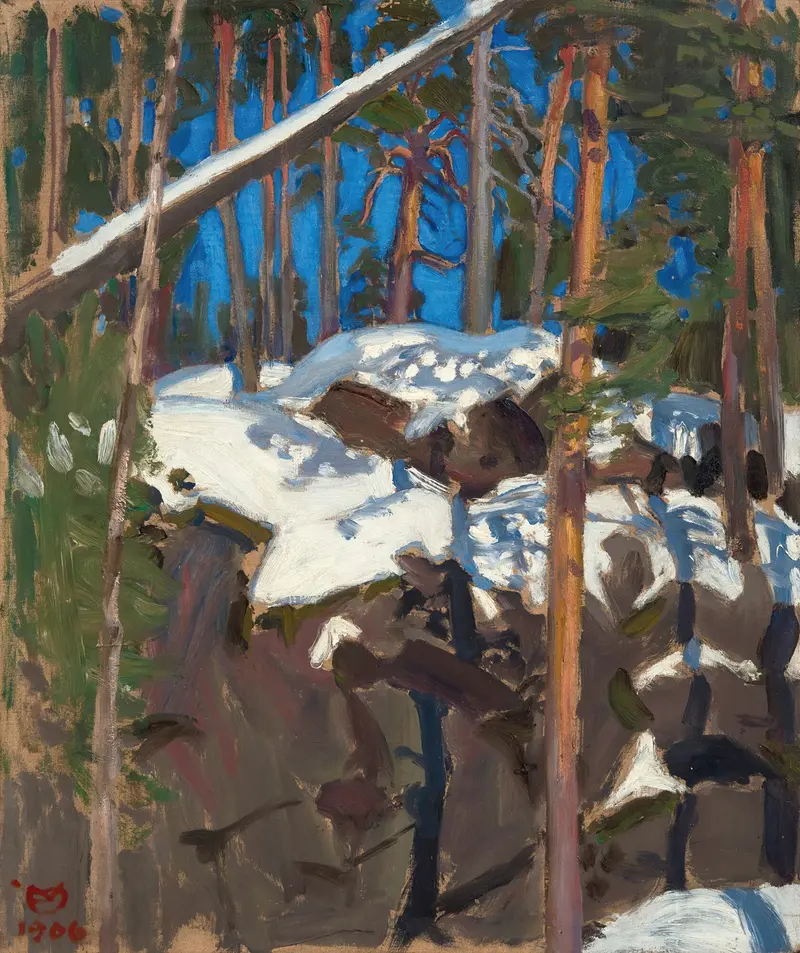
Spring Sun At Konginkangas
Akseli Gallen-Kallela
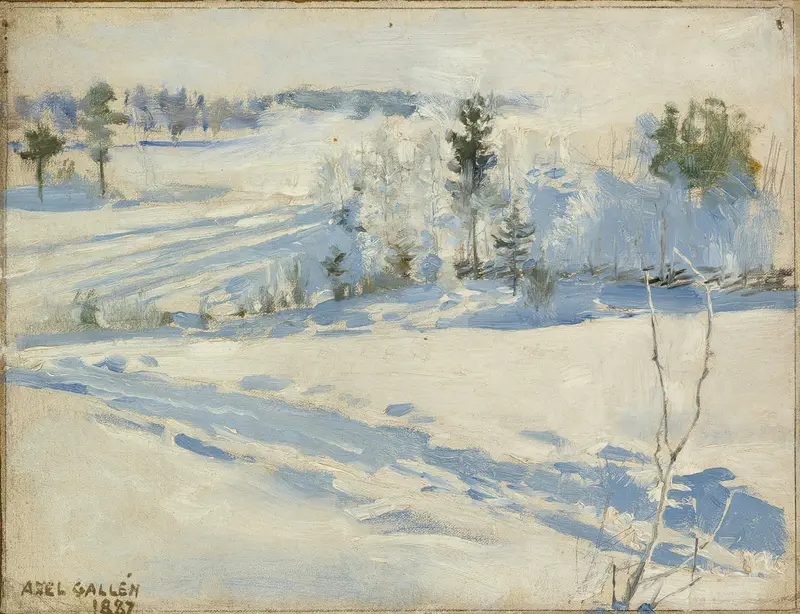
Winter Landscape
Akseli Gallen-Kallela

First Snow
Akseli Gallen-Kallela
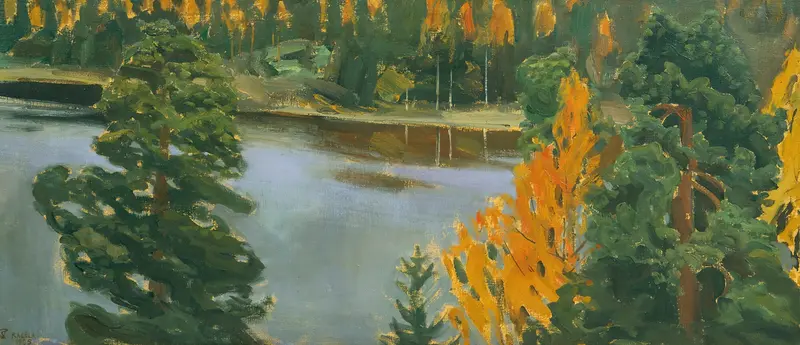
Lake View In Autumn
Akseli Gallen-Kallela
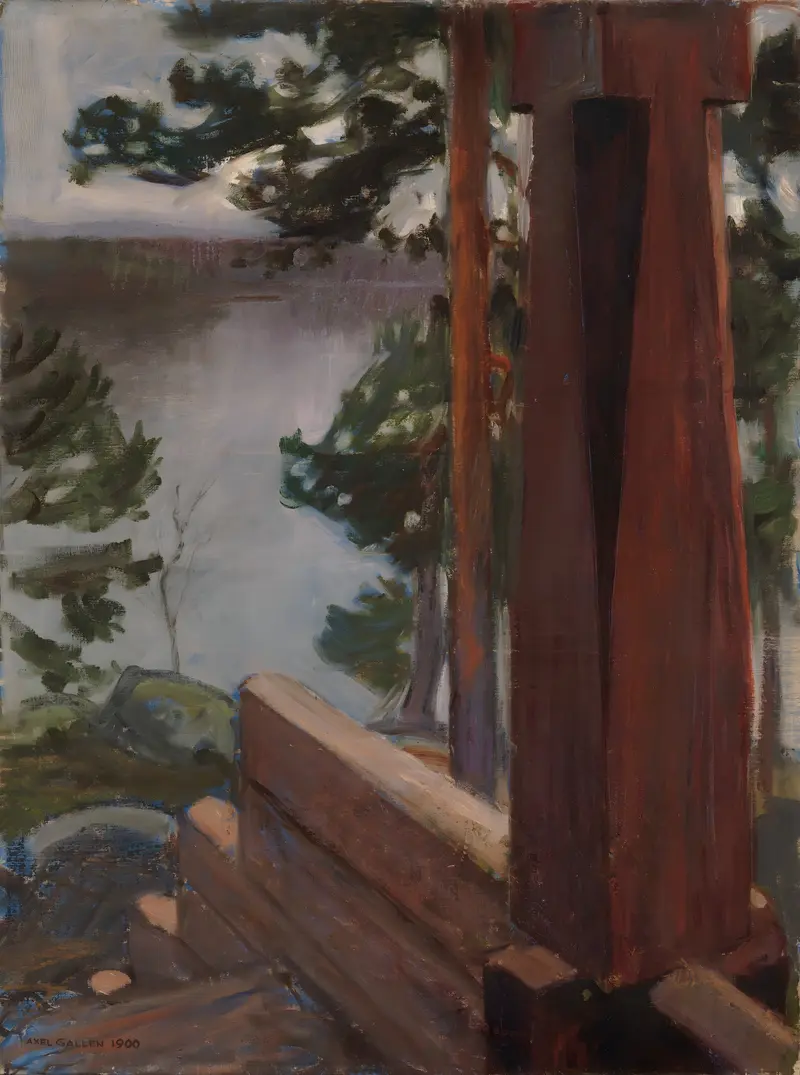
The Kalela Porch
Akseli Gallen-Kallela

Light Behind The Clouds
Akseli Gallen-Kallela
More Landscape Art

The Starry Night
Vincent van Gogh

View of Delft
Johannes Vermeer

Water Lilies
Claude Monet

The Grand Canal, Venice, looking north-west from the Ca' Corner to the Ca' Contarini degli Scrigni, with the campanile of Santa Maria della Carità
Canaletto

Windsor Castle
Canaletto

The Grand Canal looking North-East from the Palazzo Dolfin-Manin to the Rialto Bridge
Canaletto