
Sleep and His Half-Brother Death — History & Facts
What first draws the eye in Sleep and His Half-Brother Death is the uncanny stillness shared between the two reclining figures—one glowing with the gentle flush of youth, the other pale and remote, as if already drifting beyond reach. The younger, softer face leans into the shadowed embrace of his companion, a poppy slipping from his hand, its red the only vivid color in the hush of ochre and brown. The painter leads us from the warmth of the foreground—bare skin, rumpled drapery—into the cool, receding gloom of the chamber, where a smoking brazier and a silent lyre hint at rituals and music now stilled.
The columns outside the window suggest a world of myth, but inside, all is suspended between waking and oblivion. The composition lingers on the threshold, inviting the viewer to wonder which brother holds sway in this moment. Created in 1874, this work belongs to the era when British artists, inspired by the Pre-Raphaelites and the classical revival, turned frequently to myth and allegory to probe the mysteries of the human condition. Painters like John William Waterhouse—here still early in his career—found in Greek stories a language for exploring the boundaries between body and spirit, life and its quiet cessation.
Such paintings were often intended for private contemplation or as conversation pieces in cultured homes, their ambiguous moods and classical references inviting viewers to linger and interpret. History has kept few traces of the specific journey of this canvas, but its subject and style place it firmly within a generation eager to find new meanings in old myths. The longer you look, the more the painting seems to hover, unresolved, between the worlds of sleep and death.
More Artworks by John William Waterhouse
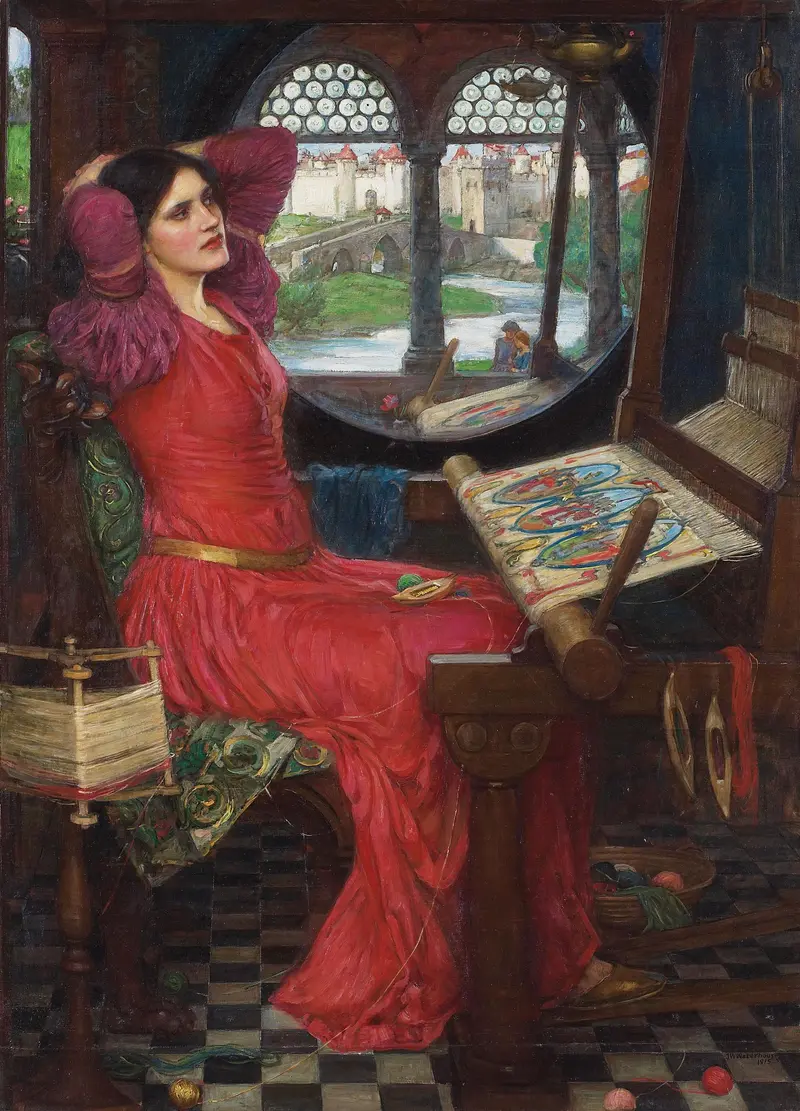
'I Am Half-Sick of Shadows,' Said the Lady of Shalott
John William Waterhouse

The Favourites of the Emperor Honorius, 1883
John William Waterhouse

The Lady of Shalott
John William Waterhouse
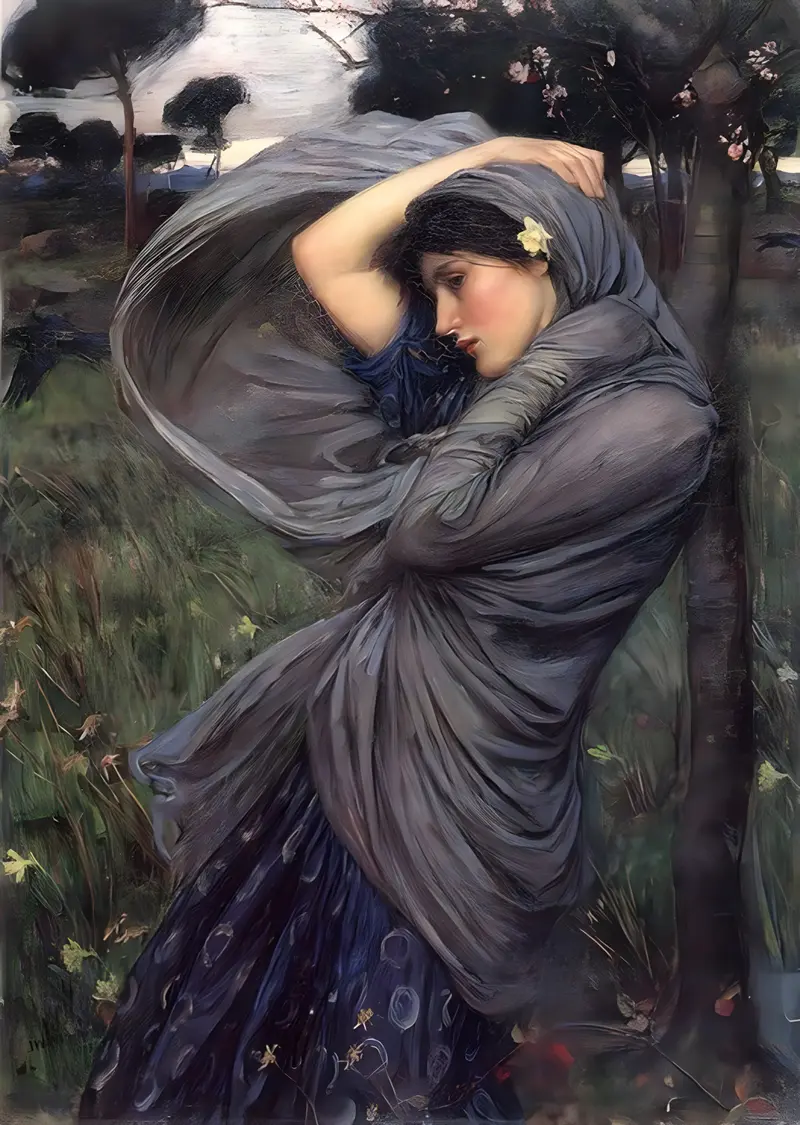
Boreas
John William Waterhouse
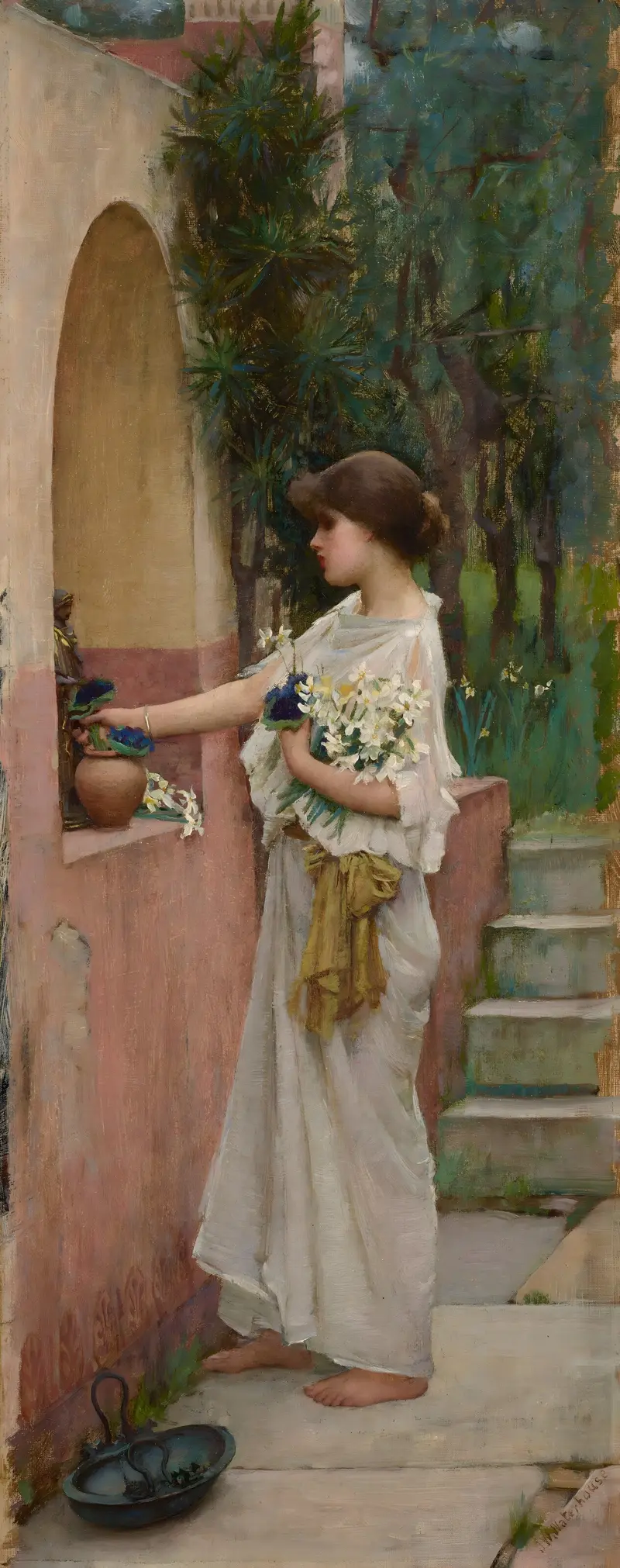
A Roman Offering
John William Waterhouse
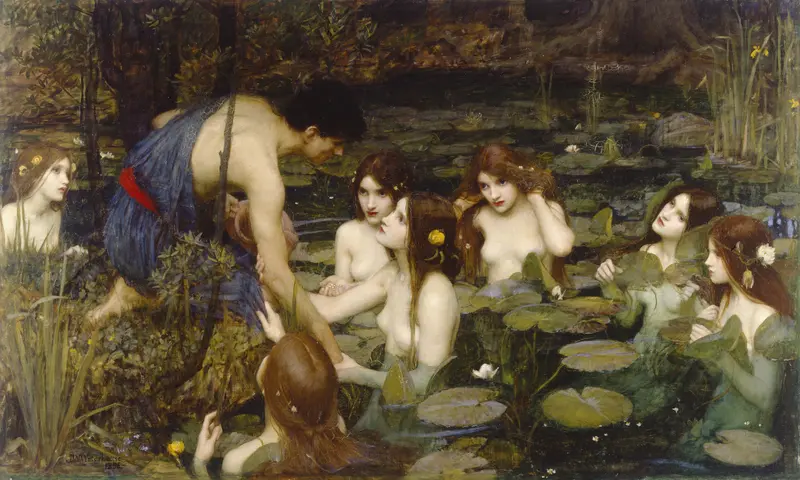
Hylas and the Nymphs
John William Waterhouse
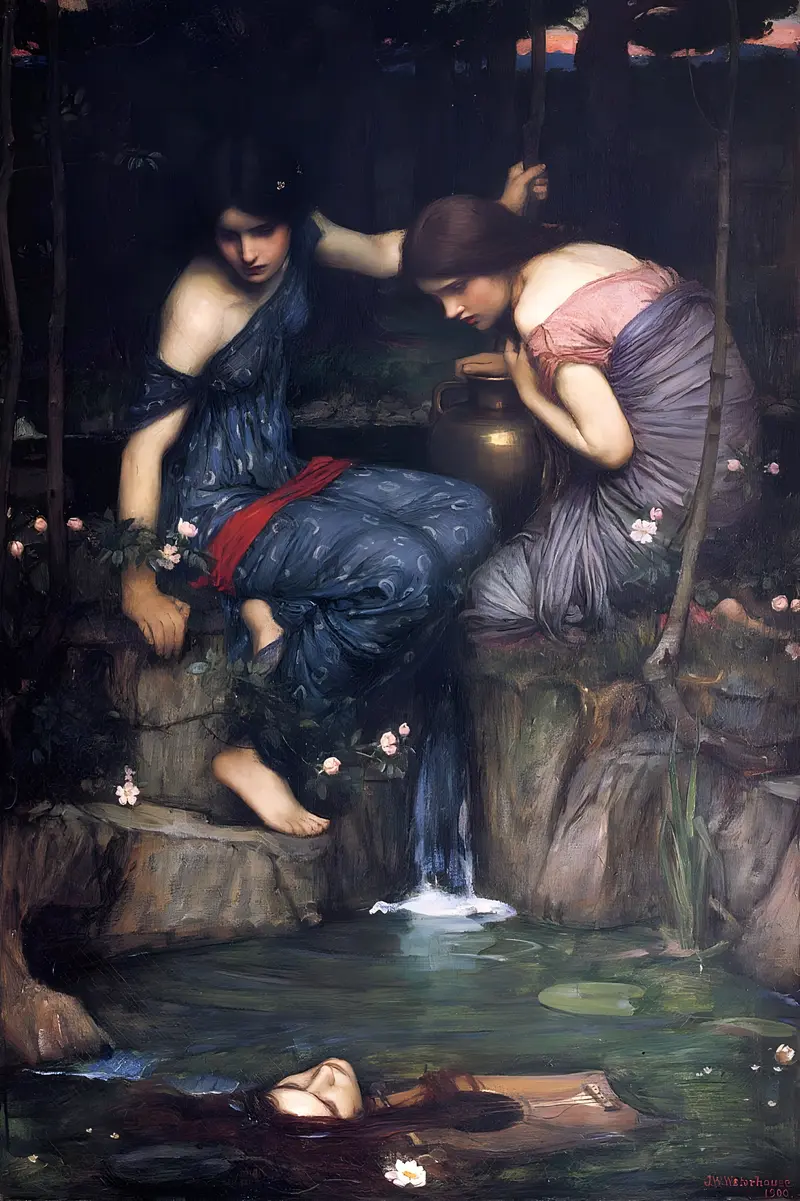
Nymphs Finding the Head of Orpheus
John William Waterhouse
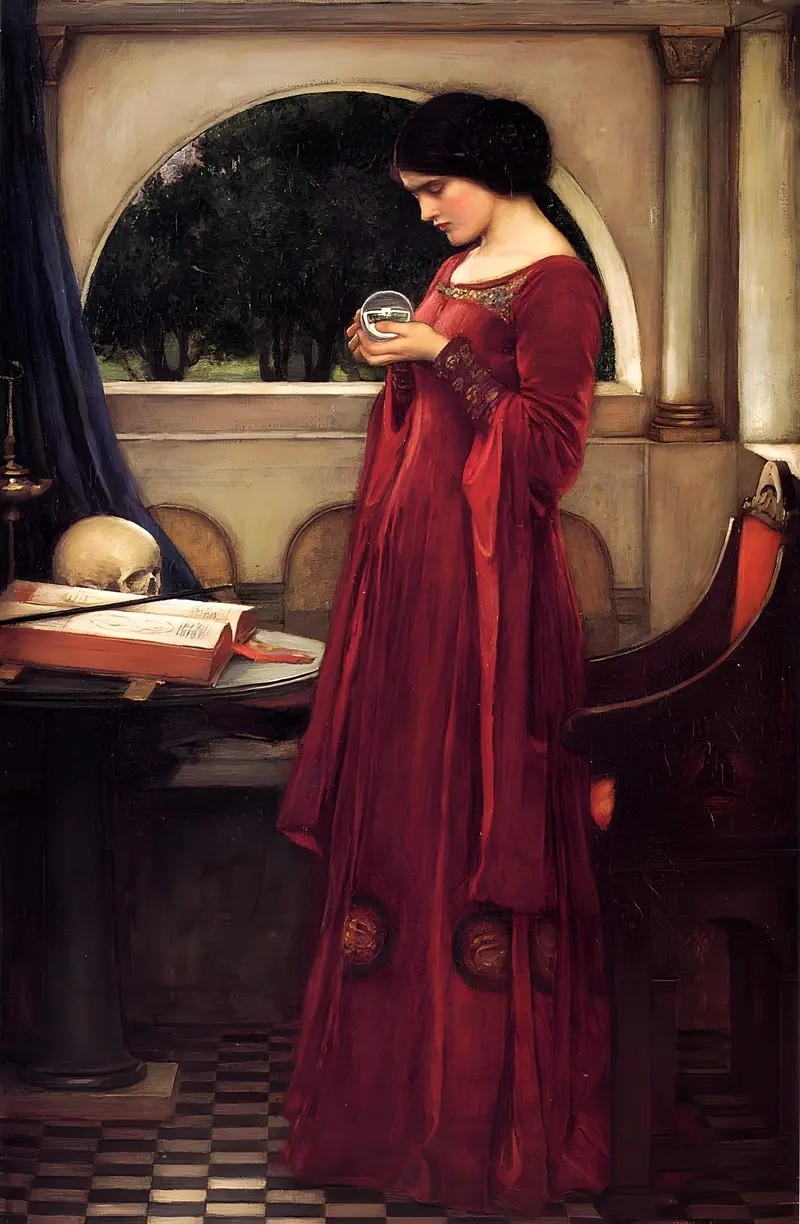
The Crystal Ball
John William Waterhouse
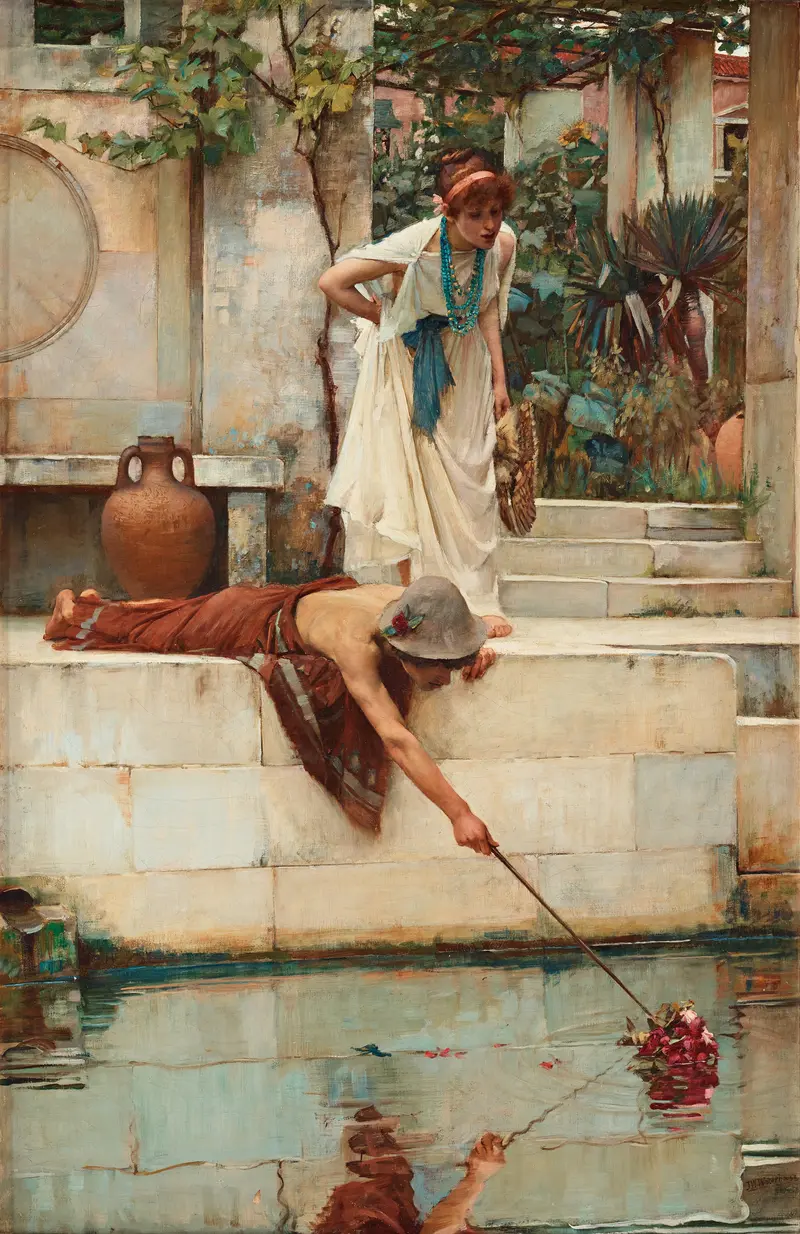
The Rescue
John William Waterhouse
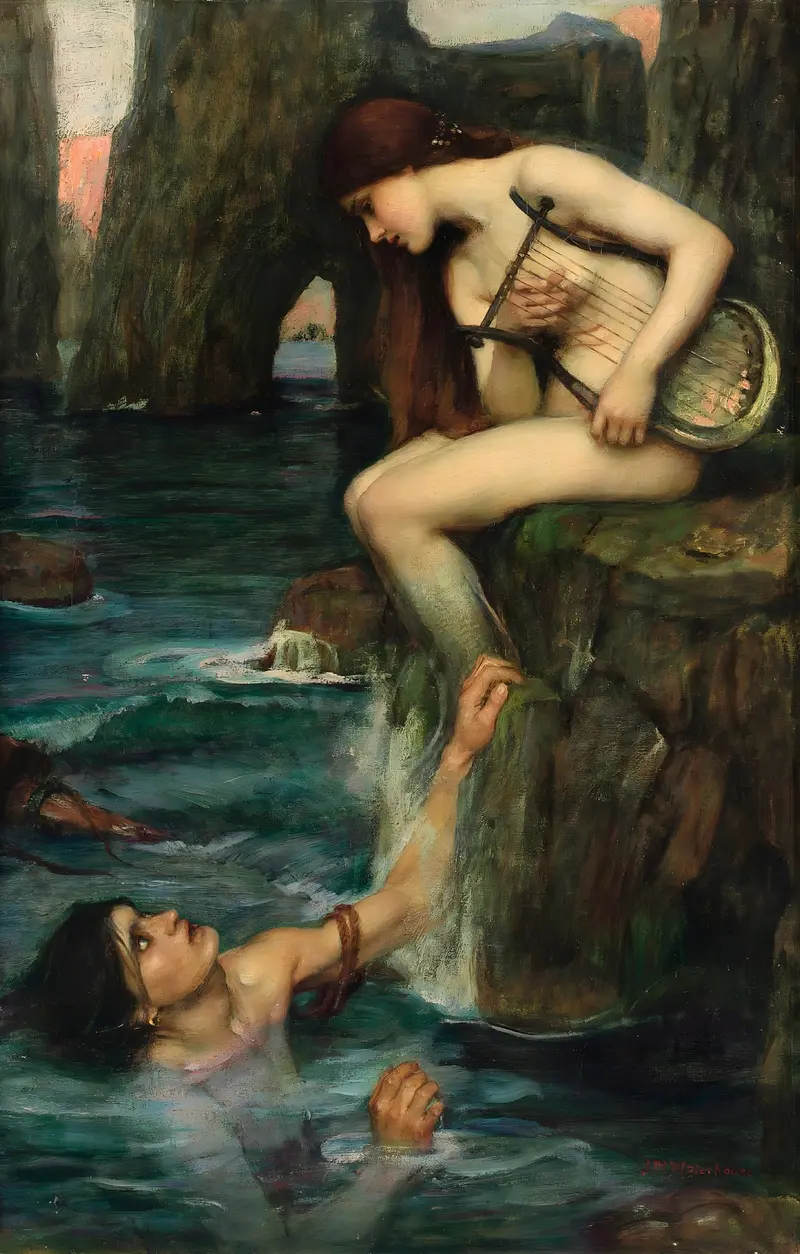
The Siren, 1900
John William Waterhouse





