
Smiling Fishergirl — History & Facts
No other painting by Frans Hals has sparked as much debate about authenticity and intention as Smiling Fishergirl, painted around 1630. For centuries, scholars puzzled over whether this radiant portrait was a genre scene, a commissioned likeness, or even part of a lost pair with Hals’s Fisher Boy. The painting’s uncertain medium—oil on panel or canvas—adds another layer to its mystery, as does the lively, almost unfinished brushwork that some early critics mistook for carelessness.
Its subject, a laughing girl from the working class, was a rare focus for portraiture in the Dutch Golden Age, when most sitters were wealthy burghers or dignified matrons. Caught mid-laughter, the fishergirl leans forward, basket on her arm, her gaze meeting ours with open delight. Hals captures a fleeting moment: the girl’s wind-ruffled hair, sun-warmed cheeks, and the glint of her teeth suggest a break in her daily labor, perhaps after a joke or friendly exchange. The loose, energetic brushstrokes animate her clothing and the shimmering daylight, making her presence immediate and physical.
Unlike the more formal and introspective peasant scenes of Rembrandt, Hals’s approach here is direct and celebratory, emphasizing character over narrative. The basket of fish at her side is both a literal sign of her trade and a symbol of honest work. The early provenance of Smiling Fishergirl remains obscure, as is common with many of Hals’s genre paintings, which were often sold through dealers rather than by commission. By the nineteenth century, the painting had entered several private collections, gaining recognition as a hallmark of Hals’s ability to capture life and personality.
Its attribution was briefly questioned in the twentieth century, but technical studies confirmed the hand of Frans Hals. Today, the painting is celebrated as a defining example of the Dutch Baroque’s fascination with everyday life, and it continues to enchant viewers with its immediacy and warmth.
More Artworks by Frans Hals

Banquet of the Officers of the St George Civic Guard
Frans Hals

Portrait of Jacob Pietersz Olycan (1596-1638)
Frans Hals
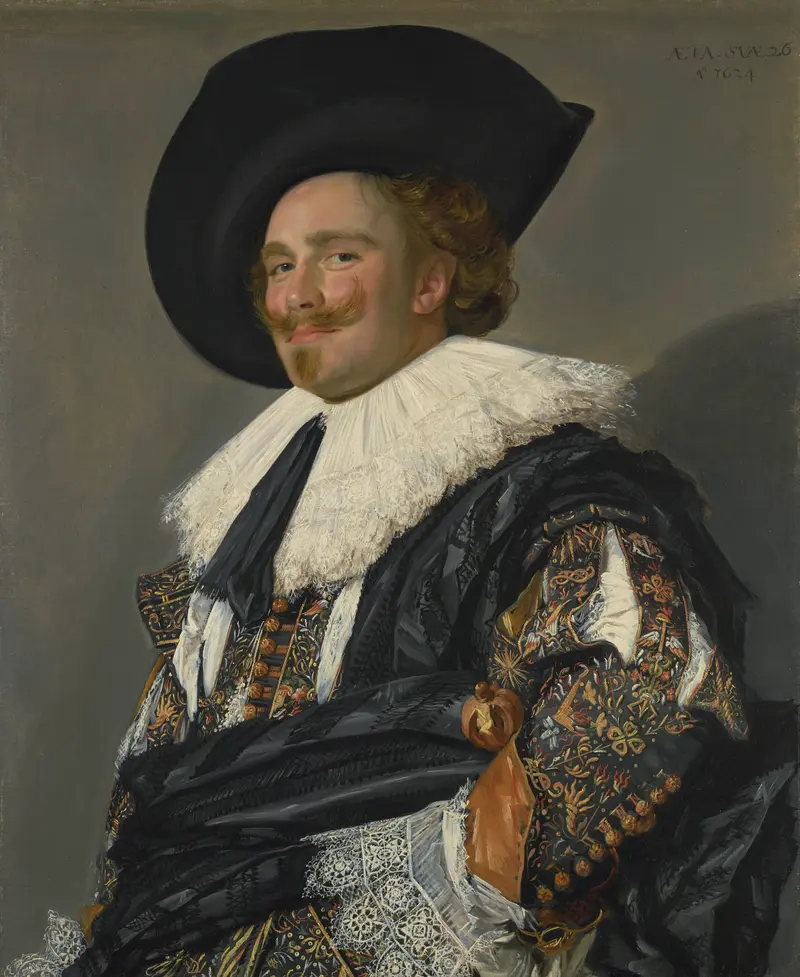
Laughing Cavalier
Frans Hals

Militia Company of District XI under the Command of Captain Reynier Reael, Known as ‘The Meagre Company’
Frans Hals
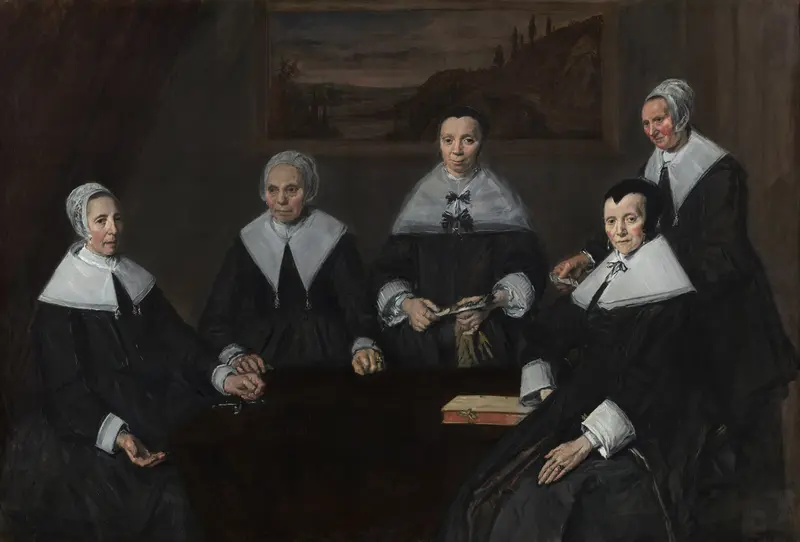
Regentesses of the Old Men's Alms House
Frans Hals
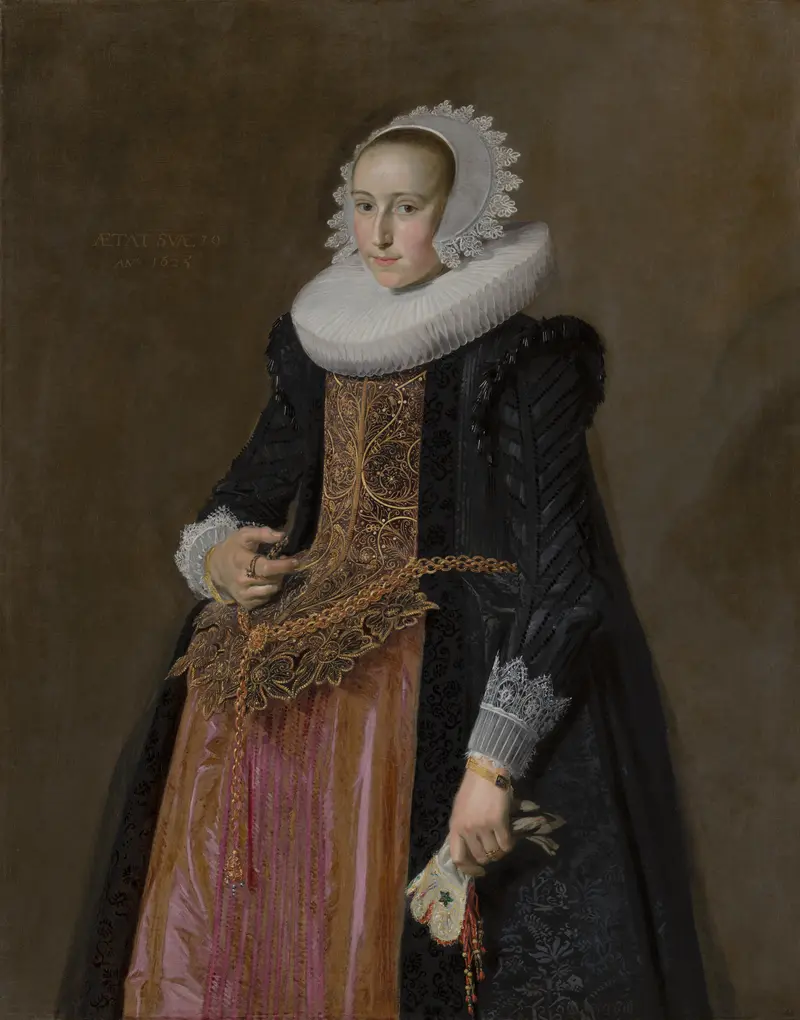
Portrait of Aletta Hanemans (1606–1653)
Frans Hals
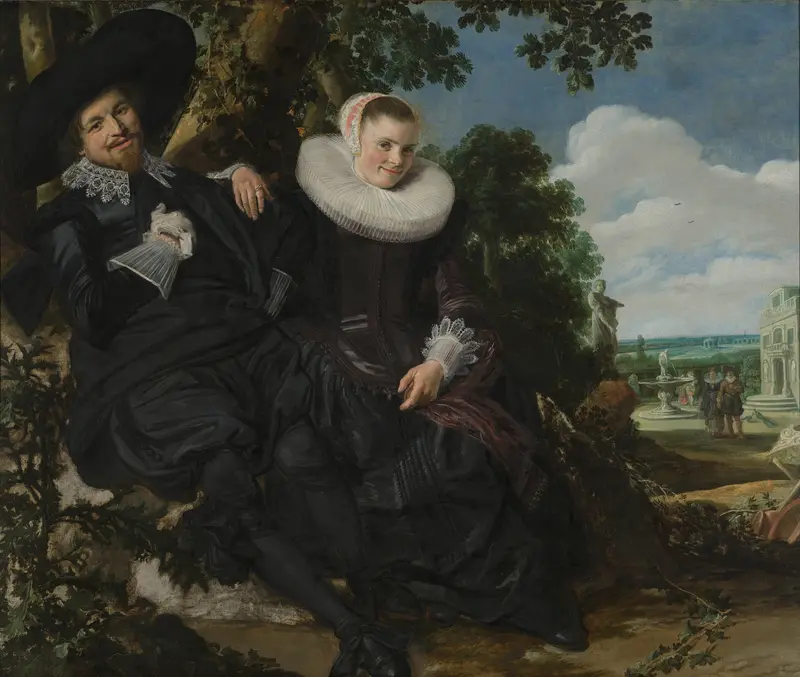
Portrait of a Married Couple, Likely Isaac Abrahamsz Massa and Beatrix van der Laen
Frans Hals
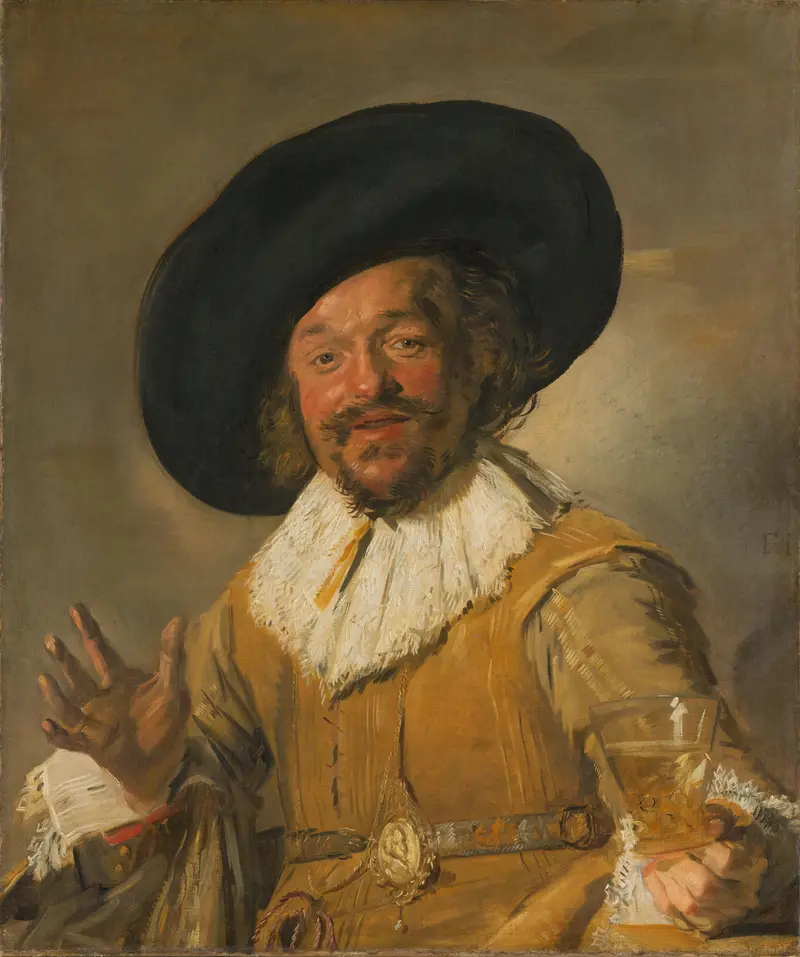
The Merry Drinker
Frans Hals
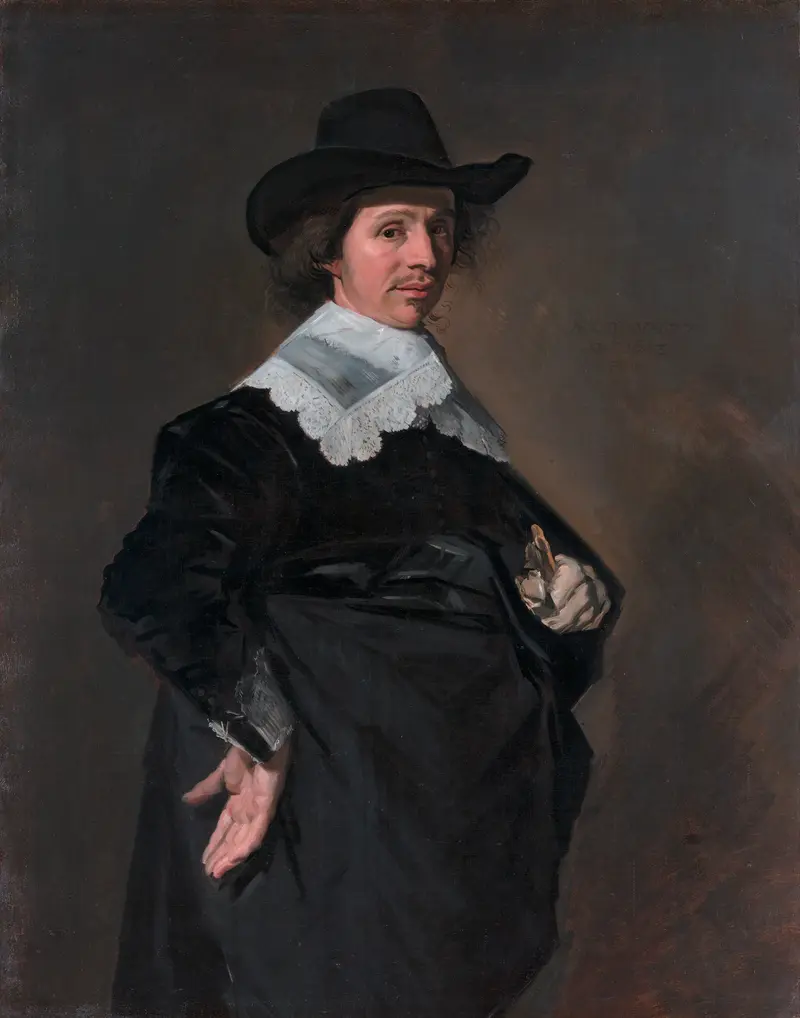
Portrait of Paulus Verschuur
Frans Hals
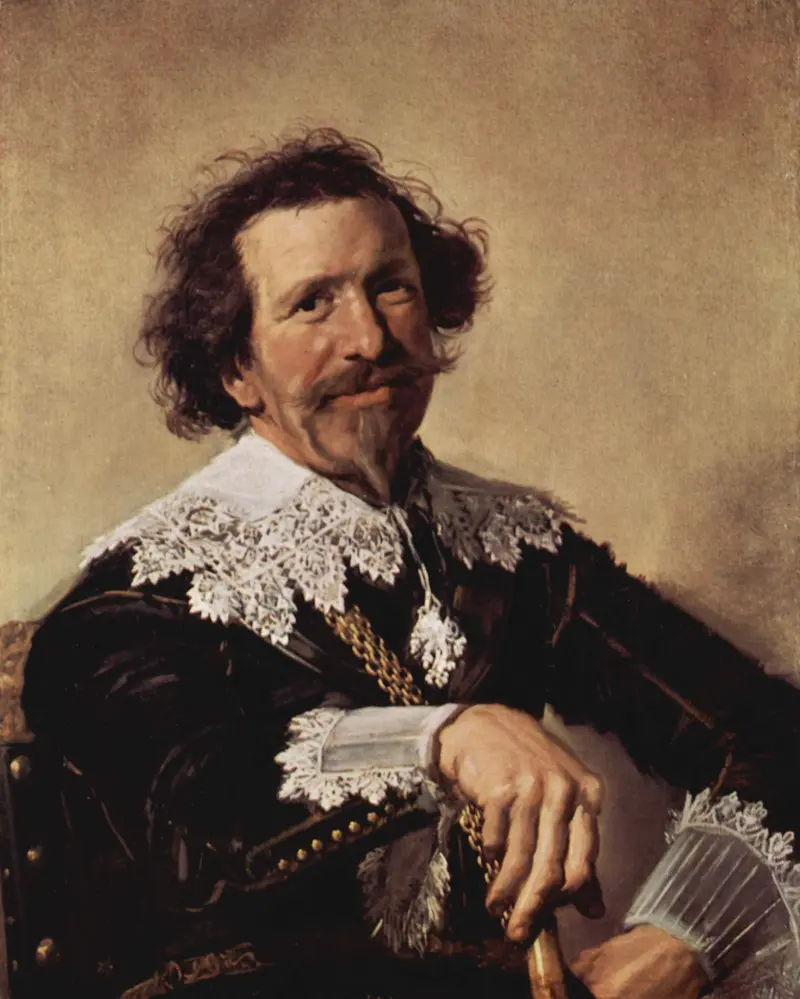
Portrait of Pieter van den Broecke
Frans Hals
More Genre Scene Art
Banquet of the Officers of the St George Civic Guard
Frans Hals

Rembrandt and Saskia in the Scene of the Prodigal Son
Rembrandt van Rijn

Bal du moulin de la Galette
Pierre-Auguste Renoir

Quadrille at the Moulin Rouge
Henri de Toulouse-Lautrec

A Burial at Ornans
Gustave Courbet

When Will You Marry?
Paul Gauguin