
Souvenir de la Turquie d'Asie, dit aussi Enfants turcs auprès d'une fontaine — History & Facts
What first catches the eye is the way sunlight pours down on the children, warming the rough stone and picking out the tousled hair of the central figure. The world here is one of quiet observation: a trio of children, absorbed in their own rhythms, linger by a fountain’s edge. The composition draws you in through a play of arches and shadows, the vines overhead softening the geometry with their curling leaves and clusters of grapes.
One child leans forward, intent on the water below, while another, perched with a hand to his mouth, seems lost in thought or perhaps in conversation with the unseen. The third, lounging in the cool shade, gestures toward a clutch of ducklings that drift across the surface, their movement mirrored by the gentle ripples in the pool. Painted in 1846, this work belongs to an era when European artists were fascinated by the cultures and landscapes of the so-called Orient. Alexandre-Gabriel Decamps was among those who traveled and brought back scenes that, for French audiences, were both exotic and intimate.
Such paintings were often collected by those eager to display a window onto distant worlds, their details—costume, architecture, play—serving as both documentation and fantasy. Little is recorded about the specific journey of this painting, now found in the digital collection of Google Arts & Culture, but its atmosphere is unmistakably of its time: the 19th-century hunger for scenes of daily life far from home, rendered with a storyteller’s eye. Look again at the way the light divides the scene, and you’ll find yourself standing in the shade, watching the day unfold.
More Artworks by Alexandre-Gabriel Decamps

Still Life with Herring, Bread, and Cheese
Alexandre-Gabriel Decamps
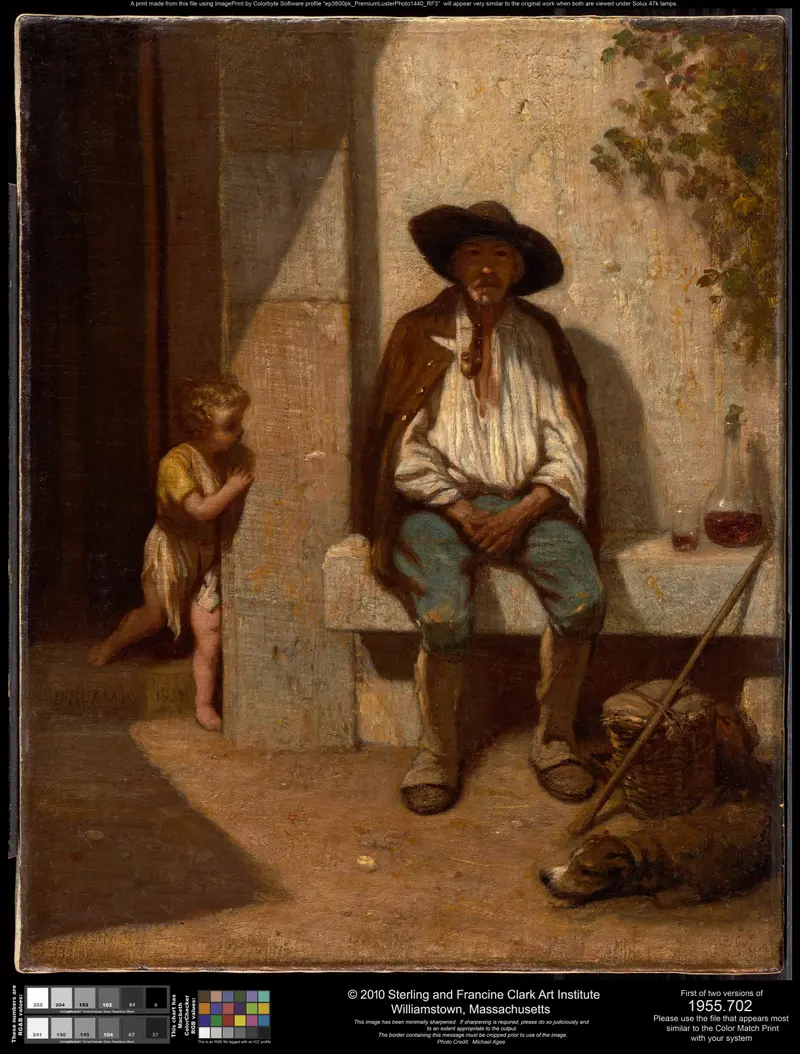
Italian Peasant
Alexandre-Gabriel Decamps
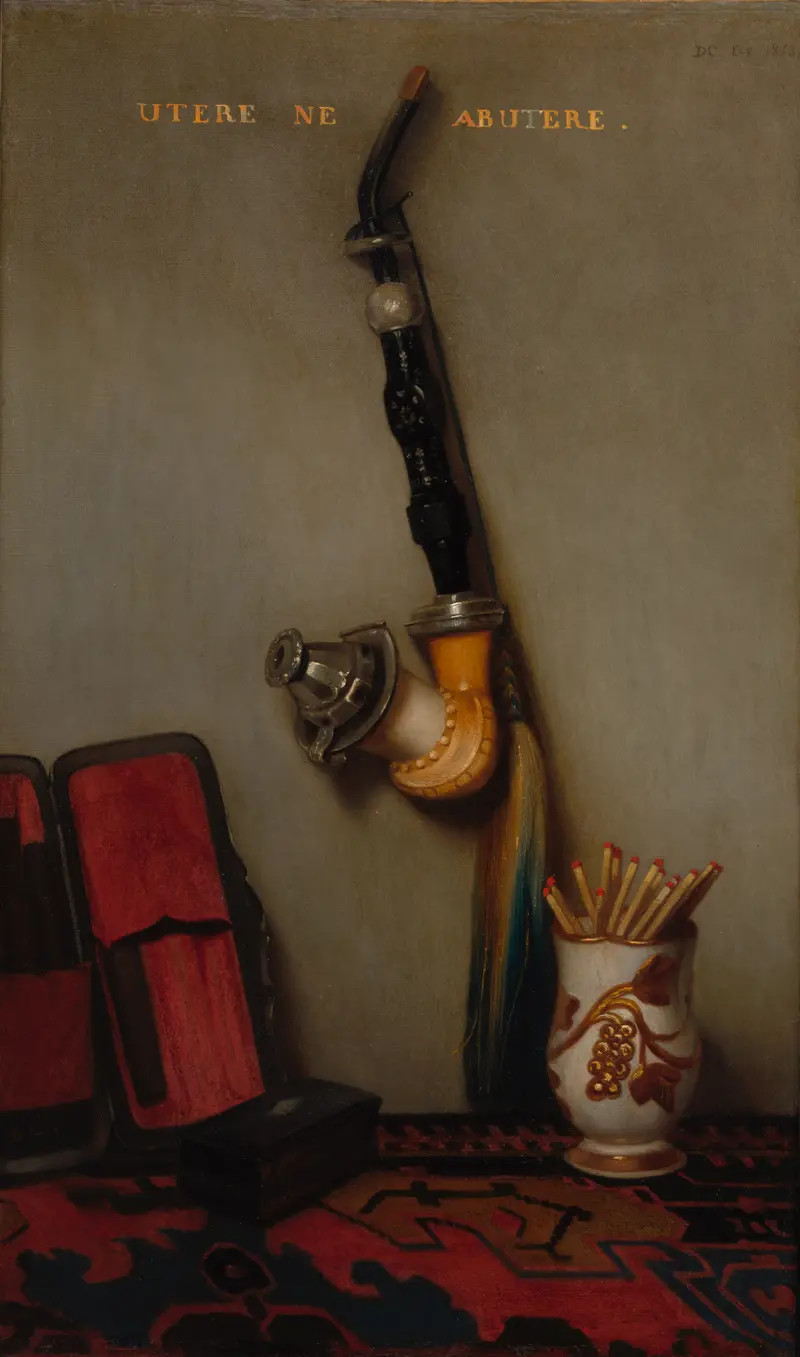
Still Life with Pipe and Matches
Alexandre-Gabriel Decamps
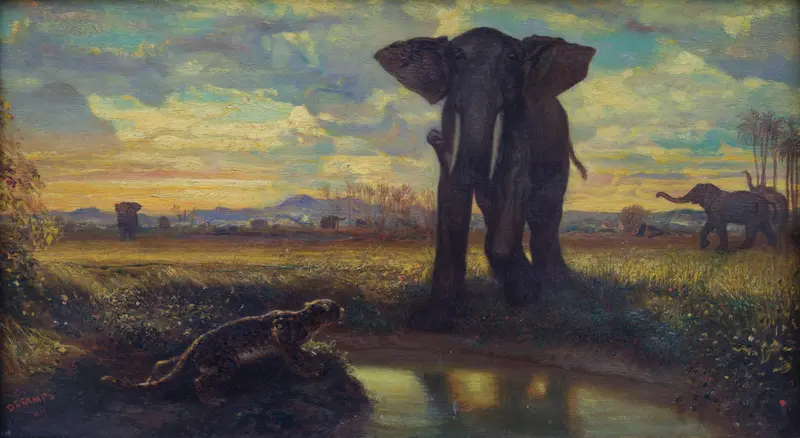
Tigre et éléphant à la source Musée du Louvre Peintures RF
Alexandre-Gabriel Decamps
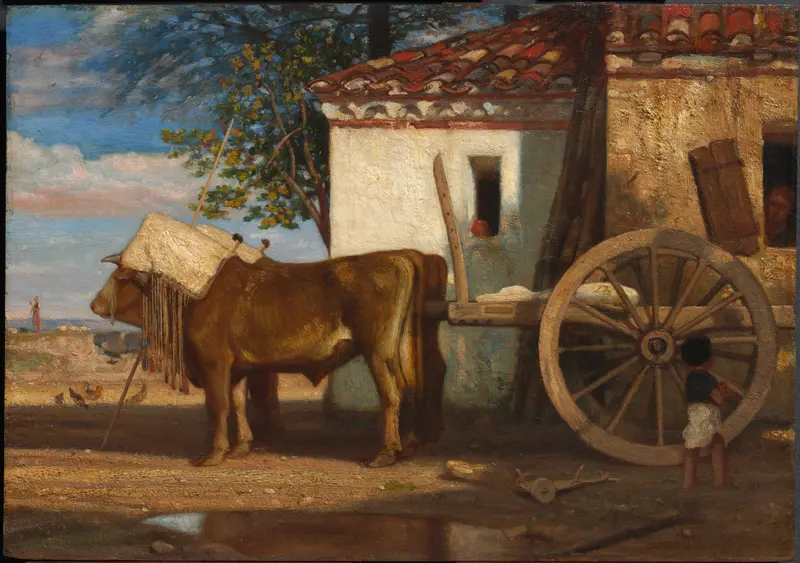
Oxen before a Farmhouse at Le Verrier
Alexandre-Gabriel Decamps
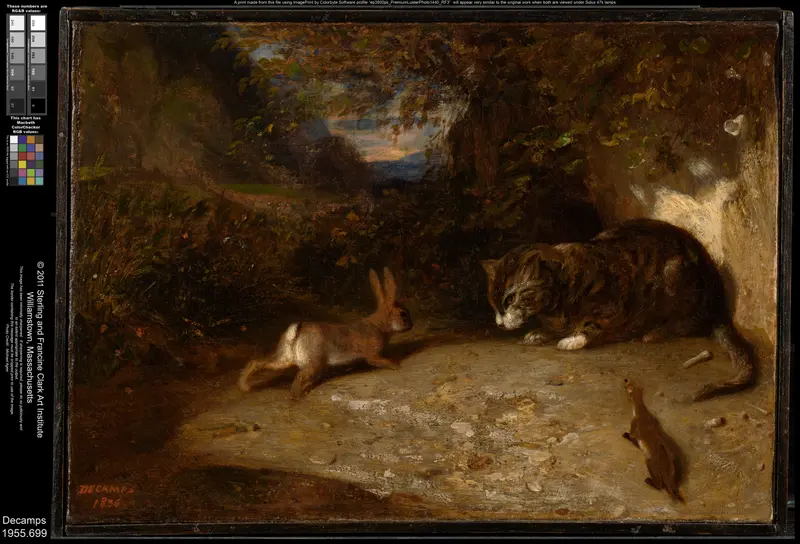
Cat, Weasel, and Rabbit
Alexandre-Gabriel Decamps
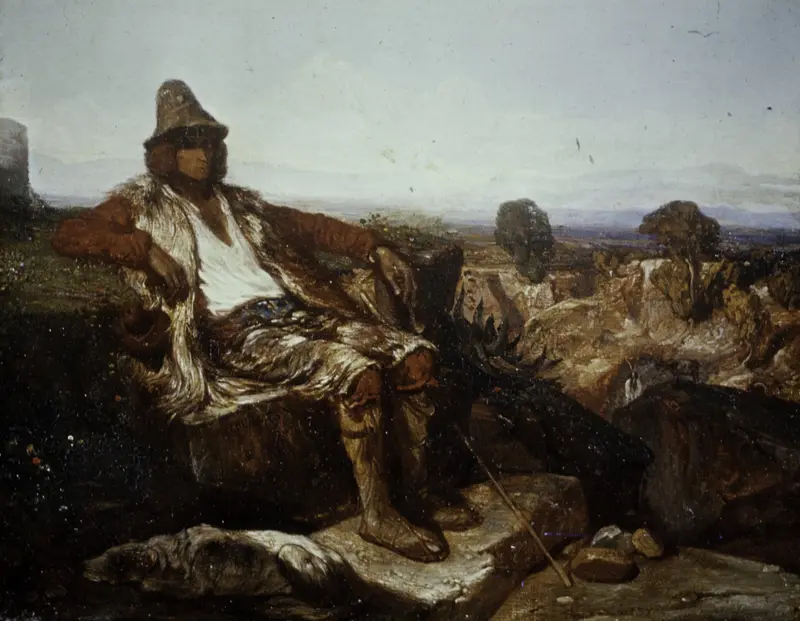
Goatherd of the Abruzzi
Alexandre-Gabriel Decamps
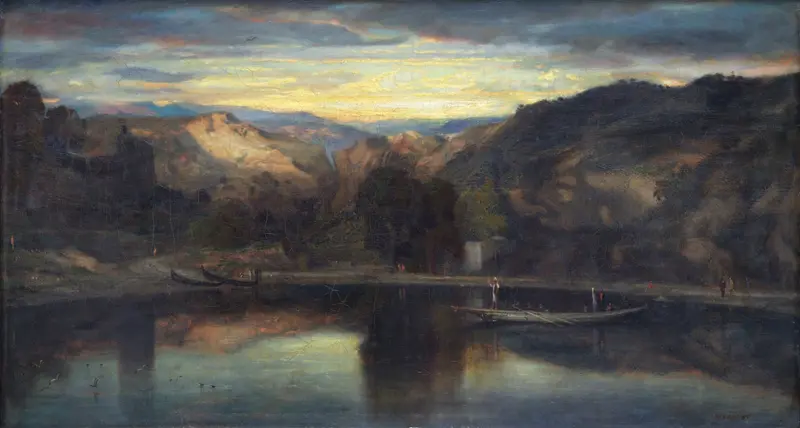
Jésus sur le lac de Génésareth Musée du Louvre Peintures RF
Alexandre-Gabriel Decamps

Espagnols jouant aux cartes Musée du Louvre Peintures RF
Alexandre-Gabriel Decamps
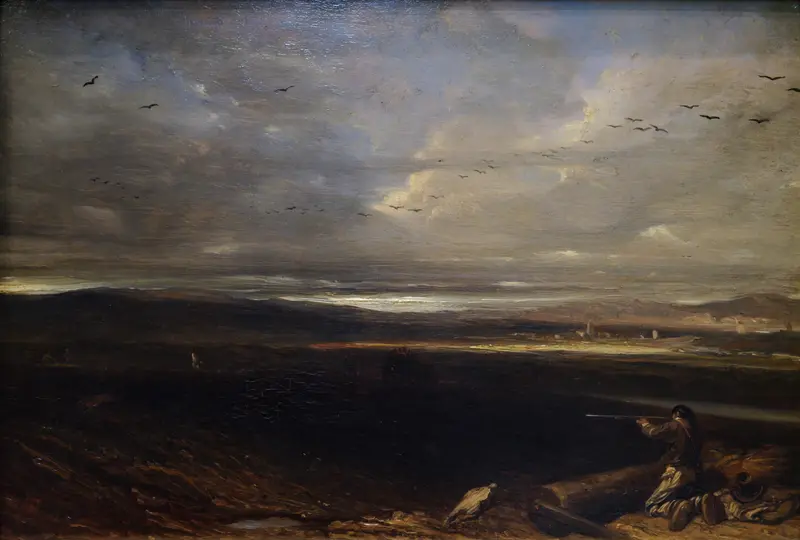
La battue en plaine Musée du Louvre Peintures RF
Alexandre-Gabriel Decamps
More Genre Scene Art

Banquet of the Officers of the St George Civic Guard
Frans Hals

Rembrandt and Saskia in the Scene of the Prodigal Son
Rembrandt van Rijn

Bal du moulin de la Galette
Pierre-Auguste Renoir

Quadrille at the Moulin Rouge
Henri de Toulouse-Lautrec

A Burial at Ornans
Gustave Courbet

When Will You Marry?
Paul Gauguin